
Project Helix Xbox Specs Leak Reveals RTX 5090 Level Ray Tracing Power
Project Helix introduces a hybrid console PC system with advanced AI processing and next generation graphics architecture.
News by Nahe Yan on Mar 22, 2026
Project Helix is what people are calling the next Xbox. It has RTX 5090-level ray tracing, can run PC games natively, and may surprise some people with its price. Microsoft showed this at GDC 2026. It was a concept that goes beyond the usual design of a console.
Xbox Series X currently uses a 7nm chip, so moving to 3nm would be a significant change. This lets the chip use less power while still having more transistors.
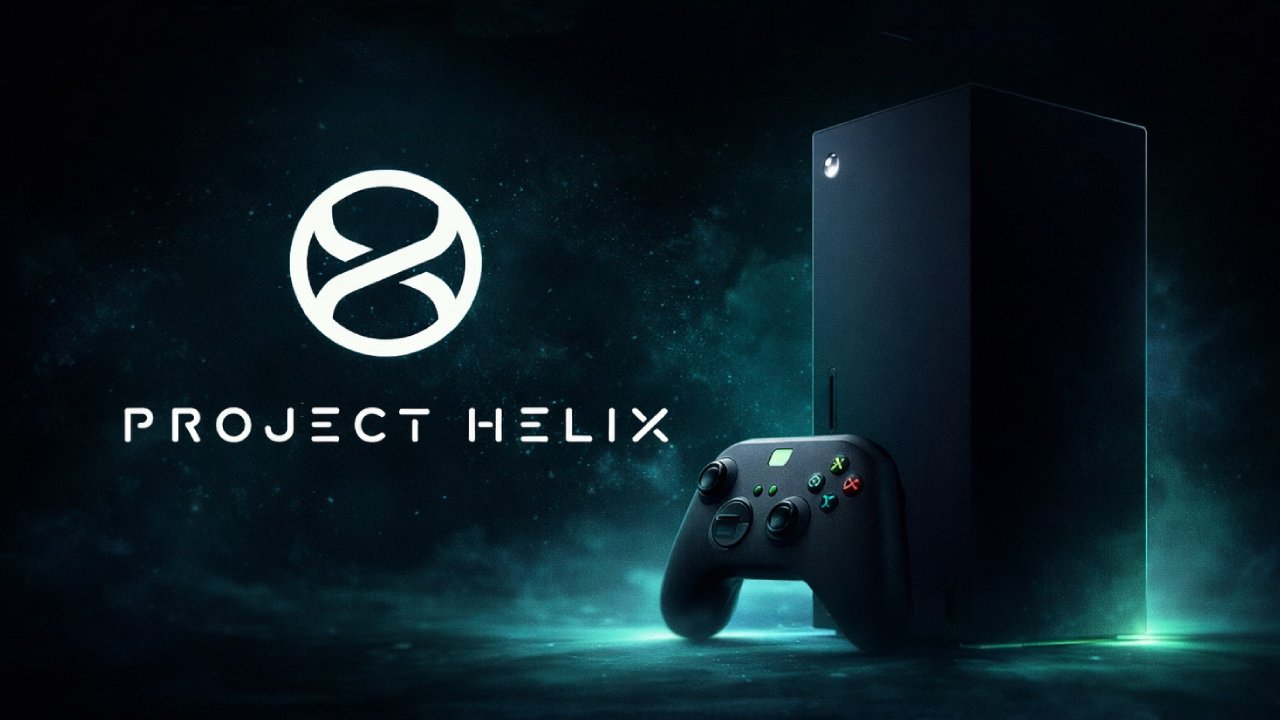
Microsoft has revealed that Project Helix will use a unique AMD SoC built on 3nm technology.
The GPU is likely to be based on AMD's RDNA5 architecture. Microsoft wants to give gamers a performance boost, "an order of magnitude" better than what existing consoles can deliver. Reports say that the GPU's performance might be as good as the RTX 5080 in rasterization and the RTX 5090 in ray tracing. This means the system is ahead of competitor hardware and has made a significant leap in generations.
Project Helix might not work like a normal console. Instead, it is a hybrid system that can play games on both Xbox and PC. This method combines both ecosystems into a single device.
Microsoft has already started down this path with an Xbox mode on Windows that turns a PC interface into a console-style experience. Reports say this mode will be available on Windows 11, further blurring the distinction between console and PC environments.
We could be looking at a dedicated gaming PC for the living room with Project Helix. It would have a console-like interface, yet work like a PC. If done correctly, you can use a single system to access both console libraries and PC platforms.
Microsoft is adopting AMD's FSR Diamond technology to address upscaling issues. This replaces older versions and works directly with the Microsoft GDK. FSR Diamond has its own NPU that handles multi-frame generation, neural texture compression, ray reconstruction, and neural rendering. In practice, games can look like they're running at almost native 4K resolution while keeping high frame rates like 60fps or 120fps without having to render every frame with full hardware.
People expect the system to include a separate neural processing unit. This gear is made for AI tasks and opens up new possibilities in games.
We may look forward to AI-assisted upscaling, NPC behavior that adapts to the situation, improved ray tracing reconstruction, dynamic world generation, and more. AI is no longer an optional feature; it's now part of the system design, changing how games are made and played.
Another area of focus is storage performance.
Some technology may have originated in Project Amethyst, a joint effort between AMD and Sony. Radiance cores, neural arrays, and universal compression systems are among them.
Radiance cores improve GPU performance, neural arrays accelerate ray tracing, and universal compression makes it easier to handle data. These could appear in many next-generation systems because they are based on RDNA5.
Microsoft said that Project Helix will let Xbox games from four generations work together. There are reports that the game could come out in 2027, but development kits are scheduled to be available in early 2027. A launch in 2028 seems more likely given typical timeframes.
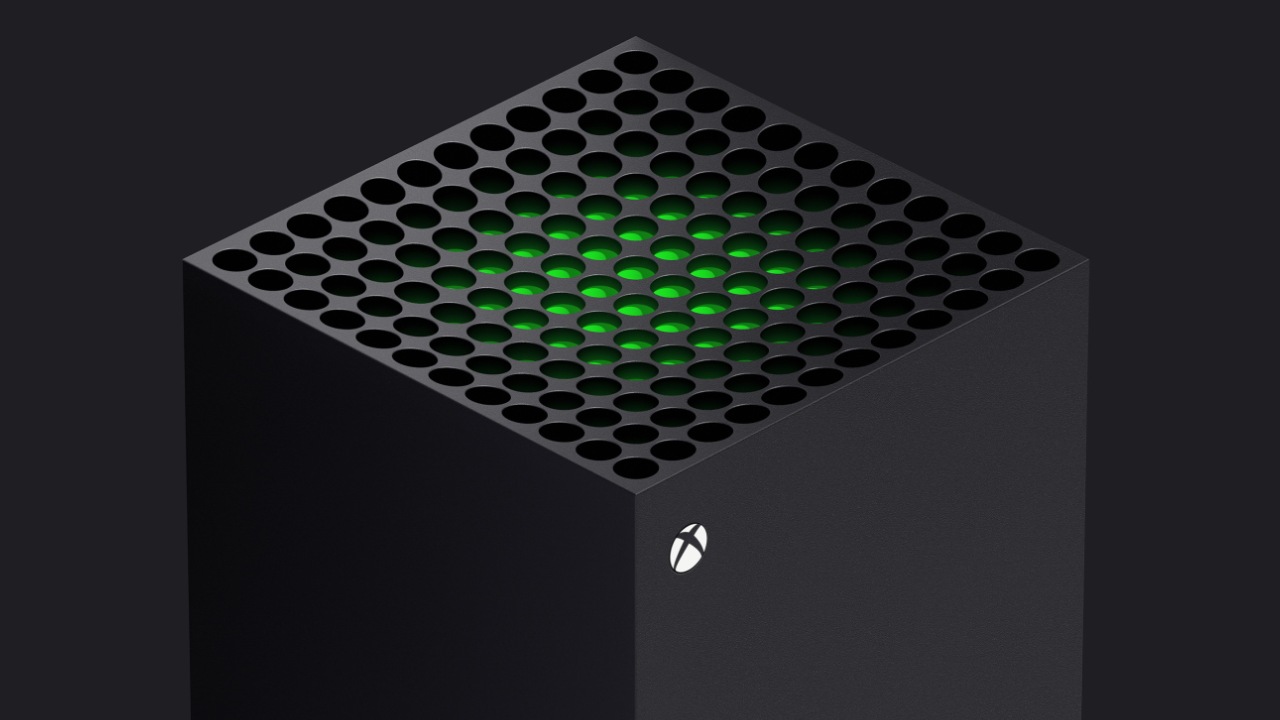
Depending on how it is set up and what technique is used, the price should be between $900 and $1200. This makes the system more expensive than a regular console.
Microsoft is marketing this gadget as an alternative to a $ 1,500 gaming PC rather than a conventional console. If the system can serve as both a console and a PC, the pricing model is more in line with high-performance computers.
Reports say that competing technology might employ a smaller processor to save money and energy, which could cost approximately $600.
Microsoft is going for better performance with a bigger chip and a greater price.
This leads to two strategies, one focused on cost and efficiency, and the other on performance and system integration.
We know that this system is meant for more than one group of users. As a PC gamer, you don't need separate hardware if you can play PC games directly on a console-style device. If you utilize an Xbox, the better performance and bigger ecosystem give you a wider range of experiences.
Project Helix changes the way we think about gaming hardware. Microsoft is not making a better version of a traditional console. Instead, it integrates the functions of a console and a PC into a single platform. If the ideas discussed are realized, this system could change what people anticipate from future gaming technology.
Editor, NoobFeed
Related News
No Data.