
Steam Machine Pricing Concerns Rise as Valve Ends Budget Steam Deck Models
Valve shifts focus from lower-cost Steam Deck models as rising component costs influence hardware manufacturing and pricing decisions.
News by Masaru Hoshino on Dec 22, 2025
Steam Machine hasn't made any noise in a long time, mostly because Valve hasn't given any fresh information. As people get more and more excited about the 2026 unveiling, especially about the price, any change from Valve naturally draws a lot of attention.
People have been talking about the Steam Deck and worrying about how much the Steam Machine will cost when it comes out, following recent news.
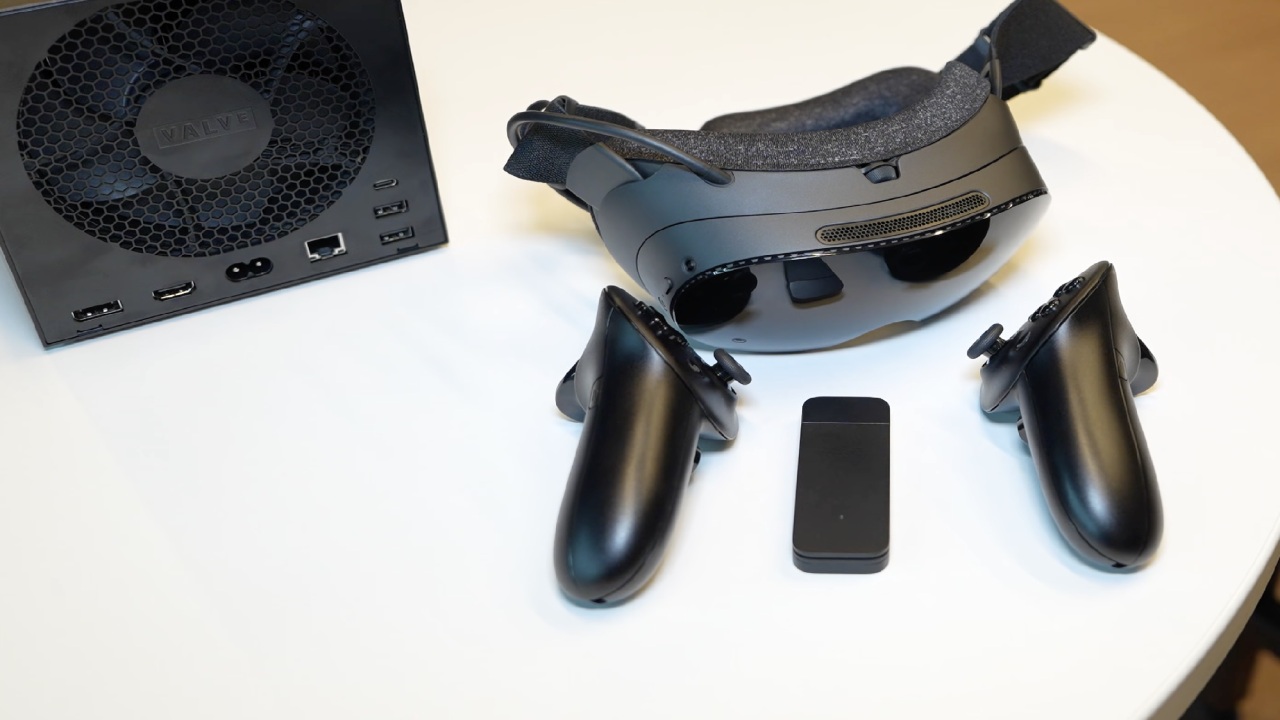
People have recently observed a change with Steam Deck. The $650 OLED version, which is the most expensive, is still the best choice. Many people think it's a good deal because the market for handheld PCs is booming and prices are going up. Steam Deck has always been cheap, especially the old $400 entry-level LCD model.
Valve has stopped making the 256GB LCD Steam Deck. The notification makes it clear that production has ceased and that once the last units are sold, they are gone. Refurbished devices come up from time to time, but how many are available depends on how many are returned and repaired.
Price of a new Steam Deck has gone up to $550 now that LCD model is gone.
This change makes you wonder why they would go away from the version that was more focused on budget, especially since price was a big competitive advantage over devices like the Nintendo Switch. Valve may want to make its manufacturing process more efficient as it prepares for new hardware such as the Steam Machine, Steam Frame, and a new version of the Steam Controller. Another thing to think about is how the LCD and OLED models' core hardware differs, such as newer semiconductors made more efficiently and featuring faster memory.
The rising cost of parts is a more straightforward answer. Prices for RAM and SSDs have risen significantly, which has a direct impact on products like Steam Deck. It may no longer be possible to make a $400 model with 16GB of RAM and 256GB of storage.
When Steam Deck launched in 2022, Gabe Newell of Valve remarked that the hardest part of the project was bringing the price down to $400 for a 64GB model. The cost landscape has changed significantly due to current market conditions.
Reports from the memory industry in late 2025 suggested that memory makers expected shortages, lower production, and rapidly rising RAM and NAND prices. Some sources said SDRAM and NAND prices will double in a month, with NAND prices rising by 246%. It takes time for these price hikes to show up in stores due to supply chain delays, but trends become obvious early.
Online ads suggest that 16GB of DDR5 laptop memory routinely sells for more than $100, which is far more than it should cost. It looks like a lot of dealers are pulling RAM out of laptops and selling it separately to make money off the high prices. At the same time, popular brands on retail sites sell 32GB kits for $300 or more. There are cheaper solutions, but many are from lesser-known brands, which makes them less reliable.
Outdated standards like DDR3 and DDR3L are the only ones that change infrequently. This prompts some purchasers to revert to outdated systems to avoid paying too much for RAM.
All of this has a direct impact on the Steam Machine. Valve is probably well into preparing to make things, since they aim to launch in early 2026. Likely, contracts and orders for parts for launch units are already set. What happens once the initial wave of systems is made is what people are really worried about. Valve might have to raise prices soon after release if component costs keep rising. This is something that most firms aim to avoid.
If you start at a higher price, you can keep it for longer. The idea that hardware makers could raise prices several times over a short period seems more likely now that we've seen console pricing rise in the US recently.
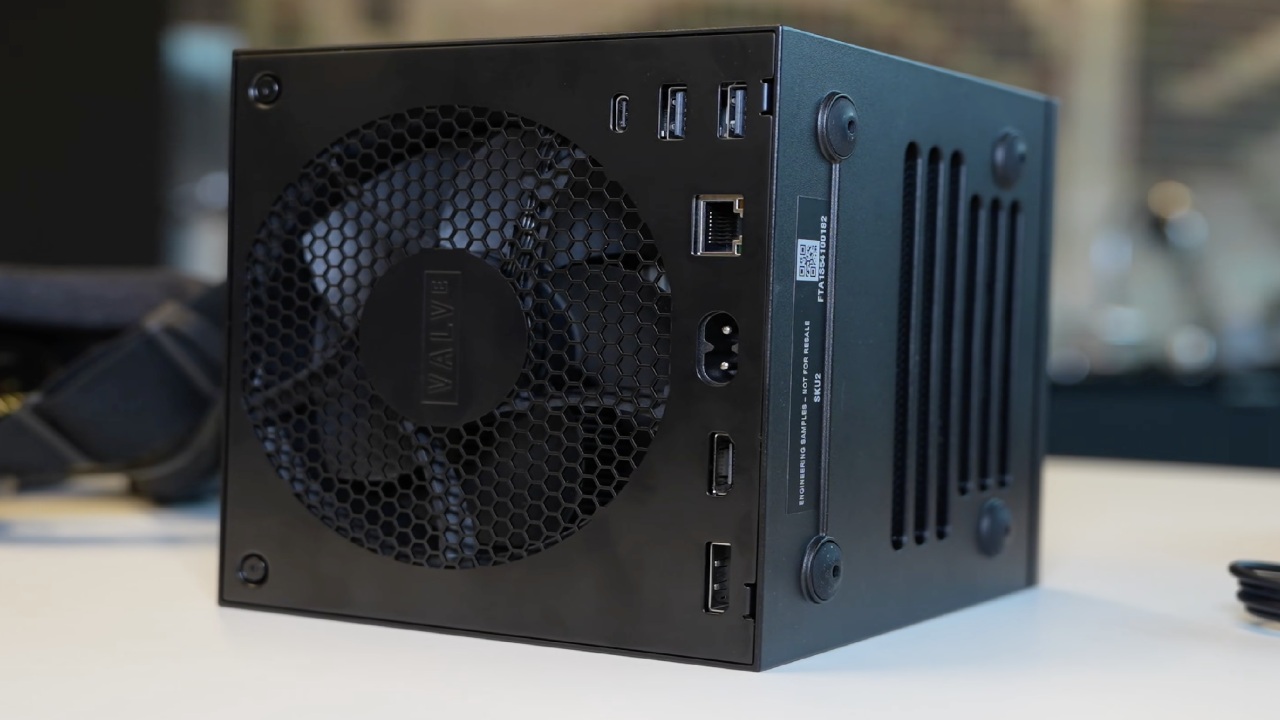
It has also been more expensive to build a prebuilt PC. SSD prices are likely to rise in early 2026, which would have an even greater impact on devices like the Steam Machine. As modern games get bigger, they often require more than 100GB of storage space, and sometimes even 300 GB.
If these conditions last until 2027, the market may settle at higher prices for parts that last forever. The aim is that the AI-driven demand driving up prices will eventually go down, allowing prices to fall. But businesses and countries that invest in AI are spending huge sums to gain an edge in machine intelligence. This competition might keep memory demand high for years.
Earlier estimates said Steam Machine would cost between $600 and $700. $700 still appears conceivable right now, but that estimate is losing its strength. If things keep going the way they are, the price may easily reach $800 or more. Models with higher capacity, such as 2TB configurations, might cost well over $1,000.
Tech hardware is not very reliable right now. If you already have a good method, it could be wise to keep it and wait for the market to calm down. For people who are building new systems, DDR4 platforms may be the best choice for the price, especially for gaming at 1080p or 1440p.
If the AI bubble pops, many more parts could enter the consumer market, significantly lowering prices. The matter is still up in the air till then.
Valve's decision to stop making the $400 Steam Deck has raised concerns about how affordable Steam Machine will be in 2026.
The prices of parts, especially RAM and SSDs, are rising quickly, and the market may keep changing in ways hard to foresee. A lot of people who might buy Steam Machine are now wondering whether it will be an inexpensive system or whether the higher costs of making it will mean it has to be sold at higher prices.
Editor, NoobFeed
Related News
No Data.