
Stormgate's $40M Dream Crumbles
Frost Giant's Stormgate, once thought to be the next StarCraft, is having trouble with money, ambition, and a changing industry.
News by Nusrat Choity on Oct 13, 2025
When the ex-Blizzard developers at Frost Giant Studios first talked about Stormgate, everyone was very excited. A spiritual follow-up to StarCraft II? A real-time strategy game that you can play for free, and was made by the same people who made Warcraft III and StarCraft? It sounded like a sure thing. But now that the dust has settled, the story of Stormgate has become a warning for the modern gaming industry about ambition, money, and bad timing.
Sources say Tim Morton, the CEO of Frost Giant, said, "The release was undercooked." It's a shocking admission, especially coming from a studio full of RTS veterans. Frost Giant wasn't a small indie startup with a small budget, after all. To make their dream project come true, they raised almost $40 million. But even with all that promise, Stormgate failed in terms of sales, reviews, and feelings.
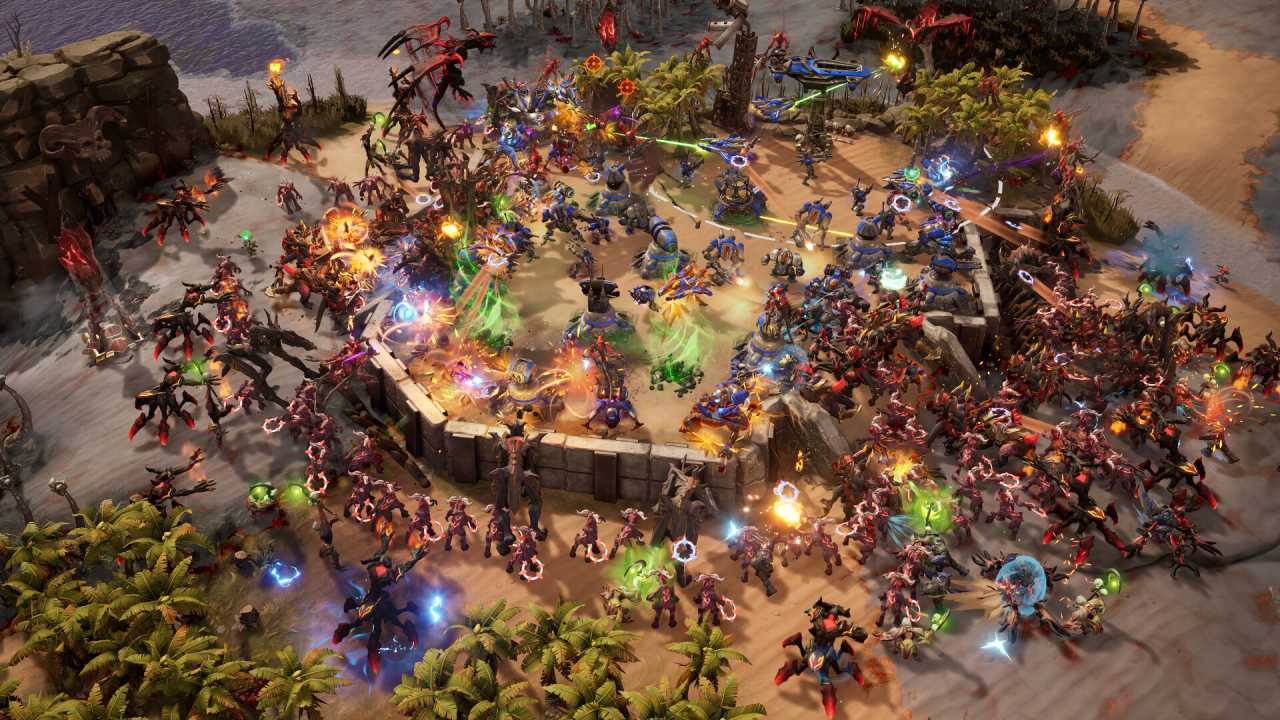
Tim Morton, who made StarCraft II: Legacy of the Void, and Tim Campbell, who made Warcraft III: The Frozen Throne, started Frost Giant Studios in 2020. With résumés like that, there was a lot of faith that they could make the next great RTS. What do they want? To use their own engine, Snowplay, to change the genre and give players a new experience that combines the depth of old-school strategy games with the ease of use of modern games.
The plan looked good. Stormgate was supposed to be a free-to-play live service RTS with paid campaigns, co-op missions, and cosmetic microtransactions.
The developers said that everyone who liked the game, from casual players to serious competitors, would have a place in this changing world. They even copied StarCraft II by mixing paid and free content to keep development going for a long time.
Frost Giant raised tens of millions of dollars from private investors over the course of three years. They then raised another $1.2 million on Kickstarter to fund special editions and a beta before the game launched. The buzz was real—the Steam Next Fest demo was one of the most popular games at the event. Everything looked like it was going to work out. But when Stormgate came out in early access, the dream quickly fell apart.
Getting early access is a tricky balancing act. It's supposed to get people talking and excited, not angry. Sadly, the early access launch of Stormgate leaned more toward the latter. Players quickly grew unhappy due to confusion about how to make money, a broken Kickstarter promise, and missing features.
Fans who had supported the game on Kickstarter were surprised to find a paid $10 hero voiced by Simu Liu available at launch, even though the campaign had promised "all Year Zero heroes" for backers. Backers saw when Frost Giant quietly removed that line from their FAQ. The backlash made the studio look untrustworthy, and the relationship with fans fell apart overnight.
Even worse, the game itself didn't hold up to close examination. Players said Stormgate's art direction was boring and too safe, and that it lacked the unique charm of Blizzard's older RTS games. The campaign was short, the writing was poor, and there were no offline skirmishes or mod support, both of which are important features. What was meant to be a strong base for future updates instead came off as a poorly thought-out experiment.
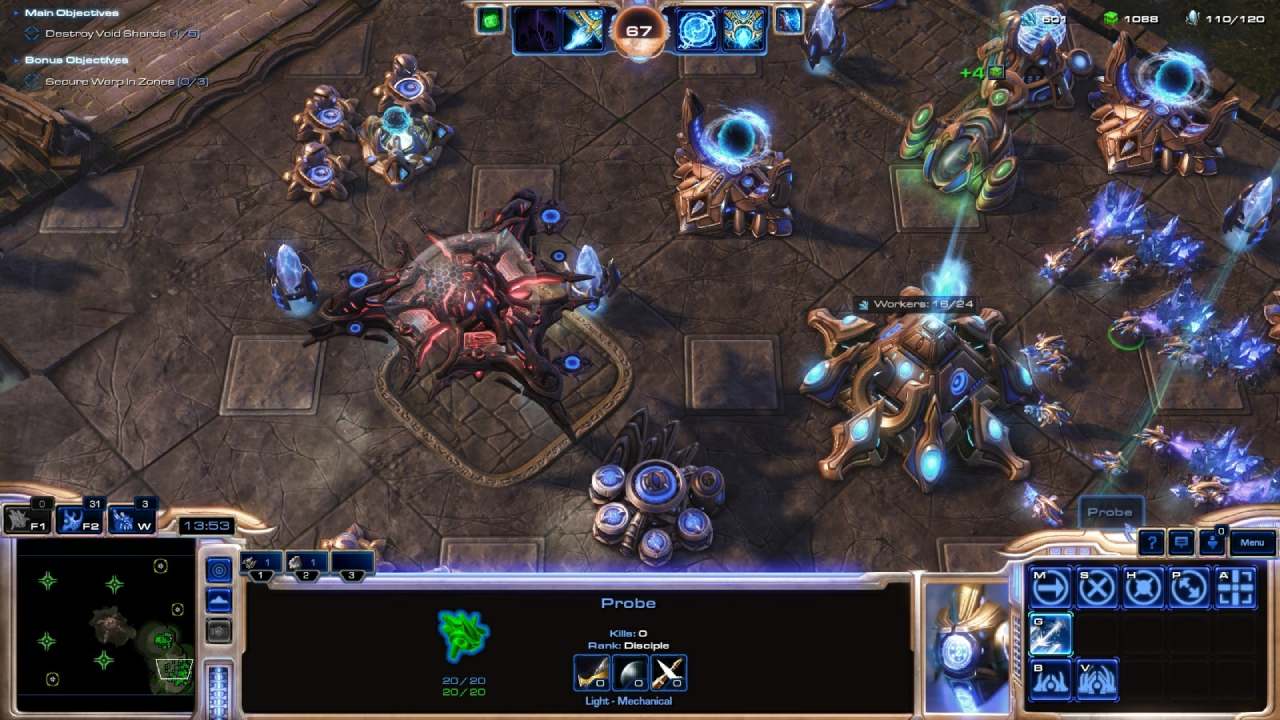
The Steam reviews showed how disappointed people were: Stormgate barely reached 50% positive. People quickly labeled it an "identity crisis," overshadowing the early promise of a "next-generation RTS." The hype train had already gone off the rails before it even left the station.
Tim Morton didn't hide behind silence; instead, he publicly analyzed the mistakes his own company made. He wrote five long blog posts on LinkedIn over the course of a month, all about Stormgate. Morton didn't blame anyone in these. He thought it was his fault.
He admitted that the people who made Stormgate didn't know enough about the market or what players really wanted. He said that he had tried to do too much by trying to make a huge RTS with single-player, co-op, and competitive multiplayer modes all at once. Morton admitted, "Every single mode fell short of what players wanted."
He also realized a painful truth about making games today: the standards for quality have gone through the roof, but the money and time available have not. Morton compared the timeline of Stormgate to that of StarCraft II, which took seven years to make with Blizzard's generous financial support. Frost Giant, on the other hand, had to get things done much more quickly and without a company safety net.
When the market changed and investors lost interest after COVID, Frost Giant was stuck with a huge project and not enough money. Even after a rework in April 2025, the number of players didn't increase, and the full release in August didn't fare any better. The number of players dropped from early highs to worrying lows, and the company began publicly discussing layoffs.
The $40 Million Question
How can a studio with $40 million fail? That's the question everyone is asking on forums. Ambition and timing are the keys. Frost Giant raised its first funding during the pandemic, when investors were eager to invest in gaming, which was doing well during lockdowns.
The studio made millions of dollars in a short period between 2020 and 2022. But things changed in the investment world by 2023. AI, not games, was the big news. And because development costs in California are rising, Frost Giant's burn rate, estimated at roughly $10 million per year, used up its resources faster than expected.
Morton has since said that if he were starting Stormgate today, he would do things differently: he would outsource more, use generative AI, and make less outside the U.S. But the dream was big in 2020. Too big. The Frost Giant team had more than 120 developers and several outsourcing partners working on art, localization, and cinematics by the time the game was fully launched. What happened? A game that seemed like a big hit on paper but didn't have the polish or content to back it up.
The studio had big plans that would have required a Blizzard-sized budget, but the market had changed, and the well of money had run dry. What was left was a project that Morton himself said "never had enough time in the oven."
Stormgate is in a state of uncertainty right now. Morton has said that "some work continues." Still, the only way for the studio to move forward is through partnership, which means getting money or buying something from someone else. This is a sad reality for what was once one of the most anticipated RTS comebacks in years.
There are still developers working on small updates and patches in the hopes of keeping the game alive long enough for a change. But there isn't much hope. Stormgate wanted to bring back a type of game that may no longer be able to support games of its size.
Morton, however, has gained respect for his honesty. Few CEOs are willing to acknowledge their mistakes. His candor could be a useful lesson to other ambitious teams: passion alone won't get you where you want to go. This is because the market, budgets, and audience expectations are changing faster than ever before.
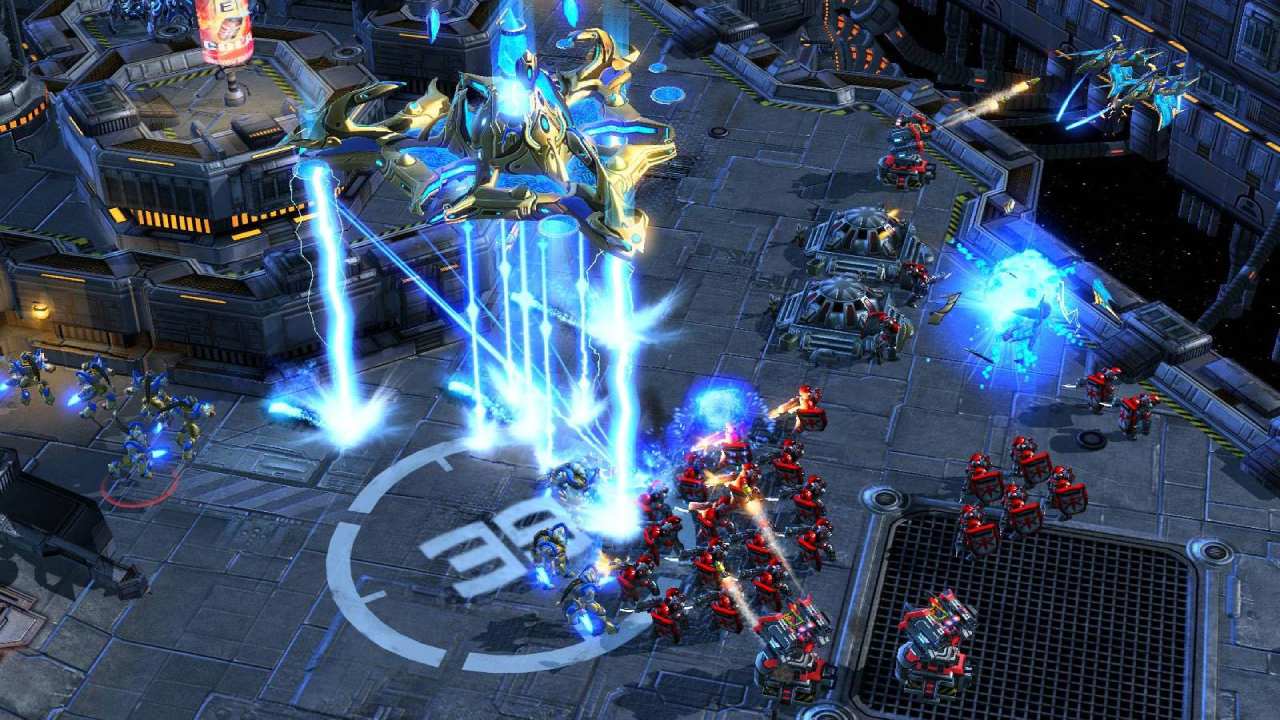
Ultimately, Stormgate is more than a single failed game. It serves as a mirror reflecting the evolution of the gaming industry, where nostalgia and real money coexist. Even the best talent can be beaten by circumstance. Frost Giant wanted to make the next StarCraft, but what they gave us was a warning: no amount of money can save a game that doesn't have time, cohesion, or luck. The oven timer went off too soon, and everyone agrees that the RTS was just undercooked.
So, the big question is whether Stormgate can ever rise from the ashes and become the great work it was meant to be, or is this the last gasp of Frost Giant's once-great ambition?
Contributor, NoobFeed
Related News
No Data.