
The Witcher 4 Pushing Graphics to the Edge With Full Path Tracing
CD Projekt Red teams up with Nvidia and Epic to build a next-gen lighting system that could redefine Unreal Engine 5 performance.
News by Zahra Morshed on Mar 15, 2026
Now we can discuss a topic that makes the graphics nerds anxious. CD Project Red, developers of The Witcher 4, have officially announced that PC players will be able to use full route tracing functionality, not just the rudimentary form found in patches for previous games. Epic Games and Nvidia are in a tight collaboration with them to take it to the next level.
Things get fascinating when a graphics engineer at CDPR claims that the firm is working closely with Epic and Nvidia to simplify path tracing in Unreal Engine. Just that fact tells you a lot. At the end of development, they aren't just turning a visual switch. The lighting system is being integrated into the game's core.
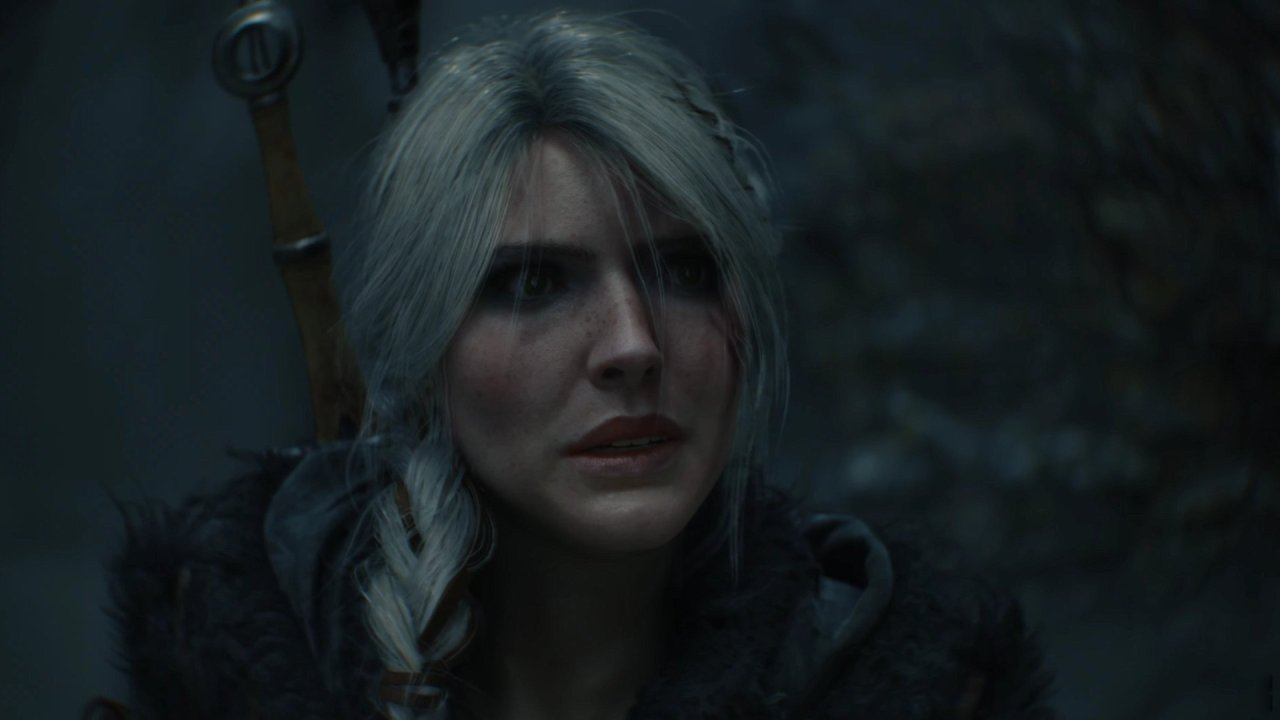
Imagine it as constructing a home.
In certain games, you construct the house first, and then you can upgrade the lighting. From the very beginning, CDPR appears to have been wiring the entire structure to revolve around those lights. Better outcomes are typically the outcome of doing that. Part two of this announcement contains the meat and potatoes of the technical details.
As with previous Witcher games, this one will use Nvidia's RTX Mega Geometry. The idea is sound, even if the name sounds like something a Transformer could say just before launching into a punch. Geometry is a major issue for path tracking in open-world games. Great open worlds, enormous woods, and thousands of dynamic items that change as the player explores.
When scenes are so complicated, traditional rendering frameworks begin to choke. Attempting to arrange books in a library when they are in a perpetual state of flux would be an arduous task. That issue should be resolved with RTX Mega Geometry. The technology can process huge scenes and update them up to 100 times quicker than previous approaches, claims Nvidia.
Because of this, developers may avoid the renderer becoming a slideshow while keeping massive quantities of world information. When it comes to The Witcher games, that is critical. There has been no shooter in the hallway. There are monsters, weather systems, bogs, settlements, mountains, and flora all throughout the place.
In such a setting, path tracing requires the engine to handle an absurd amount of data simultaneously.
Here is where this developed system of details comes into play. RTX Mega Geometry brings improved methods for dealing with objects like vegetation. The algorithm only updates the scene regions that truly require it, rather than continuously updating all of the leaves and plants. Elevated efficiency, fewer memory leaks, and more trouble-free operation.
Envision a group of people working behind the scenes of a theatrical production. No need to dismantle the whole set each time an actor steps onto the stage. They change the focus of the viewers' attention at that very second. Very much so. For a long time, engineers have been striving for this end objective. Completely path-raced settings with realistic lighting, dynamic shadows, lush vegetation, and animated objects all occurring in real time.
If Nvidia's claims hold, virtual forests may soon act more like actual lighting settings, rather than just being enormous clusters of illuminated cardboard trees. And now for something else intriguing. Lumen and Nanite are being used on Unreal Engine 5 to build The Witcher 4. According to CDPR's previous hints, the game should have significantly better framerate performance than other UE5 games we've seen.
Since games built with Unreal Engine 5 have been getting quite a reputation as of late, that statement certainly made some people wonder. Sure, the graphics are stunning, but the performance can make you feel like your graphics processing unit (GPU) took a marathon while you were grocery shopping. One would think CDPR is well aware of that.
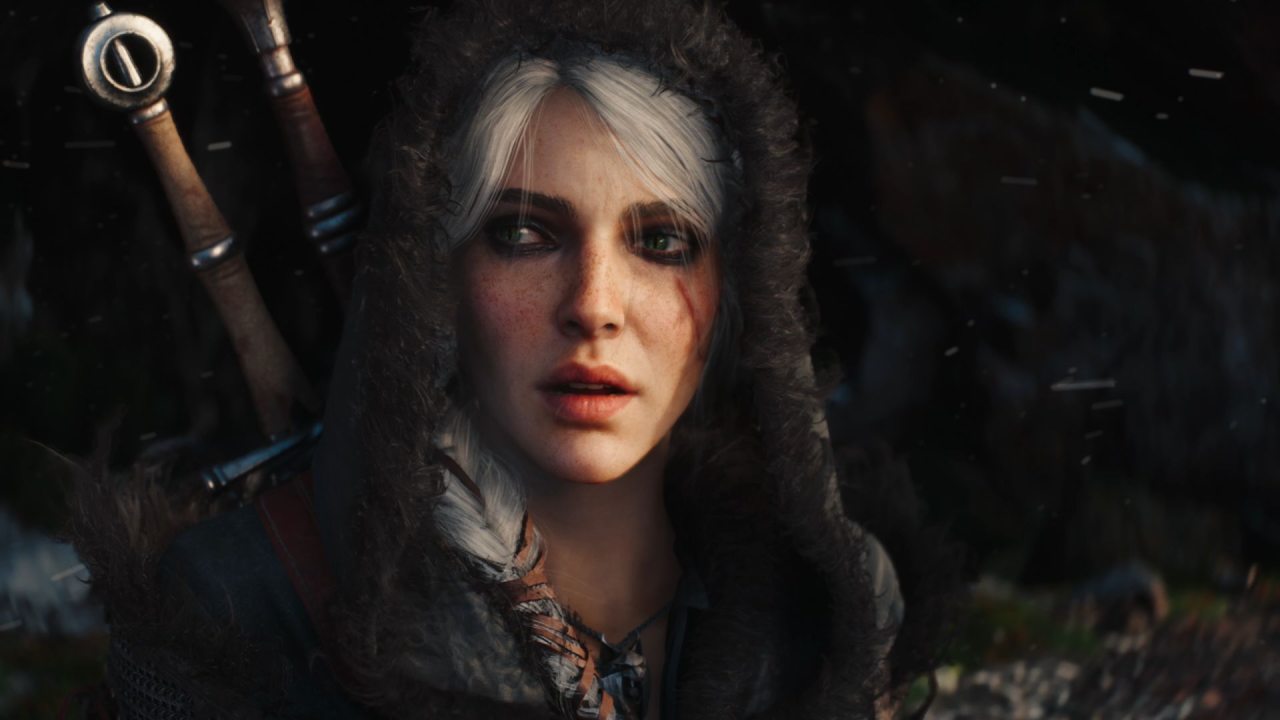
Better optimization pipelines have previously been discussed between the company and Epic. Lower the ship's profile and hope that the fixes resolve the issue in the future. Prioritize establishing ideal engine behavior from the beginning. If they actually pull that off, it could become one of the best examples of what Unreal Engine 5 is capable of when the technology is handled carefully.
Let us shift our focus to the plot now. In The Witcher 4, Siri will take center stage.
The Siri of Witcher 3, the one who was always dodging cosmic dangers, is not here. The story is that this Siri is actually a mutant Witcher taking up monster hunting as her own mission. With that alone, a multitude of story ideas become available. A guy who had witnessed a thousand battles before was the protagonist of Geralt's stories. A whole novel vibe might permeate Siri's narrative.
Alternatively, younger, more impulsive, and intimate. A legendary character who is still discovering her calling as a Witcher. Simultaneously, both humans and Earth are once again navigating increasingly ambiguous waters. Like in every good Witcher story, our heroes are thrust into a perilous moral conundrum when dormant abilities reappear, and the consequences of earlier choices reverberate.
Within that savage universe, CD Project Red is attempting to construct an environment that surpasses all others in terms of technological aspiration. Let's change topics for a second because the gaming business does good things occasionally. Everyone knows, it's shocking. The current buzz within gamers is unrelated to layoffs, controversy, or any publisher's attempt to slip a $40 expansion pass into your pocket. Actually, the reason this talk is taking place is backwards.
Contributor, NoobFeed
Related News
No Data.