
WARDOGS Aims to Redefine Multiplayer Shooters with a Fully In-Game Economy
The upcoming tactical FPS mixes military sandbox gameplay, realistic systems, and player-driven money mechanics into something that feels very different from most modern shooters.
News by Tahmid Mahi on May 24, 2026
WARDOGS is starting to look like one of the more unusual multiplayer shooters currently in development, as it tries to combine several genres into a single experience. Instead of focusing entirely on battle royale mechanics, extraction gameplay, or arcade-style combat, the game builds everything around a large-scale economy system.
As a PMC, your goal is not simply surviving or getting kills but making more money than you spend during each match. The game takes inspiration from Arma’s King of the Hill mode while mixing in large-scale warfare, tactical teamwork, and progression systems tied directly to in-game cash.
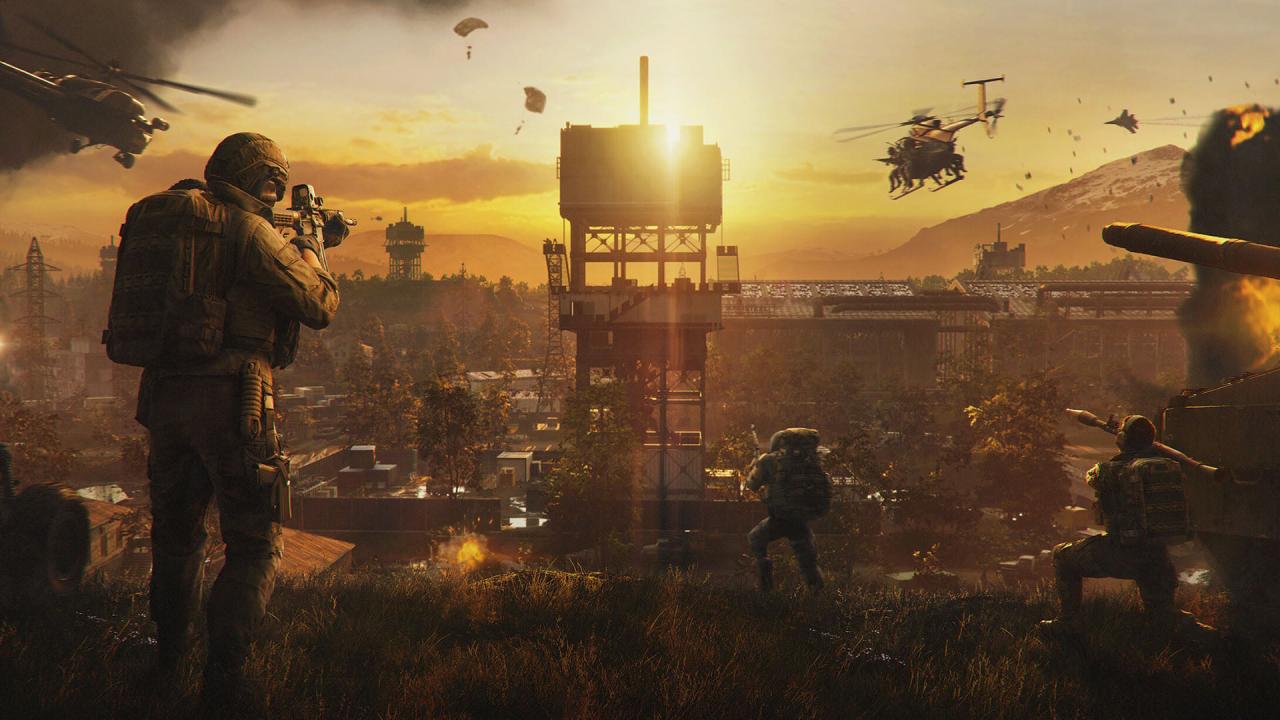
One of the biggest ideas behind WARDOGS is that almost everything you do during a match affects the economy in some way. Vehicles, weapons, ammunition, helicopters, supplies, base construction, and destruction all have value. Even smaller support actions like transporting teammates or helping defend objectives can directly contribute to your earnings during a match.
Every player's decision matters because spending too much money without earning enough back can leave you at a disadvantage later in the match. That system creates constant risk-versus-reward decision-making where even firing expensive weapons can become a financial gamble.
The game is built around 100-player warfare spread across three different teams, but the developers are trying to avoid forcing players into strict classes or roles.
Instead, you build your own play style around the equipment and tactics you prefer using. You can focus on recon sniping, assault combat, piloting helicopters, logistics, or base building, depending on how you want to contribute to the match. Different strategies generate income in different ways, meaning support roles can be just as valuable financially as aggressive frontline combat.
The developers described the game as being built on three major pillars: believable foundations, tactical depth, and player-driven warfare. From the beginning, the studio used real-world military references to shape the game’s overall design and atmosphere. Weapons, vehicles, sound design, and equipment are all meant to feel grounded without turning the game into a full military simulator.
WARDOGS runs on Unreal Engine, but the developers also created a custom framework called War Dynamics that sits atop the engine. This system handles the game’s ballistics, flight mechanics, and several of its simulation features. Bullets react differently depending on caliber, impact angle, air resistance, material penetration, and velocity.
The team reportedly visited shooting ranges during development so the animation and audio departments could better understand how weapons behave in real life. Developers also brought in an aerospace engineer to help design the helicopter flight systems. That extra level of research seems to be shaping much of the game’s realistic approach.
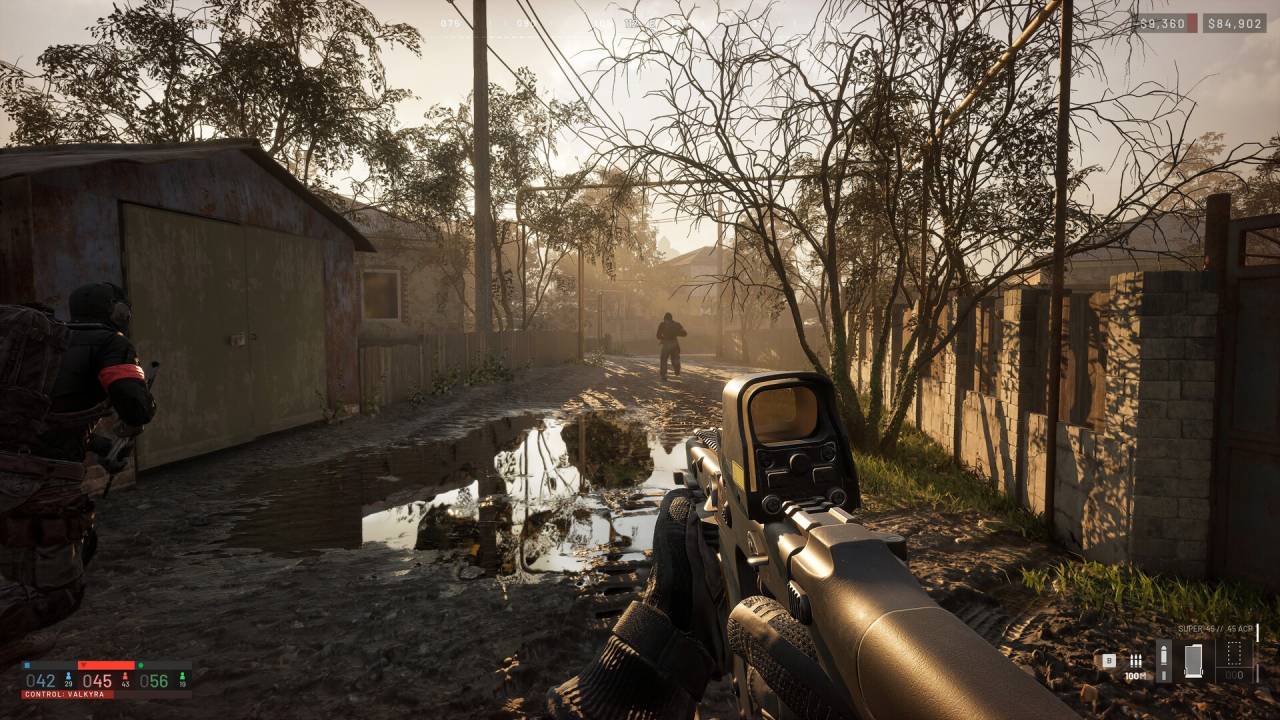
That decision aimed to make aircraft movement feel believable while remaining approachable to players who are not interested in hardcore flight simulation. The game is not aiming to become the most realistic shooter on the market, but it clearly wants realism to support the larger gameplay systems rather than overwhelm them.
Audio design also plays a major role in how players gather information during combat. The game employs directional audio and environmental feedback to convey important information rather than relying heavily on UI elements or constant hit markers. That approach is meant to make firefights feel more immersive.
Footsteps are supposed to help you better identify enemies and teammates, and weapon sounds provide you with information about caliber, suppression, and direction. Incoming gunfire is also designed to sound different depending on the weapon's size and danger level.
The game’s “whizby” system appears to be one of its more detailed audio mechanics. Smaller rounds are meant to sound less threatening than sniper shots or heavy artillery impacts, allowing you to naturally judge the level of danger around you. It adds another layer to the game’s realism.
The developers are also trying to make complex systems easier to understand by simplifying inventory management and ammo selection. Vendors display only compatible ammunition for your weapon, removing unnecessary complexity while keeping loadout decisions meaningful.
Loadout management itself is tied directly into the game’s economy system.
Carrying more equipment increases your weight and slows your movement speed, while expensive gear can either become a massive investment or a huge waste of money, depending on how you use it. An RPG launcher might cost thousands of in-game dollars to operate, but destroying an enemy helicopter full of players could earn you far more in return.
The support actions also generate income, helping to strengthen teamwork across the battlefield. Healing teammates, transporting allies, delivering supplies, and helping defend objectives all contribute to your account balance. That system is designed to make every role feel useful, not just reward high kill counts.
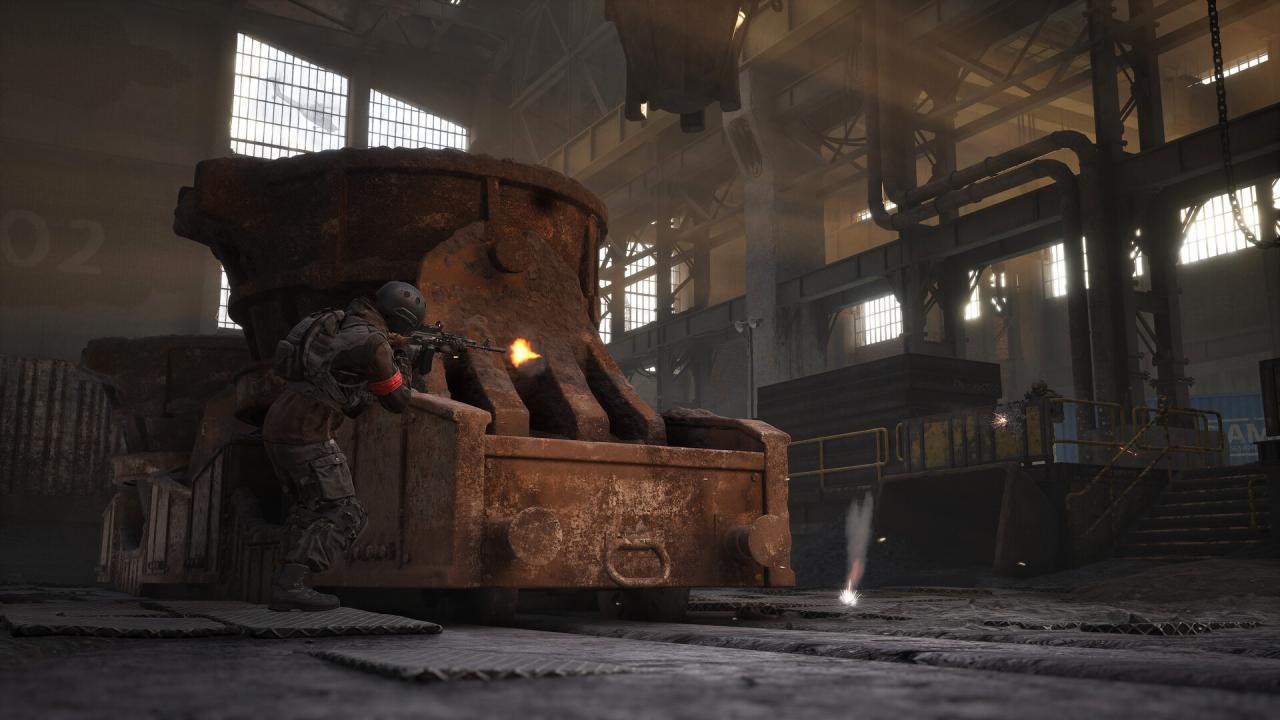
One concern with the game is long-term balance and optimization. The developers have confirmed that players won’t be able to buy in-game currency with real money, which takes away some pay-to-win fears. However, once players begin to figure out the most efficient ways to make money online, balancing the economy itself can become challenging.
As with many multiplayer games, there is always the possibility that players will reduce complex systems to repetitive grinding if certain strategies become too profitable. That could become one of the biggest balancing challenges for the developers over time. It is the kind of issue that often changes how online communities approach progression systems.
Even with those concerns, the variety of play styles shown so far provides WARDOGS a different feel from most current shooters.
Some players will spend entire matches in helicopters ferrying troops; others will be busy defending bases, sniping enemy squads, or pushing objectives inside active combat zones. Some players can even redirect combat zones by capturing towers and completing strategic objectives.
The larger battles appear to be where all of the systems finally come together. Base assaults can involve infantry pushes, tanks, artillery strikes, helicopter attacks, logistics convoys, parachuting reinforcements, and defensive fortifications, all occurring simultaneously. According to the developers, these moments aim to create unpredictable sandbox warfare.
The studio has already started running limited closed alpha tests, although the developers insist the testing phase is focused more on technical stress testing than marketing. Current tests are being used to evaluate server regions, hardware performance, and gameplay mechanics before wider access opens.
WARDOGS is currently targeting an Early Access release in 2026 and appears to be focused mainly on PC for now. If the game manages to strike a balance with its economy systems while maintaining the scale and depth on display so far, it could just turn out to be a standout in a multiplayer market that often feels like it’s drowning in familiar ideas.
Editor, NoobFeed
Related News
No Data.