
2nd EVE Review
PC
Early Access
Dark sci-fi, brutal combat, and a battle nun caught in a nightmare make 2nd EVE one of Early Access’s more surprising standouts.
Reviewed by Maisie Scott on Apr 23, 2026
There’s something particularly intriguing about seeing a small indie team like Gamer Cloud aim directly at a genre as crowded and demanding as Soulslikes. It usually means one of two things: either you get another game chasing familiar formulas, or you get something trying to push those ideas into stranger territory.
2nd EVE lands much closer to the second category. It doesn’t feel interested in simply recreating what bigger games have already done. Instead, it takes recognizable Soulslike foundations and twists them into something much more distinct through cosmic horror, religious imagery, and side-scrolling action.
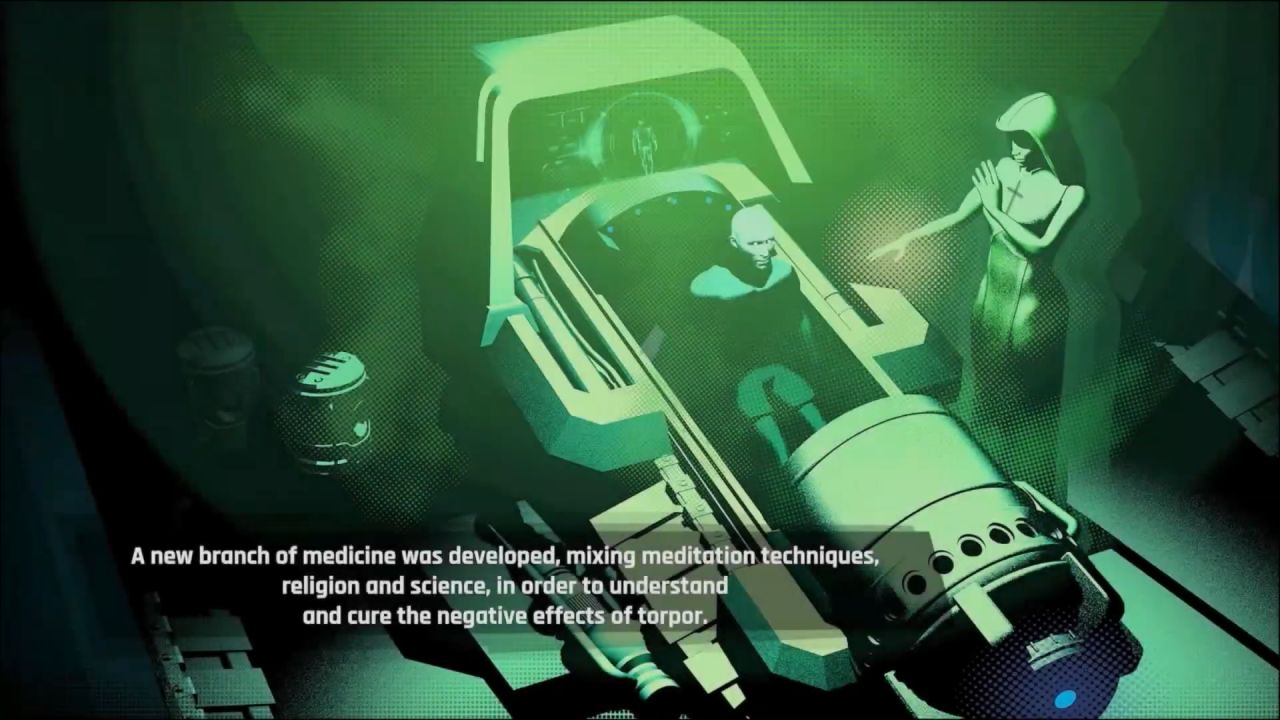
Part of what makes 2nd EVE stand out is that it arises from indie ambition rather than sequel expectations. This is not a game leaning on established franchise familiarity or nostalgia. It feels like a project built around a very specific vision first, mechanics second. That matters because you can feel that vision in almost every part of it, from the setting to the combat rhythms to the unsettling imagery threaded throughout the world. Even in Early Access, that sense of purpose came through clearly.
What makes the game’s emergence interesting is how unusual its pitch sounds on paper.
A side-scrolling Soulslike where you play a battle nun aboard a corrupted colony ship overrun by nightmares should sound chaotic, maybe even overstuffed. Yet 2nd EVE somehow turns those ideas into something coherent. Instead of clashing, those influences feed into a world that feels strange but convincing. You can tell the developers wanted more than another grim action game. They wanted identity, and that effort shows.
The setup immediately pulls you in. Humanity is escaping a dying Earth aboard the massive colony ship Argos when hyperspace travel goes wrong in catastrophic fashion. Reality begins to distort, the crew mutates into horrors, and survival turns into something closer to a pilgrimage through a haunted machine.
You step into that as Sister Zola, a cybernetic battle nun fighting through what feels like a cathedral, drifting through cosmic ruin. It’s a strong premise, and more importantly, 2nd EVE knows how to use it. What keeps the narrative working is atmosphere rather than exposition overload.
You’re not being drowned in lore dumps. Instead, 2nd EVE builds its story through environment, tone, and discovery. Corridors feel dangerous, ruined sections of the ship hint at catastrophe, and the sense that something has gone deeply wrong hangs over nearly every moment.
You move through spaces that feel abandoned yet hostile, which gives exploration narrative weight.
That eerie isolation does a lot for the game. 2nd EVE understands tension. It makes you feel like every new room could hold something terrible, and in a cosmic horror setting, that kind of dread is everything. It also helps the world feel memorable. You aren’t wandering generic sci-fi hallways. You’re moving through a broken colony vessel where faith, technology, and nightmare have collapsed into each other.
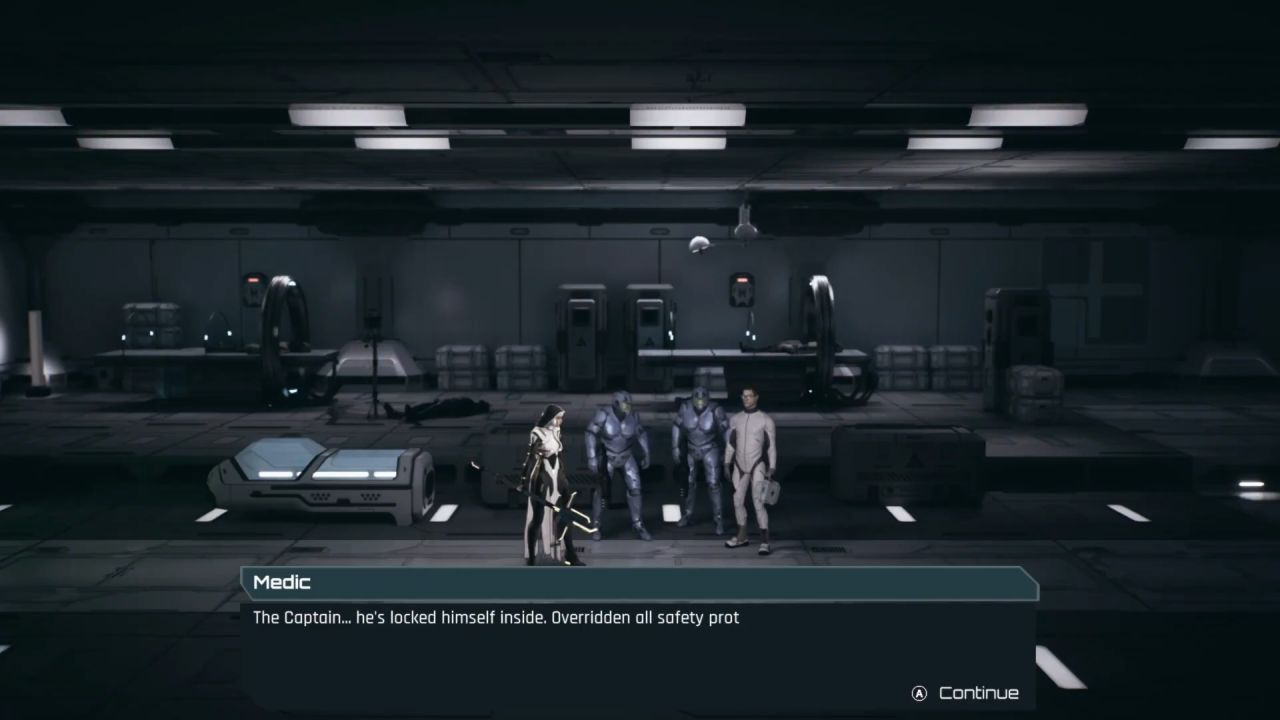
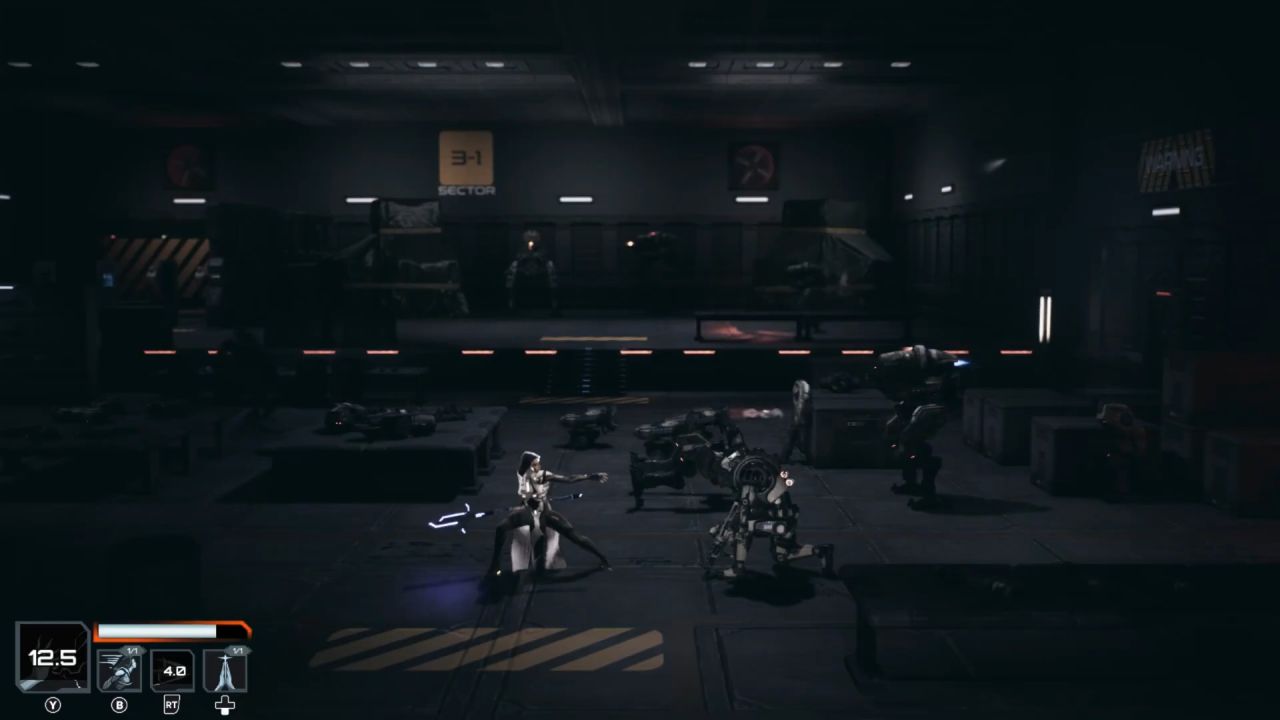
That sense of identity carries straight into gameplay. At its core, 2nd EVE is a proper 2D Soulslike, and it treats combat seriously. Enemies hit hard, mistakes get punished, and sloppy play rarely works. If you rush attacks or panic through encounters, the game reminds you quickly why patience matters. But the challenge doesn’t feel cheap. That’s a huge distinction. Difficulty here tends to come from learning and execution rather than arbitrary punishment.
Combat takes a little time to settle in, but once it clicks, it becomes one of the strongest reasons to stay with 2nd EVE. There’s a satisfying weight behind melee attacks, movement feels deliberate, and special abilities add another layer beyond simple dodge-and-strike loops. It isn’t button-mashing combat. You read enemies, commit to timing, manage positioning, and gradually start feeling more in control.
That shift from struggle to confidence is where the game becomes satisfying.
Enemy patterns play a big role in that rhythm. 2nd EVE rewards observation in a way that good, demanding action games usually do. The more patient you become, the more combat opens up. Victories feel earned because they often come from adapting to the situation rather than relying on raw numbers. That design choice helps fights avoid becoming repetitive. Even routine encounters ask for attention.
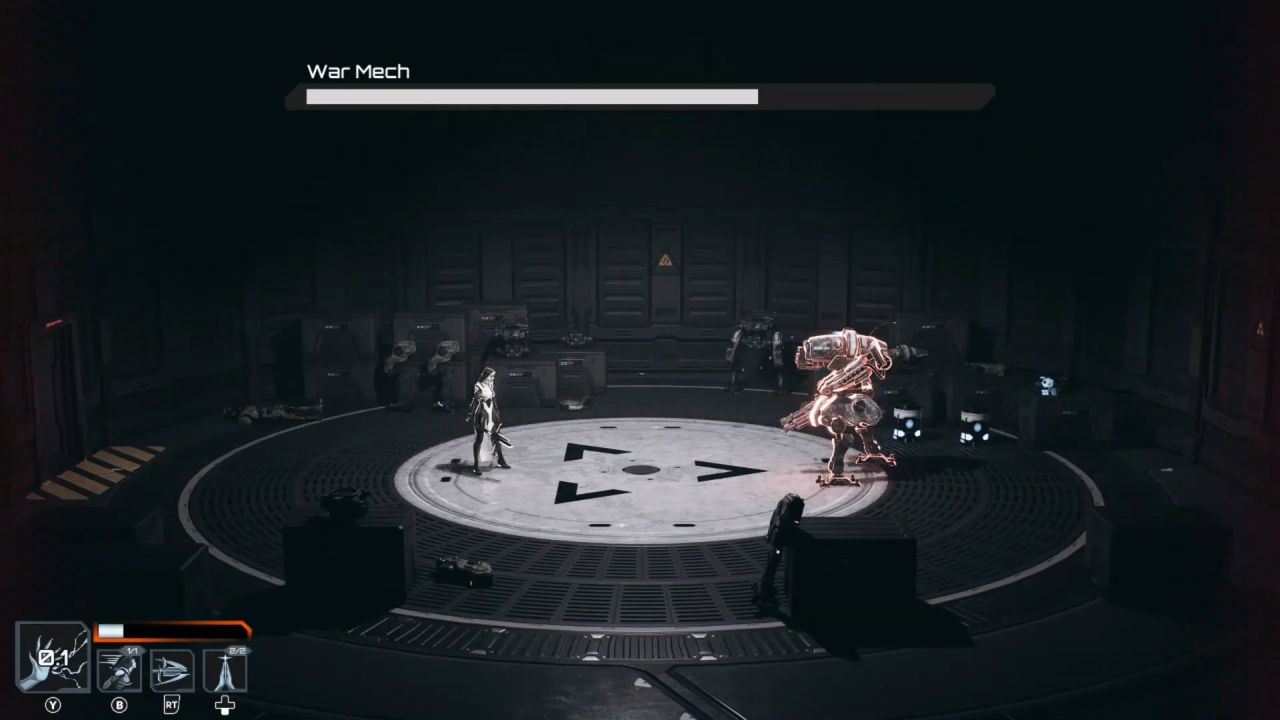
Boss fights especially show the game at its best. One standout mech-like encounter feels like a proper skill test rather than a health sponge. It pushes what the game has taught you without crossing into frustration, and that balance matters. Good Soulslike bosses should feel intimidating but readable, and 2nd EVE largely understands that. Those fights don’t just challenge you; they reinforce progression.
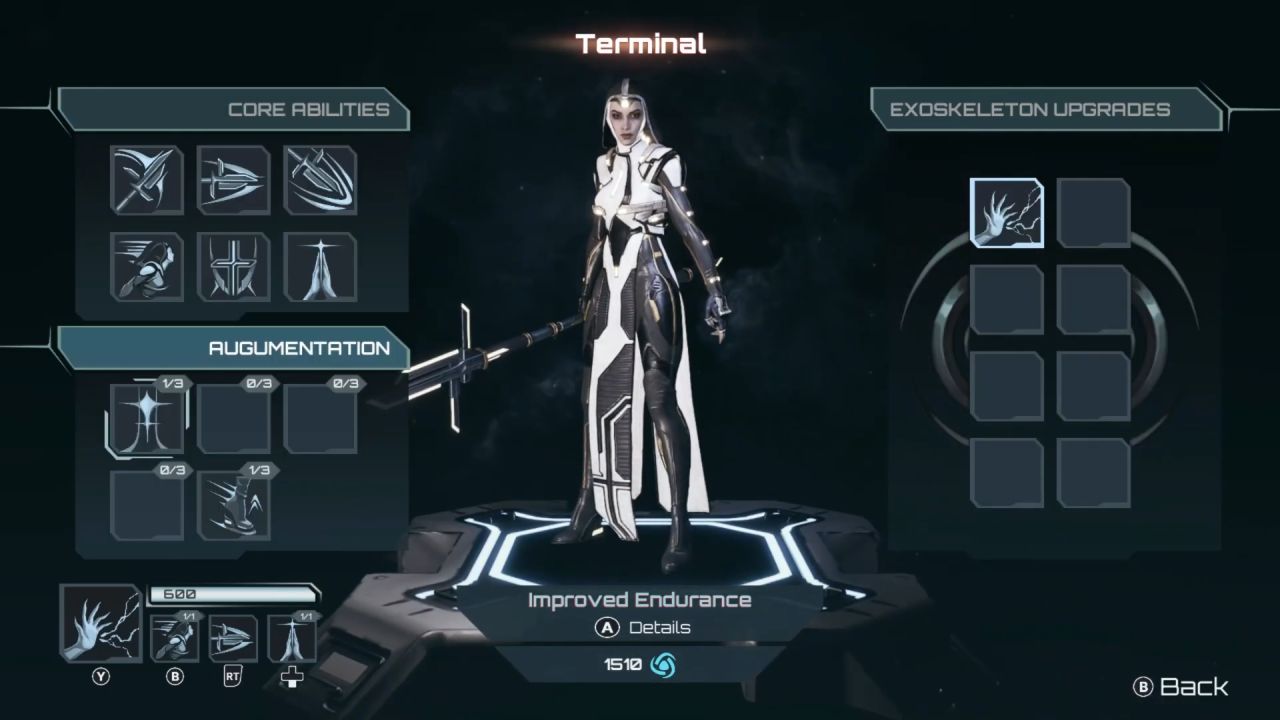
Progression itself is handled through Warp Ash collected from fallen enemies, which you spend at terminals to improve Sister Zola’s skills and perks. It adds RPG layering without drowning the game in systems. That simplicity works. Upgrades feel meaningful, but they don’t overwhelm combat fundamentals.
You still win through learning and execution, not because numbers alone carry you.
That progression loop also supports the challenge nicely. Grinding doesn't feel like the point, but getting better is. As you gain new skills and perks, you believe there are more ways to fight. It influences gameplay without replacing skill. That balance keeps 2nd EVE from falling into the trap some Soulslikes do, where progression either barely matters or matters too much.
Exploration plays a major role in holding all the processes together. 2nd EVE isn’t only about fighting through corridors. Moving through the ship carries its appeal because the world invites curiosity. New zones feel distinct enough to make pushing forward rewarding, and there’s a constant sense of uncovering a place rather than just clearing levels.
World-building is where the strange concept really pays off. Religious symbolism mixed with collapsing sci-fi machinery could have felt messy, but in 2nd EVE, it adds texture to the world. The game’s environments often feel like they’re telling part of the story through architecture and mood.
That makes exploration feel more than mechanical navigation.
Puzzle design isn’t a dominant focus in the traditional sense, but environmental traversal and progression have enough friction to keep exploration engaging. It leans more toward navigation tension and world interaction than dedicated puzzle chambers, which fits the tone. You spend more time surviving and uncovering than stopping for detached logic exercises, and honestly, that feels right for this game.
The world-building also benefits from pacing. 2nd EVE doesn’t rush through its spaces. It lets dread sit. That slower atmospheric approach makes exploration memorable, though some players may want even more variety or expanded environmental interactions later in development. That’s one area where future chapters could deepen what’s already working.
As for strengths and weaknesses, combat mostly works well because it challenges you without being punishing for its own sake. The challenge feels thoughtful. Learning patterns, managing cooldowns, and balancing aggression with patience all work. Where some rough edges show up is in the polish. There were occasional performance hiccups and moments of lag during combat, and in a timing-heavy game, that can matter.
Some cutscenes and voice work could use refinement as well. Certain systems still feel like they’re moving toward their final form. But these issues feel more like Early Access roughness than structural problems. That distinction matters a lot.
The foundation in 2nd EVE feels strong enough that polish improvements could elevate it significantly.
And that may be what makes this game so exciting. Even now, 2nd EVE feels like it knows what it wants to be. A lot of indie Soulslikes can feel like they’re borrowing identity. This one feels like it’s building up to something. That’s harder to do than it sounds.
Visually, the game exceeds what many expect from an indie project. The art direction is one of its biggest achievements. Corrupted ship interiors, unsettling enemy designs, dark religious motifs, and eerie lighting all give 2nd EVE a recognizable style. It doesn’t just look good for an indie. It often just looks good, full stop.
That identity matters because it keeps the game from blending into the crowd. You remember how 2nd EVE looks. You remember the creepy biomechanical horrors. You remember the oppressive corridors. There’s consistency to the visual language, and it helps sell the world completely.
Sound design does a lot of work too. The soundtrack builds tension without overplaying it, while environmental audio reinforces isolation. Combined with pacing, it strengthens that eerie space-horror atmosphere that carries much of the experience.
Even after stepping away, that mood lingers, and that says something.
For Early Access, 2nd EVE already feels surprisingly cohesive. It had rough edges, yes, but it also had confidence. You can feel a clear creative direction behind it, and that often matters more at this stage than sheer polish. It’s easier to refine systems than to invent identity after the fact, and 2nd EVE already has an identity.
That’s really what keeps coming back to me with this game. Personality. Vision. A sense that it wants to be remembered for its ideas rather than comparisons. The battle nun concept could have been a novelty, but here it becomes part of a world that actually supports it. While they could have been mere aesthetic dressing, the cosmic horror elements actually shape the atmosphere and tension. Those things make 2nd EVE feel larger than many indie projects in its space.
As it stands now, 2nd EVE feels comfortably worth watching and, for the right player, worth playing already. For those who enjoy sci-fi horror, methodical combat, and mood-driven world-building, there’s a lot here. Should future updates enhance chapters, improve performance, and refine certain presentation elements, the game could easily reach even greater heights.
Pricing may vary regionally, but at a typical indie premium range, 2nd EVE feels like strong value. Even in its unfinished state, there’s enough substance and identity here to justify the entry point. It doesn’t feel like paying for a promise alone. It feels like paying for something that's already compelling, which could get even better.
Right now, 2nd EVE sits in that rare Early Access space where you can see both what it is and what it might become. In its current state, it feels fair, with clear potential for improvement if the developers deliver on their promises. And that possibility feels believable.
For players looking for another Soulslike clone, 2nd EVE may surprise you because it doesn’t really behave like one. It borrows from the genre but pushes toward something stranger and more personal. That alone makes it worth paying attention to.
Editor, NoobFeed
Verdict
2nd EVE mixes cosmic horror, deliberate combat, and strong art direction into a memorable Early Access package. Rough edges remain, but the identity is real. Absolutely worth playing now, and even more worth watching as it evolves.
67
Related News
No Data.