
Call of Duty: Black Ops 7 Review
PC
Although the Campaign struggles to keep up, Call of Duty: Black Ops 7 is a maximum-impact shooter with co-op twists.
Reviewed by Zahra Morshed on Nov 15, 2025
Call of Duty: Black Ops 7 arrives as the first back‑to‑back Black Ops release, built by Treyarch with Raven and set in 2035, a decade after Black Ops II's near‑future climax. The pitch is bold: a co-op campaign that leads to a persistent endgame, unified development across modes, and a movement model that builds on what was built last year.
It came out on November 14, 2025, for PC and consoles. This shows that Activision is confident in a maximalist formula that combines game beats with live-service cadence. Ambition frames every choice the studio made, for better and for worse.
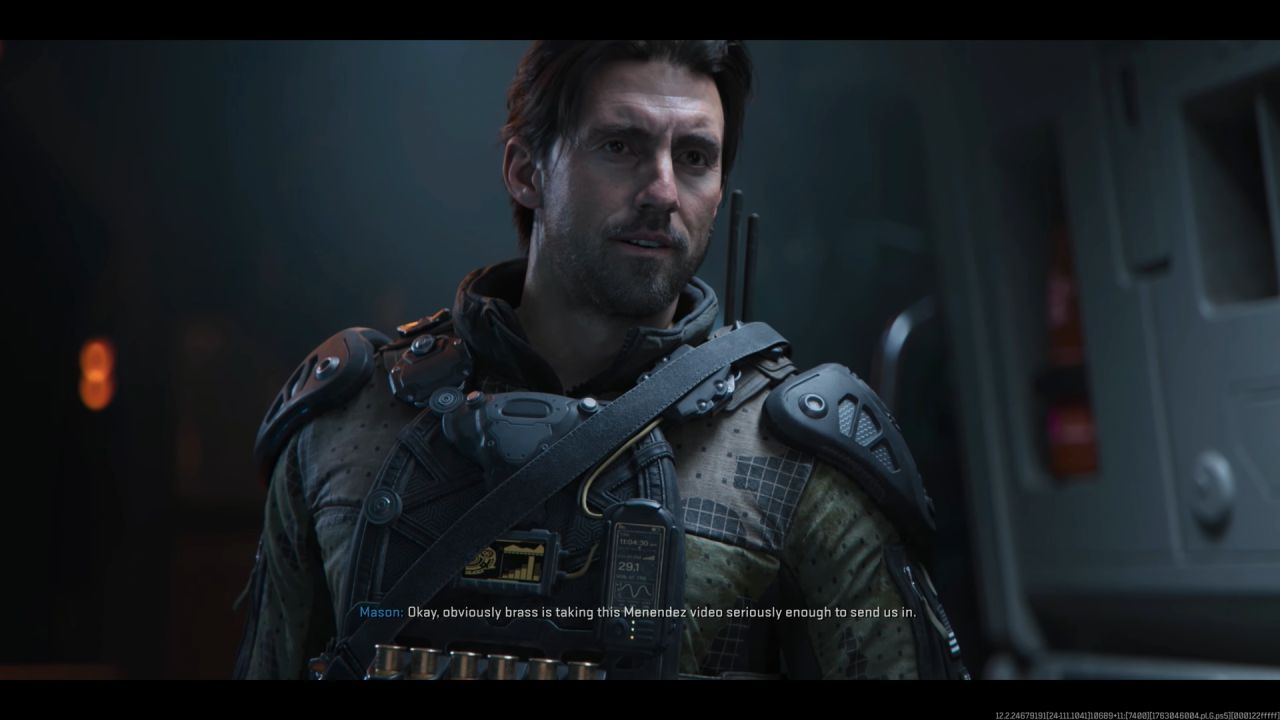
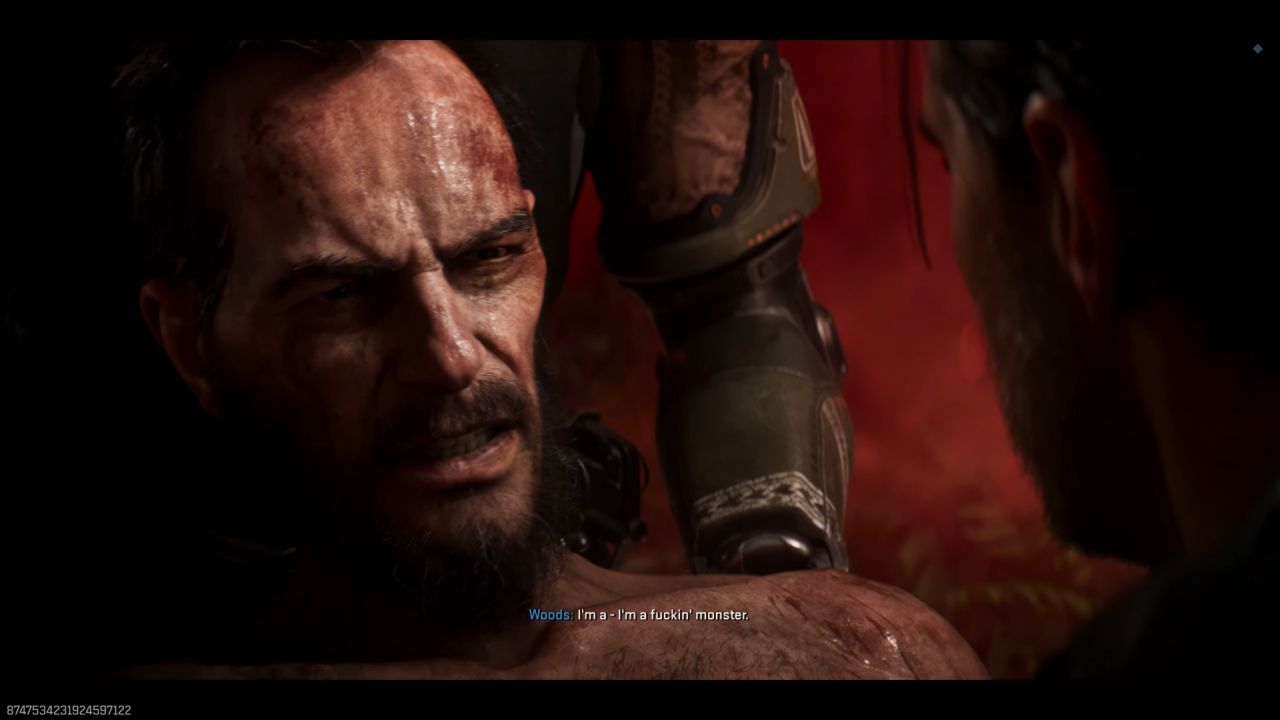
The star power is deliberate, too, and it shows the scale of the gamble Call of Duty: Black Ops 7 takes on narrative presence. Milo Ventimiglia steps into David Mason's boots, with Kiernan Shipka cast as enigmatic tech mogul Emma Kagan and Michael Rooker returning as Mike Harper.
Their battlefield is an information‑war world shaped by The Guild, a corporate security empire that claims to be humanity's last firewall. The setup is clean, the stakes are clear, and the pieces are in place for a modern conspiracy thriller.
Story beats in Call of Duty: Black Ops 7 pinball between Specter One's field ops and corporate myth‑making, with Menendez's specter resurfacing just as The Guild extends its protection.
The fictional city of Avalon anchors operations, while a psychochemical agent called Cradle splinters reality into hallucinations and shared nightmare logic. That device justifies sudden shifts from stealth to spectacle and from grounded firefights to fever‑dream boss arenas. The premise works, even when the tone veers from razor‑edged to outlandish. Yet the dramaturgy can feel hollow in Black Ops 7 because of decisions around structure rather than lore.
Reviewers and players alike note a co‑op priority that leaves solo runs oddly lonely, an always‑online requirement that removes pausing, and a campaign fixed at 11 missions before routing you into Endgame. The absence of civilians and neutral spaces heightens the wave‑based feeling, trimming humanity from the margins of firefights. The net effect is momentum without much mood, velocity without context.
Minute to minute, Black Ops 7 is classic Call of Duty gunplay wrapped in new traversal and a campaign that tees up a post‑credits sandbox. Omni movement returns with a wall‑jump that trades the jet‑age swagger of Black Ops 3 for grounded agility; on maps like Imprint, vertical flanks become practical rather than flashy.
The campaign mixes tight corridors with larger arenas, layering gadgets and brief stealth interludes on top of the reliable sprint‑slide‑shoot loop. What you do is familiar, but the connective tissue between modes is new.
The handoff is the point in Call of Duty: Black Ops 7, and Endgame is the funnel where the campaign's mechanics fully bloom. You and up to 31 others drop into Avalon, tackle contracts, level your operator, and exfil to keep your kit, with failure resetting hard‑won gains.
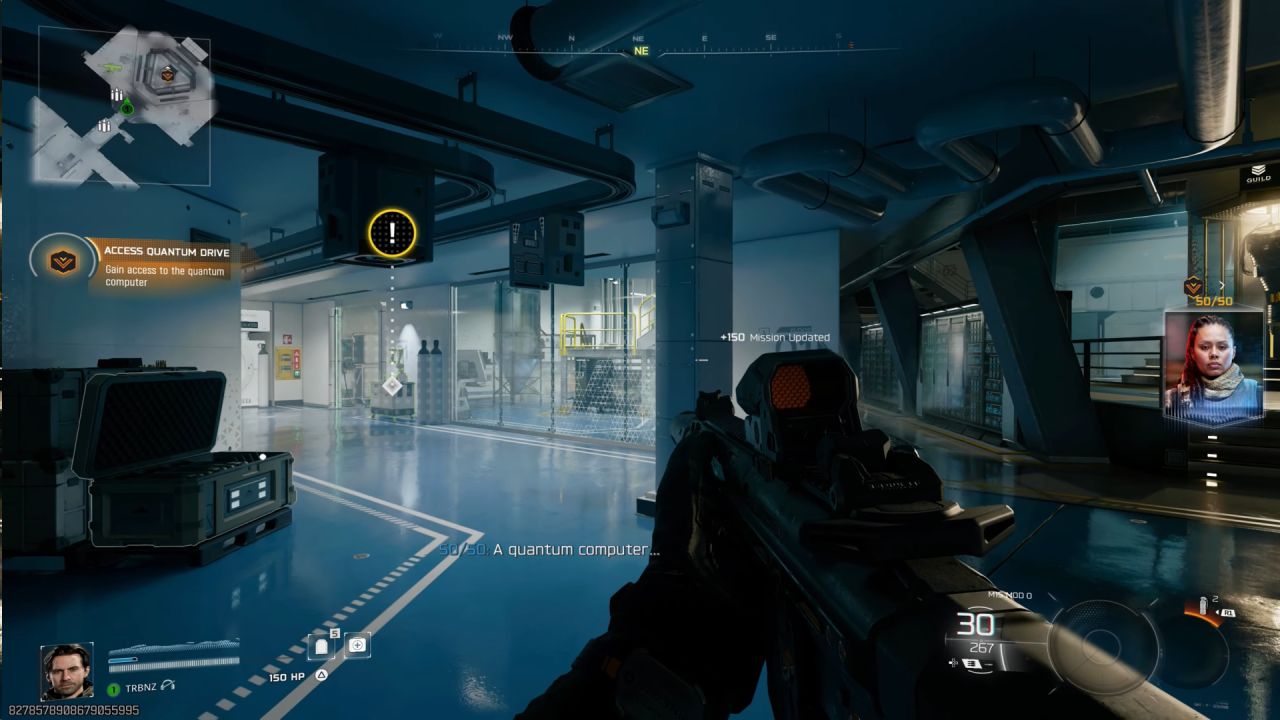
Zones scale by difficulty, rewarding preparation and teamwork while turning traversal and positioning into survival tools. Unified progression stitches this to multiplayer and Zombies, so your time always moves a bar forward.
There are no puzzles in the traditional sense, so Black Ops 7 treats combat rhythm as the problem to solve. Cradle's hallucinations act like switches, recoding arenas with monsters and distortions that change your reads on distance and threat. Utility choices matter, from grapples that reframe a lane to shield bubbles that buy reload windows against swarms.
When the game slows down for stealth or a curated set piece, attention becomes the resource, and the solution is restraint.
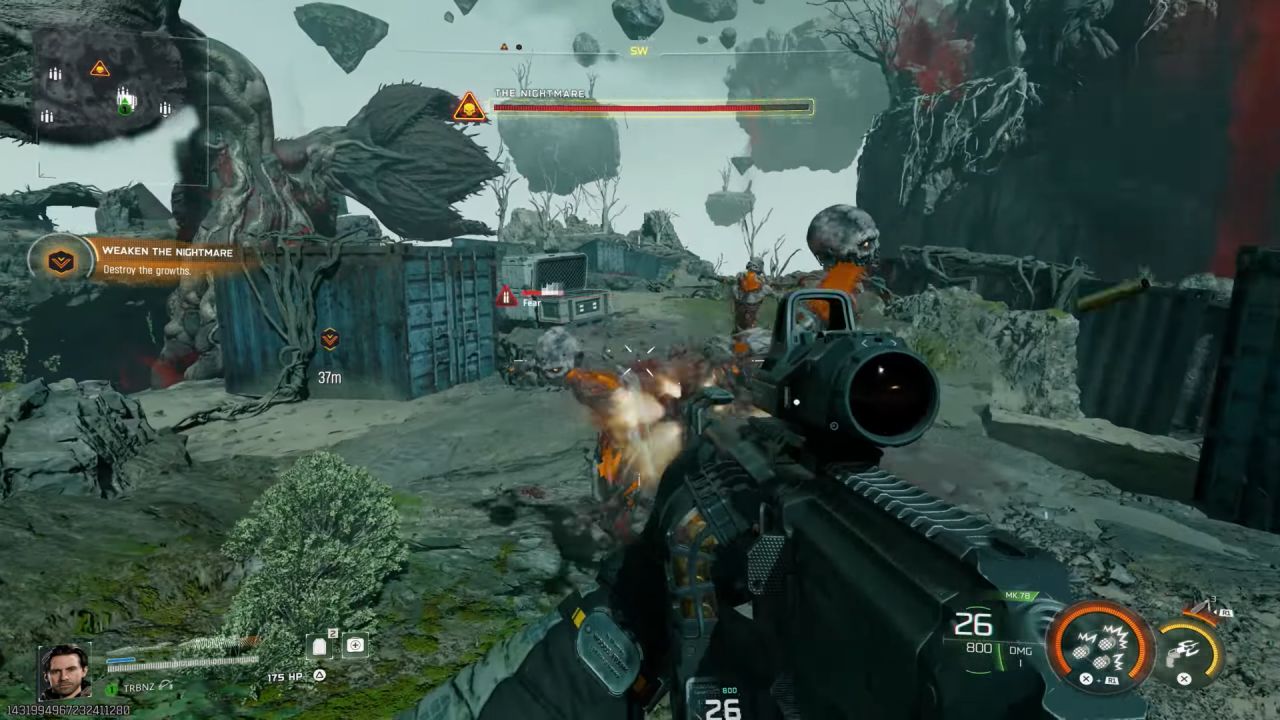
The other axis is boss fights in Black Ops 7, which use dream reasoning to explain away overly complicated mechanics. A scary monster with a tree-like head called The Nightmare tests your ability to set priorities and move quickly, while mutated friends make you control crowds and deal with dangers. These fights are fun to read about and usually rewarding, but the difficulty can feel easier than veterans are used to. Even if the meaning behind the show is more noise than signal, the performance still works.
When Call of Duty: Black Ops 7 leans into mobility and tool expression, encounters sing because options invite improvisation. Gunfeel remains industry‑grade, and the wall‑jump creates fresh angles without breaking clarity or time‑to‑kill expectations.
On the other hand, the lack of AI squadmates and online‑only campaign design erodes immersion for solo players, and the removal of difficulty settings flattens mastery arcs. Without human texture in levels, even slick firefights blur into a gorgeous, relentless hum.
Progression is the invisible spine in Call of Duty: Black Ops 7, and it genuinely reshapes play. The campaign quietly introduces weapon rarities, upgrade stations, and selectable abilities, then Endgame formalizes the loop with risk‑reward exfils, tiered zones, and character power levels.
Shared progression means your hours anywhere count everywhere, which lowers the friction to sample different modes and nudges even campaign‑first players toward the sandbox. The design respects time, but it also expects you to chase gear to see the suite at its best.
The art direction in Call of Duty: Black Ops 7 favors legibility and kinetic staging over avant‑garde flourish. Alaska's Imprint compresses sightlines into tussles over a moving point, while Tokyo‑inspired lanes and an offshore rig map funnel motion into balcony fights and exposed crossings.
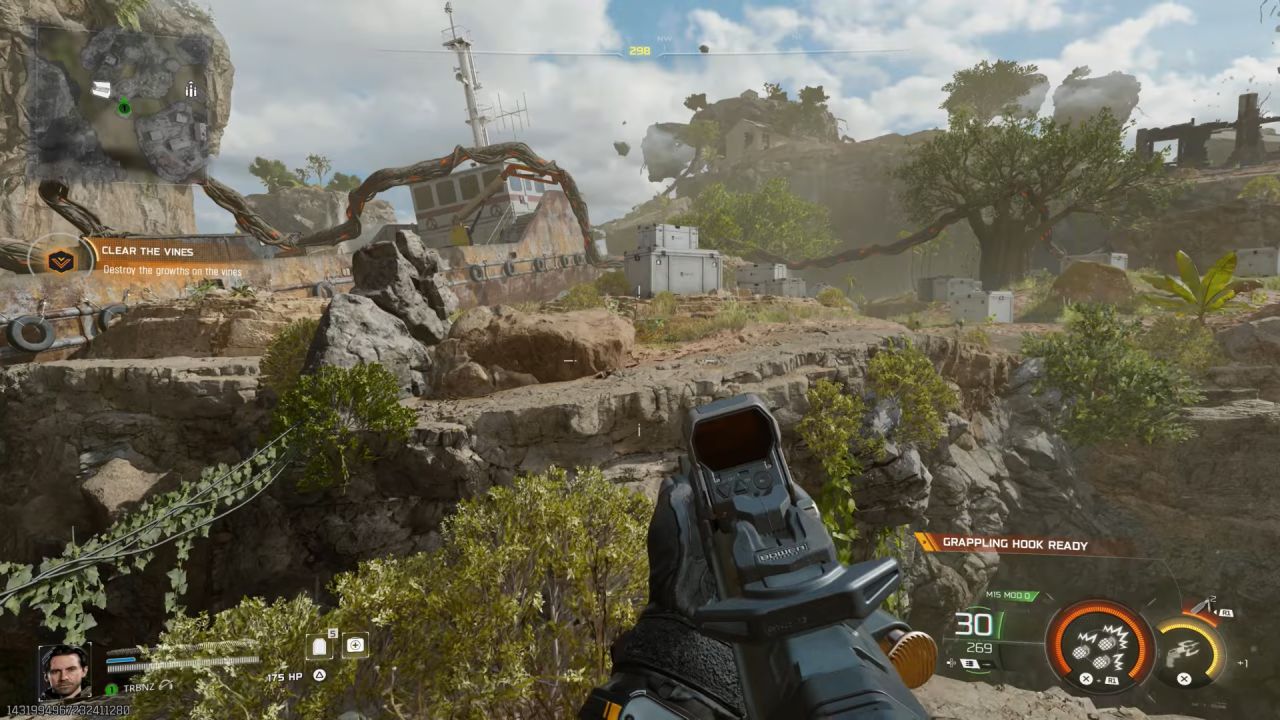
Visuals complement the new movement language, giving wall‑jumpers vertical invitations without turning arenas into parkour mazes. It is sharp, readable, and tuned for flow, which is exactly what the gunplay demands.
Audio carries character in Call of Duty: Black Ops 7, and it does heavy lifting across the campaign and Zombies.
Jack Wall's score keeps the pulse cinematic without drowning combat feedback, while Foley makes robots and flesh‑and‑blood targets distinct under pressure. The performances land, from Ventimiglia's steady lead to Shipka's cool ambiguity and Rooker's gravelly brio, bringing needed texture to scenes that sometimes rush. It is a mix you feel as much as hear, and it sells the fantasy with polish.
This ensures that the campaign remains engaging and replayable, though players will experience the culmination of the plot more dramatically when playing in a team.
The Zombies mode, a staple of Black Ops, returns in Black Ops 7 with Ashes of the Damned, the largest Round-Based map in the series' history.
On this map, players can use a new way to move through different zones with their Wonder Vehicles to explore large, new areas. Survival Maps are also back, bringing back the classic Zombies gameplay. Cursed Mode, on the other hand, is a tough new task for experienced players.
For added complexity, Directed Mode will debut in the first season, offering more dynamic, unpredictable gameplay. Zombies fans will appreciate these updates, though the main quest won't be accessible until the season begins.
Multiplayer in Black Ops 7 hits a historical high, launching with an impressive 16 new and returning 6v6 maps.
The campaign in Call of Duty: Black Ops 7 adds a new co-op mode where players can work together to complete tasks, either by themselves or with up to four other people. This game has 12 missions that are all connected to each other, which is the first time in the series that this has happened. This lets you move across all modes.
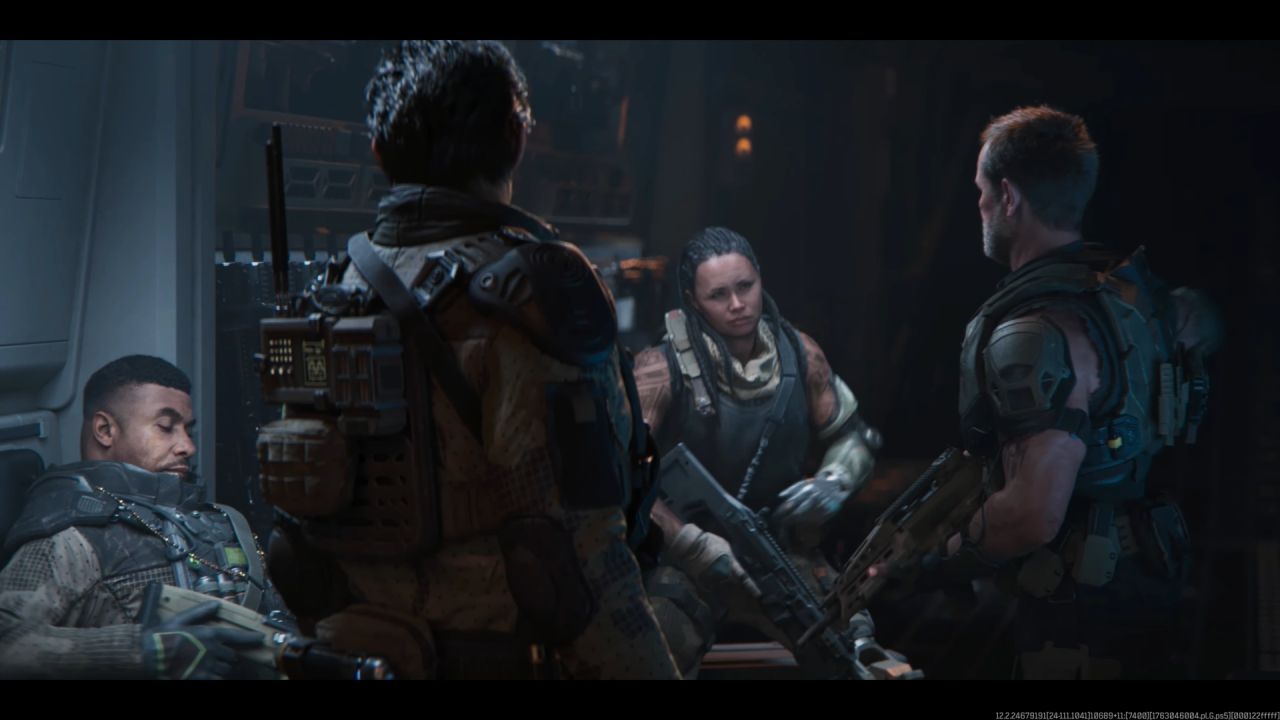
The story hits its peak with the Endgame mission, which is the big finale and a test of all the skills you've learned. During the task, you can use your own unique powers to face new challenges. You can use what you've learned in the story in a huge, open world.
This keeps the game interesting and makes it possible to play it again and again, though the story's climax will be more dramatic when played with a team.
This game's Zombies mode is back in Black Ops 7 with Ashes of the Damned, the biggest Round-Based map in the series' history. On this map, players can use a new way to move through different zones with their Wonder Vehicles to explore large, new areas.
Survival Maps are also back, bringing back the classic Zombies gameplay. Cursed Mode, on the other hand, is a tough new task for experienced players. For more challenge, Directed Mode will be added in the first season, making the game more fluid and surprising. Fans of Zombies will like these changes, but the main quest won't be available until the season starts.
Black Ops 7's multiplayer is the best it's ever been, with 16 new and returning 6v6 maps when it comes out. Detail-rich arenas like the Tokyo-inspired shopping district and a deep-sea rig stand out. Both are made with tight choke points and vertical features to improve the tactical depth.
It's even more exciting that Nuketown 2025 is coming back during the summer. Players can enjoy intense 12-player battles, where new features like wall jumping make the battles more fun and push players to move around more quickly. The bigger Skirmish Maps make the battles even bigger, giving players more options for strategy and variety.
Dead Ops Arcade 4 is a great addition to Black Ops for people who want a break from the normal war zones. This twin-stick, top-down shooter has a lot of intense fights across many levels with hordes of enemies.
It has both old-school arcade-style gameplay and newer upgrades, like mini-games between stages that are based on different types of games, like racing games and horizontal scrolling shoot-em-ups. This addition gives players a fast-paced, nostalgic experience that is a nice break from the more intense story and multiplayer modes.
Along with other changes, this makes Call of Duty: Black Ops 7 one of the most full-featured games in the series. The story mode is intense, and there are endless waves of zombies to fight.
The multiplayer areas are tight, and there's something for everyone. I think the game will be fun for a long time. The Endgame mode, seasonal content, and strong growth system that goes beyond the story make it possible to play it over and over again.
For those looking for a break from the usual warzones, Dead Ops Arcade 4 is a delightful addition to the Black Ops experience.
This top-down, twin-stick shooter features a series of intense, multi-level battles against hordes of enemies. It has both old-school arcade-style gameplay and newer upgrades, like mini-games between stages that are based on different types of games, like racing games and horizontal scrolling shoot-em-ups. This addition gives players a fast-paced, nostalgic experience that is a nice break from the more intense story and multiplayer modes.
Along with other changes, this makes Call of Duty: Black Ops 7 one of the most full-featured games in the series. The story mode is intense, and there are endless waves of zombies to fight. The multiplayer areas are tight, and there's something for everyone.
The game promises hours of entertainment, especially with the added replayability provided by the evolving Endgame mode, seasonal content, and robust progression system that extends well beyond the campaign.
There is a version of Call of Duty: Black Ops 7 that would have been great if the campaign curation matched the tech and talent. As shipped, the co‑op‑first structure and online requirement undermine intimacy, even as boss design and movement shine.
Endgame is a smart bridge, though, turning a one‑and‑done story into a shared space where hard lessons from the campaign pay dividends. The package is cohesive on paper, even if the heart sometimes beats off-rhythm.
What tips this toward a recommendation is breadth, because Call of Duty: Black Ops 7 rarely leaves you without something worthwhile to do. Zombies returns with fresh twists, Dead Ops Arcade 4 delivers a gleeful top‑down palate cleanser, and multiplayer maps showcase the new traversal well.
Value matters, and there is a lot of game here, even if the campaign as a filmic artifact takes a step back. The best moments feel big, loud, and clean, and they will keep many squads busy for months.
Contributor, NoobFeed
Verdict
A lavish, fast, and uneven shooter whose standout movement and breadth impress, but whose online‑only, co‑op‑first campaign keeps it from greatness. Fans get value; purists will miss curation.
87
Related News
No Data.