
Cooking Simulator 2: Better Together Review
PC
A co-op kitchen dream that's not quite ready to serve.
Reviewed by Nusrat Choity on Apr 04, 2026
Big Cheese Studio made a name for itself in a very specific way when it first launched Cooking Simulator. It wasn't polished in the usual sense, but it was messy, unexpected, and often funny. A lot of things could go wrong while cooking, even easy things. That was part of the fun. It wasn't enough to just follow the directions; you had to deal with things going wrong and put together a dish at the last minute.
Of course, Cooking Simulator 2: Better Together tries to take that idea to a new level. The attention shifts to working together, having a plan, and being easy to get to. No longer is it enough to just get by in a kitchen by yourself; now you have to share that space, divide up the work, and keep things running as a team.
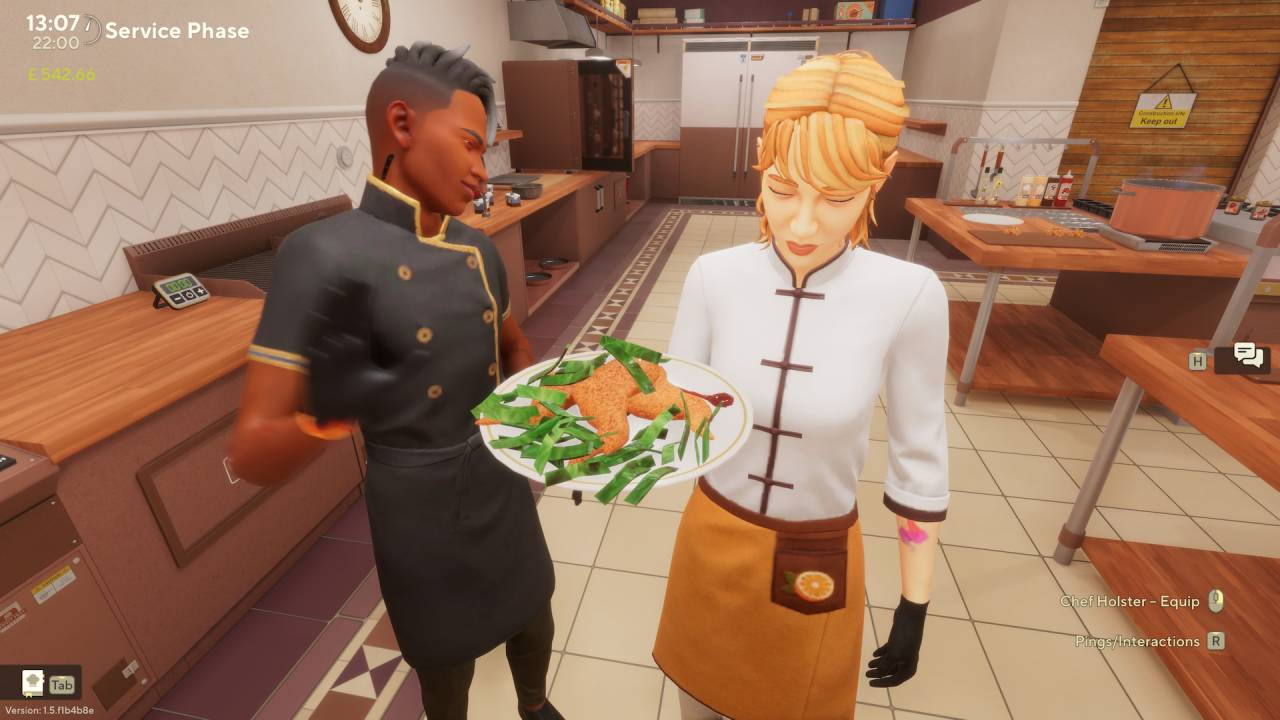
In that way, it makes sense to follow up, especially if the goal is to run a restaurant rather than just playing in a sandbox. But that change changes the mood of the experience in ways that aren't always simple to push aside. The first game had a lot of raw, wild energy that had been turned down and replaced with something more controlled.
Depending on what is being looked for, that could feel like growth or a step away from what made the first show great. Early on, it's clear that the game wants to be easy to get into without losing any of its depth. There are efforts to make the processes easier to understand and to eliminate any rough spots. You will also have more freedom in how they cook. This balance doesn't always hold, which is a problem.
It sometimes feels like a well-thought-out remake. Sometimes it feels like too much has been taken away from important parts of the experience.
Also, it seems like the game is still getting used to itself. All of the parts are there for something really interesting, but they don't always fit together well. The longer you spend in the kitchen, the more obvious that is.
It's not a typical story that moves things along, but that's not really a problem here. The only things that matter are running a business, making a menu, and getting better over time. The development itself is the story, instead of a story with characters and cutscenes.
Every day starts with getting ready, then moves on to work, and ends with a review of how well things went. Customers have different standards, and while they aren't fully formed, they give the restaurant just the right amount of life to make it feel lively. Some trends start to emerge, like which groups tend to choose certain dishes. This adds a subtle layer of rhythm to the experience.
When you get new things, recipes, and kitchen upgrades, the game feels like it's getting better. You still feel like you're making progress over time, even though the story isn't typical. The only thing that shapes your journey is the game itself.
The core loop is all about running a kitchen during the steps of preparation and service. Because time is always moving, you need to think quickly. Before the doors open, there isn't much time to set out the food, make the menu, and get ready for the crowd. When people come in, things move faster.
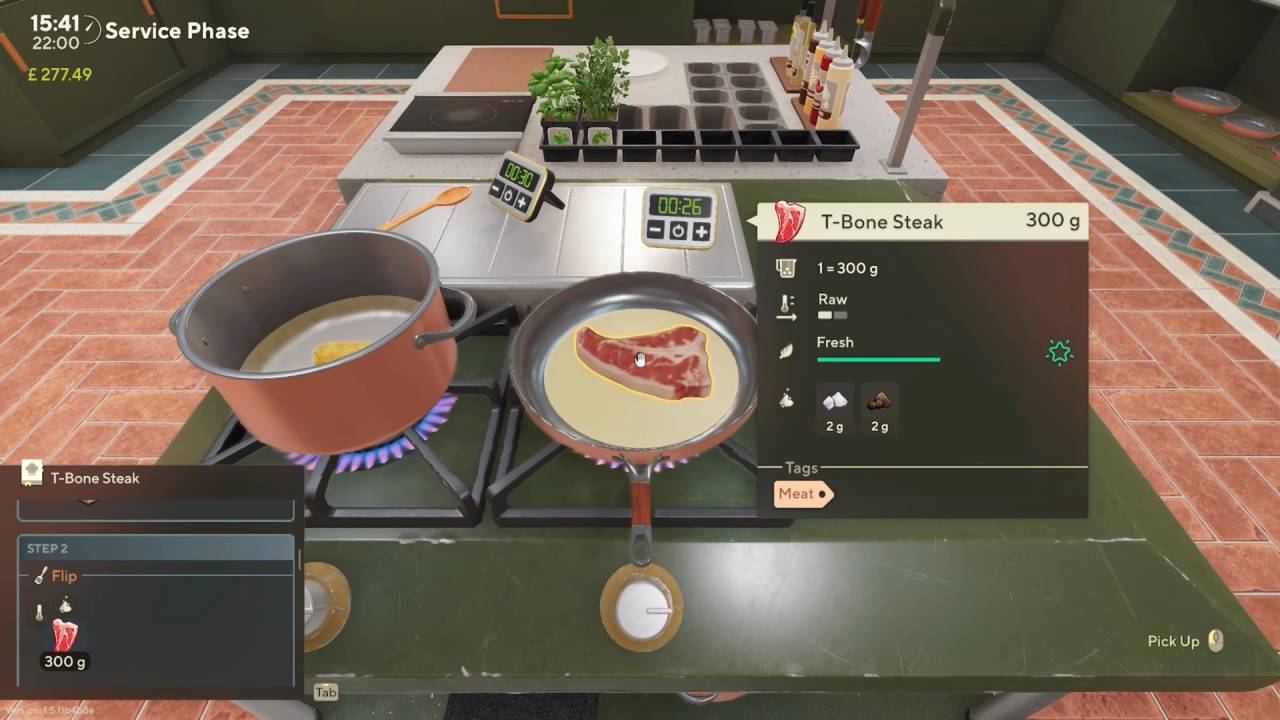
People place orders, recipes need to be followed, and time is very important. There is a lot of back-and-forth between cooking, plating, and serving, and if you look away for even a second, things can go badly. When you play with others, you can split the work and make it easier to handle.
Someone is in charge of getting things ready, someone else is cooking, and someone else is keeping track of the orders.
What works well is that the method is easy to change. You can follow recipes exactly, but you can also try new things. Notably, one of the best benefits is the ability to make your own dishes. You can be very creative with it, whether you're making something complicated or just a simple plate to get you through the day.
Keeping track of inventory adds another layer. Ingredients don't just show up; they have to be bought, and sometimes quickly. If you run out of something during service, it can throw everything off and force you to make quick changes. It keeps things from being obvious without feeling forced.
The game features a structured story mode and a more open sandbox mode. The campaign gives you goals and ways to grow, while the sandbox lets you try anything you want. Both modes are useful in some situations, but neither feels fully polished.
Instead of fighting, the challenge is following recipes properly and keeping track of time while under a lot of stress. For each dish, a series of steps must be performed in a specific order. Even though it sounds easy, it quickly becomes more complicated, especially as more products and methods are added.
Some jobs are easier than they were in the first game, which stands out.
Some tasks, like cutting, are no longer done solely by hand. Instead of carefully and precisely slicing the ingredients, a cutting style is chosen and carried out by inputs that lead the machine. It speeds up the process and reduces some of the stress of doing everything by hand.
Still, you need to pay attention to the cooking itself. Seasoning and timing are important, and even small mistakes can change the result. Adding an interesting twist is the flavor system. Sharpness, umami, and saltiness are among the tastes that different foods can impart. It can be hard to find the right mix between these things, especially when you're trying new foods.
You need to finish jobs and get reputation points to move forward.
These help you get new meals and items, which slowly raise the number of things you can make. When the method works, it's fun, but it doesn't always help new players the right way. At first, it's easy to feel stressed because even simple recipes can have many steps that aren't clearly explained.
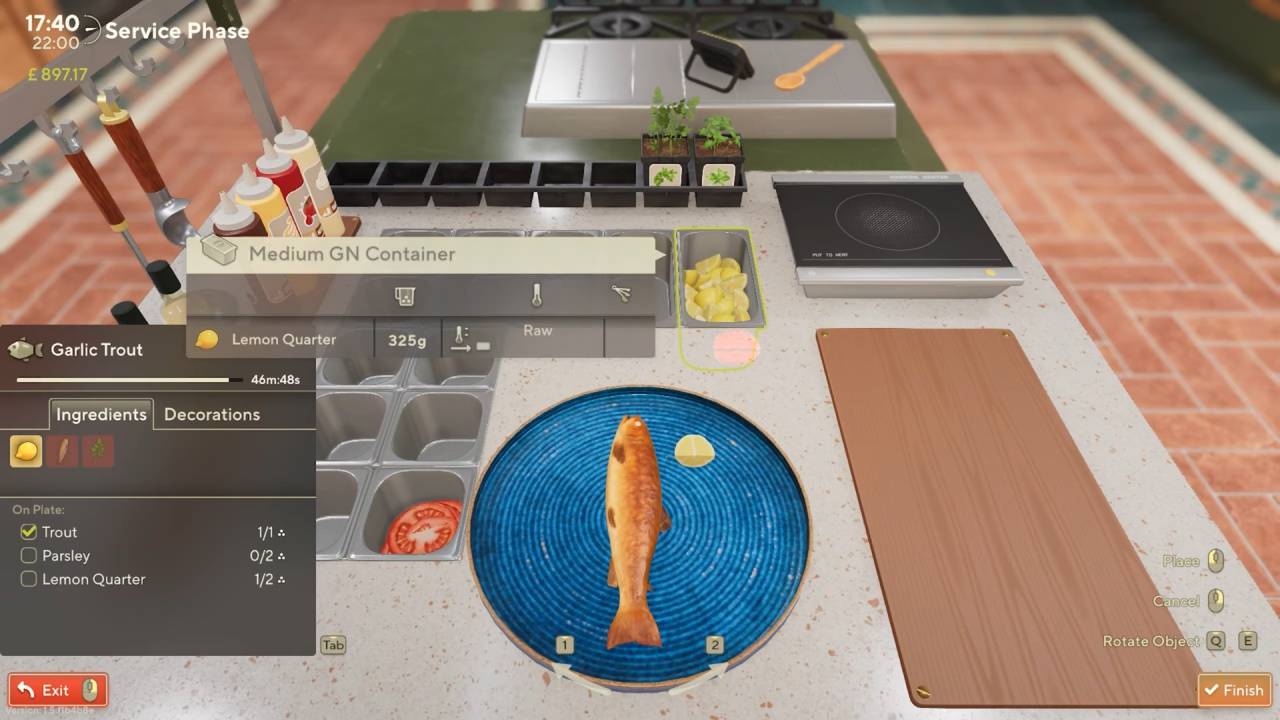
There is also a deeper problem: it's not always clear whether something is wrong or whether the game isn't working the way it should. That doubt can replace the satisfaction of learning the processes, which can be less fun.
It is easier to understand and find things in the visual format. Everything feels cleaner and more modern, and the kitchens look better. Ingredients are easy to identify, and dishes look appealing once they're plated.
However, the visuals don't always make the exchange smooth. There are times when putting things down feels a little awkward, and sometimes it's not possible to be as specific as needed. Even though it's not a big deal, it is noticeable when things are busy.
There are also technology problems every once in a while. Glitches, things that act in strange ways, and performance that changes all the time can break immersion. These don't happen all the time, but they do enough to be noticeable, especially in a game where speed and accuracy are important.
It works for this type of game that the sound design stays in the background. Sounds from the kitchen, like chopping, frying, and general movement, make the scene seem real without being too distracting.
There is music, but it's not loud. It doesn't demand your attention, which helps you stay focused, but also means there aren't many times that stand out. Anything that does its job but doesn't stick out isn't memorable.
Overall, the sound design adds to the experience without improving it. That's all there is to it: it works.
Cooking Simulator 2: Better Together is a great game in many ways. There are strong systems in place that promote creativity and teamwork. There is a pleasing rhythm to running a kitchen, especially with friends, when everything is going as planned. It can be really satisfying to split up jobs, talk to people when you're under a lot of stress, and run a busy service.
But there's also no way around the problems. It's harder to get into that rhythm when there are technical issues, unclear lessons, and parts of the game that feel unfinished. Suddenly, the experience can go from fun to annoying very quickly, and it's not always clear why.
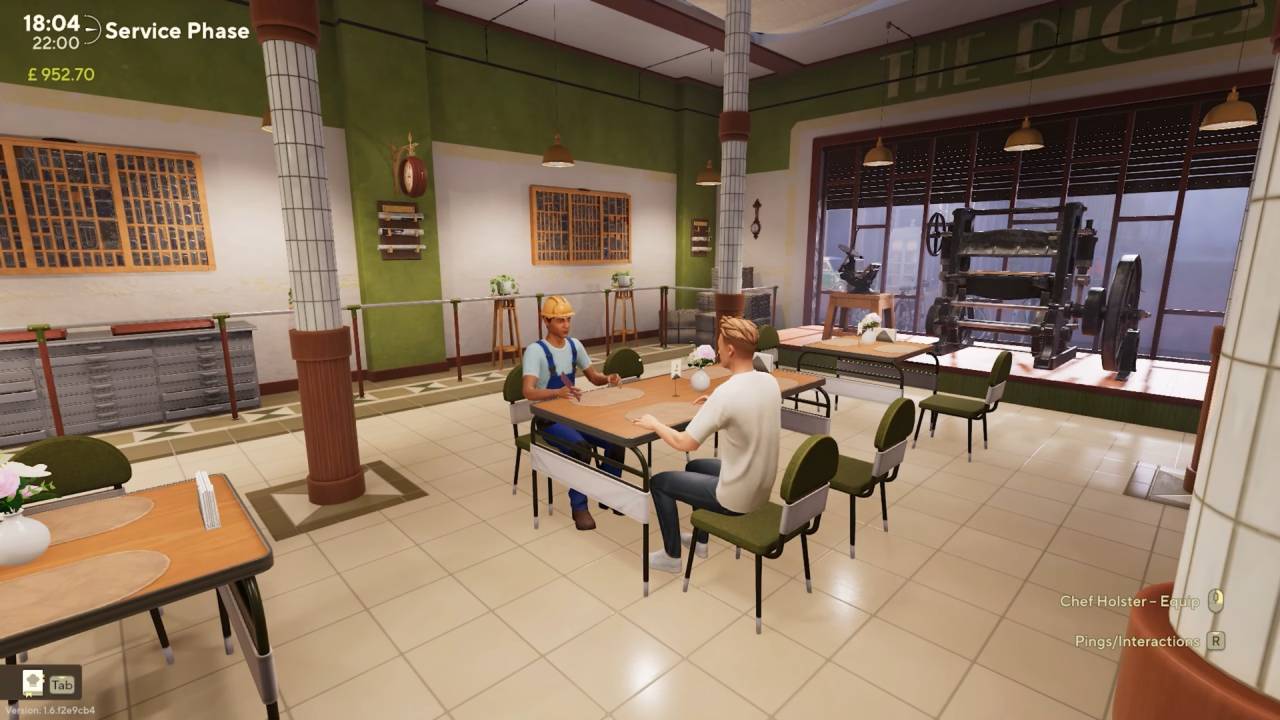
It makes sense to move toward a more organized and easy-to-use design, but some of the randomness that made the first one stand out has to go. What I'm going through now is different—less wild and more under control. That won't be fun for everyone, especially people who liked how free the first game was.
When you play with other people, the game really shines. It's at its best when played with other people. The kitchen comes to life, the stress is shared, and it's easier to look past even the rough spots. On the other hand, playing by yourself reveals more flaws, especially in the game's speed and interest. It's clear what this game could be if it were better.
There are already systems in place, and the ideas are good. What is missing is steadiness. It could become much better than what it is now if it gets the right updates and fixes. It's in a space between right now. It's not broken, but it's not quite ready either. If you're patient and ready to work around its flaws, you can have fun with it, especially in the right setting.
Contributor, NoobFeed
Verdict
Cooking Simulator 2: Better Together is a creative co-op cooking sim with great ideas and fun teamwork, but bugs and an uneven design keep it from being great. It's best when you do it with friends, but it needs more time to reach its full potential.
65
Related News
No Data.