
Crisol: Theater of Idols Review
PC
When survival horror, faith, and guns that run through your veins meet in royal Spain.
Reviewed by M. Hasan on Feb 11, 2026
What goes wrong when a small Spanish company combines horror, religion, and blood rituals into one scary drink? The answer is Crisol: Theater of Idols. Vermila Studios is a group of about twenty Spanish developers who worked on this game. It's their first game, and it has a scary, traditional feel. In recent weeks, the game has gotten a lot of attention, mostly because of its unique feature: using blood as ammo.
It's also like BioShock and Resident Evil 4, and the mood is filled with visuals and ideas from Spanish Baroque literature. It's clear right away that Crisol isn't just interested in scares when it starts with lines from La vida es sueño by Pedro Calderón de la Barca. It wants to argue about faith, fate, sin, and forgiveness, all while scary things are lurking in the dark.
This swing is pretty big for a first project. What's more, it hits more often than it misses.
There is a dream, a curse, and a divine deal in this story. Crisol takes place on the cursed island of Tormentosa, which is a twisted version of Spain in the early 1900s. There is a lot of religion, storms happen often, and tall churches watch over crumbling streets like silent judges. The player takes on the role of Gabriel, a soldier who wakes up in this nightmare world with no clear reason for being there.
It is said that the Sun, heavenly missions, and a "Destructor" rising above the sea are all real. Gabriel's death is not the end. He goes deeper into Tormentosa with weapons that were made by offering sacrifices to find out what's inside the Cathedral of the Sea.
The story has a lot to say about repentance and forgiveness. The whole trip is filled with words like "salvation" and "sin." The story draws on psychological depth from Spanish literature and mixes it with horror tropes that remind me of old survival games.
Even so, Crisol doesn't tell you all of its secrets. A lot of the story is found by exploring, writing in a journal, sharing stories about the environment, and doing scary reenactments with ghostly red figures. At times mysterious and at times over the top, the story stumbles with a twist that you may have seen coming. But it still does a great job of capturing mood and meaning.
The blood-based ammo system is what makes Crisol stand out and is also its beating heart.
To reload, you can't just press a button. Instead, Gabriel pierces his own hand, which takes away strength so that he can recharge his weapon. This leads to a constant tug-of-war inside. Shoot as much as you want and risk dying of exhaustion? Or save blood and avoid enemies, even if it means you might lose? Health and ammunition are no longer two different things; they are now like two sides of the same red coin.
There are several ways to increase blood flow. You can get it from dead animals scattered across the island, or use needles called plasmarinas to restore health. But these tools aren't very many. Being careless leads to being desperate.
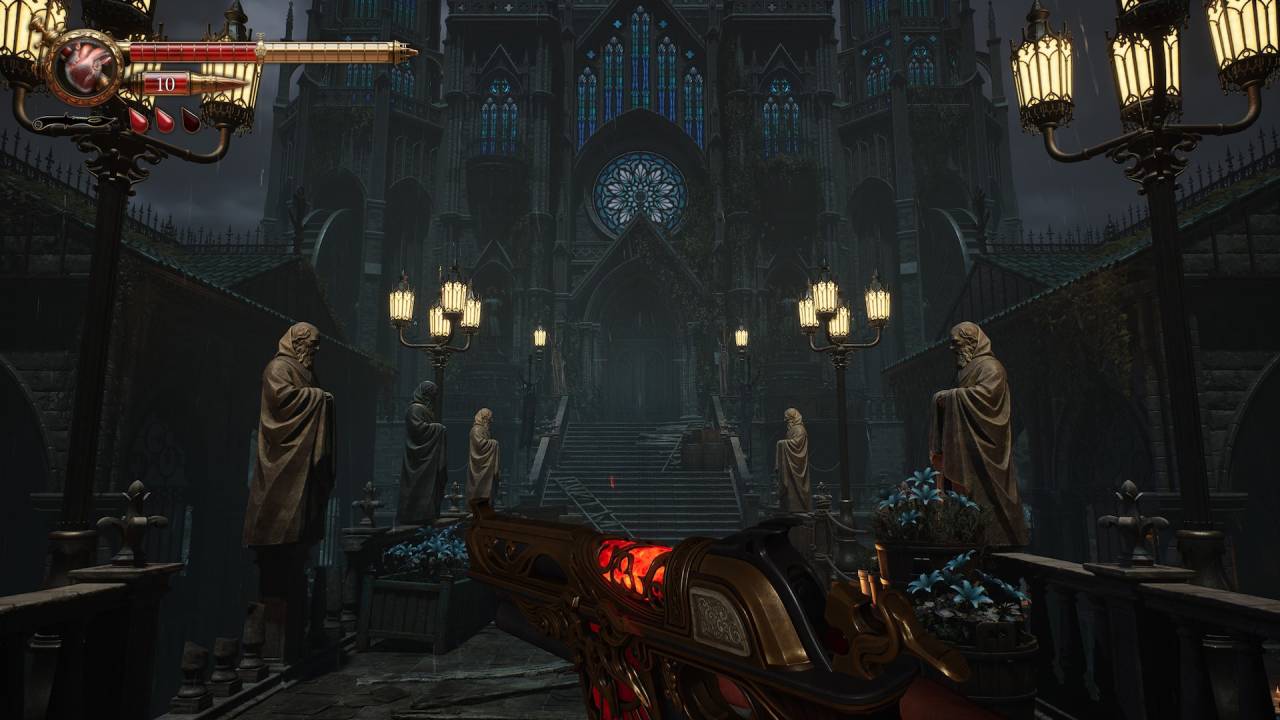
Weapons are more than just the pistol you start with. A shotgun is very powerful, but it uses more ammunition. A dagger can be used for close fighting, but it wears down quickly and needs to be sharpened with gasoline at certain stations. This maintenance loop brings back the survival horror theme that everything costs something. Also, you can learn new skills and improve your existing ones.
Silver coins found while exploring can be used to improve guns by increasing their rate of fire or their ammunition capacity. Collecting crow relics and essence from enemies lets you use idle skills that do things like lower damage or make more syringes. The progression method isn't too hard to understand, but it does add some useful customization. Old-School tension meets occasional frustration in puzzle-combat games.
Crisol's combat combines first-person shooting and survival-horror controls.
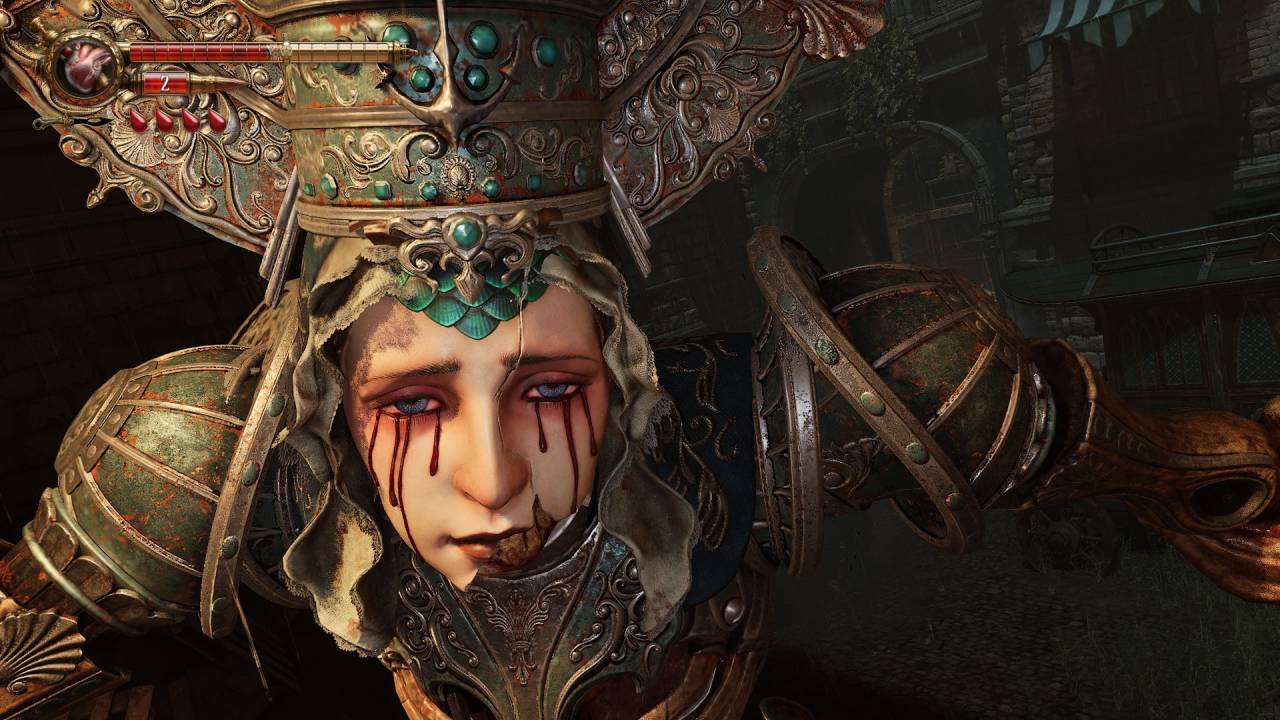
It feels tight and responsive to aim. The enemies, especially the creatures that look like wooden statues, are scary and hard to guess. Shooting them doesn't always mean they'll die right away. Body parts break off, torsos crawl, and armless figures keep stumbling forward grotesquely. It is a smart choice for the style.
It's possible that even a good headshot won't solve the whole problem. This keeps you alert and forces them to change their strategies during the fight. But fighting isn't as good in smaller areas. When you don't have any grenades or traps to use to control the crowd, being trapped can feel harsh. Since there is no platforming, there aren't many ways to escape. When you're surrounded, anger can take the place of fear.
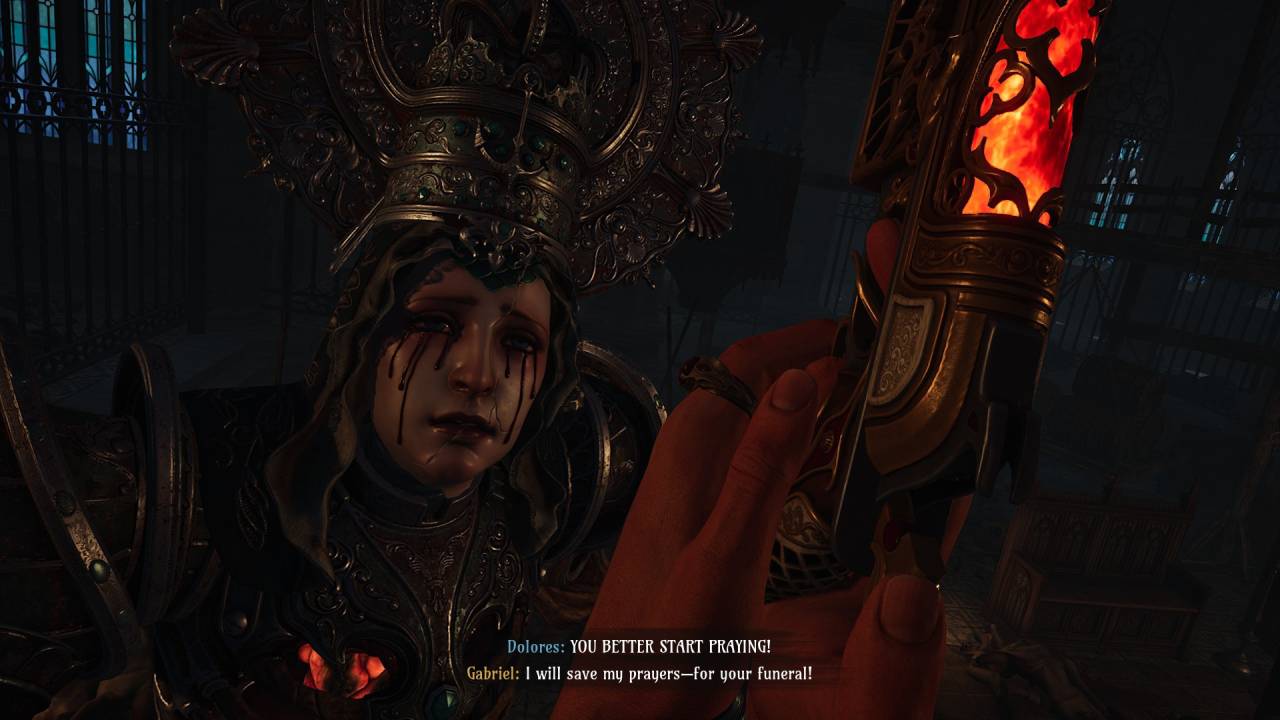
Boss fights go better, and the environments are often set up in smart ways. At the same time, a persistent stalker character named Dolores adds stealth sequences. These parts are controversial. That sneaking isn't the best thing about the game. Some hiding places might not always feel safe, and tracking might not always work the way it should. Thankfully, these parts don't happen very often.
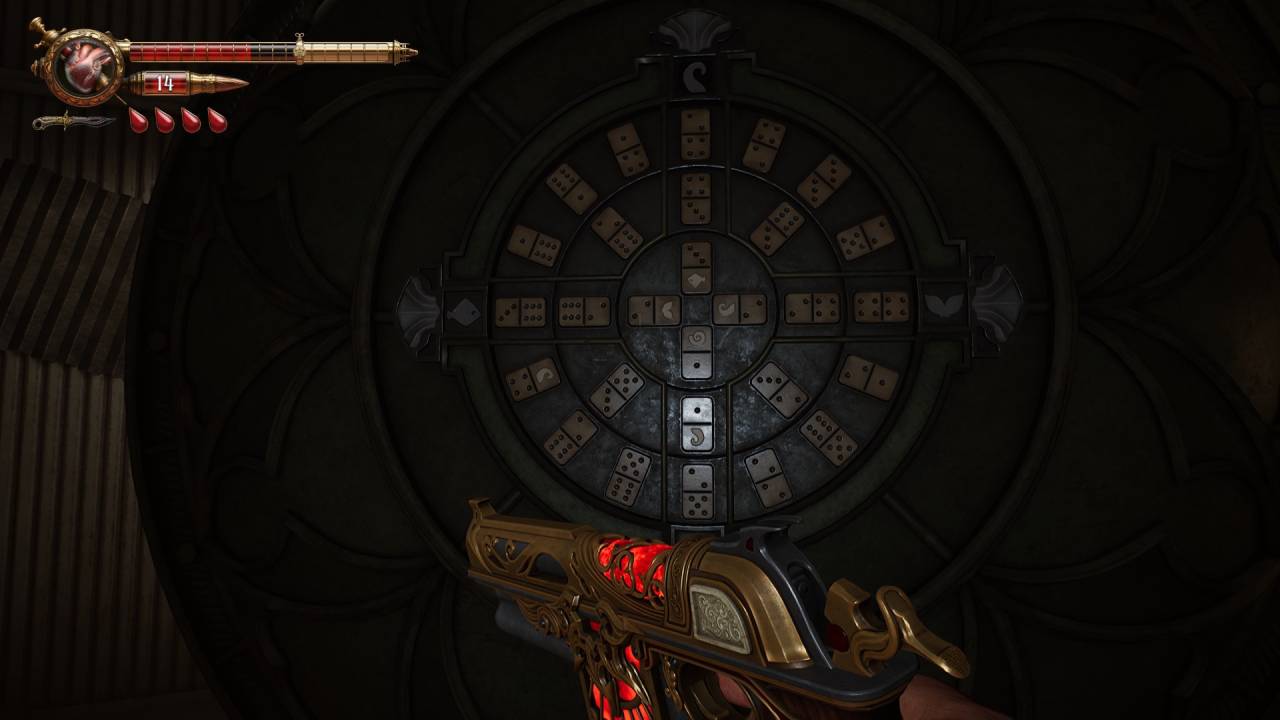
There are many puzzles. Crisol uses traditional survival-horror mechanics, including sliding mechanisms, numerical locks, and switch combinations. Still, they don't feel wrong very often. A memo tracker highlights important hints, helping you avoid getting lost. It's more likely to be rewarding than confusing.
One complaint is that there is too much yellow paint on the paths where people can interact.
It's good for accessibility, but it can take away from the fun of finding. Exploration can change from being interested to just following the bright lines. It would be more immersive if there were a way to turn off these hints. In Crisol, killing enemies and collecting relics are the main ways to level up. You don't have to grind too much. Instead of farming over and over, the skill tree lets you make smart investments.
Because blood affects how well you fight, upgrades have a direct effect on your ability to stay alive. How hard you can fight changes depending on how much ammo you have or what defensive bonuses you get. It doesn't feel like the growth is swollen; it feels measured.
Finishing the main story can take anywhere from less than three hours for you who like to move quickly to about fifteen hours for you who like to take their time and look around. The fairly limited scope keeps you from getting bored, but some people might want more content or a New Game Plus mode.
Crisol looks like it is covered in atmosphere. The streets are wet from the rain, and there are gothic churches, spooky caves, and baroque buildings all around. The way the lights are set up is especially good. Without using cheap jump scares, flickering shadows, and dark halls, people feel more stressed out on their own. The island, however, feels lived in. Small things in the environment, like posters about bullfights and history, show that you care about and understand other cultures.
Still, if you look very closely, low-resolution designs do show up sometimes.
You can also change how well you do. Very strong hardware has also been known to drop frames. Changing the settings to a higher level might make things more stable, and changes should fix problems with how well they work. Surprisingly, small systems keep running quickly even after the settings are changed. The presentation is good enough overall to hide its few flaws.
Sound design makes the experience a lot better. It looks like rain is splattering. Wood creaks in a scary way. The sound of breaking statues can be heard in the hallways. A 5.1 audio mix makes you more aware of your surroundings by making sounds and threats from far away feel too close. The soundtrack includes Spanish vocals and somber sounds that reinforce national identity. Even the voice acting, which is a bit stiff, adds to the campy, scary vibe. It's not perfect, but it fits the play's mood.
Crisol knows that hearing is just as scary as seeing something scary.
Theater of Idols by Crisol is a brave first game that blends survival-horror elements with Spanish literature. Its blood-ammo system is truly novel, forcing you to think strategically every time you reload. The atmosphere is rich, the environments are creepy, and the combat is fun, though sometimes it can be frustrating when you're in a small area.
The game is proud of what it is—baroque, sacred, and theatrical—and doesn't try to hide it. Even though the sneaking parts and visual clues could be better, the main experience is still very appealing.
This game honors the history of first-person survival horror while adding its own unique cultural touch. It might not completely change the genre, but it leaves a mark that will be remembered. As the last drop of blood flows, one question remains: how much of yourself would you give up to wake up if life were just a dream?
Editor, NoobFeed
Verdict
Crisol: Theater of Idols is a stylish and original survival horror debut with a great blood system, a strong atmosphere, and only a few small technical issues. It's a modern genre attempt that isn't perfect but does stand out somewhat.
72
Related News
No Data.