
DOOM: The Dark Ages - Revelations Review
Xbox Series X|S
Rip and tear through purgatory to break hell's traps and uncover the hidden history of the Slayer.
Reviewed by Azfar Rayan on Jul 10, 2026
DOOM: The Dark Ages - Revelations picks up the Slayer’s single-player journey from the base game and builds on it with a campaign that feels fresh rather than repetitive. The blend of dark fantasy, enriched lore, and challenging combat makes exploration rewarding, leading right toward the series’ more contemporary entries.
Revelations came during one of id Software’s hardest weeks (Xbox announced another round of layoffs at several first-party studios), yet the expansion deserves to be judged on its own merits. Those interested in buying want an honest look at the content, and the developers who stuck around deserve praise for what they managed to create under the difficult circumstances of its release.
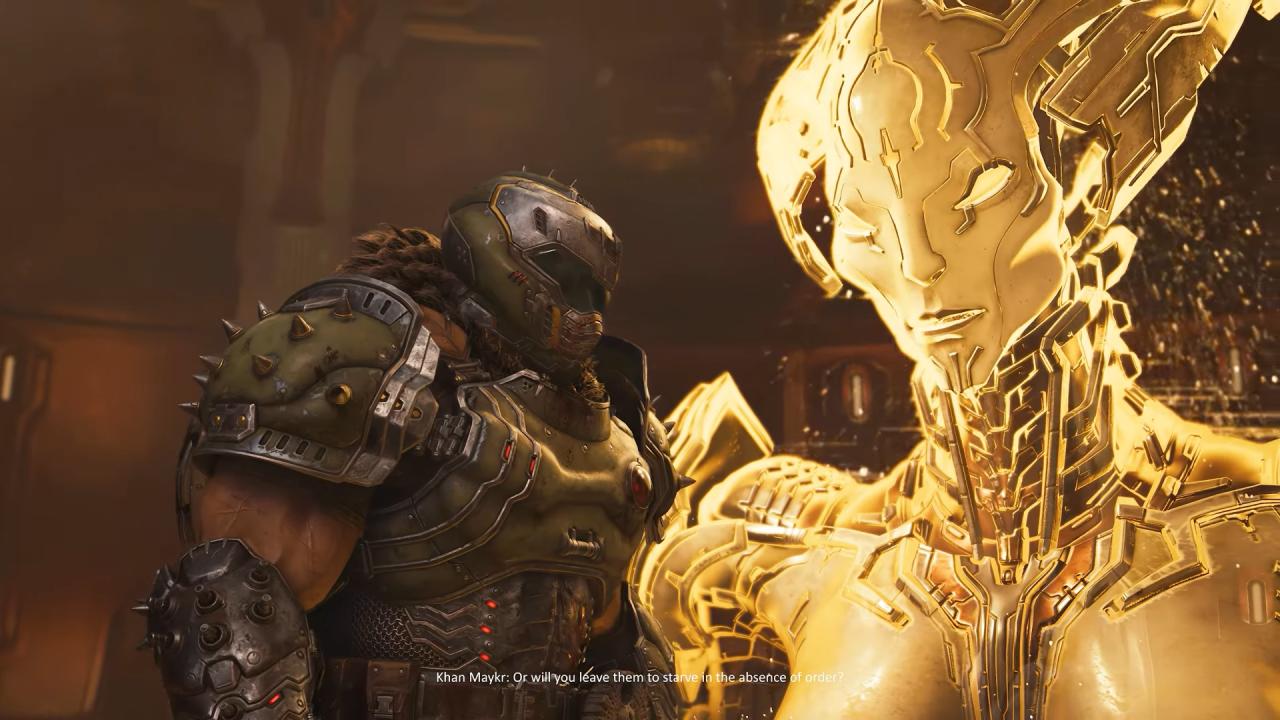
New content in the Revelations is a natural extension of the base game.
If you have the Premium Edition of DOOM: The Dark Ages, Revelations is part of that package. Otherwise, it’s available as a standalone purchase that offers considerably more than a few extra missions. The expansion feels like a proper continuation, adding meaningful progression, exploration, and combat systems rather than just more levels.
Also released with the DLC was a patch for the base game by id Software. It mostly happens quietly behind the scenes, improving stability and preparing the game for the new content. The update primarily refines existing mechanics, introduces nothing radically new, and includes a few bug fixes.
The Dread Mace saw the most noticeable balance changes, including its damage, execution speed, and generation of melee charge. Aside from that, the update mostly concerns smaller weapon issues and enemy AI behavior. These tweaks don’t reinvent the combat, but they make the transition into the expansion much smoother.
The story picks up where the campaign left off and doesn’t waste any time.
DOOM: The Dark Ages - Revelations doesn’t give you a side story like many DLCs do, but instead continues straight on from the end of the main campaign. The story picks up almost immediately from the main menu, rewarding players who have already poured time into the world and characters of the base game.
Instead of adding a brand new conflict, the expansion is about connecting important moments in the Slayer’s history. The Dark Ages, as a prequel, takes its time connecting the dots between its medieval-inspired setting and the events that shape the modern DOOM timeline.
The extra story doesn’t bog down the action with length exposition, but it does offer more insight into the Slayer than previous entries. The expansion provides us with more background on his history through cinematic moments, environmental storytelling, and optional lore without losing sight of the relentless first-person shooter gameplay that defines the series.
Purgatory is the perfect place for a darker chapter.
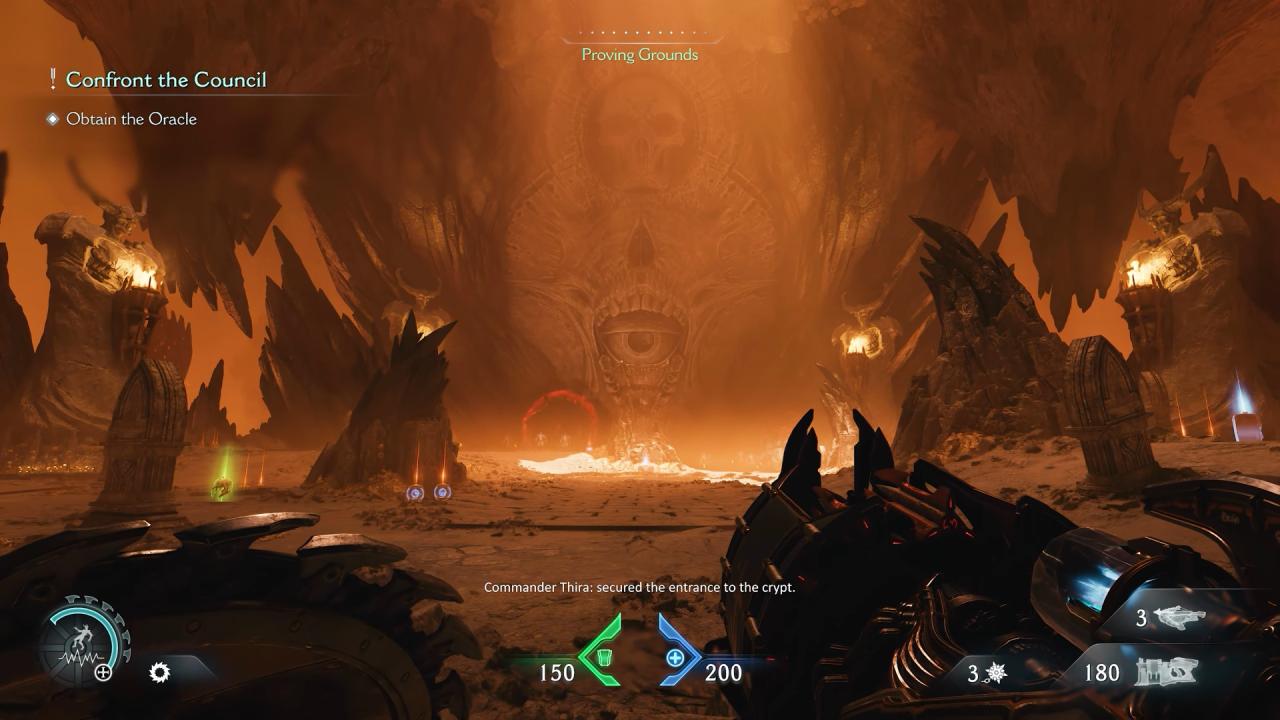
The campaign begins with the Council of Hell successfully luring the Slayer into a complex trap that results in his imprisonment in an unfriendly version of purgatory. Escaping this strange realm requires far more than brute force, as the journey is as much about facing the past as it is about surviving yet another endless war against demons.
This setting immediately sets itself apart from the locations seen in the base game. The ancient ruins, twisted architecture, and haunting landscapes all contribute to the expansion's dark fantasy identity, yet still fit naturally with the familiar sci-fi influences. The world feels mysterious enough to encourage exploration, but not at the cost of the series’ trademark momentum.
The mysterious Architect accompanies the Slayer for much of this journey, though his motives are deliberately left murky. Their presence adds an intriguing mystery that plays well with the campaign without taking away from the action. By the time the story starts to reveal its secrets, the expansion has already created a much stronger narrative hook than expected.
The campaign is shorter than the base game, but it rarely feels like it’s missing anything.
Now, DOOM: The Dark Ages - Revelations isn’t as lengthy as the main campaign, as you would expect from an expansion, but there’s still quite a bit of content. Most players will punch in around seven to ten hours to see the credits, with greater difficulty settings extending that playtime with tougher encounters and boss battles.
The pacing rarely lags because each chapter offers something of substance. Whether it’s a different enemy type, a new location, or a new combat mechanic, the campaign manages to avoid feeling repetitive even while returning to the well-trodden first-person shooter formula. There’s always a reason to keep pushing forward, even in the quiet moments between fights.
More importantly, the ending doesn’t feel like an ending. Instead, it acts as the start of the expansion’s broader progression system, urging players to replay earlier missions, discover missed secrets, and undertake more challenging activities that can only be accessed once the main story is complete.
Exploration is finally brought to the foreground and not kept in the background.
One of the biggest surprises of the expansion is the world's structure. Instead of making players go through a straight set of missions, DOOM: The Dark Ages - Revelations is centered around a main hub, hidden away in purgatory. Unlocking new abilities opens up paths previously inaccessible, giving players a real reason to return to older locations.
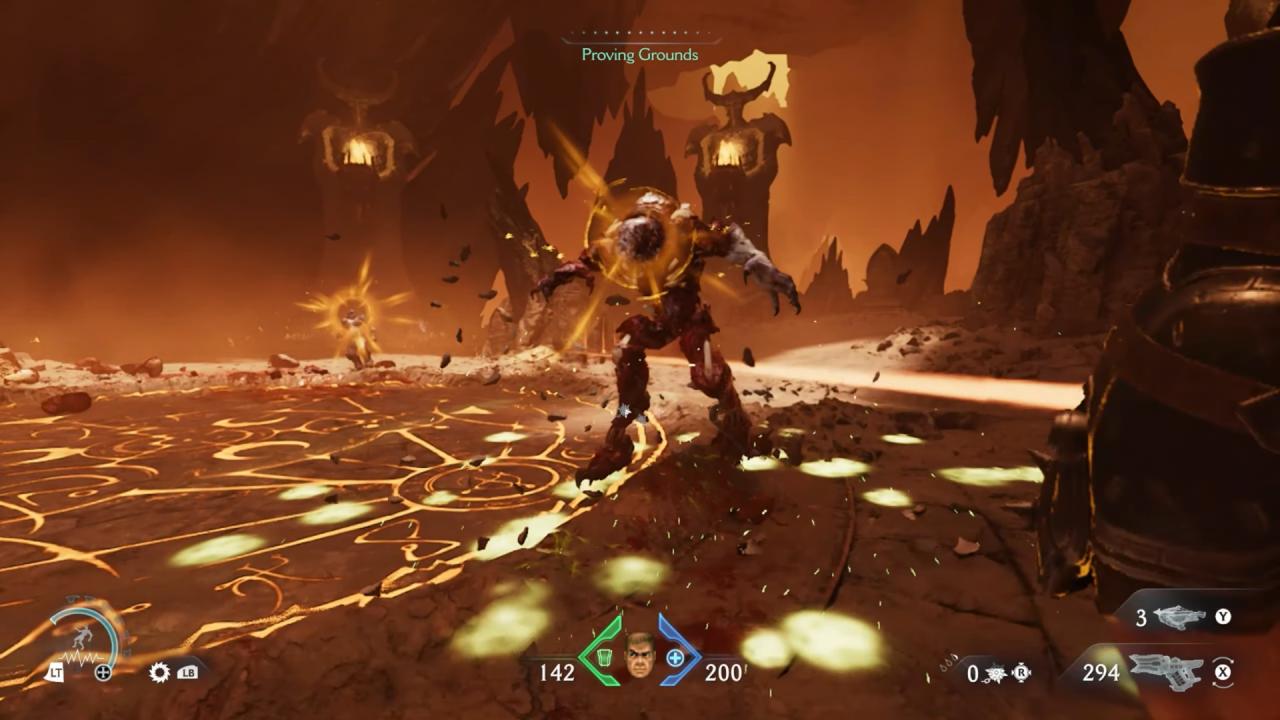
The design is inspired by Metroidvania games, and the series’ identity remains intact. Even when revisiting known areas, there’s rarely a feeling of repetition, as there’s almost always another secret, hidden passage, or optional challenge behind a door you couldn’t open before. That extra layer of exploration gives the campaign a lot more personality than you would expect.
It also helps to break the relentless pace of combat. Instead, players can explore the environment, solve smaller puzzles, and piece together bits of lore before inevitably moving on to yet another wave of PvE action. The mix of action and exploration feels very natural.
It feels rewarding to discover secrets as the game stops hand-holding you.
Another welcome change lies in how the expansion handles collectibles. Hidden upgrades and codex pages will not appear on the map until you find them, unlike the base game. You’ll have to look for every secret you want, rather than simply following markers littered throughout the interface.
That one design choice affects exploration more than I thought. Hidden rooms really do feel hidden, and it’s satisfying to find a valuable upgrade that comes from curiosity rather than convenience. The expansion requires players to pay attention to their surroundings throughout the entire campaign, making exploration feel more meaningful.
The puzzles themselves are quite simple, but they do their job. They’re naturally integrated into the environment rather than breaking up the flow of the game, giving you short puzzle-solving breaks before the combat resumes. They never steal the show, but are a welcome change to the overall experience.
Chain Spear is an interesting change of pace for combat.
The Chain Spear is definitely the biggest addition to DOOM: The Dark Ages - Revelations. It’s not just a normal weapon either, but a mobility tool that lets players grapple across arenas, close gaps in nearly no time, and engage from angles that simply weren’t possible in the base game.
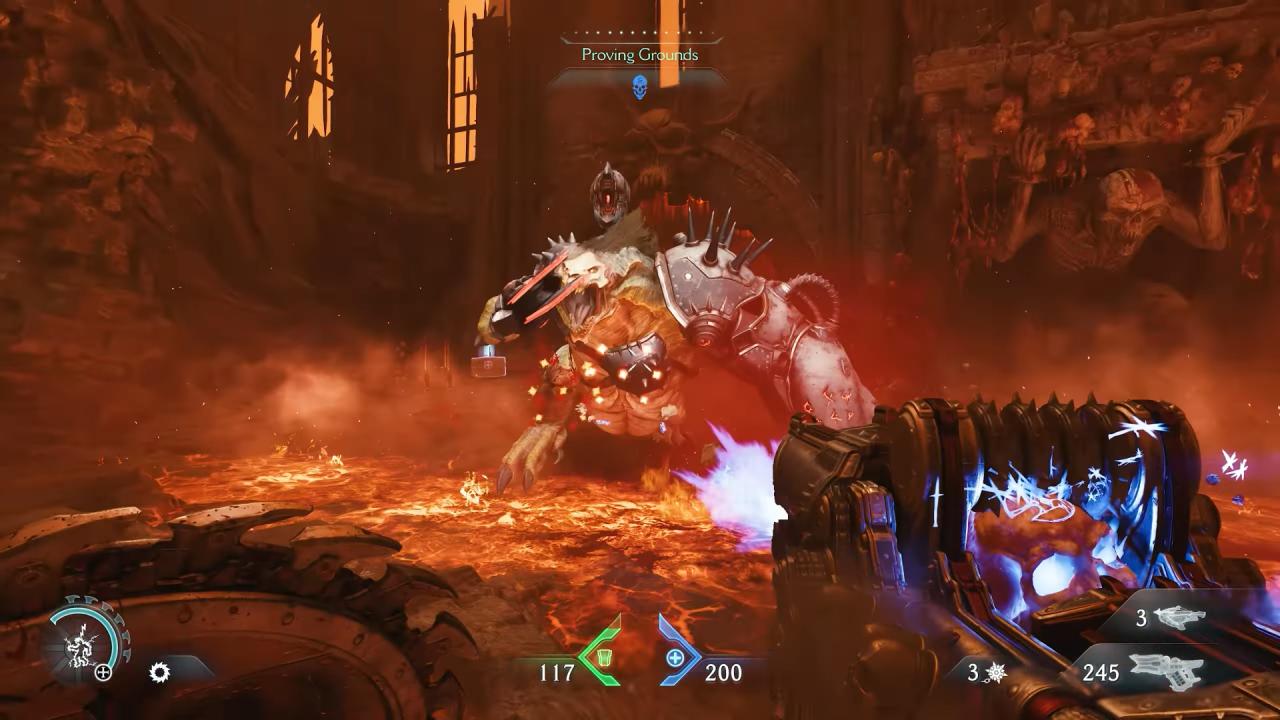
That extra freedom changes the way many fights are played. Jumping over bigger enemies, running away from danger, or diving straight into the thick of the combat makes for a much more dynamic loop. Movement is no longer restricted to running across the ground, making the arenas feel bigger and allowing much more aggressive positioning.
The spear is equally useful for offense, too. Its parry attack rewards good timing with powerful counterattacks that leave enemies exposed, making close-range combat far more interesting than it used to be. Once you get the hang of it, it is one of the most satisfying additions to the expansion and easily its defining feature.
Some new ideas don’t mesh well with DOOM’s combat flow.
The Chain Spear brings in a welcome mobility, but also the expansion’s most obvious weak point. Many encounters will see players constantly swapping between the spear and the returning Shield Saw, with each tool having different functions in both combat and environmental puzzles. The idea makes sense, but the practice doesn’t always go so well.
The Shield Saw is still decent for breaking certain defenses, but the spear does better at generating movement and pressure in the melee. In larger fights, switching between them constantly can be a break from the fast pace that DOOM usually defines itself with, especially when different enemy types require different responses all at once.
It never quite ruins the combat, but the system is sometimes a little more complicated than it needs to be. Instead of focusing solely on enemy behavior, I sometimes found myself wondering what tool was equipped. It’s a small quibble, but one that is more noticeable given how consistently enjoyable the rest of the combat is.
The new controls take time to learn but, in the end, become second nature.
PC players may also encounter a minor annoyance when starting the expansion. The Chain Spear controls aren’t mapped by default, so you might want to take a look at the Settings menu before you set out. It’s a small inconvenience, but one that’s surprisingly easy to overlook in the first few minutes.
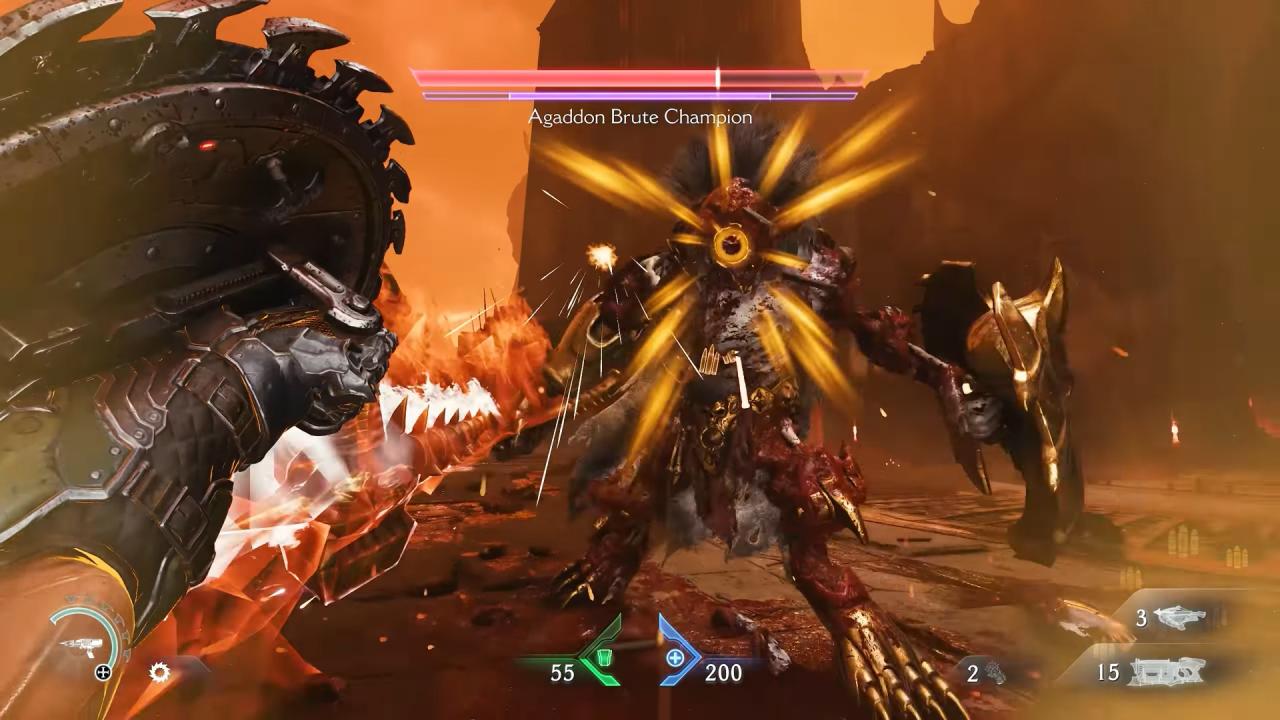
Even after you get the controls down, the learning curve is still pretty steep. The spear has different defensive mechanics than the Shield Saw, swapping familiar blocking techniques for precise dodges and carefully timed counters. It takes patience to get used to that change, especially in the harder fights of the expansion.
The good news is that once you get the hang of the controls, the system starts feeling a lot more rewarding. The increased mobility, combined with faster reactions and better positioning, results in a combat style that feels different from the base game, but still keeps true to the aggressive identity that has always been the series’s calling card.
It gets harder as you go, and it rewards strategy more than just being aggressive.
If the base game already felt like a challenge, DOOM: The Dark Ages - Revelations turns up the heat right away. Enemy encounters are more dense, arenas are more chaotic, and you need to understand the battlefield rather than just charge the nearest target to survive. The challenge is so purposeful in that it promotes better decision-making without being punitive.
Familiar demons return with dangerous new behaviors that force players to rethink encounters. Some blow up after death, others leave dangerous trails across the arena, and stealth variants constantly pressure you from unexpected directions. They are controllable one by one, but together they make familiar fights much more unpredictable.
What makes these encounters satisfying is that they encourage adaptation rather than repetition. Standing still is rarely an option, and a single weapon quickly becomes ineffective. Each arena requires players to be mobile, prioritize threats, and make full use of the tools they have gradually unlocked throughout the campaign.
Steadily improving means each and every upgrade is worth the effort.
The character progression is the same old structure as the base game, but the expansion adds enough new upgrades to make progression satisfying. Exploring DOOM: The Dark Ages - Revelations provides the player with useful resources such as Platinum and Blood Iron, both of which are used to upgrade weapons and unlock new combat abilities.
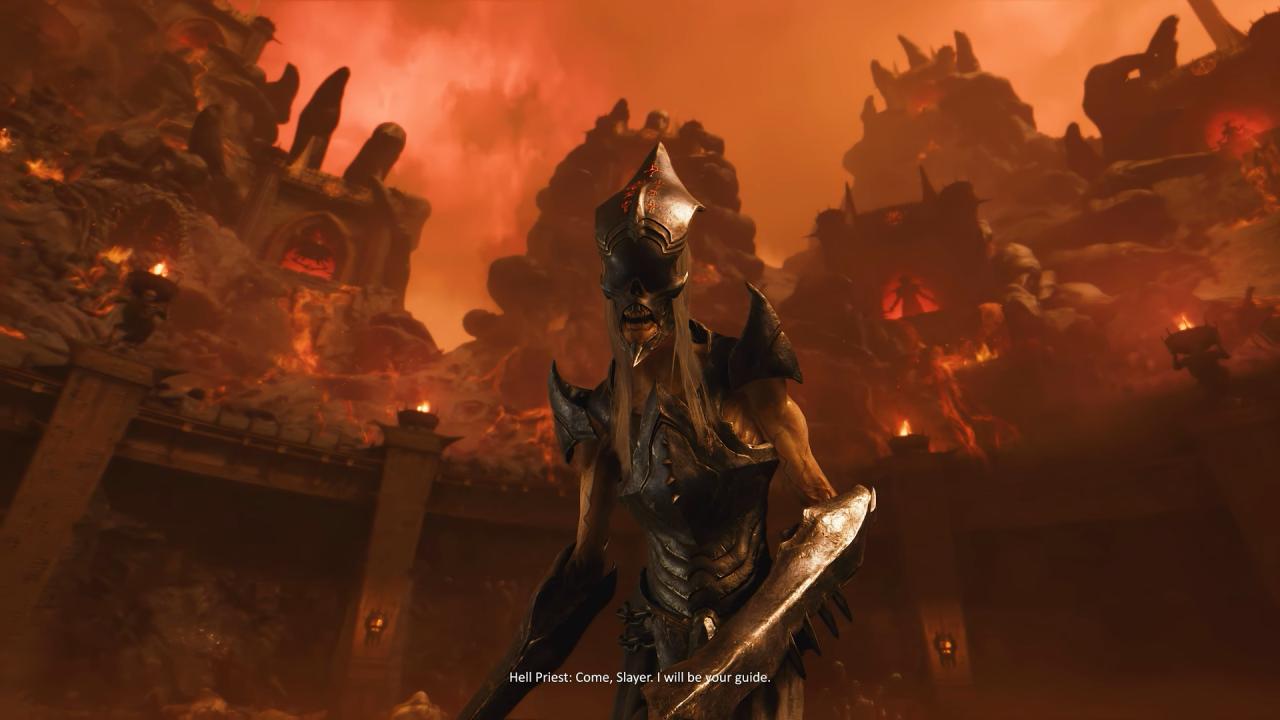
The Chain Spear is the best use of this progression system. New upgrades improve its mobility, expand its offensive options, and introduce powerful attacks that become increasingly useful in larger engagements. By the last hours of the campaign, it seems less like an experiment’s gadget and more like a necessary part of the Slayer’s arsenal.
An empowerment system adds another layer to combat, rewarding perfectly timed dodges. Dodging enemy attacks also builds up energy to spend on enhanced spear abilities, creating a fun balance between player skill and character progression. It provides veteran players with another reason to adapt to the expansion's faster combat pace.
Rebuilding your strength makes every win feel earned.
The expansion gives you a much more serious reset on your suit progression than the base campaign, so you’ll have to earn some powerful upgrades again. It doesn’t feel frustrating; instead, it gives exploration a more meaningful purpose, making sure all tough encounters and hidden rewards push the Slayer closer to the unstoppable force players remember.
Leader Shards are some of the most valuable resources you can get your hands on. They are earned by defeating elite enemies and completing challenging encounters, restoring vital defensive upgrades while preparing players for the expansion’s increasingly demanding late-game challenges. Searching for these upgrades is a rewarding blend of optional exploration and meaningful character development.
Also, the gradual recovery of lost skills helps pace the campaign. The early encounters feel dangerous since your equipment is limited, and the later missions naturally become more empowering as your arsenal grows. It’s a progression system that rewards curiosity at a comfortable rate, without making the player feel overpowered too early.
There’s plenty to offer players in the endgame to lure them back.
Finishing the story is only the beginning of DOOM: The Dark Ages - Revelations. When the credits roll, you unlock new objectives in the form of replayed missions, hidden challenges, and new areas that were previously off-limits in the first playthrough. The expansion encourages you to revisit earlier levels rather than simply progressing onward after defeating the final boss.
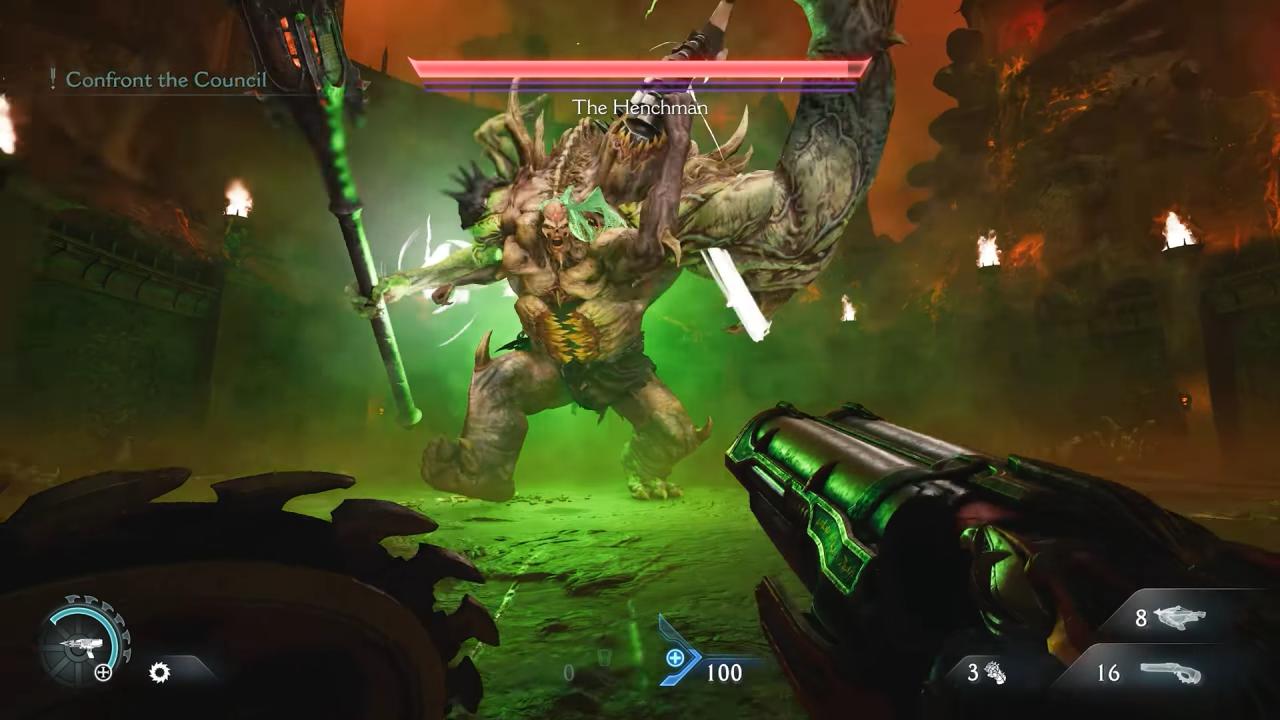
One of the largest post-game goals is obtaining pieces of the mysterious Astral Key. This long objective unlocks a tough fight against a powerful Uber Boss, which in turn opens the Master Arenas. These fights are the hardest of all the combat challenges in the expansion, and you need to fully learn all the mechanics.
This layered development gives the experience a surprising shelf life. They could have padded the campaign out with filler content, but instead, the game rewards those who really enjoy practicing their craft, finding secrets they missed the first time around, and pushing themselves with increasingly difficult combat scenarios that test everything they’ve picked up.
You’ll be coming back for more thanks to classic throwbacks and endless challenges.
The expansion also contains a number of nostalgic surprises for longtime fans tucked away beyond the main campaign. Through exploration, we have classic-inspired levels that pay homage to the franchise’s past and provide a refreshing change of pace from the darker tone of the main adventure. They seem more genuine than mere nostalgia bait, like well-meaning tributes.
Finishing these optional phases grants unique weapon parts, and more endgame goals open up the Riptorium to new challenges and customization. There’s plenty here to keep dedicated players busy long after they’ve finished the story, with hidden collectibles, replayable missions, and multiple difficulty settings.
The introduction of dragons, giant mechs, and bigger battles only further solidifies the expansion’s mixture of dark fantasy and sci-fi ideas. These additions, rather than relying on nostalgia, make the world feel bigger and more ambitious without losing the brutal identity that makes the franchise.
A worthy expansion, building on the best strengths of the base game.
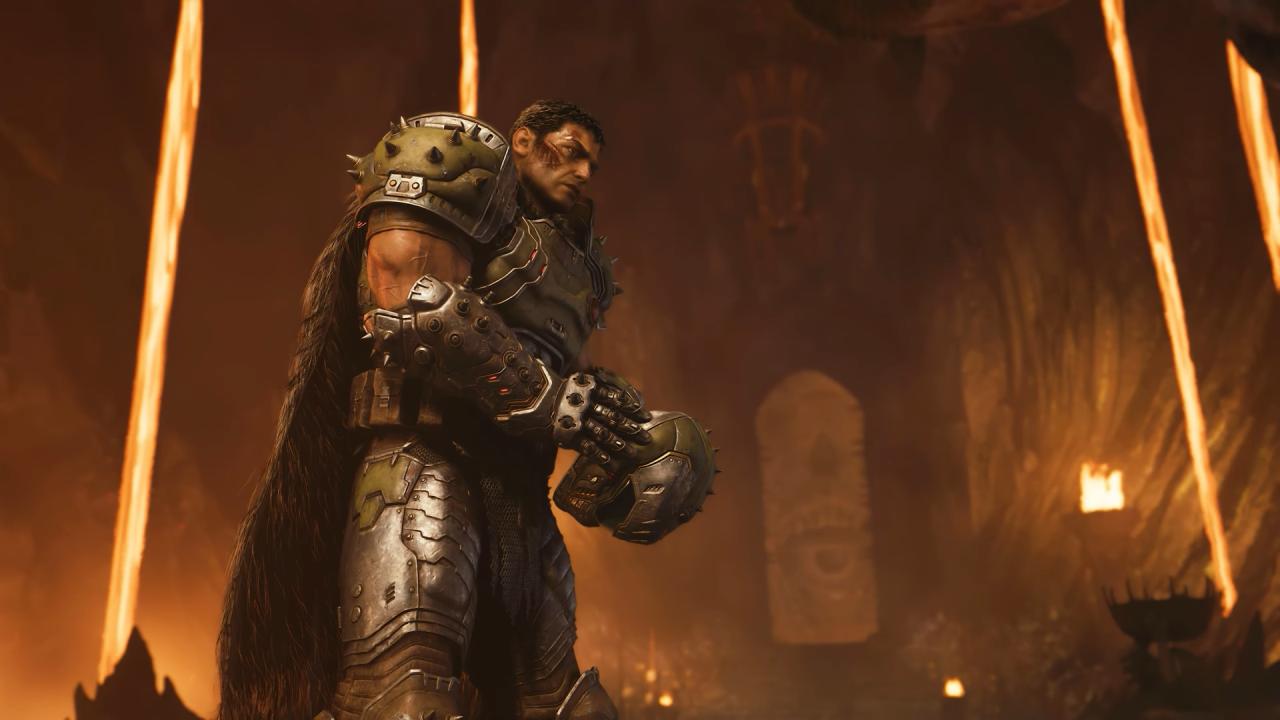
DOOM: The Dark Ages - Revelations doesn’t try to reinvent the wheel, and doesn’t need to. Instead, it confidently builds on what worked, adding better exploration, meaningful progression, challenging PvE encounters, and a story that gives the Slayer’s journey more weight than you might expect. The result is a substantial expansion that feels substantial from beginning to end.
Not every new mechanic works like a charm, especially with the constant switching of weapons, breaking the otherwise great flow of combat. That said, the frustrations are countered with inventive level design, satisfying upgrades, memorable boss fights, and a surprising amount of post-game content that extends the experience well beyond the main campaign.
Senior Editor, NoobFeed
Verdict
DOOM: The Dark Ages - Revelations is a stellar expansion that is the perfect lore expansion with an intense, Metroidvania-inspired hub layout. A must-play with fast-paced combat and the all-purpose Chain Spear technology.
75
Related News
No Data.