
Let Them Trade Review
PC
In this fun and easy-going strategy game, you can build cities, shape economies, and Trade without breaking a sweat.
Reviewed by Nusrat Choity on Jul 26, 2025
Spaceflower, a German indie studio, isn't a household name yet, but their game Let Them Trade is making a name for itself in the city-building genre by being both bright and cozy. This relaxing single-player game officially launched on Steam on July 24. It combines the fun of playing board games with the strategic satisfaction of planning your finances. It's not a sequel or part of a series; it's an economic city builder that has a clear goal: make Trade thrive and get your share.
There aren't any micromanagement menus, hunger meters, or sudden disasters in this city builder. Let Them Trade, on the other hand, tells you to step back, take a deep breath, and run the economy like a calm strategist instead of a panicked mayor. The game lets you build a working trade empire without making you feel stressed out or giving you too many red alerts. It's hard to find a management game that gives you real choices and doesn't waste your time, but Spaceflower has done just that.
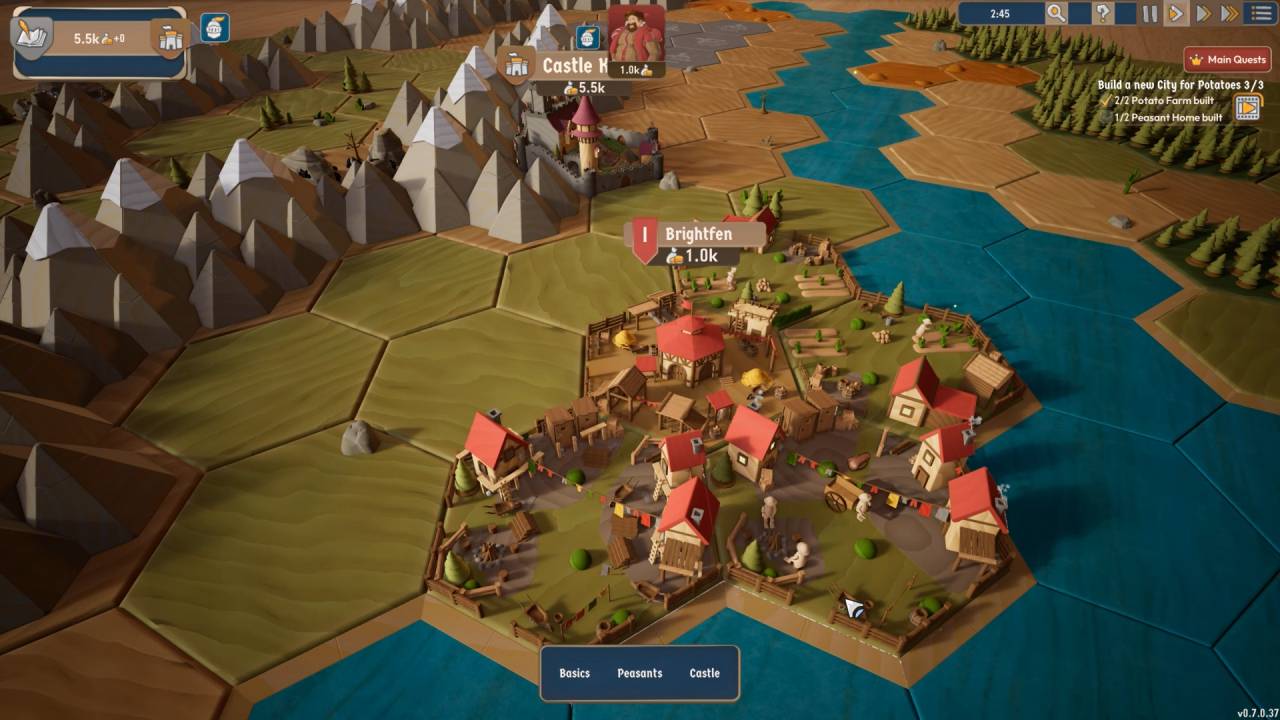
You take on the role of a medieval ruler, but not one who swings swords. Instead, you rule through taxes, infrastructure, and influence. What is the main mechanic? Trade. Cities don't just sit there; they come to life, breathe, and interact with each other once you build them. You're not taking care of them; you're watching an economy grow and change while you act as the architect and benefactor. It's like setting up a line of dominoes; the best part is seeing everything fall into place.
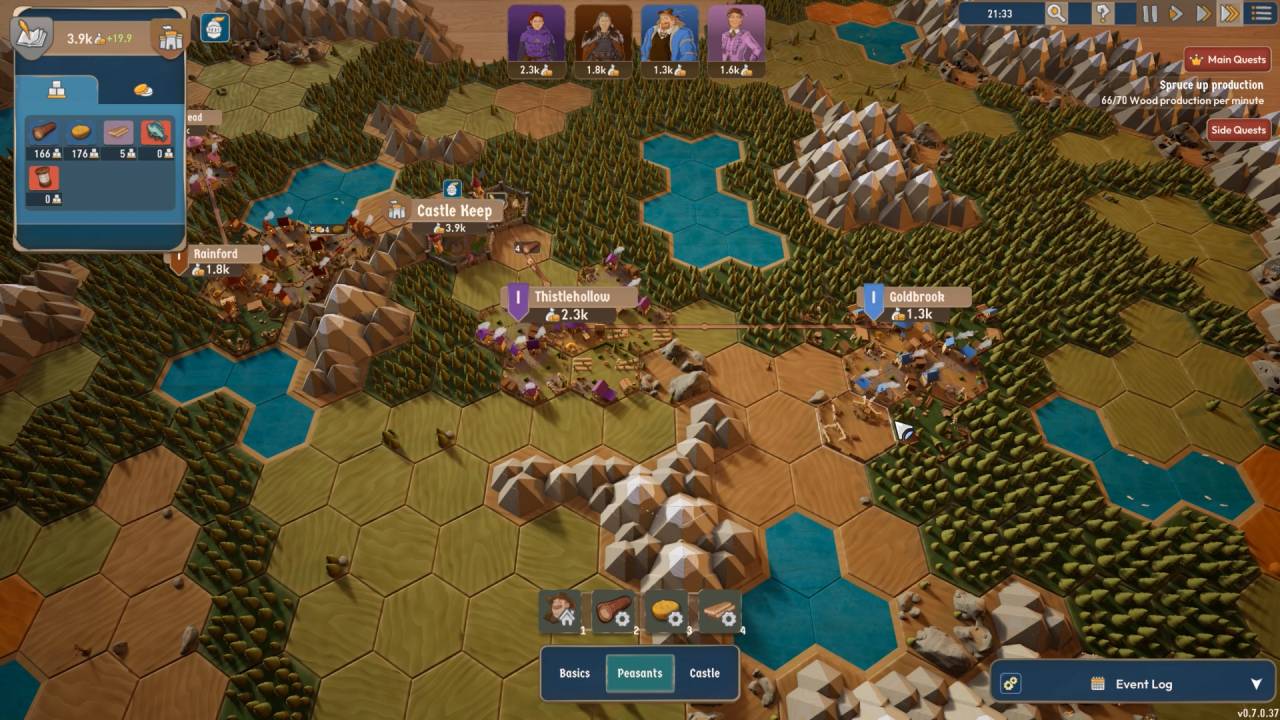
Each city is its unit, with its wealth, needs, and preferences. A poor fishing village might need wood, but a rich mountain town might spend a lot of money on fancy sheep products. You need to connect these places in three ways: physically with roads and bridges, economically by putting industries in the right places, and strategically by protecting trade routes and changing policies. Your power is strong but indirect, from sending your knights to find the best places to build whole industries. That's what makes this game work.
Let Them Trade is very different from traditional RTS games, where you have to micromanage every single thing. You don't have to keep an eye on each worker or give them every job. You make bigger choices that affect how the cities act instead. And as they start to connect, you can see the beautiful systems at work: supply chains form on their own, shortages create opportunities, and your small network starts to feel like a living medieval ecosystem.
There isn't a straight plot that takes you from one crisis to the next, and that's the point. You write the story here about how the city grows and the economy changes. There is a progression from peasants to citizens to aristocrats that loosely follows a civilization arc, but it's up to you to keep things in balance between growth and happiness. There are bandits, but they are not a sign of certain doom. The real story is about seeing trade routes grow and understanding that your cities are more than just buildings; they are characters with their own economic personalities.
You start small. A fort. A scout. A few homes for peasants. From there, you search the map's fog for valuable land, such as forests for wood, lakes for fish, mountains for stone, and plains for sheep. By putting cities near these resources, you can get to the buildings and industries you need. But don't be fooled by the simple opening hours. What starts as a small hub quickly turns into a network of towns that are all connected and have their own jobs and resource pipelines.
This is where the brilliance shows: cities automatically look for the resources they need and send traders to other towns to get them. This means that your job is less about making everything everywhere and more about making smart trade links. Specialisation is essential. Your forest city should make wood, your lakeside town should grow food, and your sheep village should focus on wool and tailoring. Your economy will run more smoothly and make more money if your network becomes more focused and connected.
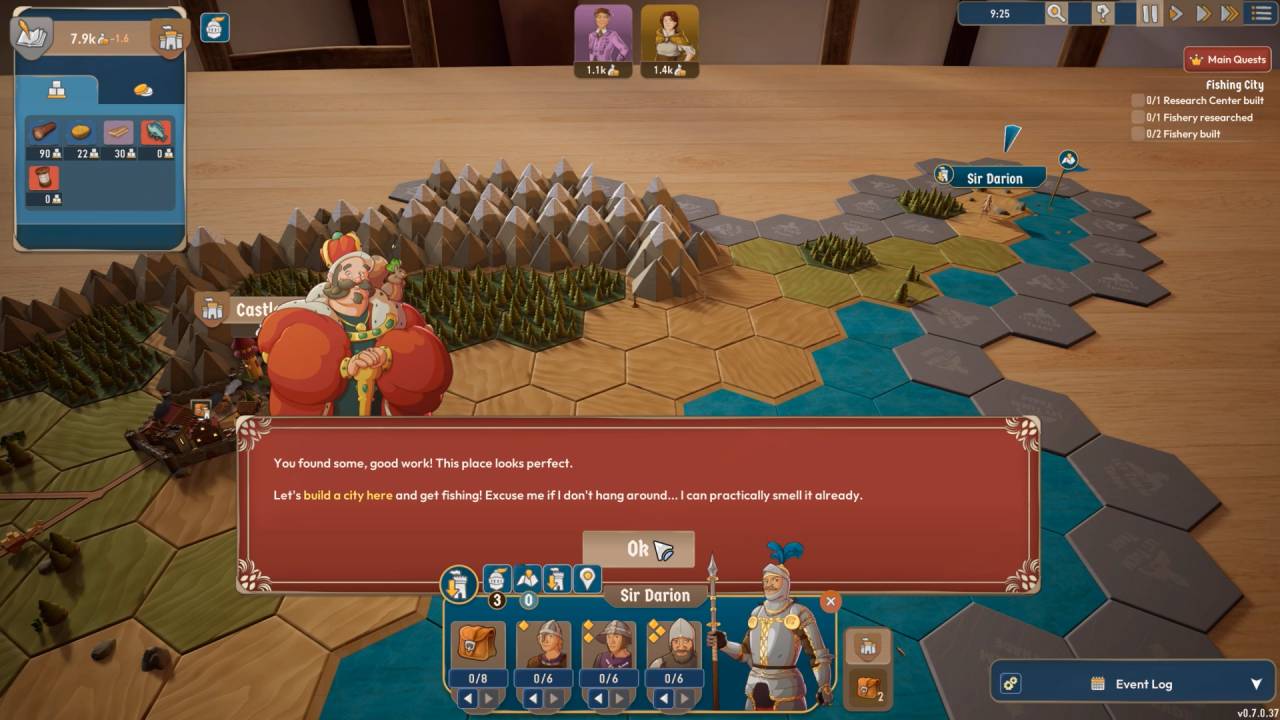
You will also be able to do research through a tech tree that opens up new buildings and bonuses. For instance, a group of lumberjacks in a city can work together to get more done. A sheep farm with fences needs fewer workers. These bonuses are not required, but they reward thoughtful planning. You always have to make choices that change the way your cities grow in different ways, and it never seems like there's only one "right" way to do things.
People who work and live in cities come from different backgrounds, and each class has its own set of skills and needs. As cities grow, you'll be able to build more complicated buildings like bakeries, tailors, and goldsmiths. These changes need the right mix of available classes, resource inputs, and trade efficiency. It's impressive how naturally the level of difficulty rises. You don't have to learn a lot of new things all at once; instead, you slowly figure out how all the systems work together. You will always feel like you are gently pushing your society forward instead of fighting with it.
The focus here isn't on fighting. But don't be fooled; there is still tension. Sometimes bandits show up and threaten your trade routes. You build towers and station knights to deal with them. You can upgrade them at the barracks. You won't be in charge of armies, but you do need to plan, especially if you're building cities that are easy to attack, far from your home base.
Knights have two jobs: to explore new land and protect Trade. As you get to the middle and end of the game, bandits become more active. This means you need better barracks and better placement of defence points. The combat system is simple on purpose. It keeps Let Them Trade fun by adding just enough risk to keep it interesting. You should pay attention to it, but it never takes over your attention.
You can also choose to take on challenge scenarios where you have to meet trade goals or build up a city while following specific rules. These are like light economic puzzles that test your ability to plan and change. Some players will love these as mid-game tests of how well they can play, while others might like the infinite sandbox mode better, where they can write their own success story. Either way, the flexibility to play at your pace is a big part of what makes Let Them Trade shine.
There isn't a traditional XP bar, but you can progress by unlocking higher levels of citizens and buildings. If you do everything right, peasants will become workers, workers will become citizens, and eventually, you will have a city that can support aristocrats. As they level up, their needs and skills become more complex, and your cities become more efficient and profitable. It becomes fun to juggle happiness, housing, and supply.
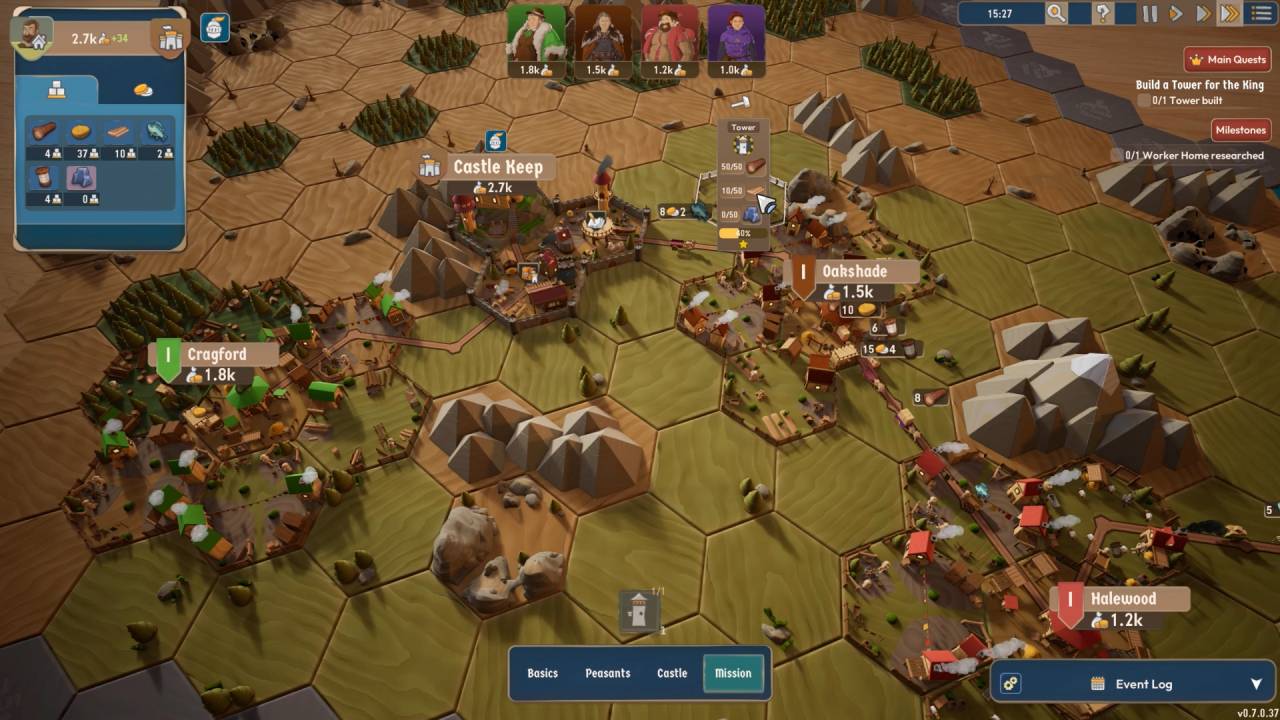
Tax control is another brilliant mechanic. Every time your cities trade with each other, they make money. You can also get extra taxes from certain cities on a short cooldown, which lets you give money to weaker towns that need a boost. It's a fun loop that adds money management to city planning. You can use that extra gold to start a new city or pay for a sudden burst of growth where it's needed. It's an innovative system that rewards people who are patient and plan their moves well.
Let Them Trade's look is like a living board game—deliberately cute, refreshingly wooden, and touchable. Think of comfortable tabletop items instead of cities that look like real life. Seeing little trade cards run across the roads between towns is like seeing Settlers of Catan come to life. Everything is made to keep your eyes relaxed and your mind gently busy. The medieval toy-box vibe makes the whole thing feel warm and inviting, which is something that few city-builders even try to do.
The animations are smooth, the user interface is easy to use, and everything from the buildings to the terrain fits the warm medieval theme. Let Them Trade never feels too much, even though it has a lot of complicated systems running in the background. It is well-made, careful, and doesn't fall into the common trap of giving you too much too quickly.
The sound is calm and appropriate for a game like this. It doesn't get in your way, from soft background music to the quiet sounds of construction, Trade, and nature. There isn't a loud soundtrack here; instead, there is background noise that fits the mood. It does what it's supposed to do: relaxes, immerses, and never gets in the way. It's the kind of game that makes you hum along without even realizing it.
Let Them Trade strikes the right balance between a hands-off simulation and a smart strategy. It's not about cities falling apart or time limits that are too tight. It's about putting systems in place and letting them grow on their own. It feels important to make every choice, like where to build, what to study, and when to step in, without being too much work. It values your time and intelligence, rewarding planning without punishing for trying new things.
There are times when things get tense, like when bandits mess up your trade route or when you miscalculate how far apart cities are and have to tear down buildings. But these are not rigid walls; they are gentle learning curves. You can keep playing even after you finish a campaign scenario, trying out new things and making changes to your trade empire. You don't go back to this game because you have to, but because you want to make a beautiful machine even better.
The map editor is also a great place to be creative if you like to customize things. You can make your world, set your own rules, and share it with others. You can also get new challenges from the Steam Workshop. The fact that there isn't any mod support is a small problem, but the tools you get let you make a lot of content, which means you can play the game again and again.
One thing to keep in mind is that Let Them Trade requires planning and attention, even though it looks easy. This isn't a mindless clicker game. It's more like a puzzle that slowly builds up and is just rewarding enough to keep you going. Great for nights when you want to get things done without working up a sweat.
Contributor, NoobFeed
Verdict
A city builder that is both relaxing and strategic, where Trade is the most important thing. Great for people who like to manage systems without getting too stressed out. Easy to understand, but with enough depth to keep it interesting.
88
Related News
No Data.