
Mario Tennis Fever Review
Nintendo Switch 2
Mario smashes expectations with fever-filled tennis.
Reviewed by Wasbir Sadat on Feb 14, 2026
Sports-themed games have always been a big part of Nintendo's library, and Mario Tennis has been around since the Nintendo 64 era in some form or another. Mario Tennis was mostly made by Camelot Software Planning, the same company that made the Golden Sun RPG series. It has always been a fun arcade sport with just enough depth to keep serious players interested.
Each new game in the series has tried to stand out by adding new features over time. As seen in Mario Tennis: Ultra Smash with the Mega Mushroom feature, Mario Tennis Open with the Chance Shot system, and Mario Tennis Aces with its trick shots, Camelot has always been trying new ways to make tennis feel very "Mario." Those tests worked some of the time. Sometimes they got in the way of the game's flow.
.jpg)
Mario Tennis Fever for the Nintendo Switch 2 is the second game in the series. It adds a new feature called "Fever Rackets." This time, it looks like the goal is clear: mix crazy Mario-style fun with a cleaner, easier-to-read tennis game. It's possible that this is the most balanced Mario Tennis game yet, though the single-player mode is still not very interesting.
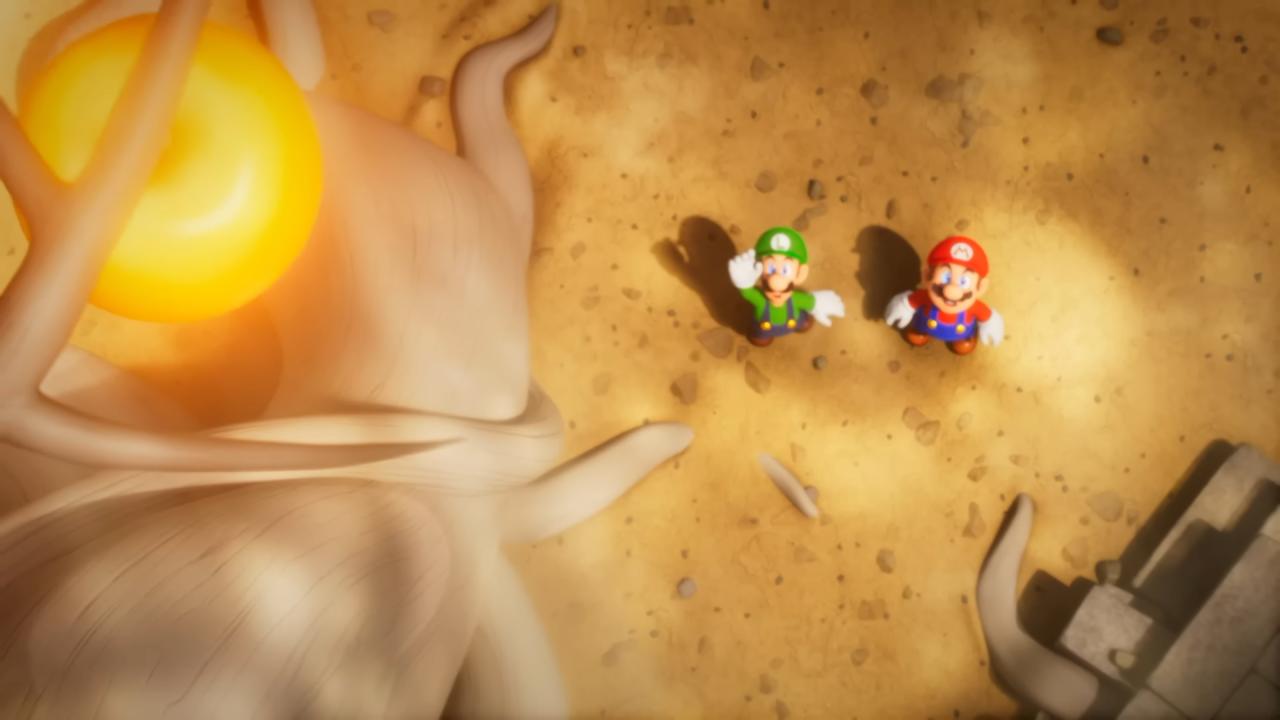
Like many other Mario sports games, Mario Tennis Fever's story is mostly there to help you play. In the fun Adventure mode, Mario, Luigi, Peach, and other characters are turned into babies and have to learn how to play tennis again in order to get back to normal.
The story mode starts at a tennis school, where players go through training sessions, tutorials, and mini-games meant to slowly teach the basics of the game.
There are levels, boss fights, and a world map structure that make it look like a bigger RPG-style journey. This promise never fully comes true, which is a shame. About three to four hours long, the campaign ends just as it starts to feel like a real journey. The academy part emphasizes tutorials. The latter boss fights, and challenges are fun, but the mode ends before the systems can improve.
There's a feeling that Adventure mode was meant to be bigger from the start. Level markers on mini-games show that you can progress through them more than once, and the method for leveling up your stats shows that your character will grow over time. But neither idea is really looked into. There's not much reason to come back after the credits roll.
Still, what's there is presented in a charming way, with bright cinematics and creative boss fights that make smart use of tennis mechanics. It's not enough to hold the whole event together.
.jpg)
The main reason Mario Tennis Fever works is that the tennis itself is fun. There are three main types of shots that each character can use, which are controlled by the face buttons: flat shots give you raw power, topspin shots make enemies bounce and push you back, and slice shots give you control and accuracy at the cost of speed.
In addition to these basics, players can use simple key combinations to do lobs, drop shots, smashes, and sharp net volleys. It's easy to move around and adjust, so rallies can build naturally rather than fall apart due to bad placement.
In the end, location, shot choice, and timing are what matter most, just like in real tennis. You can force your opponents to move deep, draw them out wide, and take advantage of open space. You can also choose when to switch from a patient defense to an aggressive attack. This solid mechanical base makes the game easy for beginners to pick up right away, while still rewarding players who learn all of its subtleties.
The Fever Racket method is what makes Mario Tennis Fever unique. When the Fever gauge fills up during rallies, about thirty different rackets become available. Each one has its own special skill that you can use. On the court, some rackets make things dangerous, like volcanoes, fire bars, ink splashes, ice patches, or things that fall. Others offer movement benefits, such as a longer reach or automatic returns.
It is important to note that fever shots do not always help. The result is sent back across the net if the other player volleys the ball before it hits the ground. This leads to tight exchanges in which both players keep sending back the same charged shot while waiting for the other to miss.
This feature adds some confusion without making the main tennis game too hard. Unlike other Mario Tennis add-ons, Fever Rackets don't often stop the flow of a match. Instead of replacing protests, they make them better.
.jpg)
Still, balance isn't perfect. There is no doubt that some rackets are better than others, and serious players will probably lean toward a small group of the best options. It can also feel like the mix between characters isn't quite right—strong characters with high stats can easily win some matches.
Still, the Fever method works where other gimmicks failed: it adds fun while keeping the basics of tennis.
In Adventure mode, players get experience after each match, which is used to raise their levels. Stats slowly go up, which makes me think of RPG-style development. But this method doesn't have much of an effect. It's not possible for players to really change how their builds look, and the changes they make don't move over to multiplayer modes.
In modes other than Adventure, progress is mostly made by beating matches or tasks to unlock characters, rackets, courts, and modes. This steady flow of rewards keeps people going, even when they lose.
Visually, Mario Tennis Fever is smooth, bright, and appealing from the start. It has the bright, fun look that Mario spin-offs are known for. The courts have a lot of personality. There are lush jungle grounds, stadiums that light up at night, and more whimsical settings like pinball-style courts with moving obstacles.
Not only do the locations look different, but the little things in the surroundings also add to the overall mood of a match. Animations, lighting effects, and subtle visual touches in the background bring each court to life without detracting from the action.
It's easy to read moves and plan shots during fast-paced rallies because the character models are expressive and well-animated. Each character's over-the-top responses and unique personality traits come through in their animations, whether it's a cocky victory pose or a stumbling out of frustration after missing a return. It's very important that the text is easy to read during doubles matches, when the screen can be full of players and effects at once.
.jpg)
The fever powers make the show even more visually stunning.
Lightning fields crackle across the ground, lava erupts from the court, ink splashes spread out in a big way, and dangers that spin around appear with bold animation. Even though there is a lot of chaos, these effects are made so clearly that they don't get in the way of seeing the ball or players. The mix of spectacle and clarity keeps the game moving, even when the graphics get intense.
The fast-paced feel of Mario Tennis Fever is greatly enhanced by the sound design. When rackets hit the ball, they make clear, pleasing sounds that let players know when to time their shots and how to power them. When you hit a strong flat shot, it makes a loud snap. When you hit a slice or topspin return, the sound is softer but still clear.
These sounds enable players of different styles figure out what's going on during protracted rallies. These minor elements make the basic mechanics of tennis feel more alive and exciting, especially when players are fighting hard at the net.
The music is in the happy, silly style that Mario sports spin-offs are known for, with upbeat songs that make matches fun even when the competition gets tough. Courts with different themes often have subtle changes in the sounds that reflect the way each court looks. This makes each area feel different without getting in the way of the game.
Fever skills add another layer to the soundscape, with louder effects like electricity crackling, magma erupting, ink splashing, and hazards spinning. These effects highlight the chaotic fun of special shots while remaining clear enough for players to track the ball.
Some of the most fun tennis games in the Mario series can be found in Mario Tennis Fever. The controls work well, rallies feel natural, and the Fever Racket system adds chaos without taking away from strategy.
The game really shines when played with other people, especially online and in pairs. The matches are unexpected, happen quickly, and are often funny. However, the series's biggest flaw is still its single-player mode. There are many game types, but only a few feel fully developed. The adventure mode in particular feels like it's missing something.
Mario Tennis Fever can do many different things. Even though it has fun multiplayer modes, great gameplay, and a lot of unlockables, it's not quite the best Mario sports game ever. It's easy to suggest to Mario and multiplayer fans, but don't expect a deep single-player campaign.
Contributor, NoobFeed
Verdict
Mario Tennis Fever delivers thrilling, accessible tennis wrapped in colorful chaos. While its shallow Adventure mode and balance quirks hold it back, the superb core gameplay and Fever mechanics make it a standout multiplayer hit.
86
Related News
No Data.