
Netherworld Covenant Review
PC
A soul-lighted lantern made with careful accuracy and time.
Reviewed by Azfar Rayan on Dec 14, 2025
Netherworld Covenant is the kind of game that gets harder while you're still figuring it out. The project was made by Mad Goat Game Studio, an indie team that chose to be ambitious rather than play it safe. It launched in Early Access in mid-2025 and received its full 1.0 release later that year.
Instead of following popular trends, the developers stuck to a very specific idea: an action roguelike in the dark fantasy genre that values timing, weight, and careful fighting over speed and showiness. It might look like a common genre trope, but its design philosophy clearly aims to change how people think an isometric action game should feel.
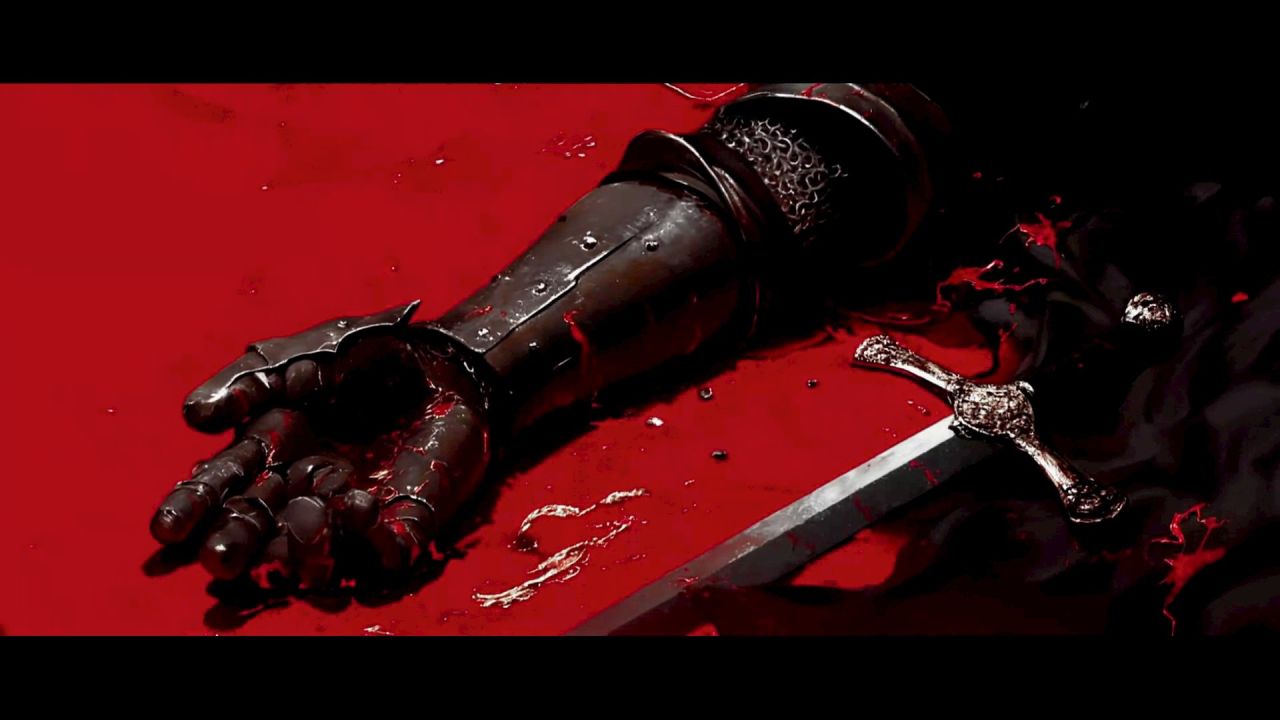
This isn't a sequel that has to live up to high standards, nor is it a licensed spin-off made with someone else's fame in mind. Rather, it is a game that entered a well-trodden genre with a clear goal: to slow you down, make you respect every fight, and ensure that every win feels deserved.
When the trip starts, the world of Netherworld Covenant is already broken. A never-ending eclipse has thrown a country that was once ruled by light and order into disorder. The sun is gone, and the darkness has spread everywhere. Creatures from hell are now moving easily through the ruins. Wars have destroyed the last bits of order, leaving behind broken societies and unsettled spirits.
In this disaster, you play the part of a marked survivor, which means you are someone who died in a fight but came back to life. The Nether Lantern, a banned artifact that connects the world of the living with the dead, is linked to this unnatural life.
This lantern lets you call the souls of warriors who have died to fight with you as ghosts by making a deal with them. These ghosts are not just tools; they are echoes of a world that has already lost it all. The story doesn't rely on long explanations or too many movie-like details to tell it.
Instead, it is given in fragments—through broken places, corrupted champions, and the remains of past choices spread across mazes generated by the process. As the trip unfolds, the story slowly explains why the lantern is there, why the world went dark, and why the survivor is still stuck between living and dying. Rather than focusing on a brave victory, the tone is somber and heavy, emphasizing sacrifice, loss, and the cost of power.
Netherworld Covenant is an action roguelike game with an overhead view. It is not like other games in the genre that are faster and more arcade-style, because of how it plays. Each run sends you through changing mazes with foes, dangerous terrain, and threats that get worse. You need to pay attention to your stamina and timing when you move, attack, or use powers.
This means players who are reckless with their attacks will be punished immediately. Progression is based on trying over and over to clear rooms, get upgrades, face bosses, and die.
The Nether Lantern is the most important factor in determining how every meeting goes. You don't fight by yourself; you call on the souls tied to the lantern to help you fight. Based on their type, these companions can deal damage, absorb hits, interrupt enemy attacks, or give you an edge in certain situations.
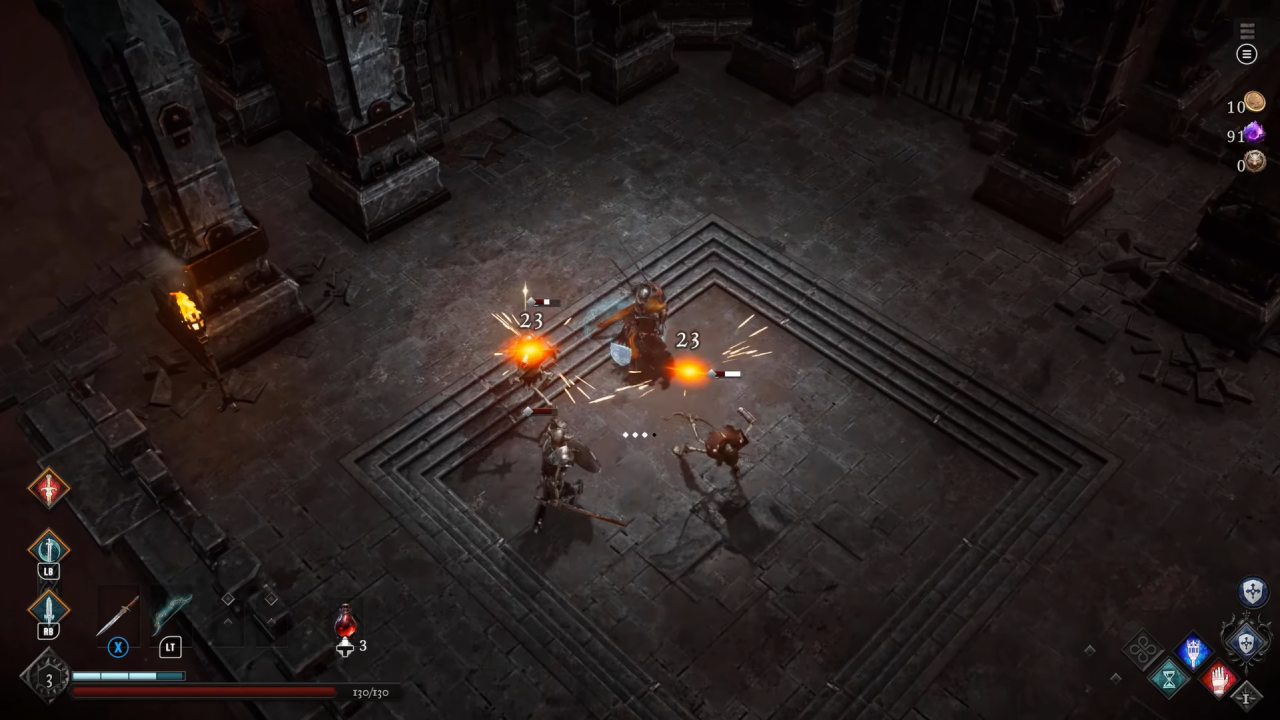
Choosing when and how to use them is just as important as learning how to use your own weapon. Every run pushes you to try new things and come up with different ways to use the tools and resources you get, instead of using the same inflexible plan every time.
In Netherworld Covenant, combat is planned, brutal, and severe. This isn't a game where you can win by frantically mashing buttons or running all the time. All foes, even simple ones like skeletons, deserve respect. Attacks are important, animations mean you have to do something, and managing your energy means you can stay alive.
All of these actions need to be done at the right time: blocking, parrying, dodging, and counterattacking. A swing done at the wrong time or a dodge done out of greed often has very bad results.
The soul partner system adds a layer of strategy rarely seen in isometric action games. Spirits that are called aren't just gifts; they fight, too.
They can stop the boss from attacking, keep the enemy's attention, or make openings that wouldn't be possible at all. When these spirits are used with the right weapon abilities, they can make highly satisfying combinations, like bleed builds, tank setups, or high-risk burst damage strategies. But, because it is so complicated, it is hard to learn. Early runs can be a lot, especially when people are still learning how everything works.
Not everything goes over well. When you do a longer run, your movement speed can feel slow, especially if you're carrying heavy weapons. While this shows the game's dedication to weight and reality, it can sometimes slow things down.
Also, because of the randomness involved in roguelike design, some runs feel a lot harder than others based on the map shapes, enemy types, and upgrades that are available. Players who like to always be making progress may find this lack of certainty annoying instead of fun.
In Netherworld Covenant, progression works on two levels: within individual runs and across the wider game. During a run, upgrades are won by clearing rooms, defeating bosses, and choosing improvements that shape your current build.
Weapons include heavy swords that focus on power and bows and staves that focus on distance and clever positioning. Souls collected through the lantern make your method even better, allowing different ways of playing to happen naturally.
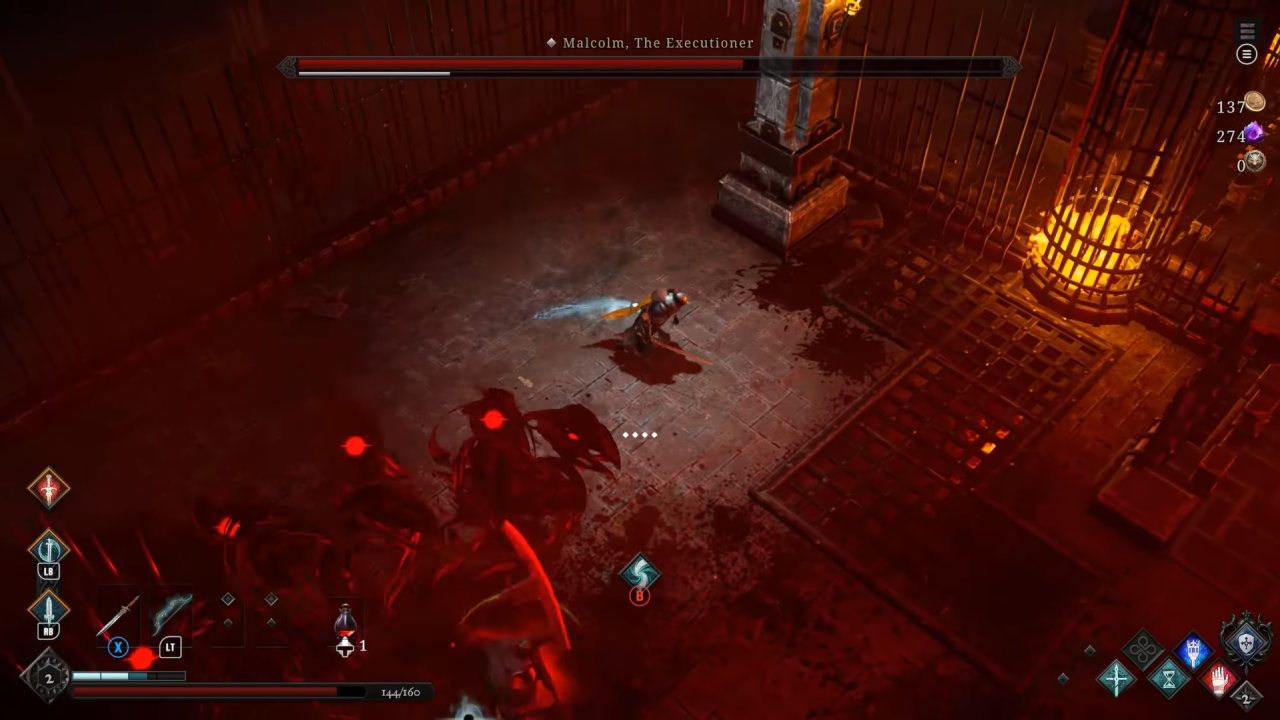
Other than runs, players can use resources like black stone to permanently move in the game. This resource can be used to get new weapons, abilities, and characters. Blueprints that are found during travel should be taken to the blacksmith because they make long-term plans possible and increase the ability to customize items.
You can play as new characters after beating them in tough duels, which are clearly marked before they start. These fights are meant to be hard; they check your skill with game mechanics instead of focusing on your stats.
One big problem is the speed of meta development. It can feel like it takes a long time to get permanent changes, especially when you first start. To see real progress, you have to grind, and the sense of growth between runs may feel like it builds up little by little instead of all at once. While this makes the game's focus on skill over numbers even stronger, it can try the patience of people who are used to faster power curves.
Netherworld Covenant uses a dark, gothic style to emphasize its themes of despair and decay. In settings like this, danger always feels present because of the bright, creepy lights and deep shadows.
The building is broken, the enemies are evil, and the landscapes are scary, all of which make the world feel unfriendly and oppressive. The characters and enemies are designed in a unique way so that you can always tell what the risks are, even when things get crazy.
The horizontal view works well here; it keeps things clear without losing mood. Animations are carefully planned and based in reality, making the weight of battle clear. The visual style might not be the most cutting-edge, but it does a great job of making a consistent and engaging world that fits with the tone of the game.
A very important part of making the battle experience feel real is the sound design. When weapons hit something, they make a nice sound and feel like they really hit something. When you block an attack, it makes a clear sound. If you miss a time, you hear a brutal sound that punishes you and makes you feel like you failed. Enemy noises help players predict where strikes will come from, which encourages players to pay close attention and recognize patterns.
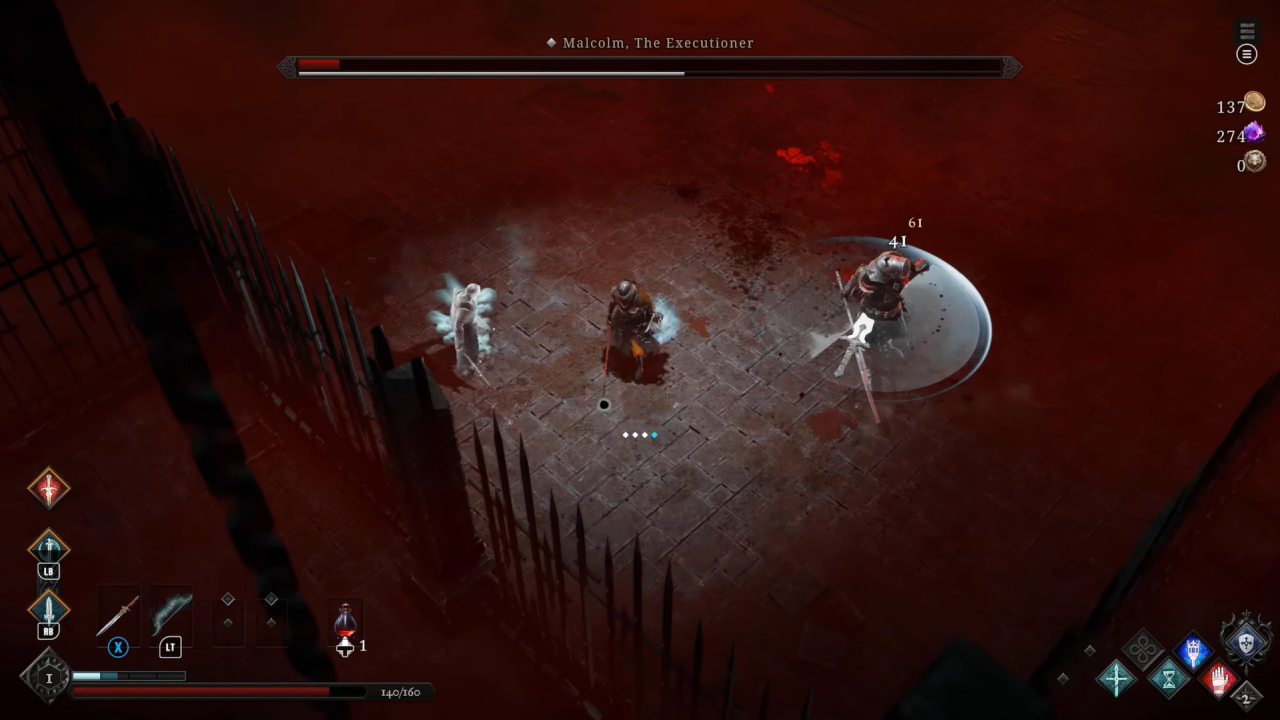
The soundtrack uses dark and moody pieces that make the music more tense without taking over the action. When you fight a boss, the music gets louder to show that these moments are important. When you explore, the music fades into a sad background sound. Sound and music work together to create a heavy mood and slow pace for the game.
Netherworld Covenant is not a game that is meant to be liked by everyone. It requires patience, focus, and the ability to learn from failing over and over again. In exchange, it gives you a very satisfying fighting system, an eerie setting, and a way to make different character builds that push you to try new things.
It is mostly good because it focuses on skillful, heavy fighting and the creative use of soul companions, but it is also slow to progress and sometimes unevenly paced. If you are ready to work with their systems the way they want you to, it can be hard and very satisfying.
Senior Editor, NoobFeed
Verdict
Netherworld Covenant is a challenging yet immersive experience for players willing to follow the rules. It values skill and planning over speed. A dark, intentional roguelike that requires accuracy and waiting.
82
Related News
No Data.