
PARANORMASIGHT: The Mermaid's Curse Review
Nintendo Switch
A coastal requiem of folklore, fractured timelines and quiet dread that proves Square Enix’s narrative ambitions run deeper than spectacle.
Reviewed by Asura Kagawa on Feb 18, 2026
When Square Enix put out Paranormasight: The Seven Mysteries of Honjo, it quietly changed people's ideas about what a modern visual novel could do. The project was created by Xeen and combined occult mystery with fourth wall awareness.
It gained a dedicated following. Paranormasight: The Mermaid's Curse, which stands alone after it, builds on that base instead of starting from scratch. As you might have guessed, The Mermaid's Curse is not a louder show, but a deeper look into the story and memory.
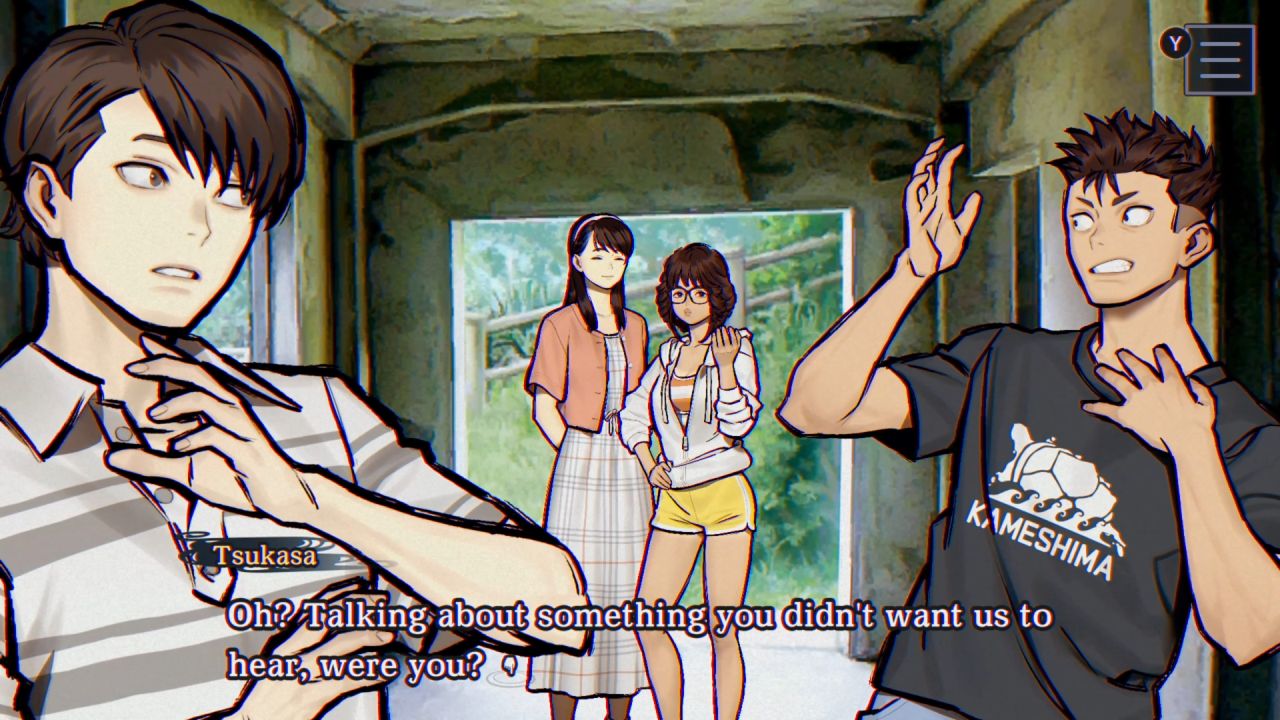
Set about a year after the events of the first game, Paranormasight: The Mermaid's Curse moves from Honjo's urban legends to the coastal mysticism of Japan's Ise Shima area. The production team has kept its story structure, which includes the branching Story Chart and telling stories from different points of view. The tactile interface and panoramic investigation methods are still in this sequel, which shows that it is sure of its own identity.
It's important to note that The Mermaid's Curse is developed through refinement, not escalation.
The main character of The Mermaid's Curse is Yuza Minakuchi, a teenage diver who is shunned after escaping a terrible shipwreck that killed many people, including his parents. He has been cursed by a mermaid for five years now and stories about it still hurt his reputation. The story starts with a dive that is almost peaceful, but then it breaks into supernatural predictions and fatal results.
The Mermaid's Curse makes it clear right away that fate can be changed, but it always has a cost. Unlike its predecessor, which was mostly scary, Paranormasight: The Mermaid's Curse spends a lot of time setting the scene before throwing in its biggest twists. The early parts of the game take place during the day, putting more emphasis on how the group works than on immediate fear.
Kameshima's island setting is more than just a background; it takes on a personality of its own, shaped by myths, loneliness and guilt that runs in the family. In The Mermaid's Curse, the curse is explained as a cultural pass-on rather than a simple evil. Timeline manipulation and planned failure are necessary for the story to move forward.
Early on, bad ends show up, often with terrible futures that force you to go back to earlier points on the Story Chart. Paranormasight: The Mermaid's Curse requires you to find hints from different points of view and different time periods and then use what they've learned in the past. This design changes reading into an investigation, which requires intellectual involvement instead of passive consumption.
At its core, Paranormasight: The Mermaid's Curse is still a text-based adventure game where you move between scenes and read conversation. You look at environments from wide angles and choose characters or items to find hidden conversations. To move forward, you often have to use up all of the talking threads first. The Mermaid's Curse rewards patience with small discoveries that make the game more interesting.

Extra systems make this loop stronger. In-game journals get bigger and have more detailed notes about local legends, character histories and the historical background of mermaid stories. The information in these files isn't just for show; it often holds the answer to later problems. In a way, The Mermaid's Curse turns reading comprehension into a mechanical necessity, combining story involvement with useful design.
Combat isn't really a part of Paranormasight: The Mermaid's Curse, but it does show up in the form of logic-based puzzles and story traps.
In some sequences, you have to fill in names or put together pieces of proof to put together what happened. Others depend on knowing what drives characters in different time periods. As a paranormal sight, The Mermaid's Curse's main attack is reasoning. There are a few puzzles that stand out simply because of how ingeniously they are assembled.
If you want to succeed in one scene that features a treasure map with multiple layers, you will need to employ spatial thinking rather than simply recalling stuff. In another, you are required to study diary notes with great attention and comprehend them adequately. It is not uncommon for the Mermaid's Curse to make things more difficult than they already are, but it does need you to pay it attention. The experience of failure is more like a learning opportunity than a punishment.
It is the dive minigame that is connected to Yuza's Diver Rank that stands out as the most distinctive recently added element. Shells and sea creatures are amassed by players in order to accumulate experience points before the air meter runs out. As you go through the levels, you have the opportunity to acquire skill enhancements such as a longer detection range or a reduced oxygen loss rate.
As a consequence of this, Paranormasight: The Mermaid's Curse makes use of this technique rather infrequently, so as to avoid causing the narrative to become more drawn out. Character identification is softly reinforced through the diving system, despite the fact that its use is quite straightforward. The development of Yuza's diving skills is, in a figurative sense, analogous to his quest for the truth at the core of his being.
It may appear as a secondary concern when it is not directly connected to the study's primary procedures. Although the inclusion of Paranormasight: The Mermaid's Curse in the book is beneficial, it is never truly essential to the achievement of the goal of solving the riddle. An experience in Paranormasight: The Mermaid's Curse is more about accumulating knowledge than it is about grinding.
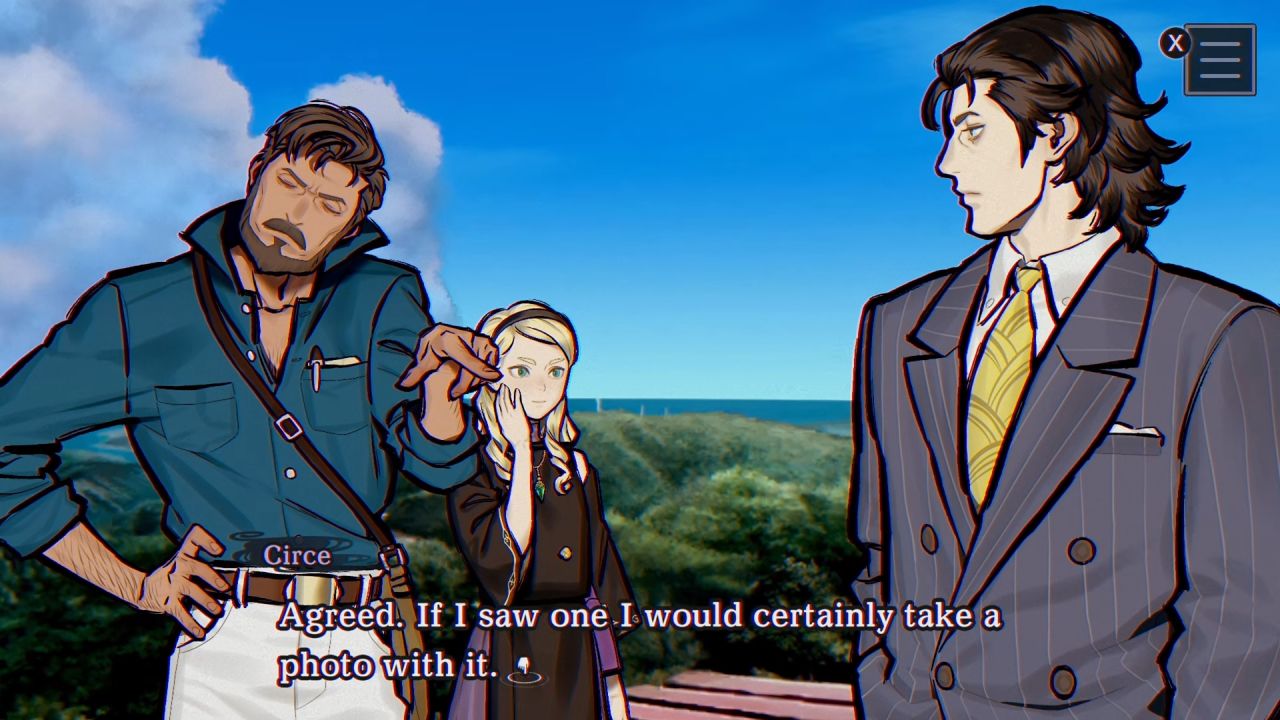
This is the point of the game. The key to genuine development is the ability to unlock memory chapters and different timelines. You need to have a profound understanding in order to uncover the concealed true ending, which forces them to piece together many indications without any assistance from outside sources.
The developer of Paranormasight: The Mermaid's Curse has faith that its players are capable of being analytical thinkers.
The graphics in Paranormasight: The Mermaid's Curse are much better than in its predecessor. Character portraits are more expressive, which is helped by the way the camera moves during conversation scenes. The old TV filter that was previously used has been taken away, making daytime scenes look bright and clear. In a nutshell, The Mermaid's Curse is clear without giving up the mood.
Backgrounds use both edited photos and drawn visuals on top of them to ground magical events in real places. It feels like the 360-degree panoramic inspection system works better and is quicker. Updates to the interface use aquatic themes to make choices fit with the theme. Paranormasight: The Mermaid's Curse shows how well the setting and style of the story work together.
Performance stays the same on all Nintendo devices, including the Nintendo Switch and all of its successors. There aren't many load times and scenes change without any technical problems. The Mermaid's Curse is better because it has a focused purpose, which keeps it from being unstable like bigger productions can be.
The sounds in Paranormasight: The Mermaid's Curse have been carefully chosen. The music makes up for the lack of full voice acting with layered pieces that switch between calm and uneasy. Returning themes from the previous episode create continuity within the identity of the game. One interesting thing about The Mermaid's Curse is that it uses music to change the mood.
Sound cues are used to carefully time reveals and mistakes. Sound from the surroundings adds to the immersion without drowning out the text. Sometimes repeated effects make things a little less tense, but they never stop people from being engaged. Insight: The Mermaid's Curse knows that silence can be just as strong as a buildup.
Those who are unable to see for themselves, The Mermaid's Curse does not attempt to be more terrifying than its predecessor. Rather than that, it goes deeper into the themes, shifting from overt horror to dread that causes you to speculate. It may feel like the pace is too slow at the beginning, but if you make it through to the conclusion, you will be rewarded for your perseverance.

In retrospect, The Mermaid's Curse is a story that matures rather than deteriorates throughout the course of its narrative. The nonlinear design of it can sometimes cause things to move more slowly, particularly when journal entries unlock in close proximity to one another. The density, on the other hand, makes intellectual absorption more powerful.
As you progress through Paranormasight: The Mermaid's Curse, you are pushed to fully immerse yourself in the mindset of an investigator. Studying becomes a ritual in this game. In the same way that the best aspects of the genre are satisfying, discovering its final truths is just as satisfying.
It is clear that Square Enix is capable of telling personal stories in games that are not massive role-playing games (RPGs), as demonstrated by Paranormasight: The Mermaid's Curse, which is a part of the wider library that the business has. The fact that size does not necessarily mean effect is brought to your attention by this. When viewed through the lens of retrospect, The Mermaid's Curse is successful because it takes into account the knowledge and emotional range of its audience.
Staff Writer, NoobFeed
Verdict
A richly layered supernatural mystery that trades relentless horror for reflective depth. Paranormasight: The Mermaid’s Curse rewards patience, intellect and curiosity with one of the most thoughtful narrative adventures in recent memory.
74
Related News
No Data.