
Realm of Ink Review
PC
A mythical dance of ink, memory, and chaos painted across a living scroll.
Reviewed by Azfar Rayan on May 26, 2026
Indie roguelikes don't typically have an actual art style anymore. There are many games that follow the same loop of algorithmic combat, recycled dungeon architecture and tried-and-true ways to progress forward, concealing it behind attractive pixel art or extremely easy levels of complexity. Realm of Ink comes into that congested field with something far more important than new items. It comes with an idea.
Developed by Leap Studio and published by 663 Games, the game combines a Chinese legendary style with fast-paced action design to create a world that feels handcrafted rather than programmed. From the minute you meet them, atmosphere and visual storytelling are not simply nice-to-haves in Realm of Ink.
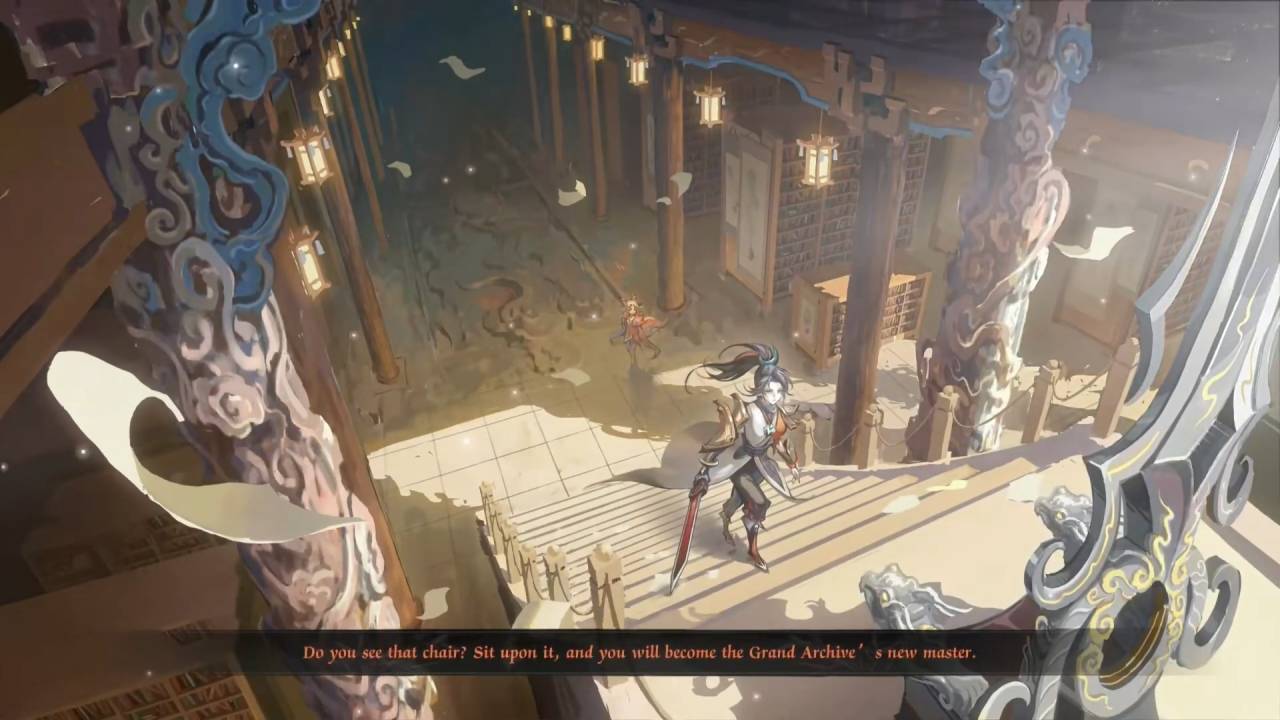
The most immediately interesting thing about Realm of Ink is how effortlessly it makes use of painterly mythology.
Set in a world of ink, in which memory, fate, and spiritual decay are all bound together through gorgeously animated scenery and emotionally charged encounters. But mythology is not only a performance in the world, but it also appears personal and haunted as if it had forgotten stories beneath layers of murder and rebirth.
Realm of Ink has the magic touch to transform design into a structure that evokes emotions. The game also comes at a time when it is increasingly difficult to bring new ideas to the roguelike genre. Hades, Dead Cells, and Risk of Rain 2, for example, have established a very high bar for how responsive the combat is and how deep the progression goes.
Realm of Ink doesn’t strive to outdo those giants in terms of technical prowess. Rather, it is based on authenticity, beauty, and a deep engagement with the theme. That creative limitation proves to be one of the nicest things about the game, as it gives the experience a sense of significance over excess.
Realm of Ink is a magnificent work of art, but it sometimes reveals issues in its construction. If the foes are not balanced, the growth pace can be stagnant; some battle systems rely too much on stacking synergies over and over instead of actually changing how foes behave. The core is still entertaining, although the game is often hard to maintain pace in longer runs.
But even on the strength of the atmosphere alone, Realm of Ink is hard to overlook in today’s congested independent publishing scene. The plot of Realm of Ink is composed of parts that revolve around memory, rebirth and spiritual struggle. You control Red, a swordswoman caught in a world of instability where creatures born of ink and supernatural beings threaten the balance of creation and destruction.
The plot develops gradually through dialogue, contextual clues and cryptic disclosures rather than through direct explanations. The fragmented method works surprisingly well. The world itself always sends emotional context.
Temples of old, black-inked and decaying, shrines lit by the fire of a lantern, spectral landscapes that seem to be a mixture of dream and nightmare, all contribute to the themes of death and rebirth in the story. Realm of Ink believes that world design is a better approach to convey emotional meaning than loading pages and pages of material.
The brilliance of Red as a lead is that the game doesn’t make her some sort of generic power fantasy type.
She’s resolute, but she’s also emotionally exhausted, and there are signs in the novel that unresolved trauma is influencing how she’s dealing with violence and fate. Realm of Ink does not shout the characters' emotions but uses mood and inference to establish their depth over time.
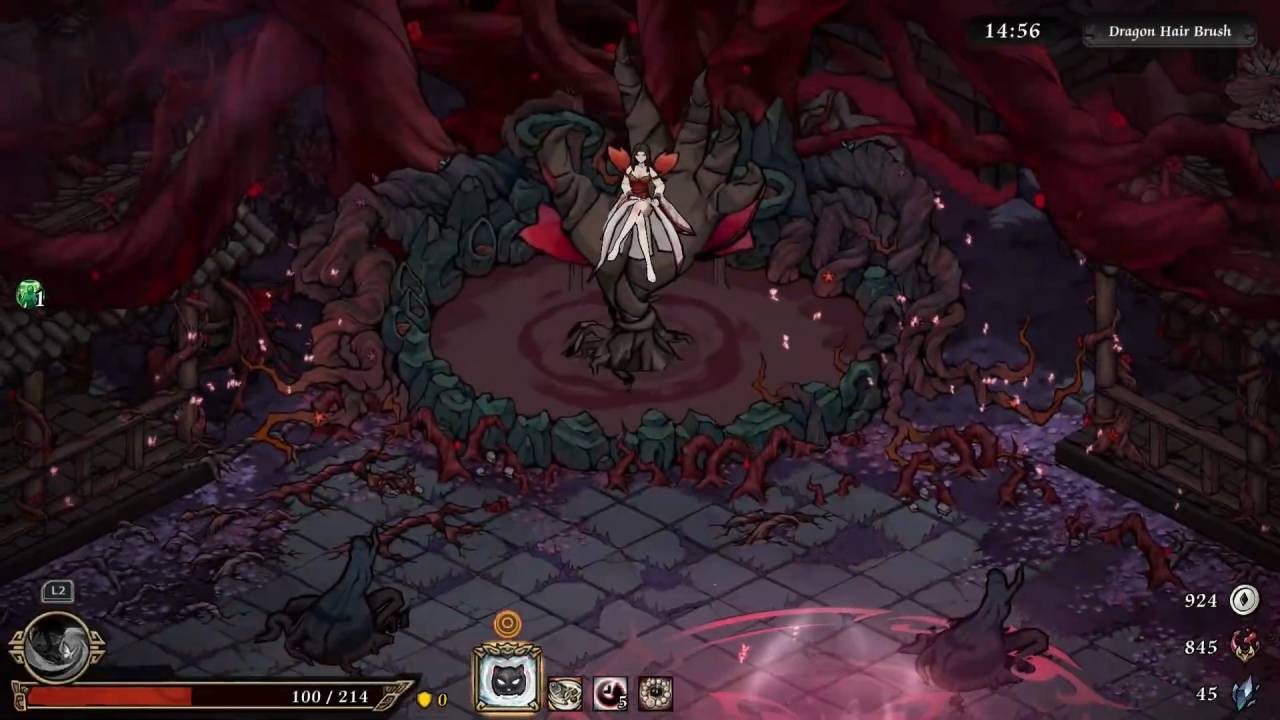
Throughout the campaign, the supporting players add more layers of mystery and suspicion. Spiritual guards, roaming soldiers and corrupted beings tell the story, and their discourse is sometimes intentionally unclear. At times, this indistinctness strengthens absorption, for the world remains enigmatic. But when the writing is off, it can get too ambiguous to allow for complete emotional involvement.
One of the best things about the story is how effectively the mythology fits into the advancement and battle systems. The world is not entirely divorced from story and gaming. Weapons, Skills, and Spiritual Friends all have implications for the overarching theme of reincarnation and the control of ink. The notion that every mechanic is at home in the Realm of Ink is always pushed further.
The pacing is not fantastic either, with crucial disclosures sometimes happening at unexpected moments throughout stretches of severe warfare. Some runs lead to fascinating story developments, others feel like they are just repeating the same things over and over again with little story progress.
Of course, there is the randomness that comes with roguelikes, which may sometimes make things less consistent emotionally, especially during lengthy sessions where you spend a lot of time grinding improvements. There are issues with the tale, but the mood is so strong that it is still emotionally fascinating.
Realm of Ink is telling you things, but not explaining them; it’s using visual symbols and broken-up events to help you slowly learn its mythology. Such emotional complexity and physical beauty are rarely encountered in independent roguelikes.
Realm of Ink is about fast-paced action conflicts, procedural exploration, and construction experimentation. You navigate interconnected battle arenas, collecting upgrades, unlocking talents and finding synergies that can significantly affect how they play each time. The structure will be instantly familiar to anyone who’s played a lot of roguelikes, and the execution is still slick enough to keep people interested.
One of the best aspects of the game is the responsiveness of movement and combat.
Red can move rapidly and correctly on battlefields, dodging enemy strikes elegantly, while unleashing swift sword combos and supernatural powers. The controls are really tight, so every error seems like it's your fault rather than an issue with the way the game is set up. Realm of Ink is all about kinetic pleasure, obviously.
Weapon systems allow you much-needed strategic freedom during runs. Different fighting methods have major effects on your speed and positioning; you should try different approaches in every fight. Some builds are focused on setting up aggressive melee chains that can quickly overwhelm enemies, while others are more on elemental effects and long-range control systems that reward patience and understanding of where you are standing.
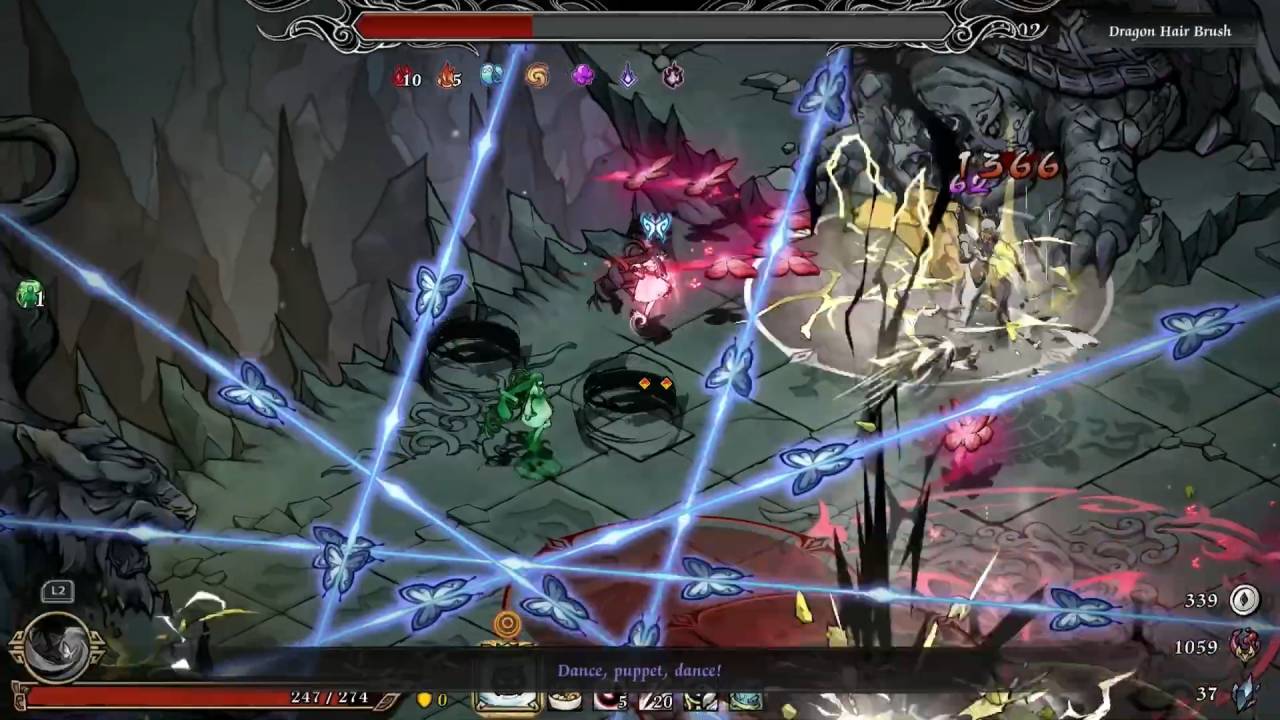
Then the ink pet system offers another level of customization. Companion creatures offer passive advantages and offensive support skills in battle that combine so well with the diverse player compositions. Some pairings can trigger chain reactions so devastating that routine bouts can turn into frenzied displays of destruction, with explosions, damage-over-time effects, and cooldown reductions.
At first, you find it exciting to employ these strategies because you succeed fast, and experimentation always pays. The addictive momentum that makes roguelikes great lies in finding compelling ways relics, skills, and companions work together. Realm of Ink encourages you to find even more bizarre combos that can turn matches upside down.
Unfortunately, the equilibrium is not always stable. There are some legendary improvements that make other methods significantly less effective, which makes it less appealing to attempt new things once dominant combos are identified. In some instances, damage over time builds can get so good that it renders combat meaningless before enemies truly get a chance to strike back.
In this imbalance, there is a weird struggle. And as long as the overpowered builds look and feel fantastic, Realm of Ink will still be a highly pleasurable game to play. At the same time, once optimal combos are released, it becomes very low-tension combat. Sometimes the game sacrifices long-term strategic significance for immediate sensory gratification.
Combat is Realm of Ink’s most crucial element, and the game works so well because every fight is both visually expressive and technically responsive. Enemy attacks demand positioning and maneuvering, while player powers reward timing and an understanding of your surroundings. Battles are violent dances drawn on a living canvas.
The adversary design is visually distinct and has different assault patterns that are noticeable at first glance.
Corrupted beasts charge across arenas without warning, phantom assassins attack from behind, and some of the bigger legendary creatures have area denial features, which make it hard to select how to move all the time. Realm of Ink understands the flow of battle and how enemies’ actions impact it.
Boss fights are where the game's artistic talents really shine. HUGE ink-covered beasts fill the screen and attack in gorgeously animated ways that are both graceful and menacing. Not damage output, every significant battle is about pattern identification and adaptive movement. The bouts are entertaining even after several attempts, which is good.
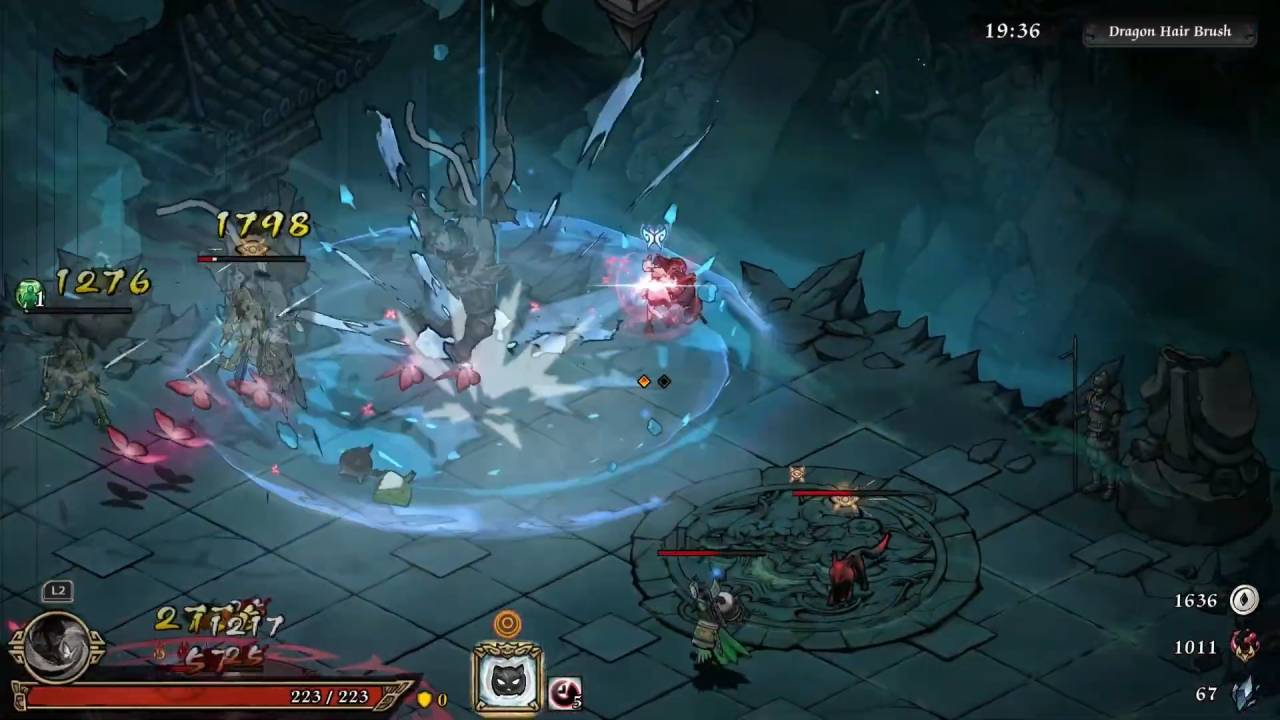
A lot of appreciation goes to the dodge system because the timing of invincibility feels spot on and not overly lenient. Good players can just flow right through these impossible-looking attack patterns, continuing the onslaught without inflicting much damage. And this is how intoxicating rhythms are produced, where control feels organically gratifying, not artificially constrained.
But there are certain faults in the battle system when you play for a long time. The enemy variety gets cut down quite a bit over time, which makes combat feel somewhat mechanical, even though they look great. While new combos and synergies might make combat more intriguing for a while, the shift in enemy behaviors is too sluggish to keep strategies fresh at all times.
Some improvements also remove a lot of the balance in combat. You can clear entire waves of foes almost instantly with combinations of high-damage explosion chains and cooldown reductions, so you don’t have to worry as much about where to position yourself or modify your strategy. Realm of Ink sometimes mistakes visual disarray for mechanical depth, especially when builds are well-tuned.
But warfare is so reactive that it always makes terrible design choices stand out more. It feels good to hit with a sword, skills go off with fantastic visual flair throughout arenas and mobility remains seamless even in the midst of the most chaotic fights. Realm of Ink realizes how vital tactile input is for action-oriented roguelikes.
There aren’t a lot of puzzle elements in the game other than fighting. Exploration can be about finding out a means to travel and picking a path, but the experience is generally more about combat flow than it is about solving puzzles. Some of you will want more varied ways to interact with the world, but the simpler framework preserves speed and momentum well.
What makes Realm of Ink amazing is how its battle systems marry creative skill with mechanical reaction.
Every attack seems to be made with purpose, every dodge with smooth motion, and every successful synergy explodes with sensory joy. There aren’t many action games that know how to make battle seem as fierce. Testing out different builds is usually entertaining in the beginning and middle phases of the game.
The exciting, unplanned energy that makes roguelikes distinctive comes from figuring out new methods to combine elemental damage, cooldown changes, explosive chain reactions, and companion abilities. The Realm of Ink is always a prize for the curious and the adventurous.
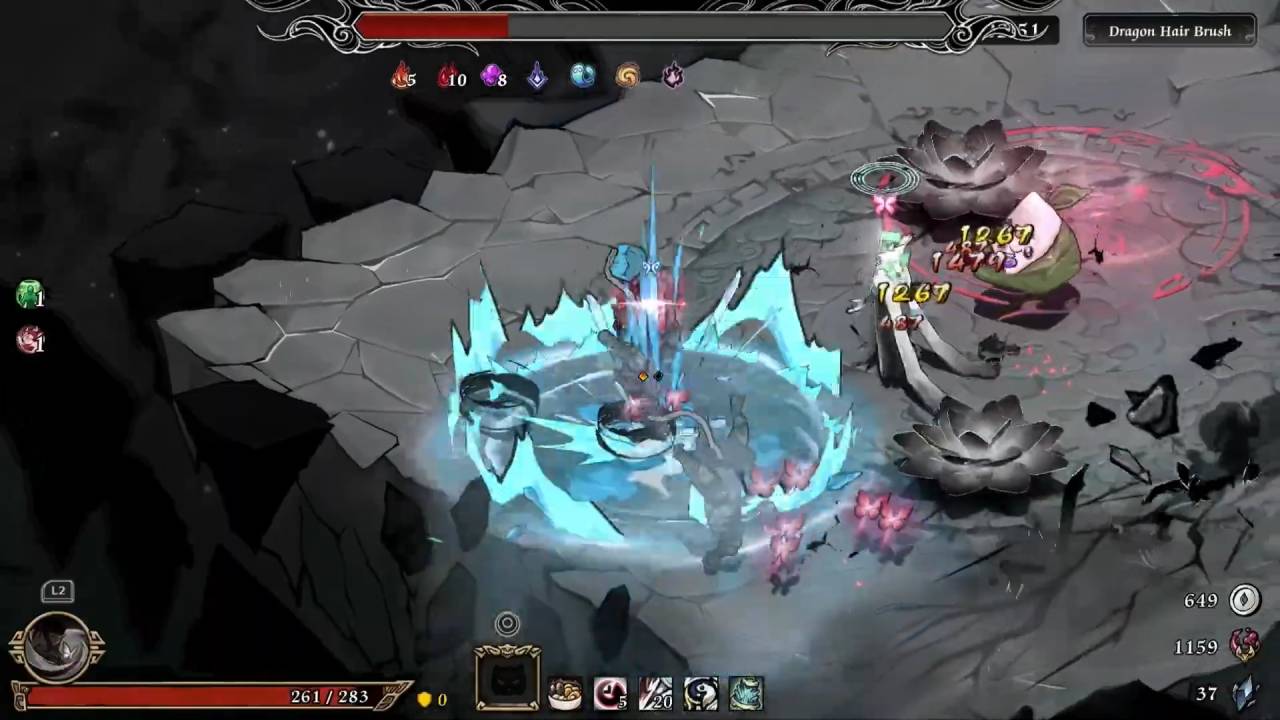
Additional strategic depth is also provided by the ink pet rules. Companions never feel like a throwaway character on the field, since their abilities may completely shift the pace of a battle and how well they synergize with each other. Some pet combos can change careful tactical playstyles into overwhelming offensive shows from whole builds.
But eventually, combinations that are too strong break the balance between creativity and challenge. A lot of the tactical drama in battles gets lost when you find the optimal damage over time effects and explosive synergy loops. Slowly, the impression of competence turns from adaptive strategy to repeated optimization.
The diversity of enemies makes long-term interaction even less likely. Visual designs are always attractive, yet after a period of playing, repetitious mechanical behavior becomes increasingly visible. There are some opponent archetypes that keep showing up too often without altering or evolving in a beneficial way.
The lack of ambient involvement might also make battles feel easier sometimes. Arenas are largely spaces to run about in, not tactical ecosystems that may alter the flow of conflict on the go. Any further land alterations or environmental threats would have considerably increased the range of strategic alternatives.
Despite these issues, Realm of Ink is still exciting to play because the core fight loop feels so well constructed. The game does a better job of fulfilling all your senses through movement, animation and audiovisual input than many much bigger productions that cost a lot more. Realm of Ink’s progression methods are all centered on permanent upgrades, unlocked skills, companion upgrades, and collecting resources through playing the game over and over.
The kind of game where you don't lose all progress when you lose.
Instead, each unsuccessful effort contributes a bit of growth that can make future efforts far more powerful. The main way to level up in the game is the inkstones. They can be used to purchase upgrades and other improvements between runs. These advancements eventually make it easier to stay alive, more offensive, and more adaptable. This also promotes the long-term investment in systems of experimentation and advancement.
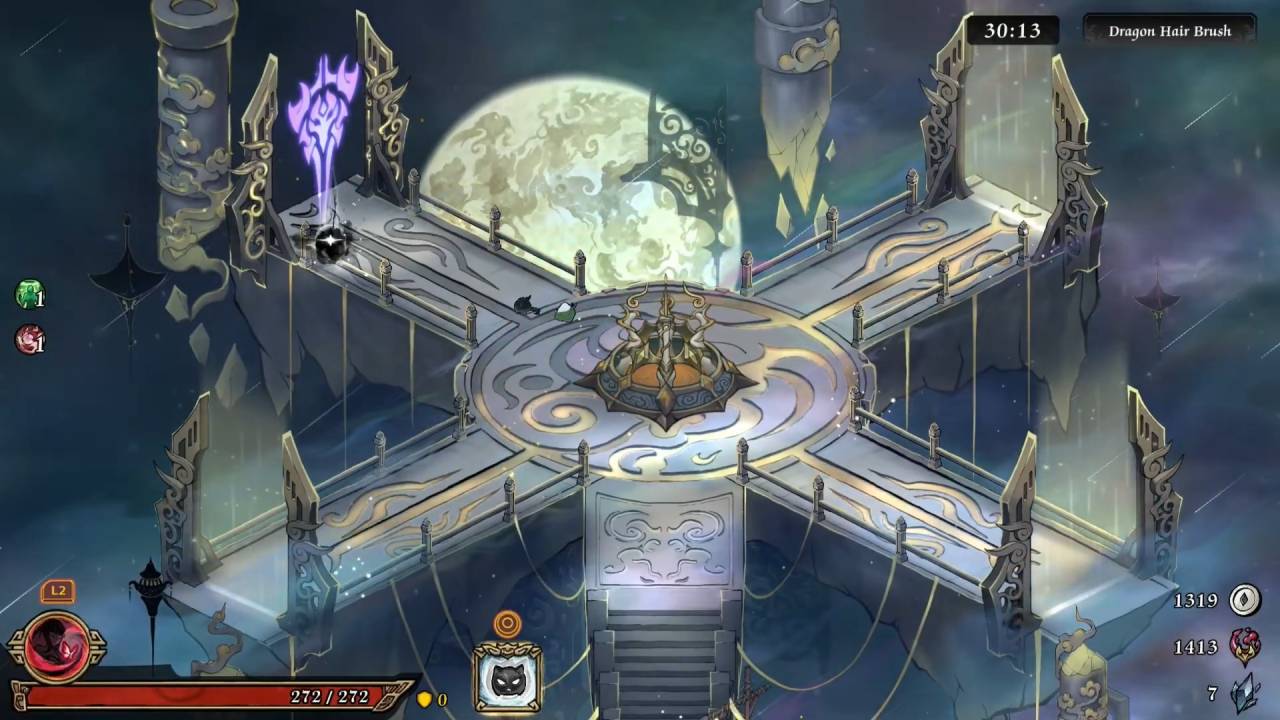
The first pace feels fantastic because it takes a while to get there and it doesn’t take much effort. There are plenty of new relics, powers and pets to keep things interesting in the early hours. The prizes in Realm of Ink are always big enough to keep you playing even if you lose.
Progression balance becomes less rewarding later in the game, though. Some upgrades are just so much better than others that they restrict the builds you can use when you find the best pairings. Sometimes, the late game pushes you to employ the same strategies over and over again, rather than try new things all the time.
Grinding isn't typically too tedious, but sometimes challenge spikes need you to do the same thing over and over again to earn upgrade materials and better relic combos. The good news is, the combat is engrossing enough that performing the same thing over and over again never feels entirely tiresome. The visual spectacle and responsive mechanics nonetheless bear the slower pace of progress well enough.
Realm of Ink performs a fantastic job of avoiding giving you too many resource management systems to keep track of. The menus are accessible, the improvements speak to each other easily, and the way you navigate the game never gets too confusing. The readability makes it easier for individuals to utilize without losing any useful customization.
The Realm of Ink is a beautiful thing to look at. The game merges ancient Chinese art forms with sleek, modern animation techniques to create environments that look like constantly flowing watercolor paintings. Every screen looks and feels handcrafted with a lot of attention to colors, light and emotional experience.
The character animation is fantastic, particularly in battle. Red moves with graceful efficiency. Enemy blows are as smooth as a painting, and magical energies run through the field of battle like ink on paper. Realm of Ink makes every interaction a dynamic, cinematic experience of mood and energy.
The style of the surroundings constantly adds to the deeper immersion.
At dusk, red lanterns are lit on ancient temples, rivers and woods are smeared with black ink, and mountains in the distance slowly fade into misty horizons. The world always feels fantastic, but it doesn’t lose its emotional closeness or visual clarity. The particle effects are especially lauded, making fighting much more dynamic without losing readability.
Explosions, elemental effects, and companion powers all play well together, and you can still view the battlefield during hectic conflicts. Realm of Ink has a talent for achieving that sweet spot between impressive graphics and good gameplay.
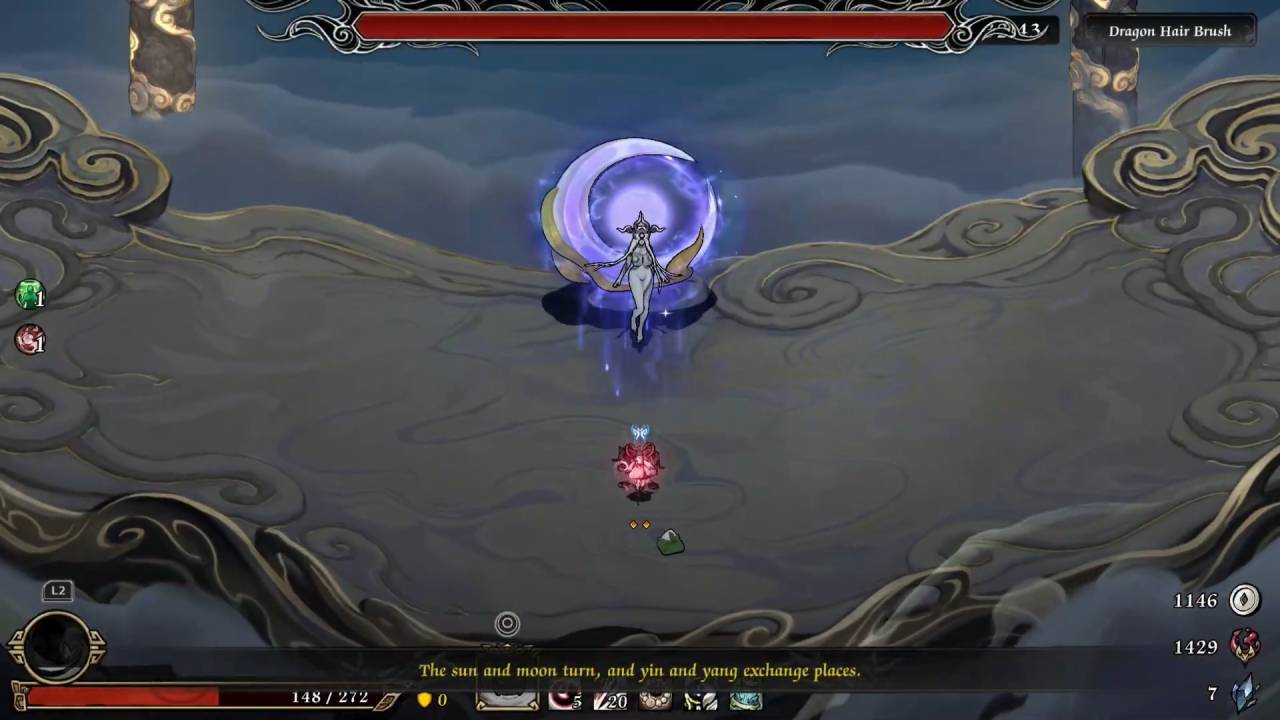
The technical performance is the same in most bouts; however, there are moments when the frame rate fluctuates during conflicts with plenty of effects and several explosive synergies. Fortunately, these instances are still infrequent and do not usually affect the response much.
The interface's style should also be appreciated for how attractive and easy to read it is. The menus are clear and easy to navigate, the advancement mechanisms are easy to follow and the information regarding battle is still easy to see without making the screen too busy. All of the game’s visuals always adhere to its artistic identity.
Realm of Ink also packs a lot of punch in its acoustic design. The marriage of traditional Eastern instruments and ambient orchestration creates an emotional realm that moves seamlessly between tranquility and turbulence. Usually, scenes don't have music that takes over too much. Instead, it gently elevates the emotional tenor of each engagement.
Combat tunes offer a lot of rhythmic energy without getting tiring over time. When you are fighting a boss, the percussion becomes really loud, and during exploration and story moments, quieter melodies are played in a way that sounds peaceful. Realm of Ink uses sound at a relentless tempo to retain the emotional pacing.
The location's mood adds a lot of depth, too. In vacant shrines, the wind murmurs, across the mountains the bells peal, and twisted creatures produce sounds that enhance the eerie feel of the place. Those little things make the experience more than just a visual thing.
It is a lot of fun to hear the sound effects in battle.
The sword hits have believable weight, abilities explode with tremendous power, and companion attacks blend in with the background noise without being distracting. Realm of Ink knows the importance of tactile audio input in fast-paced combat systems.
The voice acting is rather straightforward, but the sparse language works well with the fragmented plot. Characters communicate their emotions through mood, animation and visual symbols instead of lengthy voice-overs. But all that control ultimately makes the immersion stronger, not weaker.
With its attractive gameplay and procedural repetition, Realm of Ink is not just another roguelike jumping on the current trends of the genre. It’s a very nicely put together artistic experience based on mood, movement and depth of feeling. Everything you see, every animation used during the fight, and every natural aspect makes the environment feel real, even if it’s based on a lot of made-up stories.
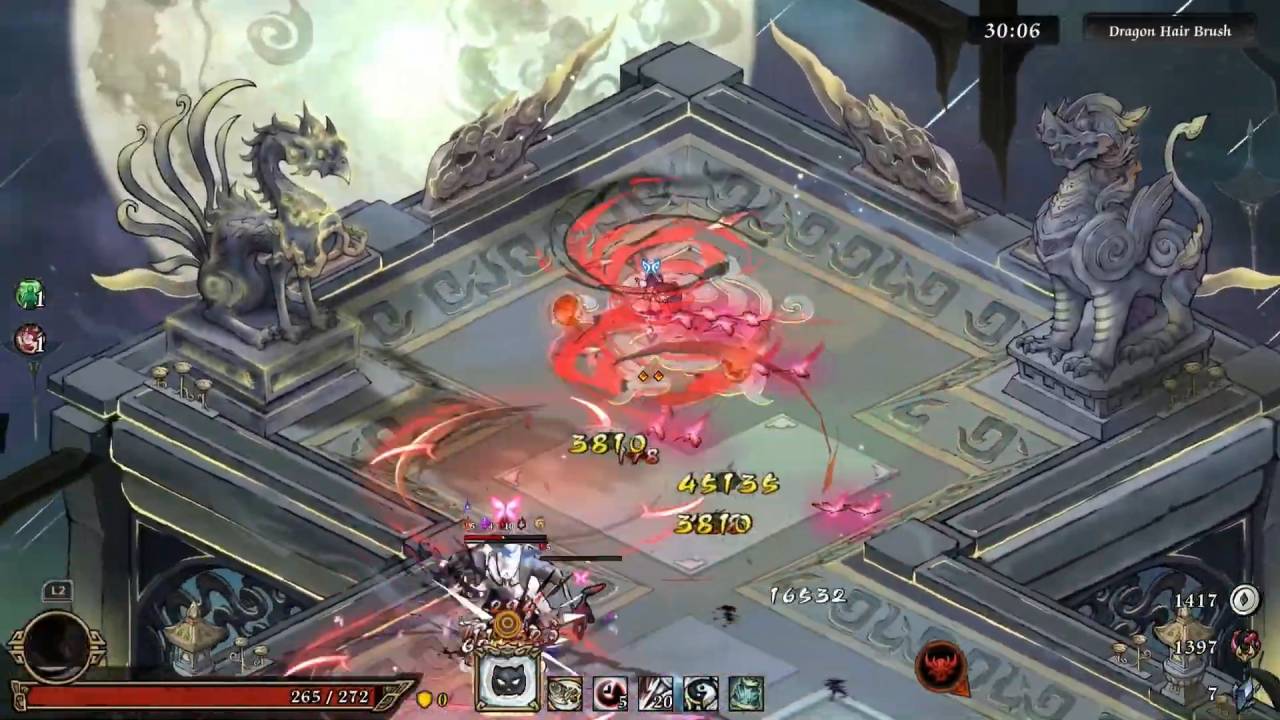
The fighting system offers a lot of sensory enjoyment with its responsive controls, stunning animation and explosive synergy potential. Experimenting with new builds is always entertaining, especially in the early and mid-game when the creative juices are flowing before optimization begins to limit strategic choices. Realm of Ink knows how to make motion appear and feel nice.
And yet the game can’t quite maintain the balance and variety of long-term fights. Enemies do the same thing too many times, some upgrades make other playstyles considerably less valuable and progression systems lose some of their experimental excitement when strong builds crop up over and over again.
Still, it’s hard to avoid the environment. Realm of Ink creates realms filled with tragedy, beauty and legendary wonder that are seldom seen in the modern independent market. It turns every battlefield into a living painting, altered by sorrow and memory.
In the end, Realm of Ink works because it favors an artistic voice over imitation. It’s based on well-known roguelike mechanics, but its emotional tone, exquisite visual storytelling and smart fighting make it seem very much like a personal experience. Realm of Ink is one of the most graphically impressive releases in the action roguelike genre, so it’s a wonderful pick for those who desire both technical and aesthetic thrills.
Senior Editor, NoobFeed
Verdict
A visually mesmerizing roguelike elevated by fluid combat with extraordinary art direction. Realm of Ink occasionally suffers from repetitive enemy design and balance issues, but its mythological world and explosive gameplay remain unforgettable.
83
Related News
No Data.