
Rogue Hex Review
PC
A tactical roguelike where every card is a choice, and every choice can change your fate.
Reviewed by Zahra Morshed on Aug 11, 2025
A great addition to the modern roguelike form is Rogue Hex. It mixes the strategic card game rules with city-building strategies in a fun and thoughtful way. Developed by the small but ambitious team at Ponywolf, the game's DNA carries the kind of bold experimentation that once defined indie hits like Slay the Spire and Loop Hero. The team's experience with hand-crafted art and systems-focused design shows in every detail.
Rogue Hex does not follow in the footsteps of genre staples as much as it sidesteps them, building its own hybrid identity that demands patience, foresight, and adaptability. While card-based roguelikes often fall into predictable patterns, Rogue Hex thrives on controlled chaos, forcing you to evolve strategies on the fly while still thinking like a master city planner.
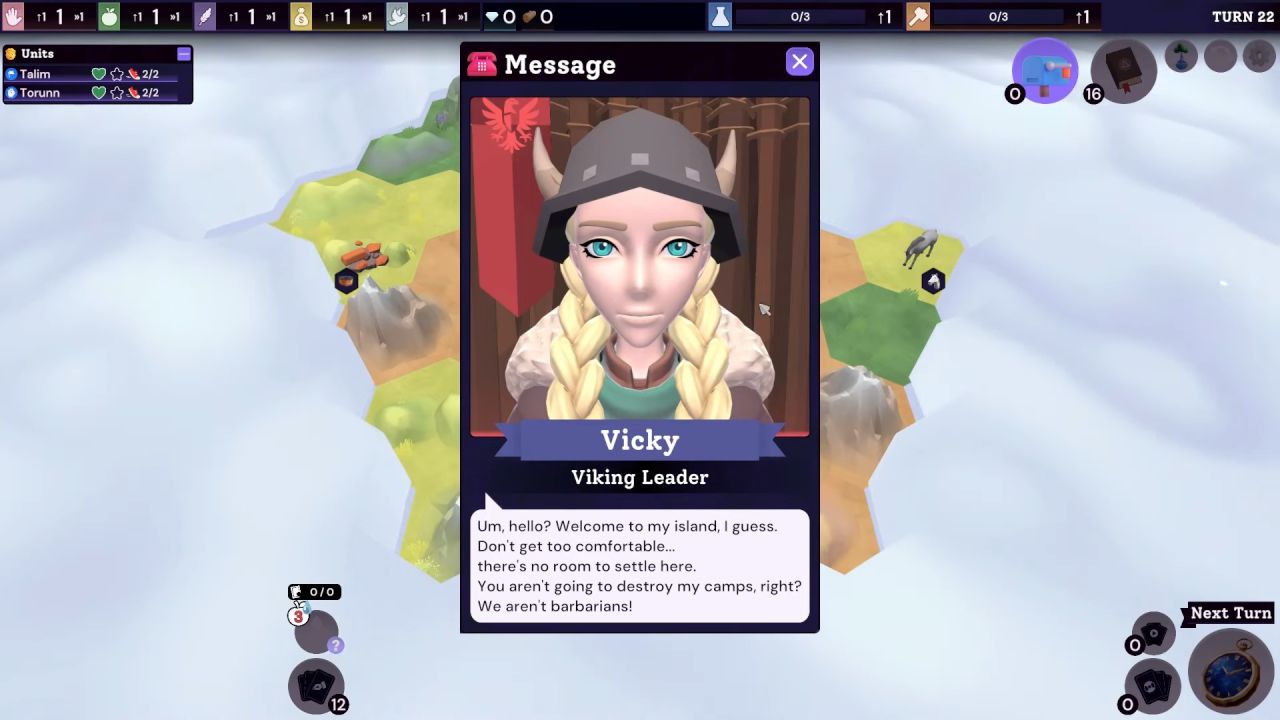
There is a hero named Barbara the Barbarian at the heart of Rogue Hex. Her job is as big and direct as her name. Her mission takes place in many different times and places, each with its own unique culture and environment, from old stone castles to futuristic steel skylines. The premise is simple but potent: Barbara must build and defend cities in hostile lands while facing a rotating cast of challenges that change with every run.
While the narrative remains mostly in the background, it is rich in implication. The fact that Barbara travels between times suggests that she is fighting a never-ending battle against forces whose nature changes with the times, but whose resistance doesn't. The building of a city feels like defying entropy and creating a temporary haven from the unavoidable destruction that will happen.
Environmental details, crumbling ruins, mechanical warbeasts, or ominous skies, whisper fragments of lore without halting the game's pacing. In Rogue Hex, the story is as much about the journey of adaptation as it is about any single victory. It is you who writes Barbara's legend through the layout of streets, the positioning of towers, and the steady expansion of influence across dangerous territory.
Building cities, drawing cards, and the randomness of roguelike games all come together in Rogue Hex. Each turn starts with a choice of hexagonal tiles, each of which is a house, a resource generator, or a tactical feature. Putting these tiles down makes your city bigger, and the adjacency bonuses and strategic placement give you a lot of options.
This is not just about expanding territory; it is about shaping a living, breathing organism that can withstand the trials to come. The card system introduces powerful effects, but also tough trade-offs. Cards can summon defensive towers, boost production, heal vital structures, or unleash attacks on encroaching enemies.
Every card has a cost, and since there are only so many draws, each choice is a risk between staying alive right now and making money in the long run. Buildings and skills that work well together give you more strategic options. For example, putting a market next to a farm will keep the economy going, and defensive walls with ranged towers can turn choke points into fortresses.
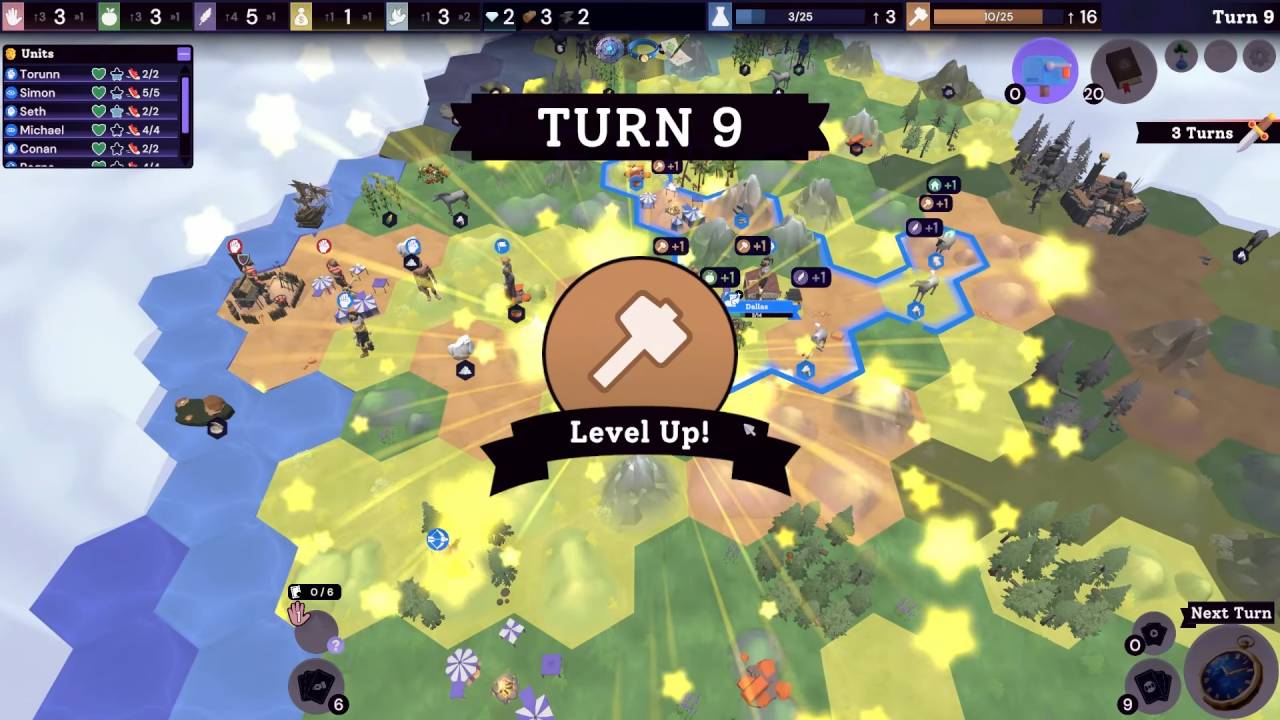
Rogue Hex is a roguelike game, which means that no two games are the same. Every time you play, the surroundings, enemy spawn points, and cards you can use change, so you never get too comfortable. It is always balanced for things to grow and shrink. If you grow too slowly, the enemy will beat you before your economy can catch up. If you go too far too quickly, your walls will fall apart. It's fun to play this game over and over because the mix changes every time.
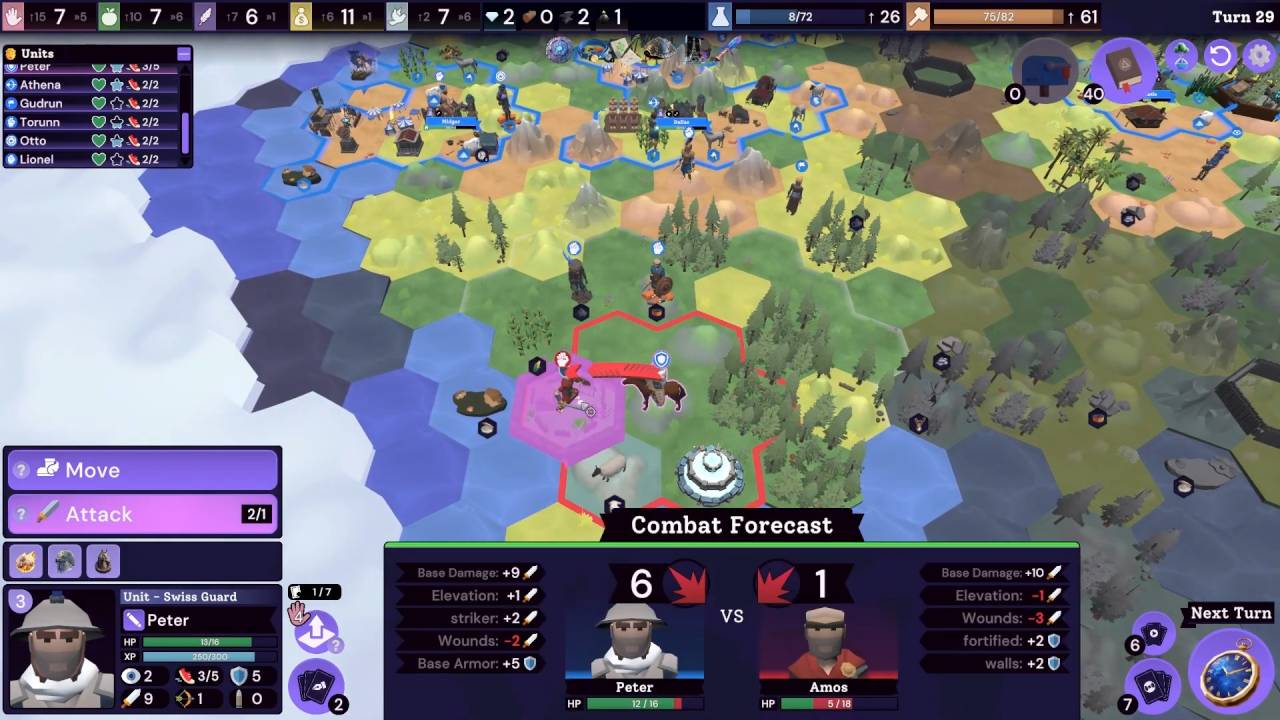
In Rogue Hex, battles are mixed with puzzles. As enemies come at you in waves, they test how well your city is laid out and how well your defenses work together. The puzzle is in how you decide to act when you don't have many options. Place a defensive tower in one location, and it may create a perfect kill zone for one wave but leave another avenue exposed. Using a strong attacking card too early could leave you open to attack later.
Every encounter requires you to answer a new equation, which changes depending on the strength of the enemy, the terrain's advantage, the cards you have access to, and the current layout of the city. Therefore, every fight becomes a complex test of your ability to see the future. The best runs are those where you, the player, not only survive the moment but set up a cascade of advantages for the waves to come.
The design excels in making each decision meaningful. Even a single misplaced building can open a vulnerability that cascades into disaster, while a clever arrangement can neutralize a stronger force without heavy losses. The puzzle aspect rewards experimentation, but it is ruthless in punishing overconfidence.
The strength of Rogue Hex's combat puzzle is in its fluidity and depth. The game is all about being able to change your mind, so there is no "perfect" answer. Those of you who read the battlefield and change their plans quickly will often win, while those who stick to their plans will often lose badly.
The main weakness is that the speed sometimes goes up too fast. Some waves can feel unfairly hard, especially at the beginning when there aren't many cards to choose from. These times can end good runs quickly, making them frustrating instead of challenging. Still, if you like making tough choices, these spikes add to the fun by making them riskier and more creative plays.
In Rogue Hex, progressing doesn't just mean adding up numbers; it means changing the available options. In between runs, you get resources and Charms, which are modifiers that can change tactics in big ways. Some Charms make the economy work better, others make defenses stronger, and still others give you completely new ways to play the game.
This meta-progression makes the game more fun to play again and again by making each run feel like a new experiment. The choice of Charms at the start of a game shapes the trajectory of the entire session. A Charm that boosts early economy might enable rapid expansion but leave defenses thin, while one that strengthens towers could encourage a more defensive, slow-growth approach.
Importantly, the grind feels meaningful. Getting new cards and powers doesn't just boost your stats; it changes how the game is played. This makes sure that success doesn't turn the game into a numbers race but instead adds to the variety of strategies.
The way Rogue Hex looks is a perfect mix of charm and clarity. The hex-based city plan is neat and easy to read, and you can tell right away what kind of building it is. The art direction leans into a hand-crafted, slightly whimsical style that softens the tension without undermining it. Color palettes shift subtly with each era, giving the sensation of real temporal movement as Barbara's campaign stretches across centuries.
Animations are understated but effective. The rise of a tower, the flicker of an economic hub coming to life, and the march of enemy units are all satisfying to look at without making the battlefield too crowded. In a game where reading the field wrong can be deadly, this clarity is very important.
The sound design in Rogue Hex serves the same goal. Each card play is accompanied by a unique sound effect, which makes choices even more important. The background sounds change depending on the period and place. For example, the quiet hum of factories in the future, the earthy tones of a medieval farmland, or the distant clang of blacksmiths getting ready for war.
The music blends mood and speed, adapting slightly to the way the game moves. When things are tense, the music gets tighter with faster, sharper rhythms. When things are getting better, it gets bigger with a more sure tone. These changes create an unconscious sense of pacing that keeps you interested without being too much for your senses to handle.
Rogue Hex isn't just another card-based roguelike; it's a carefully planned ecosystem of choices, outcomes, and the ability to respond. It makes a unique experience by combining the logic of city-building with the stress of tactical card play. Each run is different, so plans need to be flexible, and meta-progression makes sure there is always a reason to come back.
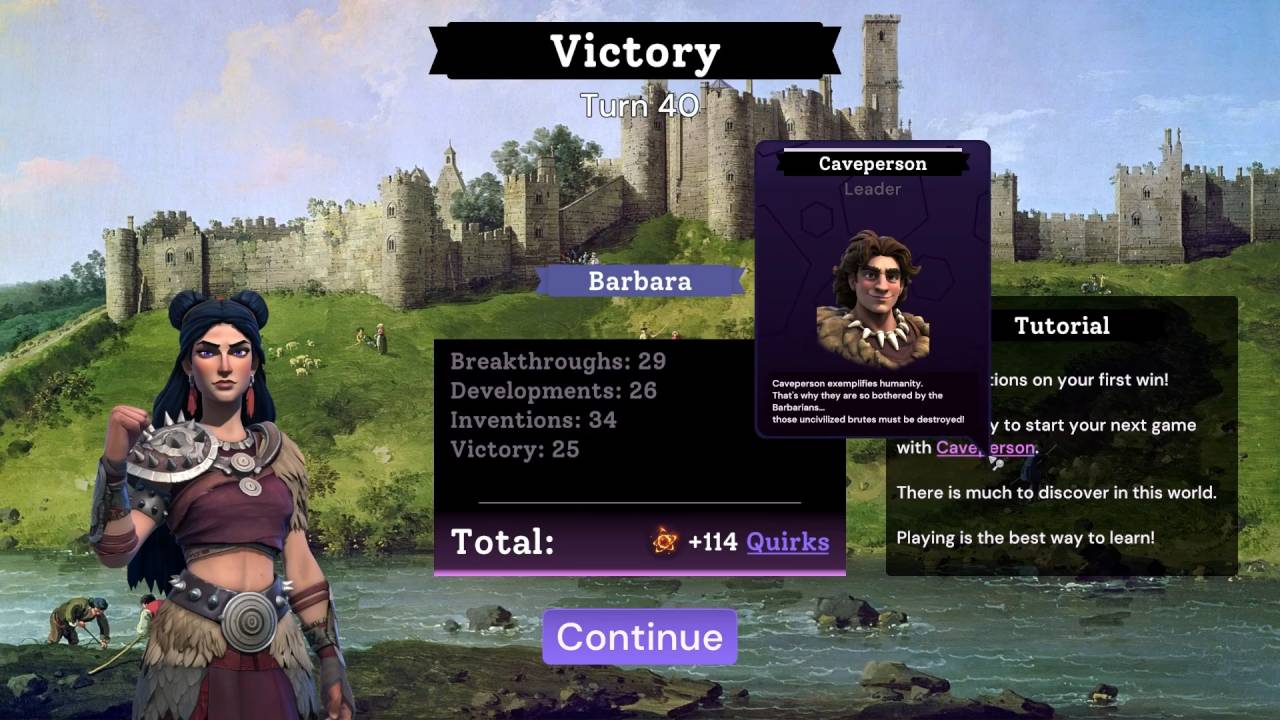
For players who are up for the task, Rogue Hex is a fun loop of building and protecting, using strategy and winging it. People who want a more forgiving experience might not want to play it because of its occasional difficulty spikes, but for a patient tactician, each loss is just another step toward success. This roguelike fuses strategic card games with city-building. You have to change Barbara the Barbarian's defenses in a world where every tile, card, and choice can mean victory or defeat.
Contributor, NoobFeed
Verdict
A compelling fusion of roguelike tension and city-building depth, Rogue Hex rewards creative strategy and adaptability while demanding precision under pressure.
75
Related News
No Data.