
Stonemachia Review
PC
Crossfall Games’ dark fantasy adventure boasts chess-inspired combat, brutal bosses, and a world full of secrets.
Reviewed by Azfar Rayan on May 29, 2026
Stonemachia looks like someone you know at first glance. It has a broken-down kingdom, scary enemies, little help, and fighting that takes a lot of patience. But after playing it for a while, it's clear that Crossfall Games didn't want to make another copy of other Soulslike games. Instead, the company has built a game that separates itself from the pack with a unique progression system built around chess and a stunning dark fantasy world.
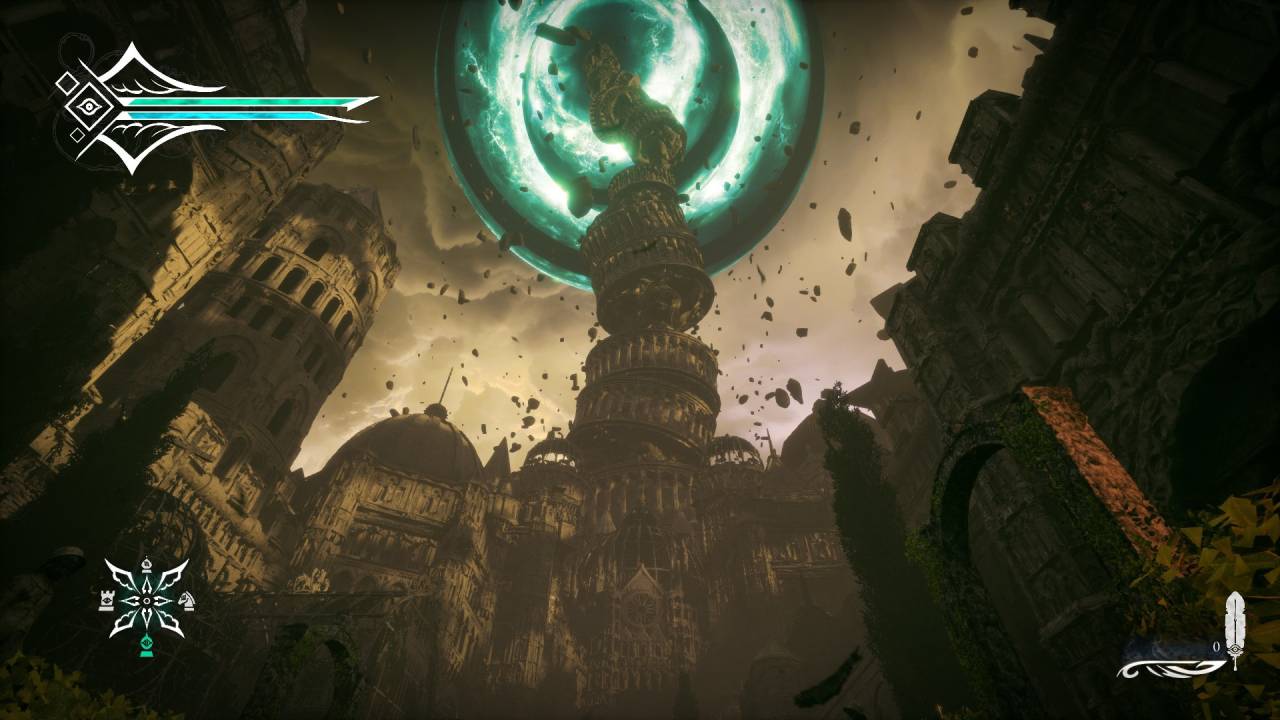
You feel it the moment you step into Stonemachia's realm. Giant cathedrals that scrape the sky, giant stone buildings that loom over the landscape, and the sense that every place bears the weight of history long past. The air is thick with uneasiness and mystery, which makes exploring fun even before you find the first secret.
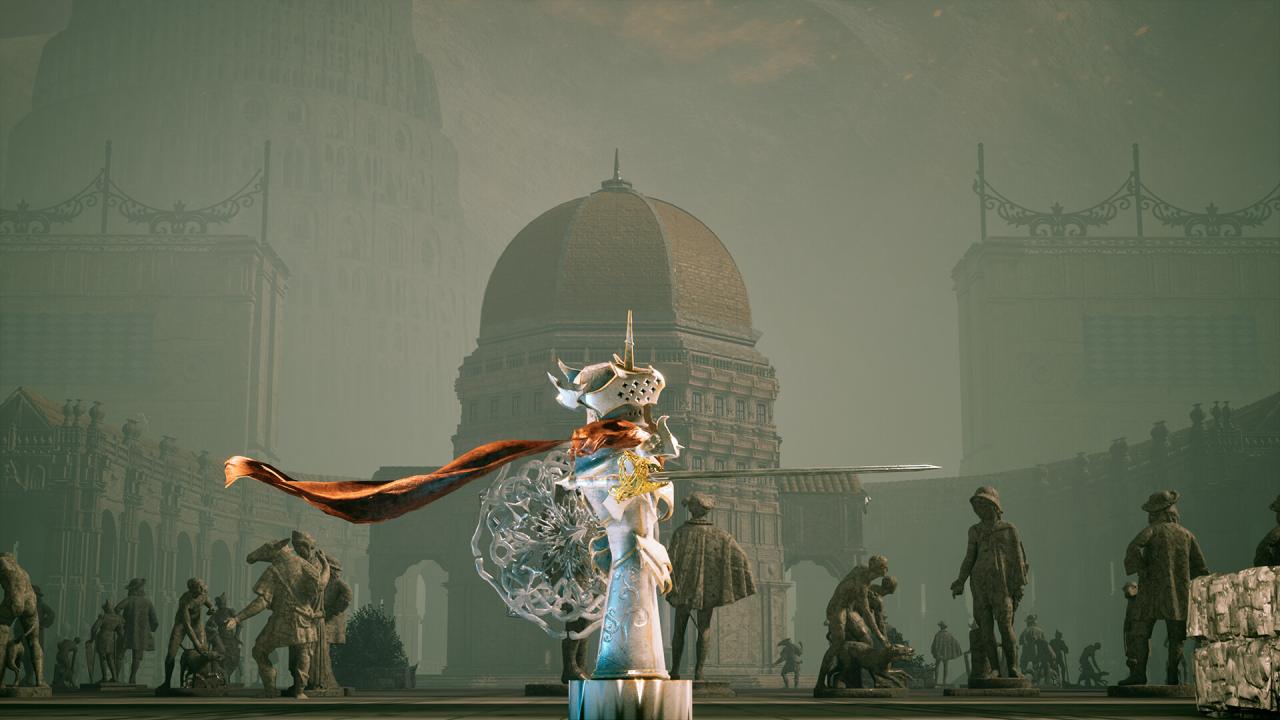
In no way does that mean the game is perfect. Stonemachia has a lot of big ideas, and not all of them work out perfectly. Some systems don't seem to have enough information given about them, and some quality-of-life features are missing. Also, the fighting can be difficult to follow during larger combat.
Despite these issues, the game always manages to keep you engaged.
The story is set in a country ravaged by a terrible event named the Plague of Angels. And while they are called angels, the people of this world are far from serene. Meeting these animals is strange, disturbing, and often frightening. Instead of being signs of hope, they stand for evil, pain, and the end of a whole society.
Fans of Soulslike games will recognize the way Stonemachia tells its stories. Instead of giving tons of background information, it allows the world to tell the story itself. There is hidden information in the environment, the enemies, and the story. As you pay attention to the things around you, you slowly put together what happened.
This method works because the world is just really interesting. It all seems to be part of the bigger story. The broken buildings, huge figures and empty buildings all contribute to the feeling of loss and decay. Even when the game doesn't give you clear answers the setting is still interesting enough to make you want to learn more.
The stories can sometimes become too unclear though. Sometimes the game seems more interested in being mysterious than providing useful information. This design decision will likely appeal to players who enjoy piecing together stories. There are parts of this story that might not sit well with those who enjoy a more cut-and-dry plot.
Stonemachia's worldbuilding, however, remains one of its greatest strengths. The country seems real, like it fits together well, and is full of history. It never feels like a bunch of separate places were thrown together for convenience's sake. It is based on a lot of classic Soulslike ideas. Managing your energy, being careful with your positioning, and knowing how the enemy attacks are all important parts of combat. Every action has consequences, and mistakes are often dealt with quickly.
What makes the game really different from many others is that it has a change system based on chess.
You start as a Pawn, but as you go on, you will unlock more shapes based on chess pieces. These changes don't just give you minor advantages in battle, they change the way you fight. The Knight is fast and can move around with ease. The Bishop brings his own particular skills to encourage a more strategic way forward. The Rook sacrifices speed for strength and endurance.
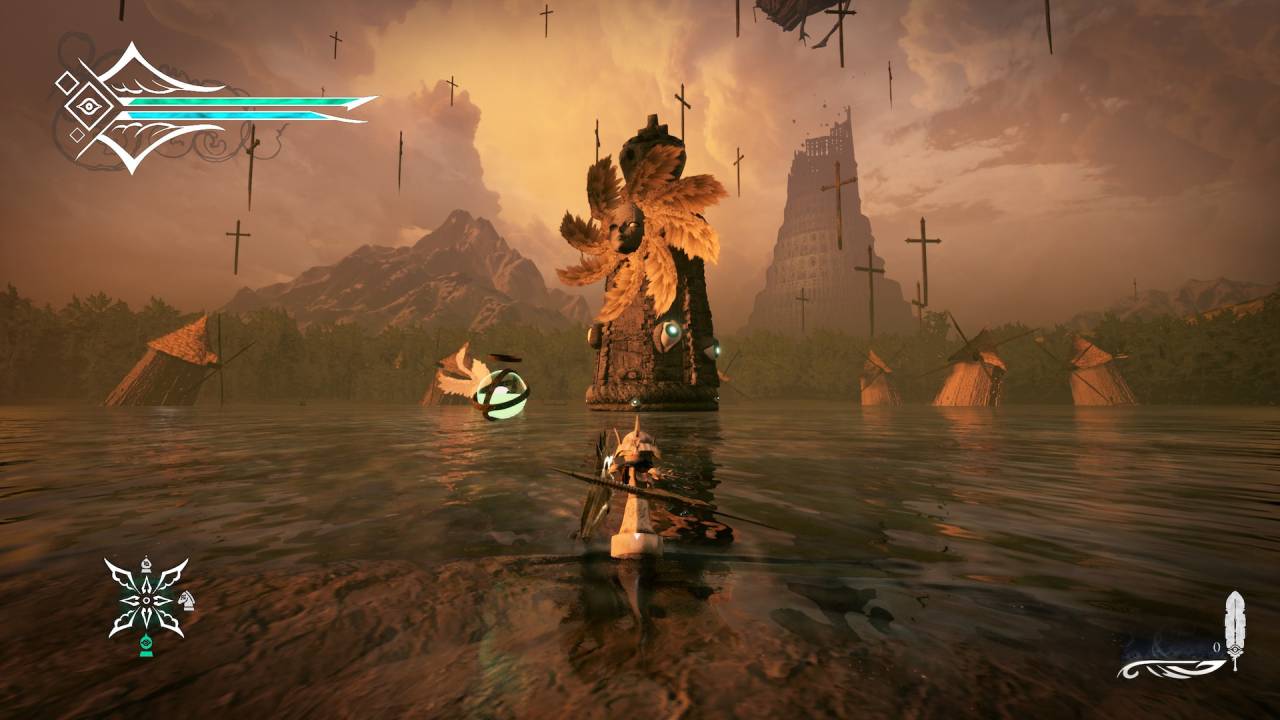
These changes really make the game more interesting. You don't want to be following one plan throughout the adventure, you want to experiment with different approaches. Using different forms for different types of enemies means that you can change how you play depending on the situation.
What's more, the system gives Stonemachia its own character. Many Soulslike games just take ideas from other games in the same genre without adding anything new or interesting. That’s Stonemachia. You can see the changes that occur in chess after you play.
It's a pity that some mechanics are badly taught. An excellent example of this is the Queen Form. It's very easy to miss some important details of how it works that could have been avoided with better instructions and caused confusion. The game often expects the player to figure out important features by trial and error, which isn't always the best way to do things.
Combat is the core mechanic of the game, and it's where some of the best moments of Stonemachia happen. Enemies are mean and can do a lot of damage. You won't be able to get through difficult situations in this game by fear rolling or attacking without thinking. Most enemies require a keen eye to take down, and a good number of them use delayed attacks that are meant to punish fast reactions.
Once you start to grasp enemy behavior, the battle system really comes into its own. Figuring out when to attack and how to find openings makes battles that initially seem impossible much more manageable. Some of the best parts of the game are when you start to feel like you are making progress.
Good parries should be met with some extra praise. The audiovisual feedback is great, so even well-timed counters feel like they matter. When you parry a dangerous enemy, the fight can change totally, and it's one of the most satisfying things you can do in battle.
One of the best things about Stonemachia is definitely the boss fights.
There are a lot of them, and most of them stick with you. Some look like giant stone guardians, others more like religious figures from a bad dream come to life. The way they look fits right into the world of the game and adds a lot to the mood.
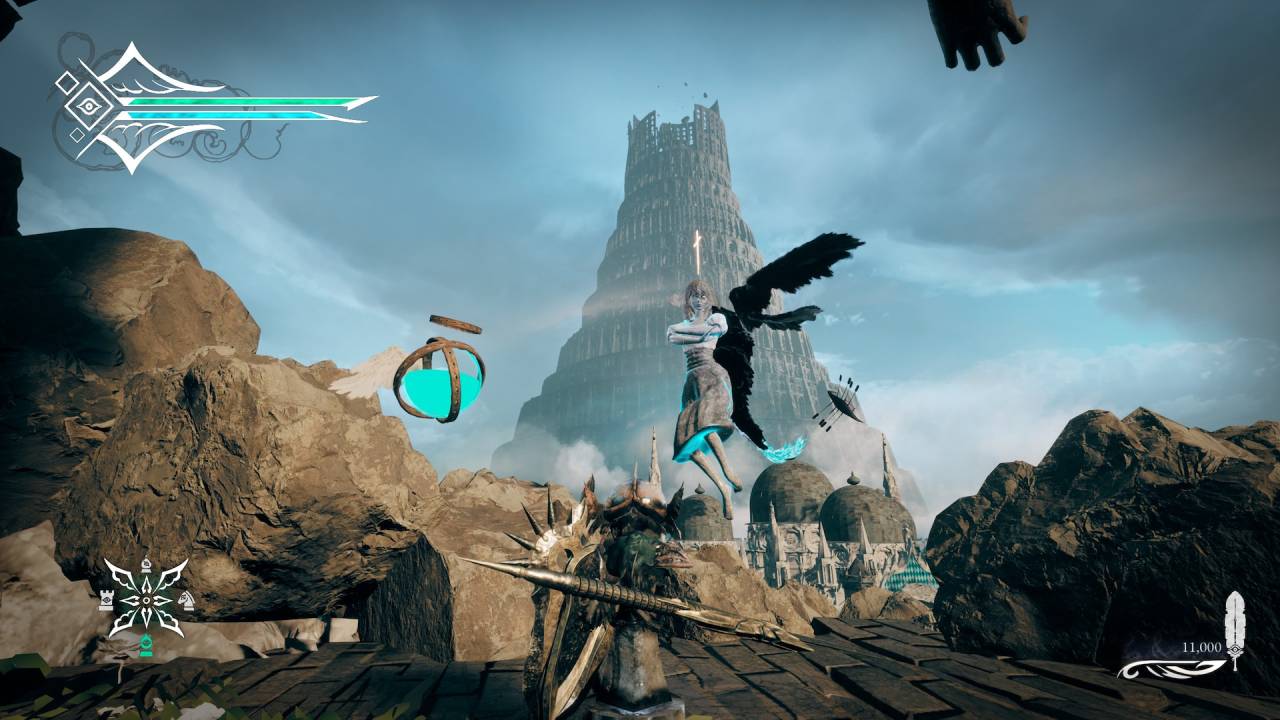
A lot of bosses want you to really know how the game works. They aren't just damage sponges with life bars that are too big. The trick to winning is still learning their patterns, adjusting to their attacks and growing as you go. Beating a tough boss is good because success is typically a result of skill and understanding rather than brute force.
Still, there are some problems with fighting. The biggest problem is just seeing well. There's a lot of camera shake, which can be annoying in larger situations. It makes strikes more powerful, but it can also make things harder to understand than they have to be.
In fact, this applies even more for types such as the Bishop or Rook. Their increased abilities result in impressive visual effects that may occur at the same time as enemy actions. The combination of these effects with camera movement and enemy skills can result in a crowded screen.
In a genre where timing and awareness are important, not being able to see clearly can lead to some frustrating deaths. Some of these deaths feel fair because they are the result of mistakes. Some people think it was unfair because effects or camera movement covered up important details.
Some graphics also don't have the polish of Soulslikes with bigger budgets. Not often enough to ruin the experience, but these moments do happen from time to time and tell you that this is an independent project with fewer resources. The framework of progression is well known. You can use the materials you get from defeating enemies, bosses, and discovering secrets to make your character stronger.
Thankfully, Stonemachia doesn't often make you grind too much.
The progress seems related to learning and exploring, not to gardening, and gardening, and gardening. This makes the character development feel organic as the story progresses.
One of the best things about the game is the exploration. Secret passageways, areas, optional encounters and valuable prizes are scattered around the world. The game doesn’t constantly guide you to goals, but rather trusts you to look around and find things. This part of the experience is satisfying when you feel like you discovered something new with this design theory.
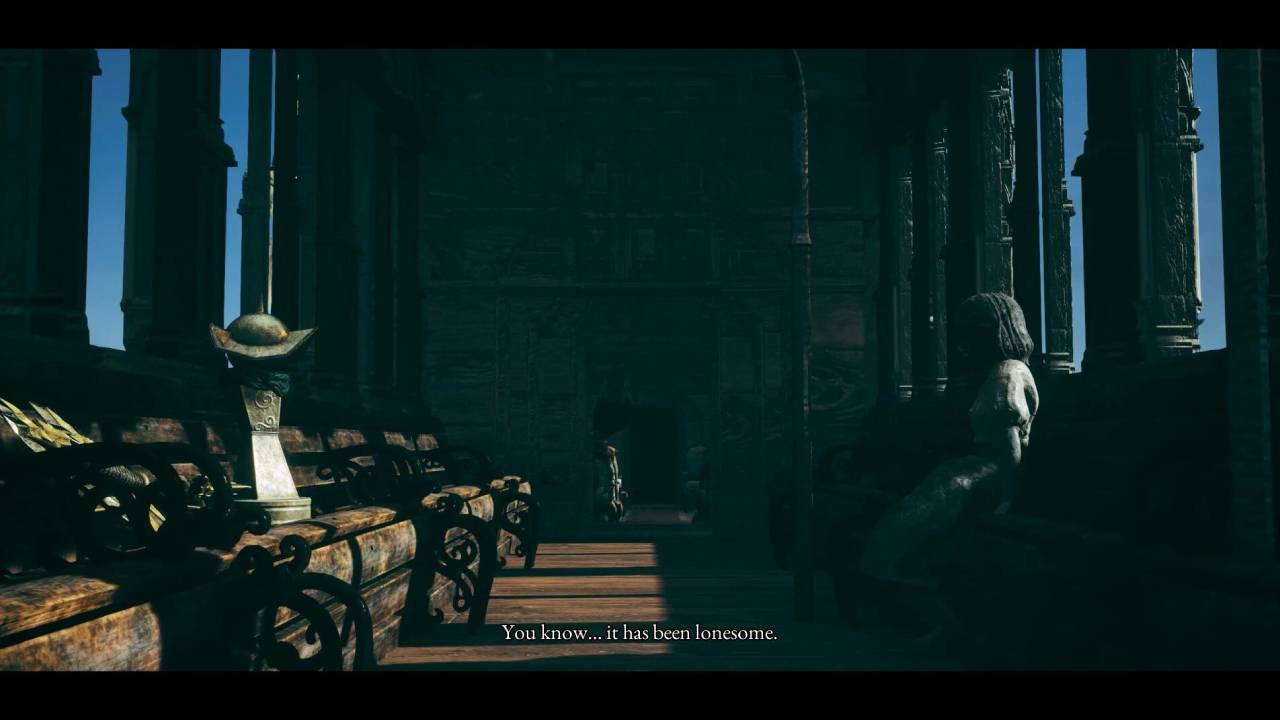
There are no clear indications to help you find a hidden path or an optional area, so it feels good when you find them on your own. There are also a lot of secrets in the world that make it worth replaying. There are reasons to play the game again after you finish it like different builds, alternate forms, and secret content.
However, several quality-of-life issues hold this part of the experience back.
One of the biggest problems might be the lack of fast travel. In the beginning of the game, it's not a big deal, but later on, you have to go back and fix things that were missed, which is annoying. Going back to old places takes longer than it needs to, which slows down the exploration process generally.
Also, save points could be made better. At the moment, they don't show map names, which can make it hard to find your way around if you haven't played in a while.
Managing skills is another annoying thing. There isn't a page that lets you review skills you've already learned whenever you want. Most of the time, you have to go to NPCs or checkpoints just to look at information that was there at any time. Each of these problems seems small on its own, but when put together, they make the whole process more difficult than it needs to be.## Pictures
Stonemachia is a great example of how artistic direction can make up for a lack of money.
There is a lot of mood in the settings. Big temples, stone hallways that go on forever, tall statues, broken-down fortresses, the world always feels old and haunted. All of the locations impact the mood overall, so exploring is fun even without any rewards at the moment.
The designs of enemies are just as amazing. Angels that have been perverted and other monsters are scary without just being bloody or shocking. Their looks support the game's themes and help make a memorable visual character. Things aren't always great. Some movements look and feel rough, and some technical flaws become clear as you play for longer periods of time. Still, the art direction is good enough to carry the presentation.
The mood is always supported by the sound design. Weapons feel powerful, enemy attacks are real, and successful parries give you good input. Without strong sound design backing up every move, combat would not feel nearly as satisfying. The music on the album is pretty simple. Rather than constantly bombarding the experience with dramatic music, the game frequently gives over to silence.
Because of that choice, empty hallways and passageways become more unsettling.
When music finally comes on during important events, it makes the moment better without taking over. Along with sounds of the environment and creatures, the soundtrack helps keep the tension high during the whole journey.
Stonemachia is a game with both good ideas and clear problems. Its transformation system, which is based on chess, gives it a unique look. The mood is always great and the boss fights are often just the sort of challenging Soulslike fans want. Exploration is still fun throughout the adventure and the world is interesting enough to keep you interested.
The game just isn't as tight as the best games in the genre. Camera shake and visual clutter can sometimes interfere with battle. You don't always have a clear sense of how things work. Missing quality-of-life features create unnecessary issues while making progress.
Stonemachia works despite these issues because it's ambitious. It's a game that feels like it was made with a clear artistic vision in mind, not just following a list of trends in the genre. There's a lot to like about this game for people who like exciting action RPGs with moody settings.
Senior Editor, NoobFeed
Verdict
Stonemachia is a memorable indie Soulslike game with a great mood, creative chess-inspired gameplay, and tough boss fights. It has some technical issues and lacks certain quality-of-life features, but its pros outweigh its cons.
74
Related News
No Data.