
The End of History Review
PC
Early Access
When one life tries to hold a collapsing world together.
Reviewed by Maisie Scott on Dec 14, 2025
The End of History is a quietly ambitious RPG that feels like it was made with artistic stubbornness instead of following trends. It's not trying to be a big, flashy movie that a lot of people like. It is better at complex systems, harsh survival rules, and long-term world simulation.
People who are interested in what happens when history gets messy—when countries fall apart, technology advances in fits and starts, and one person is expected to be important in a world that doesn't care—probably made this game.
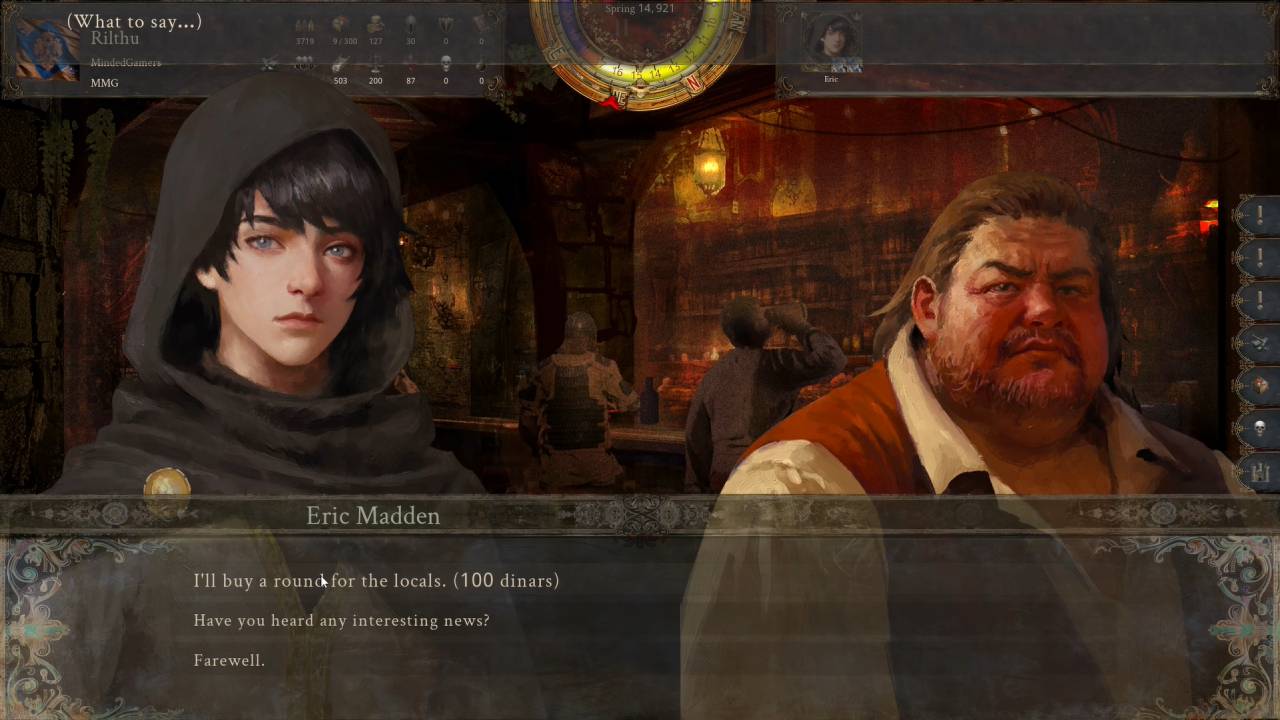
Even though it's still in early access, the game seems to have a clear goal: to create a live political sandbox within a story about the breakdown of society, the rapid growth of technology, and the fight to survive over the course of decades.
Instead of making you feel like a special hero from the start, the game puts you in history as just another person who lived a long time. You're not invincible, but you live longer than most.
As you slowly get older during years of peace, war, betrayal, and growth that isn't always easy, kingdoms grow, break apart, and then put themselves back together. Just that idea makes The End of History different from most other role-playing games.
It doesn't care as much about great arcs as it does about endurance—how long you can keep going while the world falls apart.
The End of History is a single work that tells two stories simultaneously. One is personal: how you went from being unknown to having power, whether as a noble, a faction loyalist, a bandit boss, a trader, or an unwilling politician. The other is systemic: a world that can be seen falling apart if nothing is done. Nations are always at war, technology moves forward in fits and starts, and the security of a society is like a collapse meter that tells you history can fail, too.
The story isn't told through clunky text or voice acting. It comes out through events, emotions, relationships, and results instead. Characters can remember when they met up to the month. People stay angry for years after someone kills their friend in a fight.
If you help the wrong group, whole areas will cut off their political and economic ties with you. People get married. Kids are brought up. Former rulers are killed, sometimes by people who used to be loyal to them. You see these events as part of a living timeline that keeps moving whether you interfere or not, not as cutscenes.
There is a main mission that gently encourages you to deal with the problems in the world, but the game is also fine with you ignoring it. The story starts to evolve when you use the game mode. You could spend years trading things in peacetime, only to be pulled into war when the lines between countries change.
You might try to be diplomatic, but you'll see that people don't really want peace for long. Rather than using over-the-top emotion, the writing sticks to dry, harsh reality. History doesn't end with flames; it ends with tiredness.
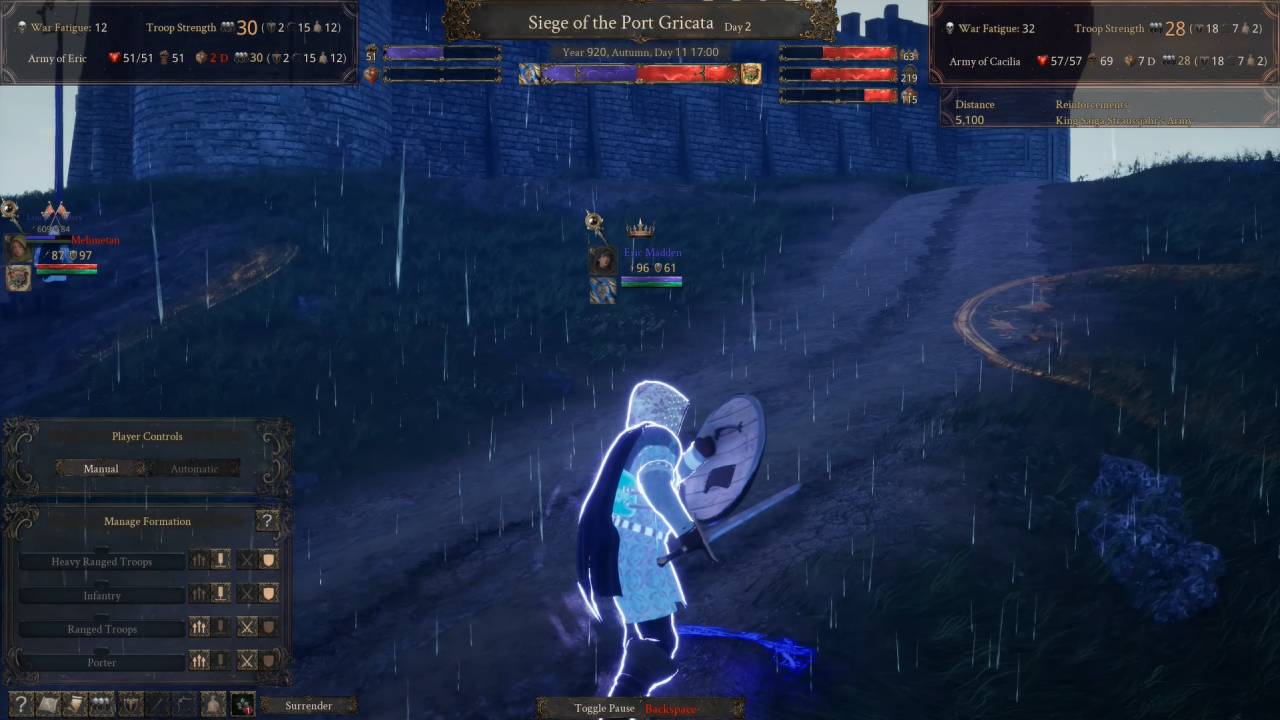
In The End of History, moving, planning, and making decisions under stress occur simultaneously. You journey through a big world map, keeping an eye on your food, health, morale, energy, and the number of people in your party. Just walking uses up energy. Danger is more likely to happen if you don't move for a long time. Bandits roam the land and are very aggressive, borders are watched by rival nobles, and wars start with little notice.
Towns are lifelines. Inside them, you can take a break, heal, trade, invest in infrastructure, fix walls, hire soldiers, listen to rumors, take quests, and deal with political groups. Each decision made here will have consequences. Investing in crops helps the food supply. Fixing walls helps keep people safe during sieges. Trading during downtime can quietly make you rich, but when war starts again, you'll be a target.
There is no loop that gives you quick pleasure. Things are moving slowly, and it can be hard to wait. It takes time to fill orders. It takes time to do research. It takes time to travel. Even relationships take years, not hours, to develop. This slow, planned-out pace reinforces the theme: the past doesn't change quickly, and neither does this game.
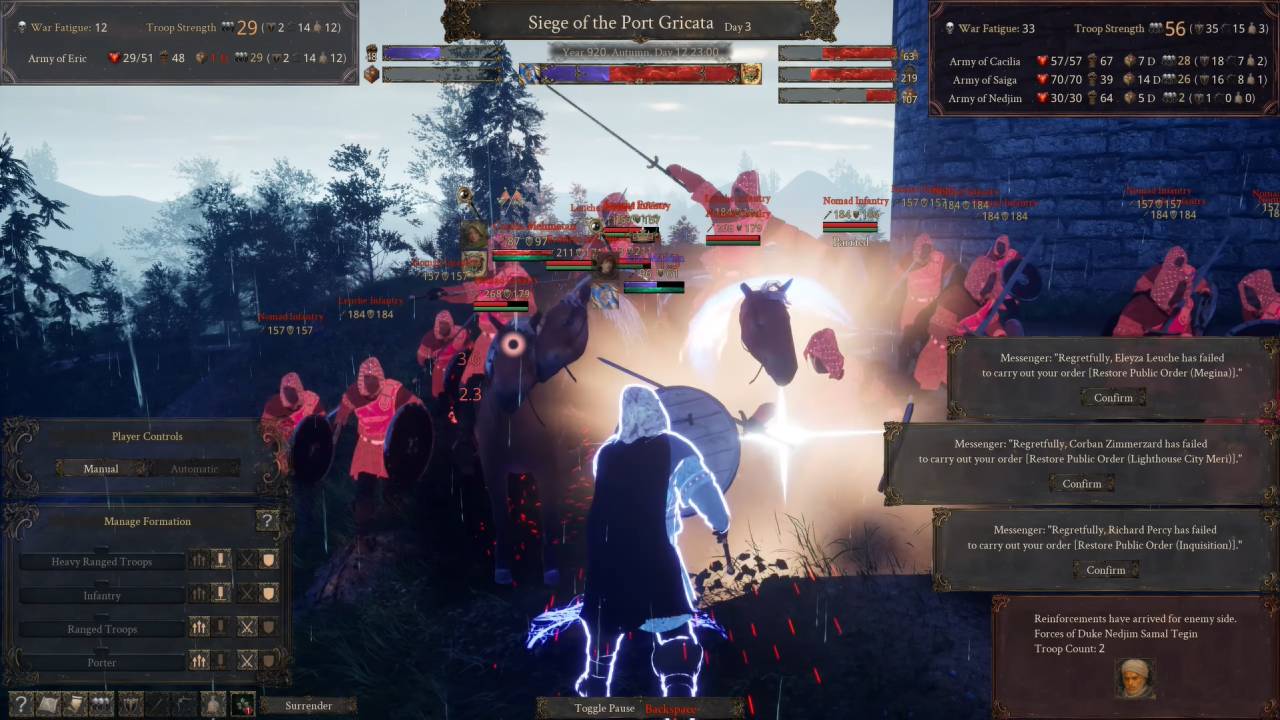
In The End of History, combat works, but it can be tense and annoying at times. Real-time battles often have uneven chances. While you directly control your character, you are in charge of a small group of soldiers. Managing your stamina is important. The land affects things. Cannons can end fights before swords even come close, and bad timing can leave you stun-locked and unable to move.
Parrying is possible and can result in critical hits, but it needs to be done exactly right.
When combat works, it feels like it was won. When it doesn't work, it can feel harsh in ways that are almost unfair. The AI's actions are not always the same. The enemies charge smartly at times, and at other times, they just stand still while getting shelled. Allies can suddenly leave fights. These issues are clear, especially in crucial fights where one mistake can undo hours of planning.
There aren't any abstract puzzles in the traditional sense, but the game as a whole acts like a big systemic problem. How much food should you eat? When can I fly safely? Which tool should get the most attention in research? Should you stay free or join a country with a lot of power? These questions are always a way to check how well you understand the game's features.
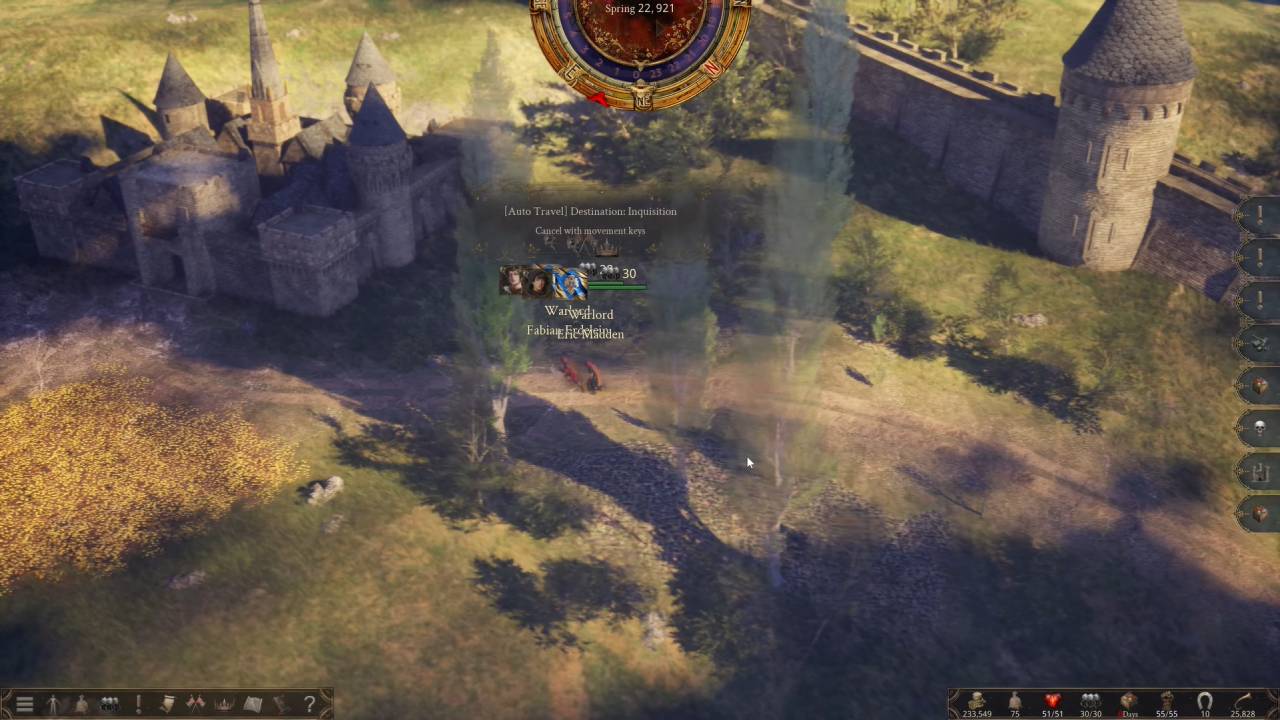
In order to gain experience and level up, it matters more that you survive, lead, and do well than that you kill enemies. Advancement requires winning battles, giving good advice to factions, finishing quests, and keeping influence. Rank is important. You can change events more as you rise in rank. Annoyingly, meaningful power takes time to come. Until then, you are weak, unequipped, and often outclassed. The fight is meant to be there, but not everyone will like it.
The technology tree is one of the most eye-catching parts of The End of History. It starts with grounded tactics, agriculture, and early metals, but it quickly gets out of hand. Gunpowder made cannons and guns possible, and finally, much more advanced things. It's a strange, uncomfortable feeling of instability in time when you watch medieval forces fight with early guns, knowing that tanks and planes might come later.
Technology isn't just a nice thing to have; it changes the political landscape. Groups that study guns early on can take over whole areas. If you fall behind, not even being good with a sword will keep you from being crushed by guns. You can have some effect on research goals, but you can't fully control them unless you get to the top levels. This supports the idea that power is shared, discussed, and often rejected.
The fall meter connects everything here. Moral decline, wars, and unchecked desires are pushing the world closer to disaster. Progress can help slow it down, but it can never be fully stopped. You are still just one person in a system that is set up to fail, even when you are highly ranked. The End of History appears to be split. The character portraits and splash art are all very well done, look like they were made by hand, and have a consistent style.
Even when used again, they show personality and mood well. You can tell that things are repeated, but that's okay because the game is so big.
On the other hand, the game's settings are low-spec by design to make it look like the early 2000s. While this game isn't very amazing technically, it is readable and works. If you don't change the usual settings, the camera blur can be too much, and the text boxes are small, which makes readability a real issue. These problems don't ruin the experience, but they do make it harder to enjoy, especially during long play sessions.
Sound design is subtle. There isn't any speech acting, and music is only used a little bit. The environment is not controlled by what exists, but rather it is served by it. Ambient tracks make the feeling of constant stress and tiredness stronger. People are often quiet, and that quietness can mean more than music. Some people may be disappointed that there is no voice acting, but this does avoid sound dissonance. You are alone with your choices, text, and the things that happen because of them.
The End of History isn't friendly. It is hard, slow, and demanding without feeling bad about it. Survival is more important than being a hero. Being ready is more important than reacting quickly. Failure happens a lot, and while it can be discouraging, it is also a good way to learn. The systems are complex, linked, and not always perfect, but they work together to make something special: a game that sees history as a delicate process instead of a victory parade.
Not everyone will enjoy this game. People who want to level up quickly, have clear directions, or a power fantasy will have a hard time. People who are okay with confusion, lack, and slowly earning power will find a world that responds, remembers, and doesn't want to be controlled. It seems real because it doesn't care about making you feel good, is flawed, and is awkward.
Editor, NoobFeed
Verdict
An extremely difficult and realistic RPG in which the player must fight to stay alive and is affected by politics and time. Deep systems and sharp ideas are more important than imperfections, but only time will show how strong they are.
60
Related News
No Data.