
The Scouring Review
PC
Early Access
One World, Two Modes, and Endless Possibilities—But Not Quite Done
Reviewed by Nusrat Choity on Aug 16, 2025
The Scouring will feel very familiar if you remember the golden age of real-time strategy games, when you spent nights playing Warcraft III LAN parties or Age of Empires matches that never ended. The Orc Group made and published this game, and it is also linked to Pavl Zagrebeli, the solo developer behind the off-road sim Spintires (which led to Mudrunner and Snowrunner). This game doesn't hide its influences.
It draws heavily from the classics, but it wants to mix their RTS roots with parts of action-focused hero combat. It's in Early Access right now, which means you're getting a work-in-progress. That's both a good and a bad thing. The foundation is strong, but the content isn't quite right yet. The Scouring might be worth keeping an eye on if you've been looking for a game that combines building a base and fighting with a hero.
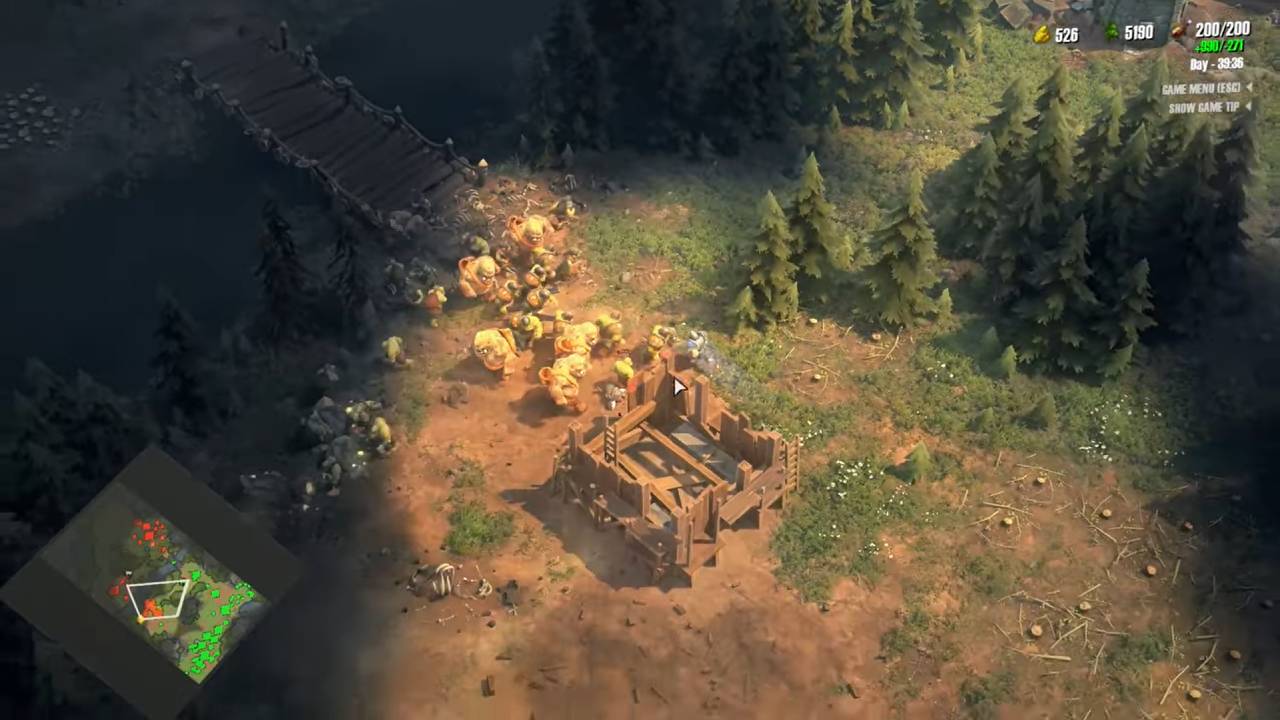
Don't expect a great story or an emotional campaign right now. The "lore" is just orcs vs. humans, and even that isn't explained in the game. There are no cutscenes, story hooks, or branching story paths. This means that the game is all about the mechanics and player-driven encounters.
The developer has said that a campaign will be included with the full release. If it takes ideas from classic games like Warcraft III or Starcraft II, it could make the game much more immersive. Right now, though, The Scouring is just about the matches, with no story to tie them together.
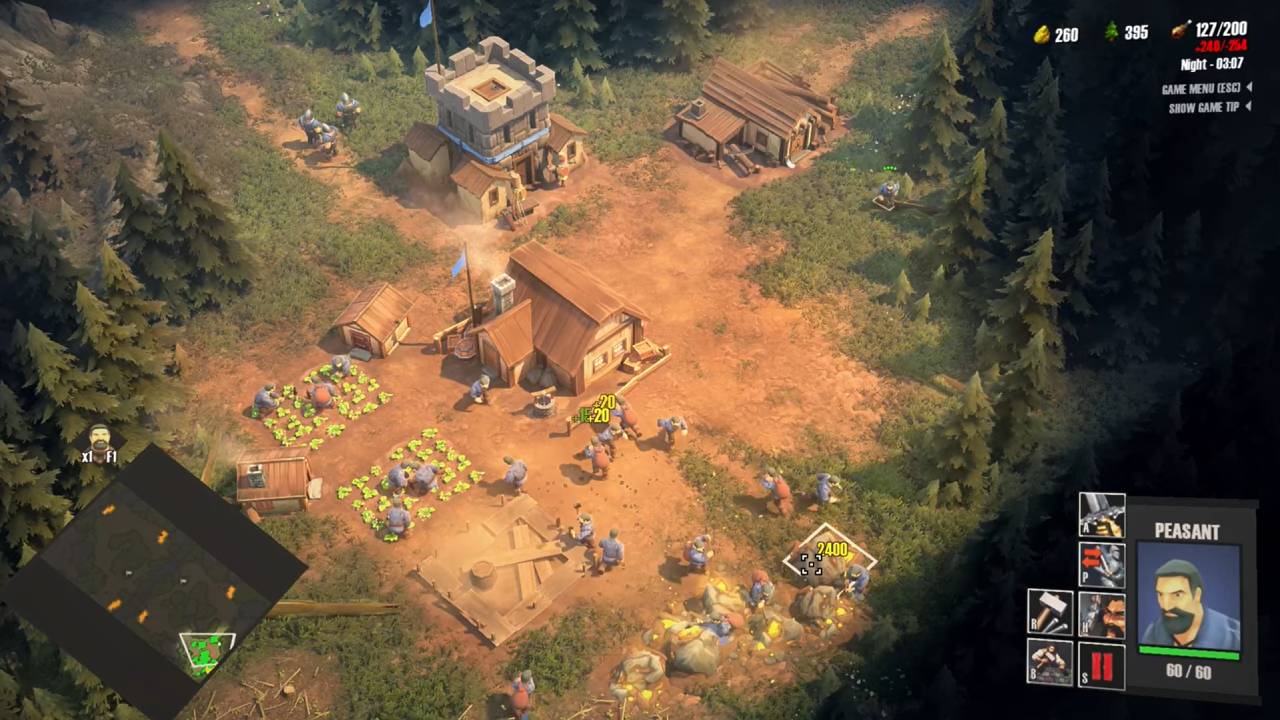
One of the biggest surprises about The Scouring is that it has two distinct game types in one. In Classic RTS mode, you gather gold and wood, build buildings, train troops, and grow your base while also defending against or attacking your enemies.
But instead of a limit on the number of people you can have, your army size is directly linked to the number of farms you have. The more farms you build, the more troops you can support. If you run out of food, your troops will starve and die, which adds a little extra pressure to managing your resources.
You can clear space by cutting down trees, building walls and towers to protect your positions, and putting units inside defensive buildings to gain a tactical advantage. Upgrading units makes them better at fighting, and even experienced RTS players will find that AI enemies can put up a good fight.
The roster is small right now, though. There are only two playable factions (orcs and humans), each with a few unit types and a small number of buildings to choose from. It's like a stripped-down version of Age of Empires, but not in a bad way. It's just "fundamentals first."
Heroes Mode works differently. The AI builds bases and runs your armies for you. Like in MOBAs like Dota 2 or League of Legends, you play as one hero with special powers, a levelling system, and the ability to get better items.
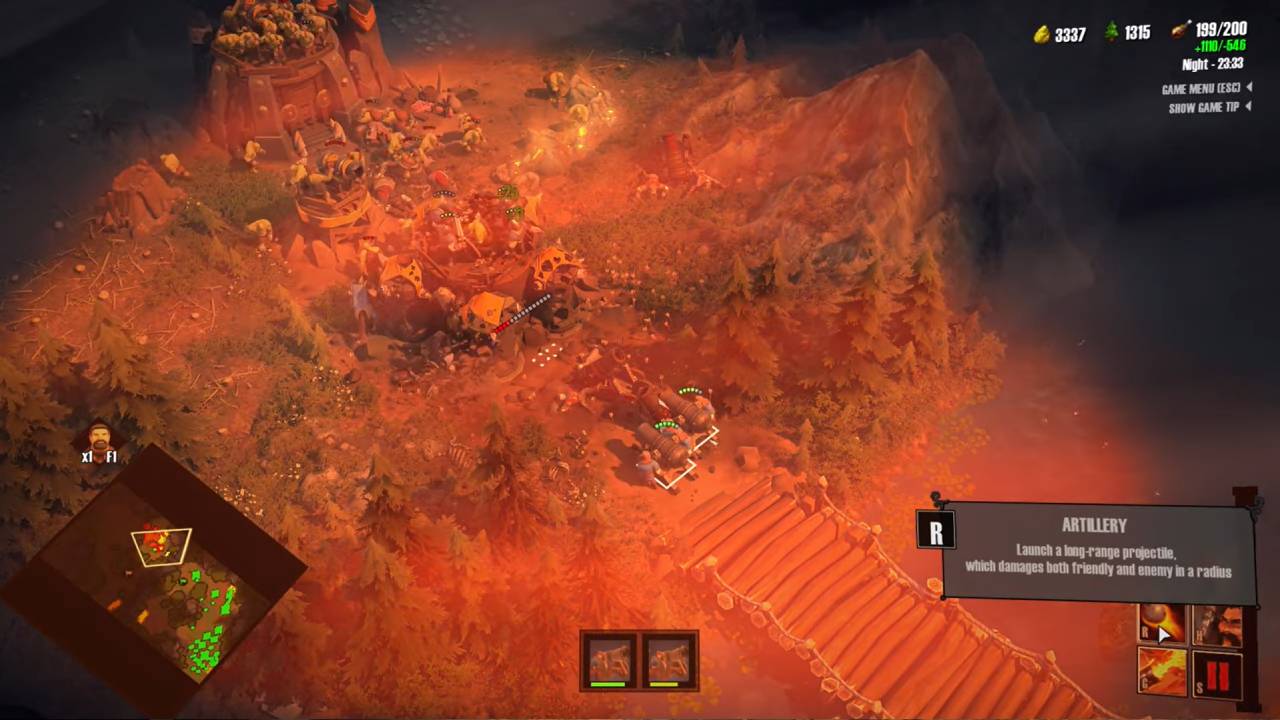
You start at level one and get XP by killing creeps, taking over mob camps, or fighting enemy heroes. Some camps are underground dungeons where you fight undead mini-bosses and get items that boost your stats, like mana regeneration, speed boosts, and chances to get critical hits.
The pace is fast, in part because you can teleport back to base in an emergency or have to decide when to fight and when to run away. The knockback effects and fighting animations make this mode feel good. Also, it's exciting to lead a small group into battle after rallying them with a battle horn.
Combat is easy but fun. Units fight in the kind of chaotic mosh-pit battles that you might remember from older RTS games. It can seem like a mess—there's not much visible formation combat—but it works well enough that you're more focused on big-picture strategy than on every swing.
In Classic Mode, there isn't much depth in combat because there aren't many units, and right now, there aren't any apparent weaknesses or counters between unit types. That means that battles are more about numbers, positioning, and upgrades than about complicated rock-paper-scissors balance.
In Heroes Mode, combat feels more intense because you have to time your abilities, position yourself correctly, and use the right items during the fight. More than anything else, your hero's cooldowns, mana, and survival instincts will determine how well you do.
You can also add optional scripts, like "Curse of the Undead," which makes zombie raids happen every night and get harder over time. It adds a good extra level of difficulty, but you can turn it off if you don't like to multitask under pressure.
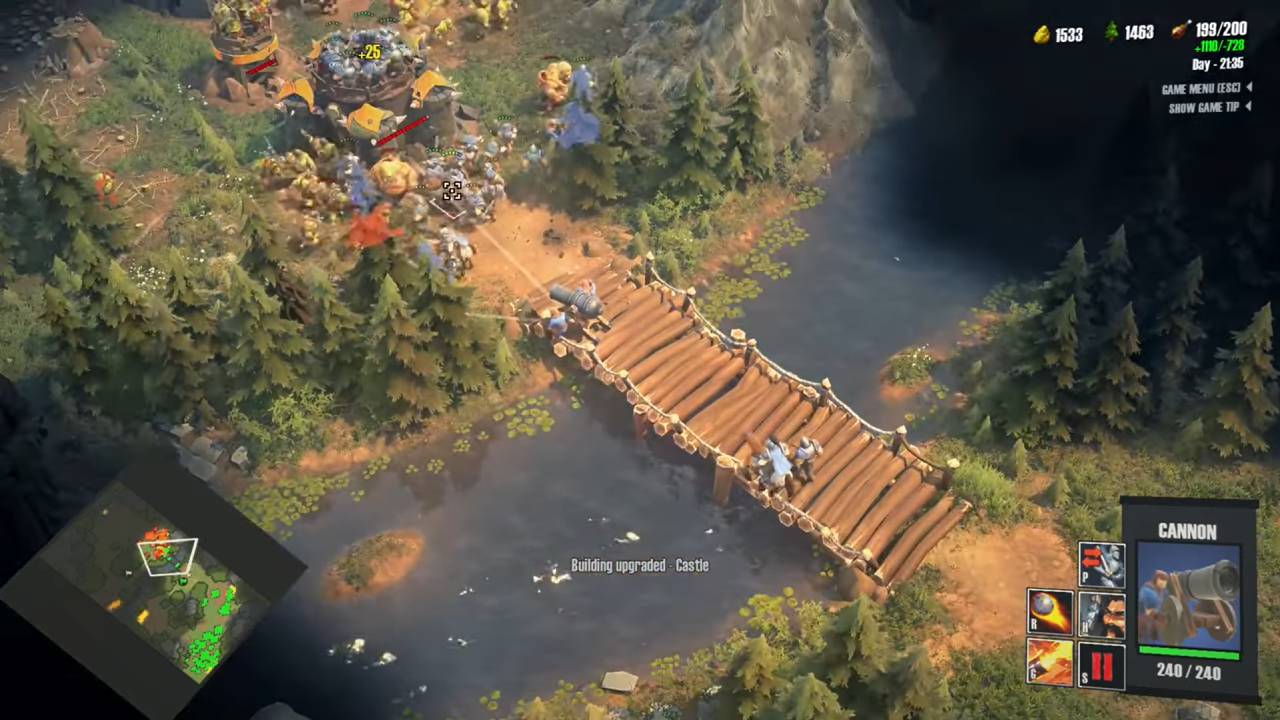
The two main modes have different ways of moving forward. In Classic Mode, progress doesn't stay the same for everyone. Faction upgrades and bonuses for veteran units only work during the match. The vet system rewards imaginative and aggressive play; squads that win a lot of battles become stronger and more dependable.
In Heroes Mode, your hero is the only thing that gives you XP. As you level up, you unlock and improve your abilities. Items also make you stronger. This makes matches feel like a mini-RPG loop, where the choices you make in each battle can lead to victory or a crushing defeat.
The XP and item systems work right now, but some players may find them too simple, especially if they are used to more complex hero progression in MOBAs.
If you ever thought that Warcraft III could look great without losing its charm, you'll like the art direction in The Scouring. The game has a day-night cycle, warm lighting effects, and nice animations for water and destruction. Sunrises and sunsets can be breathtaking, especially when they happen over foggy forests or burning villages.
The models are friendly but straightforward, and the animations bring the world to life. For example, peasants swing axes, heroes get their weapons ready, and units raise shields when projectiles come at them. These visual touches add just the right amount of personality to make it stand out from other RTS graphics that are just for use.
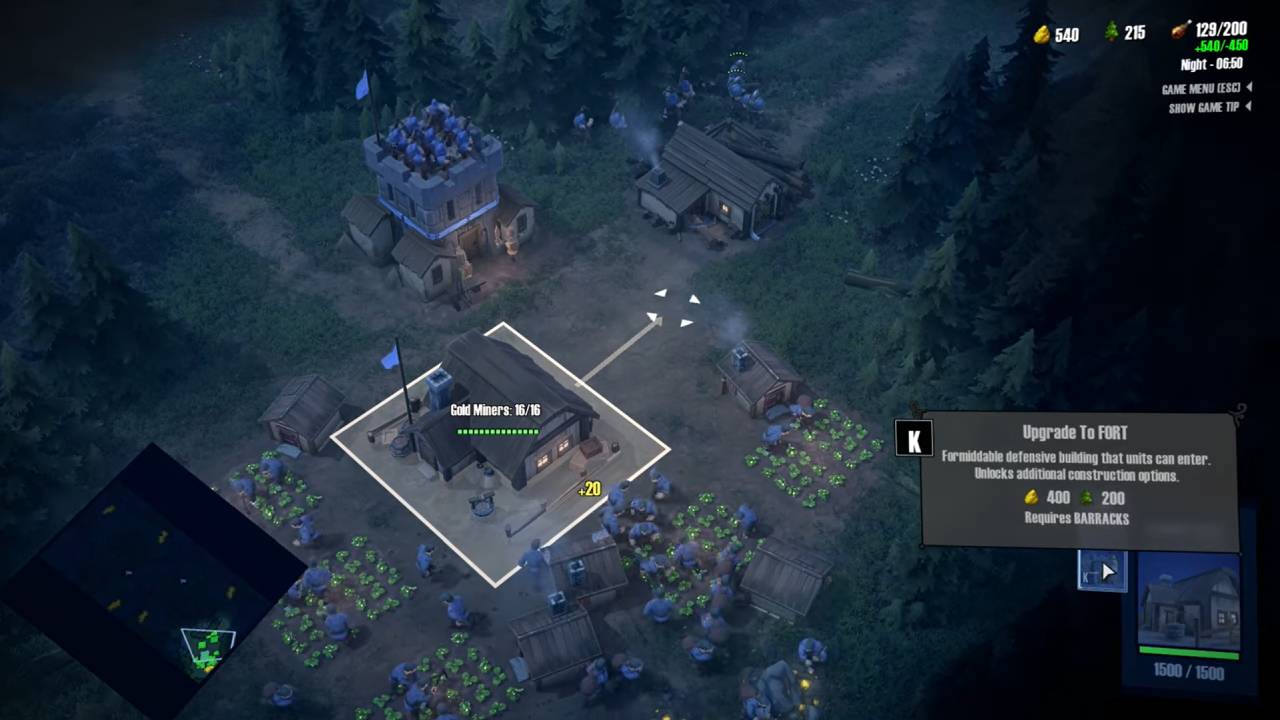
The UI works, but it currently lacks many options. You can use classic commands like "attack-move", but it's annoying that you can't rotate or zoom the camera, and the resolution options don't always work. Unit profiles are a nice touch, though. They show what people are doing in real time, even if it sometimes looks like they're dancing at a rave.
Sound design isn't quite up to par yet, but visuals help ground the game. Unit voice lines are dull and repetitive. Factions don't have much personality because the voice acting isn't excellent.
Some sound effects, like distant cannon fire, make the game feel very real, while others sound generic or muted. The music is fine, but it doesn't fit the game. It sounds more like it belongs in a drama-adventure or mystery game than a fast-paced RTS battle. In short, the sound isn't a deal-breaker, but it's the weakest part of an otherwise good experience.
The Scouring does a great job with the basics, but it doesn't have a lot of content right now. The modding community is already making custom maps, items, and scenarios, which makes the game much more fun to play again and again, especially with friends. You can play with other people, but there aren't always a lot of active lobbies, and if your mods don't match up, it can take a long time to find a match.
The lack of a campaign makes it harder to keep people interested in the long term. The roadmap promises new races, better UI, and more hero abilities, but these are all things that will happen in the future, not things that are already in the game.
One big plus for The Scouring is that it runs surprisingly well for an Early Access game. There are no crashes, significant drops in frame rate, or game-breaking bugs when you play offline. Some units can get stuck and have trouble finding their way, but that's not unusual in this type of game. It's harder to tell if something is stable online because there aren't many players. Most of the time, matches that do connect go well.
The Scouring is a love letter to old-school RTS games, but it's still in the early stages of development. The main gameplay, in both Classic and Heroes modes, is fun, easy to get into, and brings back memories while adding some clever twists.
The graphics are friendly, the AI can be tough, and the modding support means it could last a long time. But the truth is that it's still fundamental: there aren't many factions or units, there isn't a campaign, and the sound package is subpar. It seems more like a strong "proof of concept" than a complete game.
If you already have a group of friends who like RTS games, The Scouring could keep you busy for hours, even in its current state. If you want to play an RTS by yourself that is deep and has a lot of different things to do, wait until more content is added. It would also be much easier to recommend without hesitation if the price were lowered before the release.
The base is there, and with enough care, updates, and attention from the developers, this could become the next big RTS cult hit. In the meantime, keep an eye on it, check for updates, and buy it if it goes on sale.
Contributor, NoobFeed
Verdict
A good RTS base with two fun modes and a lot of room for mods, but not enough content to make it worth the full price right now.
65
Related News
No Data.