
Town to City Review
PC
Early Access
From humble homes to bustling streets, Town to City lets you build your dream city at your own pace
Reviewed by Mezbah Turzo on Sep 19, 2025
City-builders and management sims have always scratched a very particular itch for players: the joy of shaping something from nothing, of watching empty land gradually turn into a thriving community under your guidance. They walk a fine line between creativity and strategy, and they give you the freedom to design layouts and economies as you like, while constantly reminding you of the practical consequences of your choices.
Where traditional "big city" games like SimCity or Cities: Skylines throw you directly into the challenges of running sprawling metropolises, other titles take a humbler approach. They give you a few inhabitants, a tiny piece of land, and a few tools to start with, and then they want you to help the new colony grow through its uncomfortable, fragile beginnings.
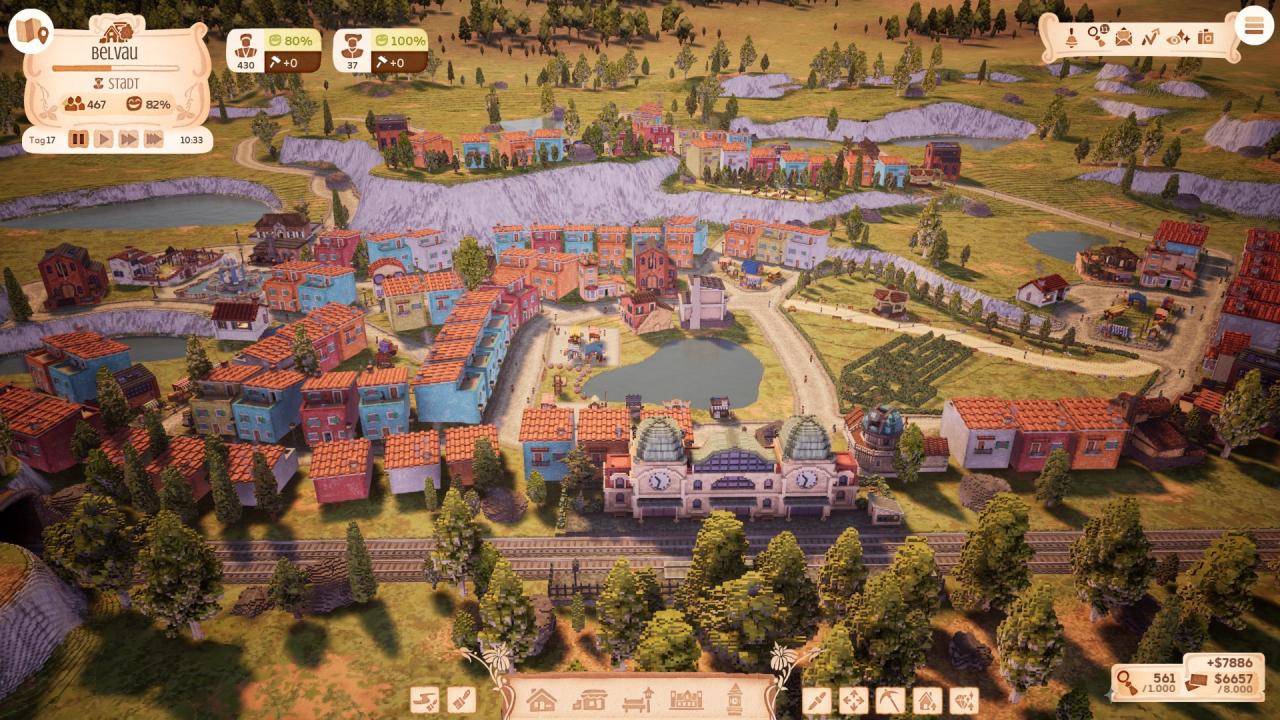
Town to City is definitely in this latter group. It builds its identity on the slow, gratifying journey from simple country life to the complications of metropolitan development. Smaller-scale town builders carry a kind of intimacy that their metropolitan cousins rarely capture. When you start with only a handful of settlers and a tiny patch of land, every resource matters and every building feels earned.
These games encourage you to care about the people under your stewardship, to balance food, shelter, and happiness before ever dreaming of monuments or highways. It's a slower burn, but it's also more personal; achievement seems less like making things work better and more like taking care of life.
Galaxy Grove's Town to City follows this history but adds its own twist: instead of only concentrating on survival or micromanagement, it makes growth the main goal of the game. The game asks you to turn a small hamlet into a busy metropolis, not just by making wise plans, but also by using a changing set of mechanics that show how your residents' requirements change as they progress from simple country life to complicated city life.
In that sense, it sits somewhere between the survival-first ethos of Banished and the open-ended sprawl of Cities: Skylines, carving out a niche that blends both the intimate charm of small beginnings and the ambitious scale of city-wide design. At its core, the game asks you to start with almost nothing: a few citizens and a scrap of land, and steadily shape that into a functioning community.
As your settlement expands, so too do the systems you'll need to juggle: housing, food, production chains, citizen happiness, and eventually the layered complexity of urban infrastructure. The promise here is progression, not just in the literal sense of new buildings and bigger maps, but in the sense of guiding a living, breathing community through the stages of growth.
Where many city-builders drop you straight into the challenges of managing a sprawling city, Town to City invites players to savor the journey itself, turning the act of gradual expansion into the centerpiece of its design. The gameplay loop of Town to City builds itself around a rhythm of growth, management, and careful planning.
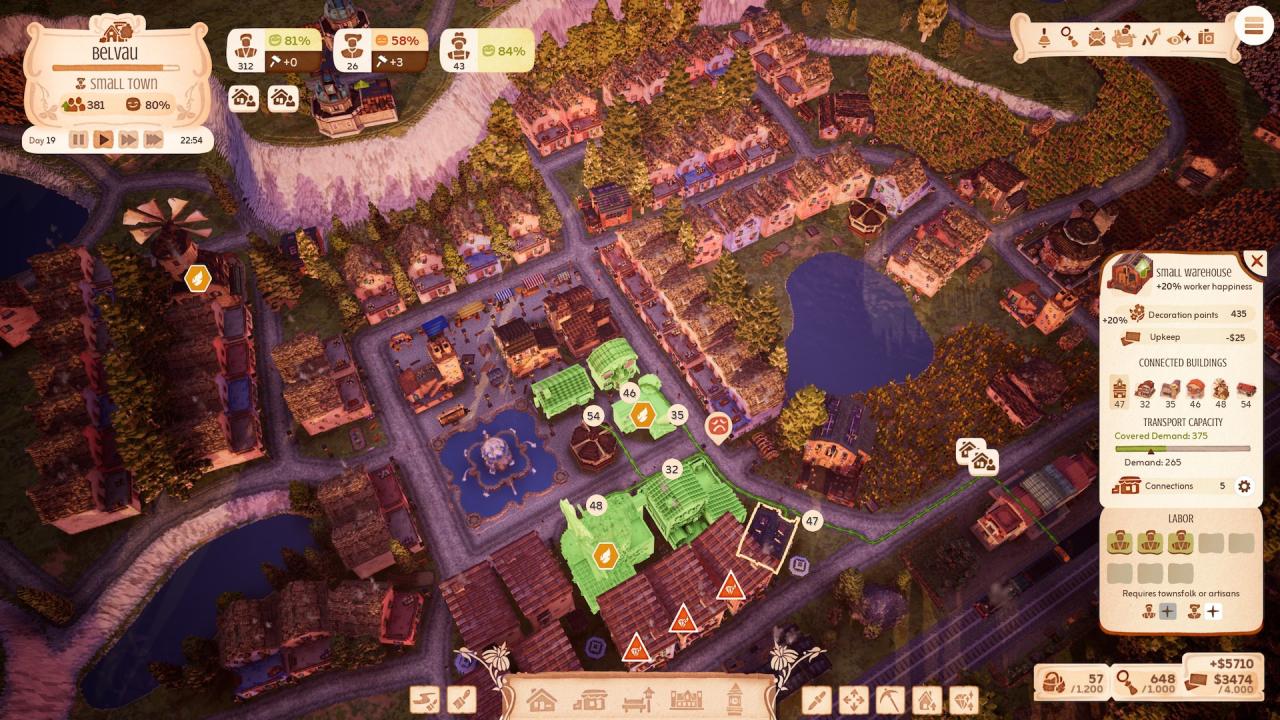
The game forgoes usual resource mechanics, giving you the freedom to fully experience the planning. Your main resource, really, is money. You start off by building some houses and assigning families to houses. These families generate earnings based on their happiness, a factor tied to everything from population density and nearby amenities to the variety of food available.
Meeting these needs isn't just about aesthetics; it's central to your economy: the happier your townsfolk, the more money flows back into the system, which in turn fuels further expansion. The supply chain side of the loop is where the game begins to distinguish itself. Families rely on stalls, warehouses, and the town's train station, which serves as both a lifeline and a growth trigger, as new citizens only arrive by train, and the rate of arrivals is directly tied to overall happiness.
Laying out roads cleverly isn't just for visual flair; it's the backbone of how your settlement functions. Every service or consumer structure, whether it's a food stall, a barbershop, or a butcher, operates within a defined range, meaning placement is never arbitrary. A stall too far from the houses it's meant to serve might as well not exist, and the same goes for other buildings tied to daily needs.
Additionally, warehouses are the most crucial intermediaries, as they connect the flow of products from the train to the stalls and then out into the community. This creates a tiered logistics system where highways, warehouses, and stalls all have to work together. As the town grows, you'll need to keep your cash flow healthy while dealing with common city-builder curveballs: shortages, specific family demands, and even events that can disrupt balance.
Speaking of specific demands, sometimes families come in with special traits; these traits might be that they want a house that has more decorations around it, or a house that's near a cliff. Fulfilling these demands yields greater happiness, and conversely, failing to meet them results in less happiness.
Progression ramps up with the introduction of research. By staffing workers in the research center, you generate points to unlock newer buildings or building upgrades. Scarcity also plays a role; housing eventually becomes tight, forcing you to upgrade or diversify, and new building types open up as you reach milestones.
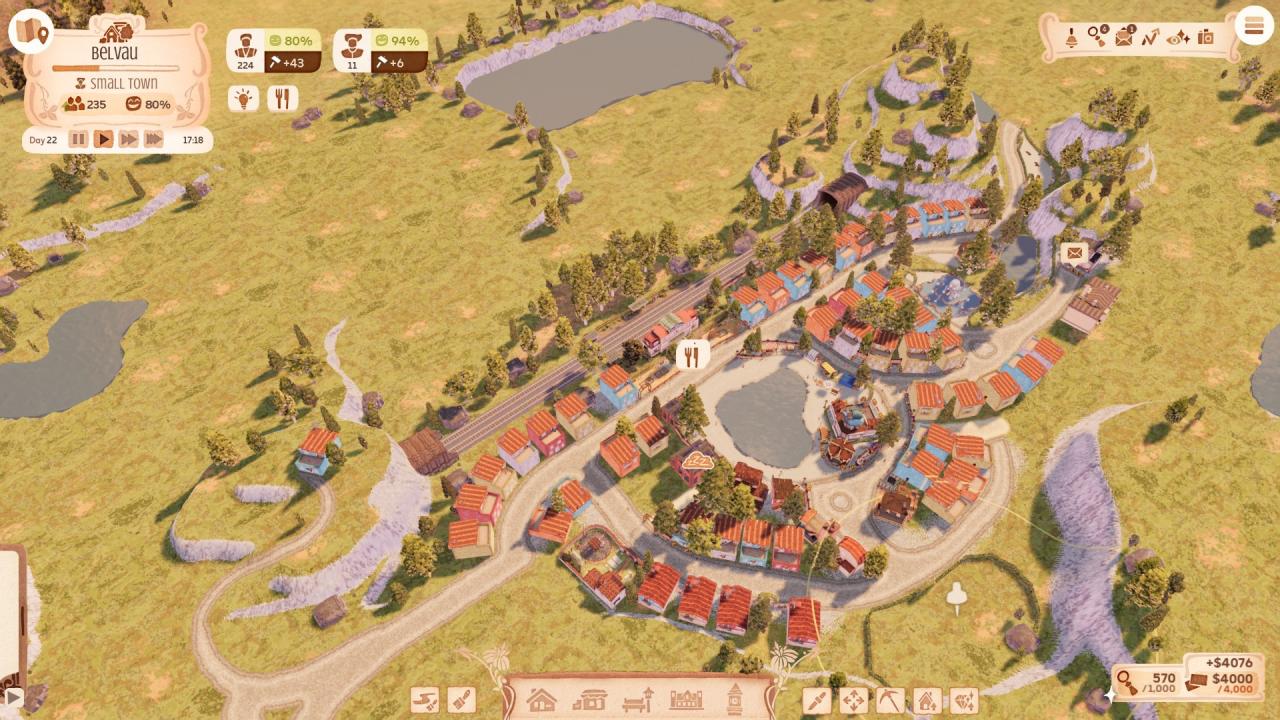
You reach these milestones by getting a sufficient number of people and then unlocking that level. At level 2, for instance, you get to upgrade houses to have a second floor, and in later levels, you can upgrade roads and more.
Later on, at level 4, you unlock Fontebrac, a new area that also unlocks a new type of building. Fontebrac is its own place, so while you keep your upgrades and unlocks, you still have to go through the entire process again here. You also have to manage farmlands and produce crops.
The result is a loop that feels familiar but layered, a constant balance between keeping your people content, planning infrastructure smartly, and pushing research forward, with just enough pressure to keep you invested in the climb from a few houses to a bustling, interconnected city.
One of Town to City's biggest strengths is its ability to empower creativity through its decoration system. It's not just about plopping down functional buildings; you can customize nearly every corner of your settlement, from the look of individual houses and plazas to how roads, parks, or even improvised playgrounds fit into the landscape.
The system feels flexible and expressive, encouraging you to design a town that reflects your own aesthetic rather than just checking off mechanical boxes. That flexibility makes construction a lot of fun, whether you want to design neighborhoods that look beautiful or plans that are a little strange and give your town its own identity.
That being said, the game's pace doesn't always fit with its small goals. Money and research build up rapidly, and because of the stringent limits on both, it frequently seems like you have to race through the game to avoid squandering resources.
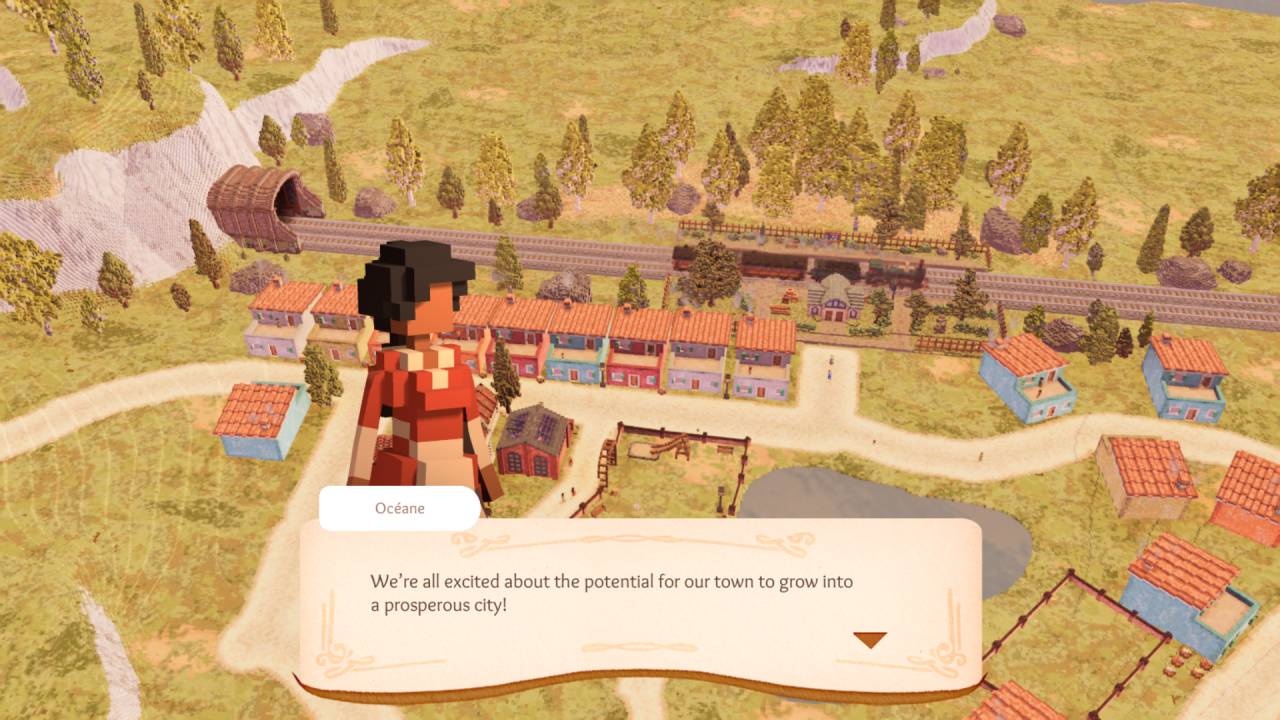
While nothing explicitly forces you to move faster, the looming sense of "overflow" can clash with the relaxed, take-your-time atmosphere the game otherwise cultivates. If the resources came in a little slower, players would have more room to breathe. They would have more time to decorate, change the layout, and enjoy their town's progress before going to the next level.
It's not about making the game tougher; it's about having the way it works fit better with how enjoyable and creative it is. Still, what makes Town to City stand out is how it lets you choose your approach. Want to zone out and build a dreamy, picturesque community at your own pace? The tools are there. Prefer to chase efficiency and optimization, squeezing every last drop of value from your layout?
The systems support that too. Combined with polished presentation, a near-bug-free experience, and gorgeous art, the result is a game that feels both inviting and versatile; one that should absolutely be on the radar of anyone who enjoys city-building, decorating, and management sims.
Visually, Town to City is nothing short of delightful. The voxel-pixelated art style strikes a perfect balance between charm and clarity, allowing you to appreciate the fine details of each building while keeping the world clean and easy to read.
Colors are vibrant without being overwhelming, and there's a softness to the palette that perfectly complements the game's cozy, creative vibe. It's the kind of aesthetic that makes you pause just to admire what you've built, even when nothing is happening mechanically.
The little touches help sell the illusion of a bustling community. Townsfolk wander the streets, interact with stalls, and bring a sense of scale and liveliness to your layouts. Combined with the smart use of perspective and animations, the visuals make your settlement feel more like a place people inhabit rather than just a sandbox of systems.
The sound design supports this immersion, too. While the audio isn't especially standout or something you'll be humming later, it layers in gentle ambient noise and subtle cues that round out the experience. It may not demand your attention, but it does exactly what it should: reinforcing the cozy atmosphere and keeping you grounded in the little world you're shaping.
At the end of the day, Town to City is a love letter to the slower, more intimate side of city-building. It takes the satisfaction of watching a settlement grow and packages it in a way that feels approachable, cozy, and endlessly customizable.
If you like the genre for its vast strategy and serious management, you may find the tempo a bit too forgiving. But if you like decorating, planning, and making something beautiful at your own leisure, this game is a great choice. It's polished, thoughtfully designed, and already feels complete, yet there's also plenty of room for updates or expansions to deepen the systems over time.
What makes Town to City stand out is how it bridges two traditions: the hands-on intimacy of small-scale town builders and the sweeping ambition of big-city sims. It doesn't simply throw you into a big city and tell you to deal with the turmoil; it lets you earn that scale, step by step, enjoying the trip from little beginnings to big city life.
Without any doubt, Town to City is a great game for anyone who likes management simulators, cozy builders, or just wants a creative sandbox that doesn't waste their time or ideas.
Contributor, NoobFeed
Verdict
Town to City is a charming, polished city-builder that perfectly blends cozy creativity with satisfying management. It is a must-play for fans of the genre.
90
Related News
No Data.