
How AI Retro Modding Impacts Nintendo, PlayStation & XBOX
AI-assisted tools are lowering the barrier to rebuilding older games, turning projects that once took years into ports and playable builds that can appear in days.
Opinion by Adeela Tas on Oct 01, 2026
The way you access older games is changing. AI game modding is becoming part of that shift. Projects involving recompilation and decompilation are appearing at a pace that would have been difficult to imagine only a few years ago. Work that once demanded deep programming knowledge and could take years, or even decades, can now move from idea to playable build in weeks or days.
That shift is closely tied to AI-assisted development. You no longer need to understand a game's code inside and out. Newer tools handle much of the work that once required real technical skill. For players, that means native ports, improved versions, and experimental builds of games that might never get an official modern release. This is what AI game modding is really about.
If you've got the source code, porting a game to a new platform is mostly a matter of rebuilding it and tweaking things until it runs.
Decompiling is what you do when you don't have the source. You grab the finished game and start poking around inside it until you can see how it works. You have to reverse-engineer the game to understand and rebuild its structure and behavior. That distinction matters because AI game modding can benefit from the clearer path a source-based rebuild provides.
Developers can take the existing code and compile it for another device while adjusting it for new hardware features. With decompilation, much more of that work has to be recreated manually. Both approaches, however, are becoming increasingly visible across the retro gaming scene.
Recent projects show just how quickly AI game modding is spreading, with recompilation or decompilation projects appearing for games including MediEvil, Dead or Alive, Halo, The Darkness, Star Fox Adventures, Rocket: Robot on Wheels, Super Mario Galaxy, Grand Theft Auto: Liberty City Stories, Conker's Bad Fur Day, Zelda, Sonic Free Riders, Fable II, and Pilotwings 64.
The speed is arguably as notable, and AI game modding is attracting attention because of that pace. Instead of seeing one major project arrive after a long development cycle, you can now see several appear within days of one another. That makes it possible to imagine a future where more older games receive community-built versions without waiting for a publisher to revisit them.
Star Fox Adventures is a useful example of the difference between simply running an old game and having a native port.
An emulator still requires you to obtain the necessary game files, set up the emulator, configure it, and manage those settings. A native PC version can remove much of that friction. You can launch the executable directly, with the game built to run on the platform rather than being presented through an emulation layer.
That does not automatically make every community project a replacement for an official release, but it changes what is technically possible. Native widescreen support, modern upscaling, and straightforward PC access can make older games feel much easier to approach on current hardware.
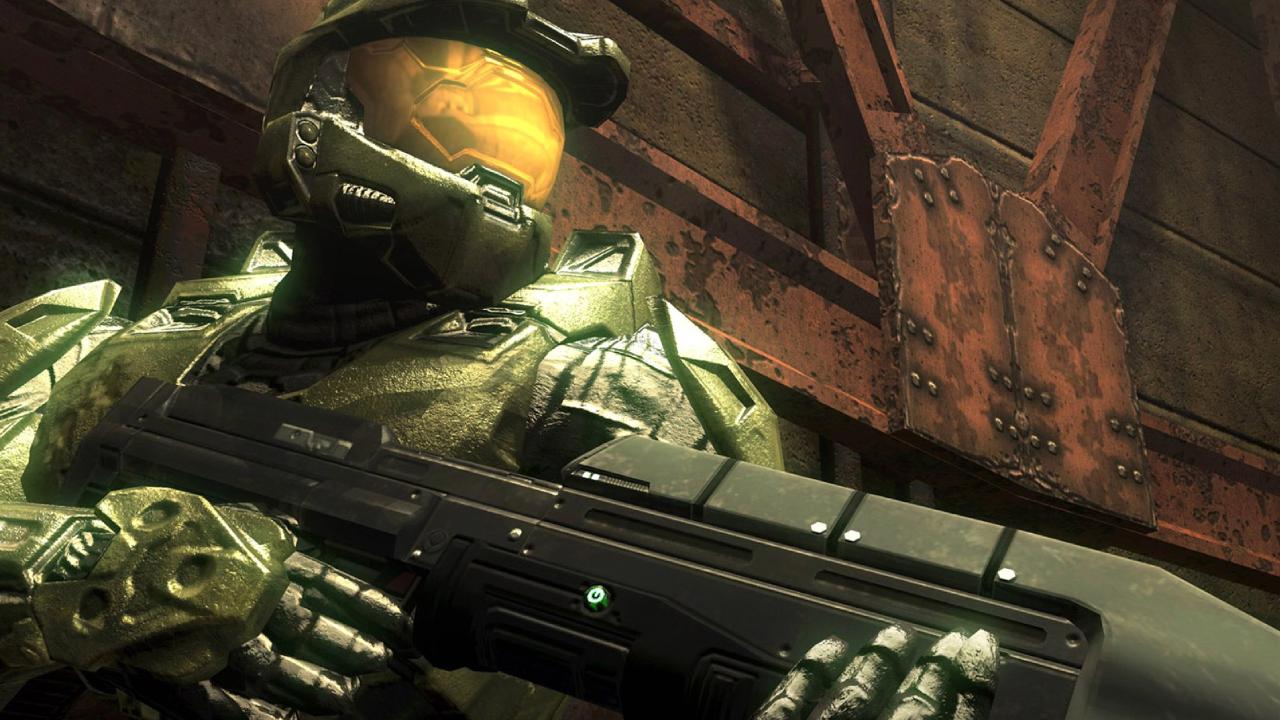
Halo also demonstrates how far these projects can go. A version of the original XBOX game has reportedly been running with more than 40 players while supporting cross-platform play across Windows, macOS, Android, and Nintendo DS. Other projects have brought games to browsers, letting the full experience run directly through a web page.
This acceleration isn't magic. AI is lowering the entry barrier. Previously, getting involved in this kind of work meant having a strong understanding of programming, including languages such as C++, and how game code and systems were structured. Tools already helped with parts of the process, but you generally couldn't simply describe what you wanted and expect the software to guide you to the result. That has changed.
Experimentation has become accessible.
A Game Boy version of WWF Superstars was turned into a Game Boy Color version with accurate colors and support for original hardware. The person behind the experiment did not have formal computer programming training and described it as a first experience with this kind of work.
The project took only a couple of days to complete. It was tested on an Analog Pocket and a Game Boy flash cart, showing the result wasn't limited to a modern computer. For someone trying this for the first time, that speed illustrates how dramatically the barrier has dropped.
This is where AI game modding becomes more significant for the wider industry. If you are waiting for a remaster or remake, the traditional route is to wait for the rights holder to decide that an older title is worth revisiting. Community projects create another route. Instead of relying entirely on an official announcement, players can potentially get modernized versions through independent development.
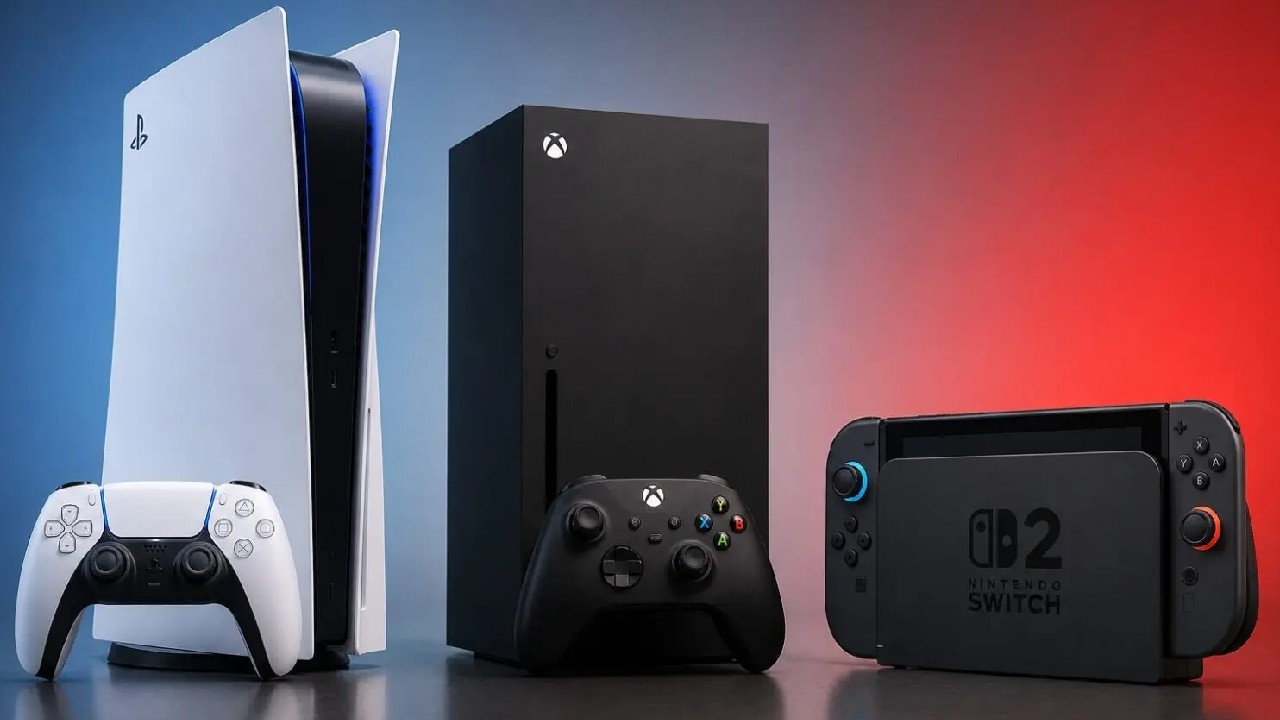
Major publishers can't ignore the implications. Nintendo, PlayStation, and XBOX all control large libraries of older games, and those libraries can represent continuing intellectual property value. As tools become easier to use, more people can experiment with games that publishers may have no current plans to re-release. That does not mean every project will be legal, complete, or technically polished.
Copyright and ownership still apply, and publishers still hold rights to their games.
The important change is that the technical ability to rebuild software is becoming available to a much larger group of people. AI-assisted development is also advancing quickly. That momentum is making AI game modding increasingly accessible. Look at what AI tools could do six months ago and compare it to what they can do today. The gap between the two shows you how fast this stuff is moving.
If those tools continue becoming faster and easier to use, projects that currently seem unusual could become much more common. For AI game modding, that creates a major shift. You no longer need to be an experienced programmer to start experimenting with an older title. Someone with limited technical knowledge can use AI-assisted tools to help bridge gaps in their understanding and work toward a result.
AI game modding will probably keep growing. The tools are getting easier to use, and more people are curious about what they can do with old games. Game companies probably won't just sit back, though. Expect lawsuits, copy protection, and lobbying. Companies guard their IP hard, and if fan versions start cutting into official sales, they'll push back. Public anger about AI won't change that.
Companies mostly act to protect their money and what they own. The technology is also moving faster than governments can keep up with. By the time lawmakers understand what's going on, things will likely have moved on again. Some argue that lawmakers may struggle to keep pace with rapidly changing technology that is transforming one of the world's largest entertainment industries.
For players in the retro gaming community, the immediate result is simpler access to more experimental versions of older games.
A title that once required an emulator and a complicated setup could eventually have a native executable. A game that was tied to one console could appear on another platform. A project that once required a specialist team could potentially be attempted by an individual using increasingly capable AI tools.
AI game modding is therefore becoming less of a rare technical achievement and more of an emerging part of the retro gaming landscape. Reverse engineering works the same way. You can still open up new possibilities without ever seeing the source code. Together, these approaches are expanding what communities can build around older games.
The pace is the biggest change. What once took years can now take months; what took months can sometimes take weeks, and some experiments are reaching playable stages within days. As AI tools keep improving, that timeline could keep shrinking. The technology is already widely available across phones, computers, search services, and customer support systems.
In gaming, its impact is becoming visible through ports, recomps, decomp projects, browser builds, and hardware experiments. The industry no longer has to ask whether these tools exist. They do. The more immediate issue is how publishers respond as the technology becomes easier to access and as more players discover what can be done with older games.
Editor, NoobFeed
Latest Articles
No Data.