
AMD RDNA 1 vs. RDNA 4 GPUs: Is It Time to Upgrade?
RDNA 1 GPUs reveal VRAM limitations and performance bottlenecks in demanding modern games compared with RDNA 4 counterparts.
Hardware by Tanvir Kabbo on Sep 28, 2025
RX 5700 and RX 5700 XT were the first RDNA 1 GPUs from AMD, which came out in 2019. Since then, the GPU scene has changed a lot. RDNA 4 brought big increases in both basic performance and complex features like ray tracing and FSR 4.
Today, we're taking a close look at how those original RDNA 1 cards have aged when stacked up against three Gigabyte Gaming OC RDNA 4 models—the RX 9060 XT, RX 9070, and RX 9070 XT.
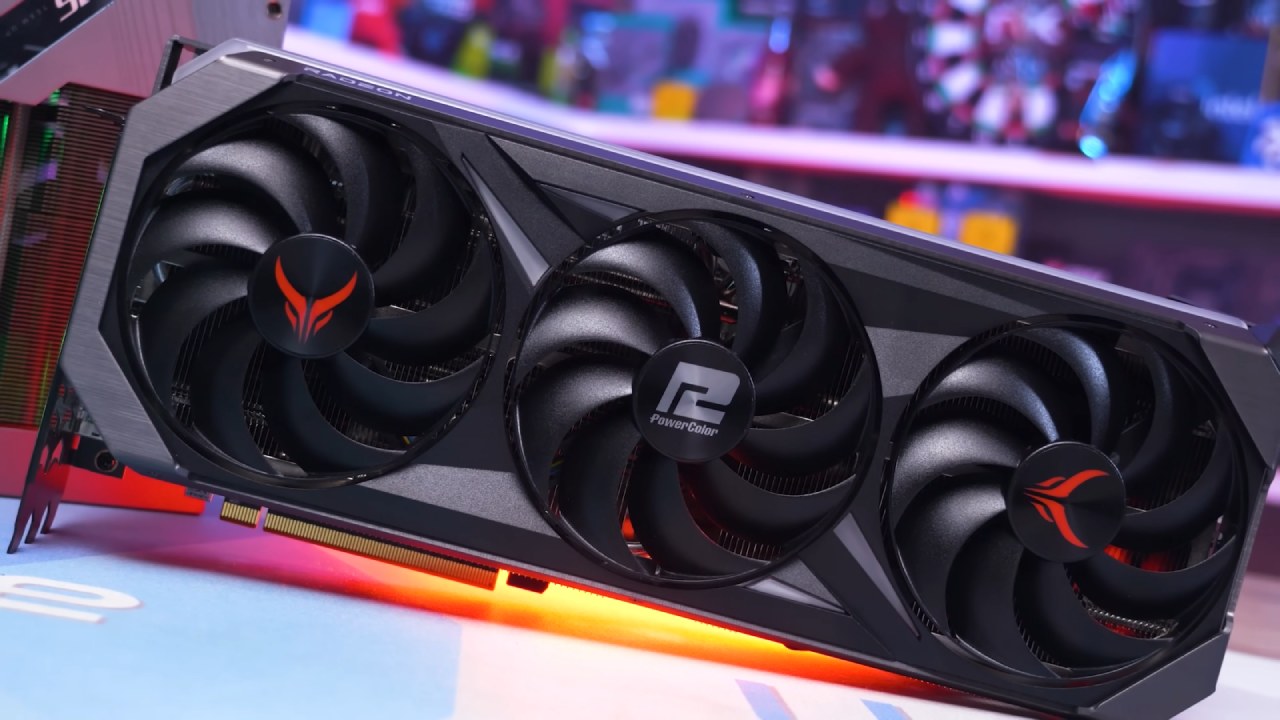
Design & Build Quality
All three Gigabyte RX 9000 series Gaming OC cards share a consistent aesthetic. They come with dark gray textured shrouds that look clean and premium, complemented by lighter gray metal backplates with airflow cutouts.
Both the RX 9070 and RX 9070 XT offer dual BIOS, with two HDMI 2.1 ports and two DisplayPort 2.1 ports. The RX 9060 XT cuts back to just one HDMI port.
In terms of power requirements, the RX 9060 XT uses a single 8-pin connector, the RX 9070 requires two, and the RX 9070 XT requires three. Significantly, none of these GPUs rely on the 12VHPWR connector, which may be reassuring for some users.
Test System Setup
We used a Ryzen 7 9800X3D paired with an X870 motherboard and 64GB of DDR5 CL30 memory for testing. Most of the benchmarks were done at 1440p and 4K, and the picture quality settings were changed for each game to make sure the comparisons were fair.
Rasterization Performance
Call of Duty: Black Ops 6
The RX 5700 barely manages 30fps at 1440p ultra settings, whereas the RX 9060 XT stays above 60fps. The RX 5700 XT doesn't fare much better, while the RX 9070 gives over double the performance.
At 4K, RDNA 1 cards collapse, while the RX 9070 XT comfortably handles over 60fps without upscaling.
Cyberpunk 2077
The RX 5700 struggles immediately at 1440p Ultra, dipping below 30fps. Even the RX 5700 XT can't keep 1% lows above that threshold. In contrast, the RX 9060 XT hovers near 60fps, while the RX 9070 exceeds 100fps. At 4K, only the RX 9070 XT provides a smooth 60fps experience, though FSR helps.
Forza Horizon 5
Here, optimization shines. The RX 5700 manages around 40fps at 1440p, the RX 5700 XT approaches 60fps, and the RX 9060 XT rockets past 100fps. At 4K, RDNA 1 struggles with VRAM limits, while RDNA 4 GPUs push 120fps+.
Horizon Forbidden West
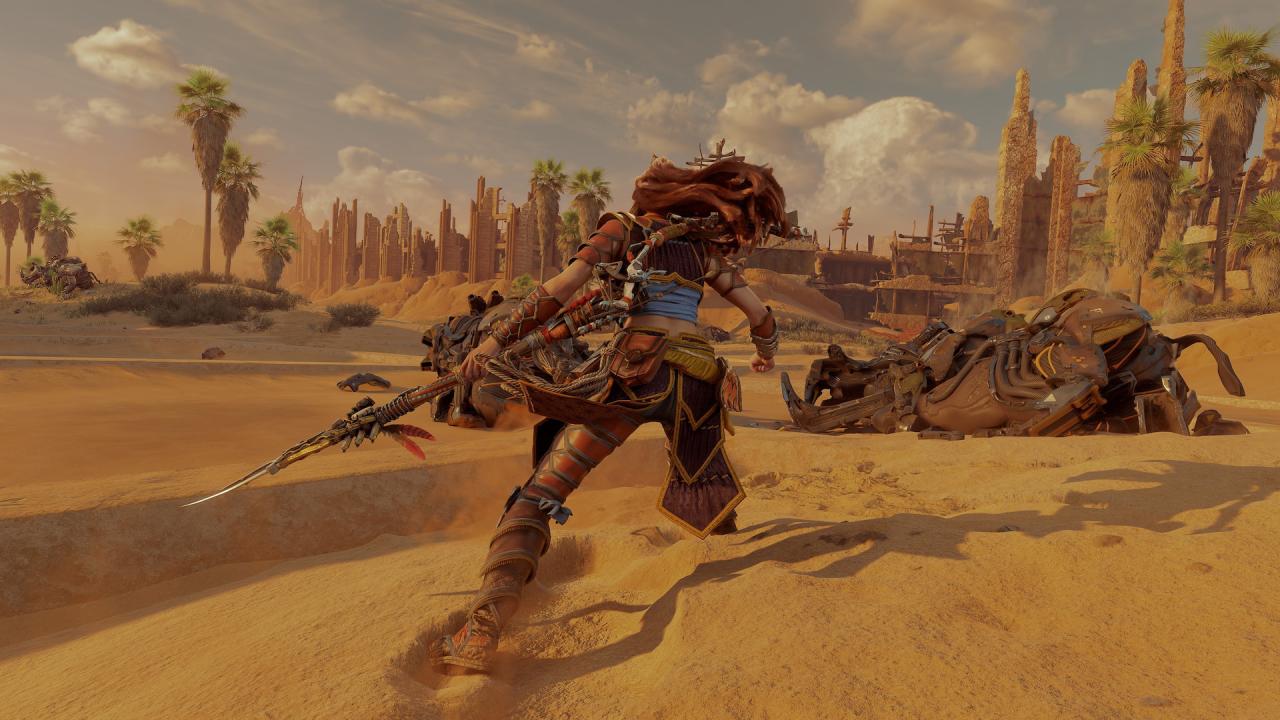
Neither the RDNA 1 card is playable at 1440p using very high settings. The RX 9060 XT lands a stable 60fps, while the RX 9070 and RX 9070 XT push closer to 90-100fps. At 4K, only the RX 9070 XT reaches 60fps, again benefiting from FSR.
Kingdom Come Deliverance 2
At 1440p, the RX 5700 XT struggles to stay above 30fps, but the RX 9060 XT approaches 60fps. The RX 9070 XT approaches 100fps, though it struggles at 4K without upscaling. RDNA 1 is unplayable at this resolution.
Marvel Rivals
Despite being a competitive title, the RX 5700 XT barely delivers playable performance at 1440p on medium settings. The RX 9060 XT achieves 60fps, while the RX 9070 operates at around 90-100fps. At 4K, only the RX 9070 XT maintains a 60fps frame rate at medium settings.
Starfield
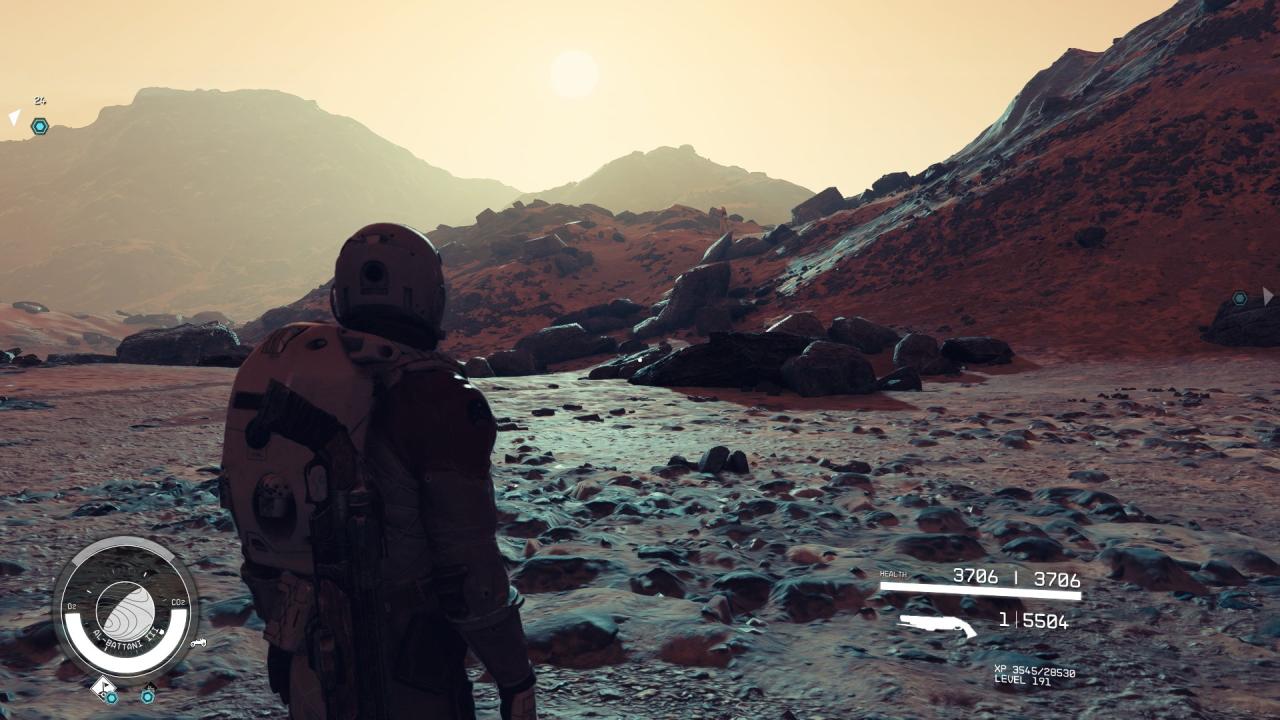
The RX 5700 XT achieves a frame rate of around 30fps at 1440p Ultra, while the RX 9060 XT doubles that. The RX 9070 averages 80fps, and the RX 9070 XT leads at 93fps. At 4K, the RX 9070 XT achieves just under 60fps, which is still smoother than the RX 9070.
Star Wars Jedi: Survivor
RDNA 1 GPUs struggle here due to their 8GB VRAM, resulting in blurry textures even at 1440p. RDNA 4 cards deliver pin-sharp visuals and firm performance. The RX 9060 XT averages 60fps, while the RX 9070 XT comes close to 60fps even at 4K.
Ray Tracing Performance
RDNA 1 lacks hardware ray tracing, so we included the RX 6800 XT (RDNA 2) for context. At 1440p Ultra with ray tracing:
Cyberpunk 2077: RX 9070 XT delivers 80-90fps, over 2x the RX 6800 XT.
Doom: The Dark Ages (path tracing): RX 9070 XT maintains 60fps with FSR enabled, again roughly double the RX 6800 XT.
Ratchet & Clank: Rift Apart: RX 9070 XT runs at 120fps with very high ray tracing and FSR, far ahead of the RX 6800 XT.
FSR 4 Exclusivity
FSR 4, exclusive to RDNA 4, introduces machine learning for the first time, bringing significant image quality gains over FSR 3. From cleaner hologram rendering to sharper particle effects and reduced artifacts, FSR 4 makes a noticeable impact in motion and fidelity.
Final Thoughts
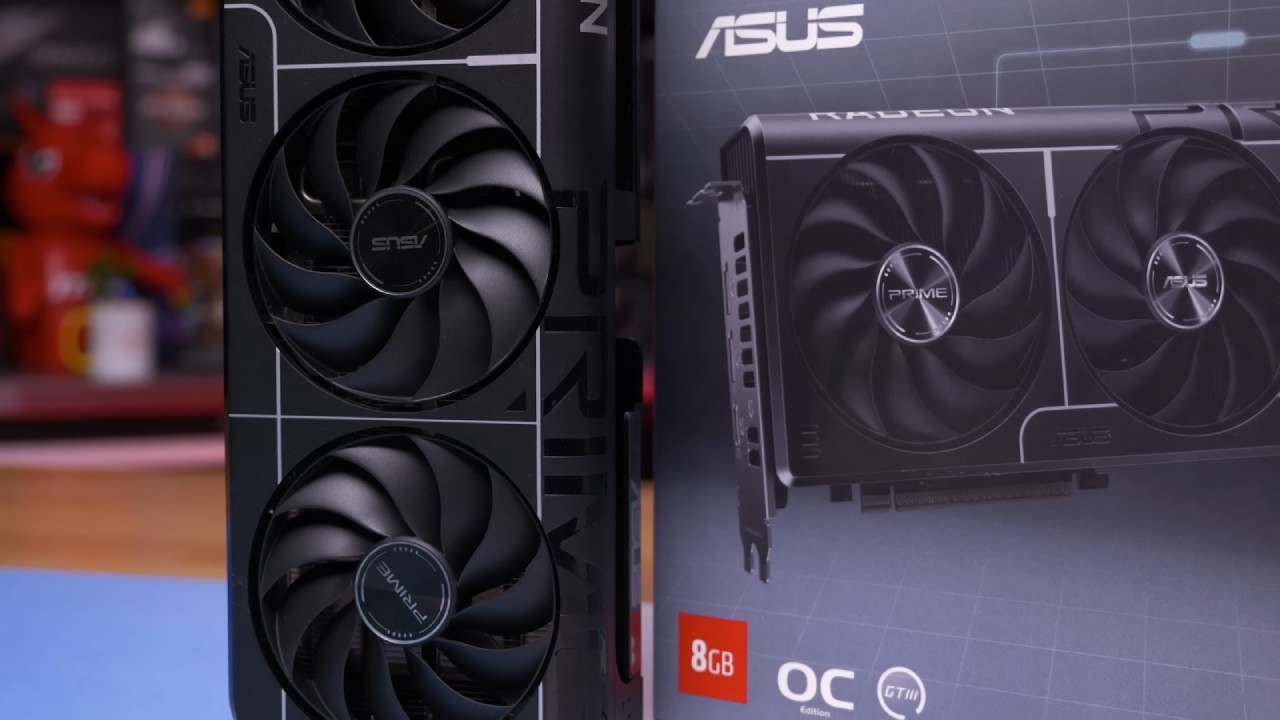
We've seen just how far AMD GPUs have come since RDNA 1. The jump to RDNA 4 is huge if you still have an RX 5700 or RX 5700 XT. The RX 9060 XT almost doubles the performance at 1440p, while the RX 9070 XT is made for smooth 4K gaming. Ray tracing capability and the unique FSR 4 upscaling technology make RDNA 4 an even more appealing upgrade option.
If you're looking for higher frame rates, better visual fidelity, and modern gaming features, now is absolutely the right time to move beyond RDNA 1.
Check Our Other AMD articles:
- AMD Ryzen 9 9950X3D Review: Setting The Standard For 2025 Gaming CPU
- AMD Ryzen 7 9800X3D Review: 3D V-Cache Goes God Mode with Stunning Gaming Performance
- AMD RX 9070 Performance Review: Thermals, Clocks, and Real-World FPS
- AMD Ryzen 5 7600 Review: Best Budget Gaming CPU of 2025?
- AMD Radeon RX 7800 XT Review: RDNA 3 Power For Midrange Gaming
- Sapphire NITRO+ AMD Radeon RX 9070 XT Review: The Ultimate 4K Gaming GPU
- AMD Ryzen 7 7800X3D: Delivers Gaming Performance Far Beyond Expectations
- AMD Ryzen 9 7900X Review: Powering the AM5 Era with DDR5 & PCIe 5.0
- ASRock Radeon RX 7800 XT Challenger OC Review: Best Price-to-Performance GPU of 2025
- Intel Core i9‑14900K vs. AMD Ryzen 7 7800X3D: Power Profiles & Gaming Benchmarks
Senior Editor, NoobFeed
Latest Articles
No Data.