
ASUS OLED Xbox Ally X First Look Highlights New Screen, D-Pad, and Hardware Changes
A larger OLED display improves immersion while preserving the original handheld footprint and control layout.
Hardware by Shinji Okazaki on Jun 02, 2026
Handheld gaming systems remain at the cutting edge, with larger screens, greater expandability, improved cooling, and refined user interfaces. The new OLED Xbox Ally X features a larger screen, new controls, enhanced cooling, and expanded storage, while maintaining much of the underlying hardware configuration. It also comes with a suite dedicated to handheld gaming and longer display times.
OLED Xbox Ally X features a 7.4in display, rather than the 7in display on the regular Xbox Ally. The size is immediately noticeable: the screen is larger but not necessarily bigger, within the same overall form factor. The device still looks like an Xbox Ally X, but with smaller bezels, the display looks more at home in the casing.
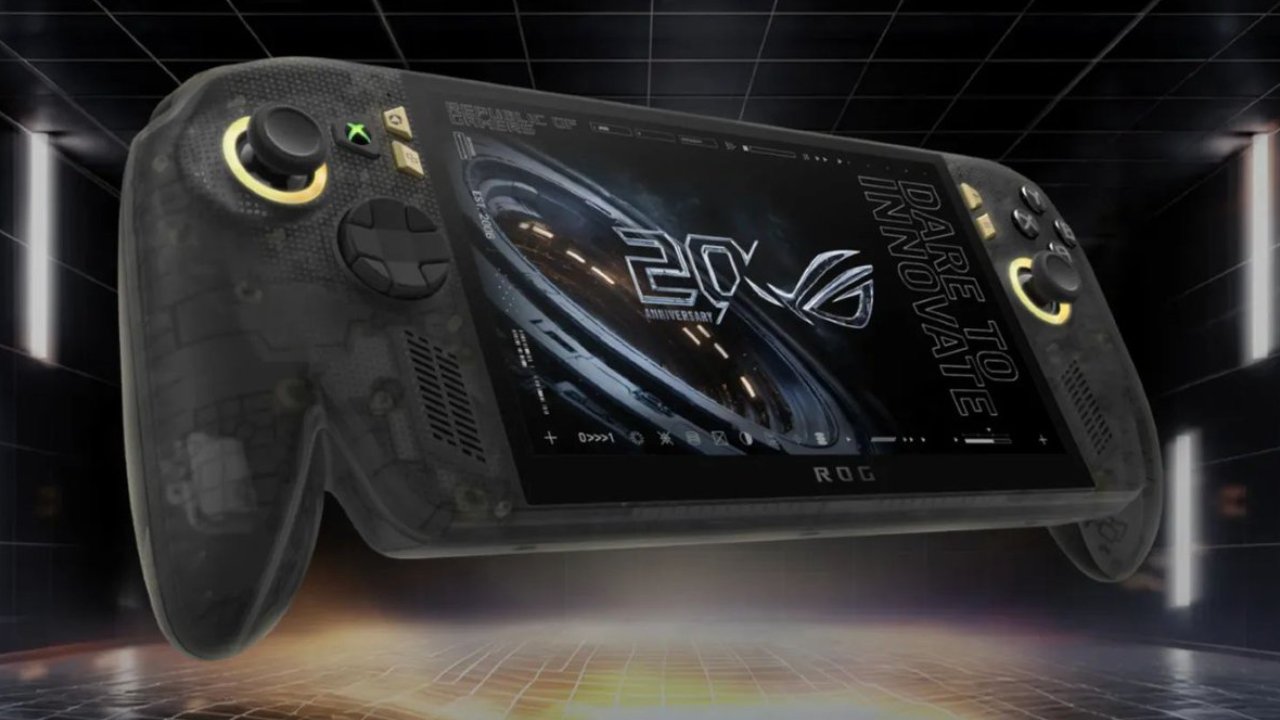
OLED Screen Enlarges the Display
The bezel on top is now 60% smaller than the previous model. This means the display takes up more of the front space than it otherwise would, without making the handheld feel bigger in your hands. The panel is a new Nebula OLED screen that supports HDR1000 and has a maximum brightness of 1400nits. In open areas with direct sunlight, visibility is improved.
It also features 1080p resolution, FreeSync support, and a variable refresh rate up to 120 Hz. The image maintains its sharpness and detail at close viewing distances. The design language can be changed by using a transparent Shell and Gold Accents. OLED Xbox Ally X features a new shell design, with a transparent brown finish and gold accents.
The close-up reveals additional details beneath the shell, altering the hardware's appearance compared to previous Xbox All-in-Ones. The design approach seems single-minded in integrating multiple hardware ideas into a single package. It's very obvious that the system has changed compared to previous models, but not significantly enough to affect the handheld's overall shape or ergonomics.
Longer Sessions are Easier to Handle with Rubber Grips.
Some helpful transformations include adding rubber grips. The change might not sound significant, but the grips increase friction when holding the system and when setting it down on surfaces. Your hands can get sweaty while you play, and the increased texture is designed to provide a more consistent grip. The modification also makes it more stable when placed on a table, reducing movement.
TMR joysticks are based on the concept of replacing the old stick technology. The joysticks are now TMR-based, similar to those found in newer controller hardware. Magnetic technology that's durable and responsive is called TMR.
The cooling system has been upgraded to support internal thermal management and a temperature-management display. The airflow has previously been directed at the Z2 Extreme processor, which was also used in the previous Xbox One X. Still, it now also helps regulate the temperature of the OLED panel.
The rationale behind this change is to prevent heat exposure near the OLED panel, which can help minimize long-term burn-in concerns. The Armory Crate also includes software protections to prevent burn-in. In the debate over display technology, OLED panel durability and improvements have advanced to the point that burn-in is now considered a lesser concern than it once was.
Rotate D-Pad Add Alternative Input Support
The revised D-pad system features a rotation mechanism that changes how directional input is handled. The D-pad is adjustable in both length and direction, and is lockable. The system is then set to operate with 8 inputs (a D-pad at each of the four corners). It seems to be a feature for shooters and fighting games that would use more directional control.
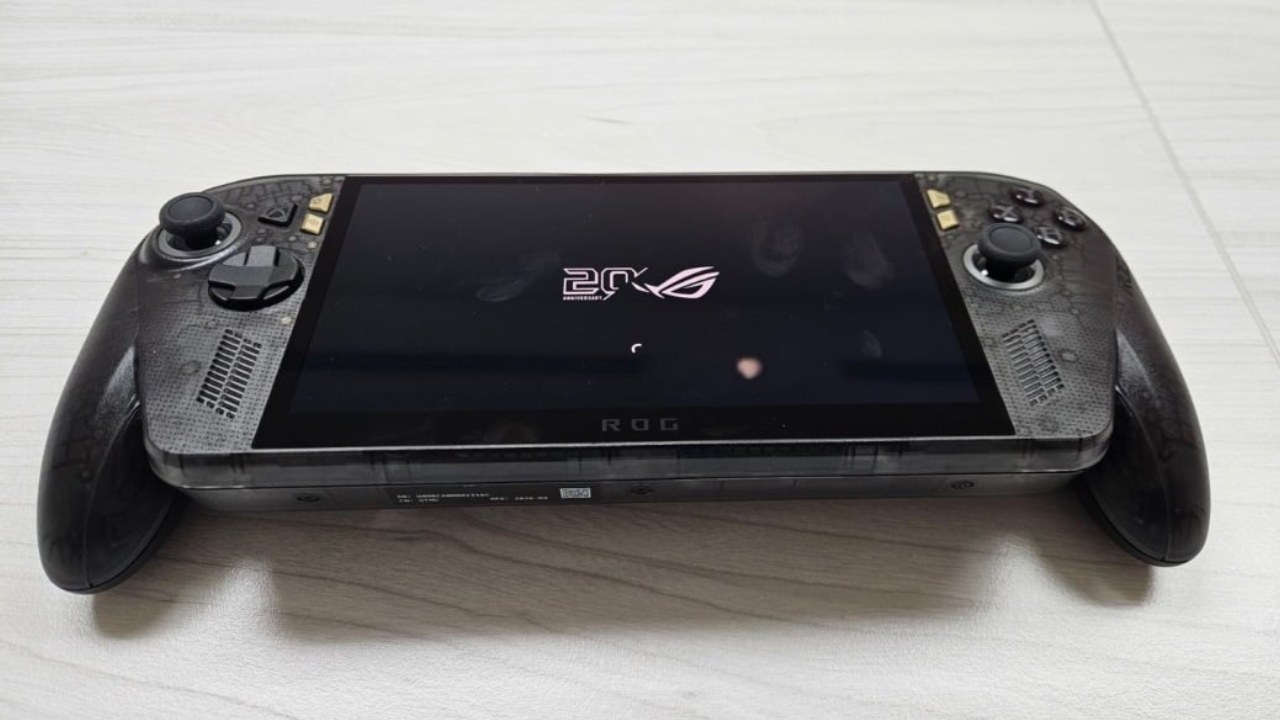
The D-pad has also been altered, which will affect the feel of button presses. Unlike softer, quieter feedback, the feedback is more immediate and clicky. The new implementation fixes previous complaints with the Face Buttons' noise level. The other hardware tweak is to the A, B, X, and Y buttons. Older Xbox Ally devices were characterized by loud button clicks, which could be distracting during late-night gaming sessions or in shared areas.
New buttons are still clicky, but quieter. The change helps lower the overall noise level but does not eliminate tactile feedback, which may be important if someone is by you while you play. In discussions about the device, the loud buttons were mentioned many times, and changes were made to accommodate them.
MicroSD Express: the new slot for a new MicroSD card.
This is a major shift, as it will enable near-SSD-like storage expansion with microSD Express. If you're frequently downloading large games or simply looking for additional space without the hassle of swapping in new internal components, the switch may change how you handle handheld storage.
This may reduce pressure on some users to upgrade to higher-capacity SSDs, as it is less costly than it could be and offers faster transfer speeds. In addition to the handheld, ROG will launch a new dock with front RGB lighting and a compact design.
The dock will be paired with the Xbox Ally X and will fit into the bigger handheld gaming system case that encircles the system. You can play in much the same way as you would with a traditional console, keeping it in your hands. The hardware specifications are generally unchanged, with only a few new elements. OLED Xbox Ally X still has the same Z2 Extreme processor that was boasted for the previous Xbox Ally X.
Storage is still 1TB, battery is still 80Wh, and memory is still 24GB RAM. The performance hardware doesn't change much from the previous version; the OLED display, controls, cooling, and storage expansion are updated. It finds a solution that focuses on usability improvements, display technology, storage options, and control enhancements in a handheld device, while retaining the same processing core.
Editor, NoobFeed
Gaming Hardware Updates
No Data.