
Fallen Tear: The Ascension Preview
A promising Metroidvania where fluid combat, JRPG bonds, and story ambition collide.
Preview by Wasbir Sadat on Feb 16, 2026
Fallen Tear: The Ascension is being developed by the independent team Winter Crew Studios in the Philippines. It looks like it will be a big mix of classic side-scrolling exploration, battle tension like in Souls, and story systems like in JRPGs. The game has slowly shown itself to be more than just another metroidvania.
It was first shown to the public in demos at conventions and then got bigger in a playtest at Steam Next Fest. It tries to combine quick, expressive movement with emotional stories and party-based gameplay. Which makes it stand out right away in a genre that's already very crowded. Early demos focused on the game's fluid fighting and hand-drawn animation.
.jpg)
Later builds, on the other hand, turned the attention to exploration, setting up the story, and progression systems. It's easier to understand what the makers are going for when you look at these different parts of the experience next to each other: an action-adventure game focused on characters where emotional growth is mirrored by mechanical growth.
The story is about Hira, a young boy who has a dark past and seems to be linked to something horrible.
People in his neighborhood of Hill Crest fear and avoid him after a terrible event. These are the people he used to live with. Hira goes on a journey to find out the truth about himself and clean up the world around him because his adopted family has gone missing, and evil is spreading across the land of Raoah.
The story starts quickly, showing how Hira is related to his brother Ravn and how life works in the town before chaos breaks out and changes everything. The idea is interesting, especially the hints that Hira may be connected to a destructive creature she sees in her dreams, but the early parts feel rushed.
But the base is still strong. The story is clearly about guilt, belonging, and identity. The fact that there are allies who can be recruited suggests that the story will go in a more personal way. The theme of "power of friendship," which is emphasized by character bonds and party abilities, gives the journey a very JRPG feel that might pay off as the story goes on.
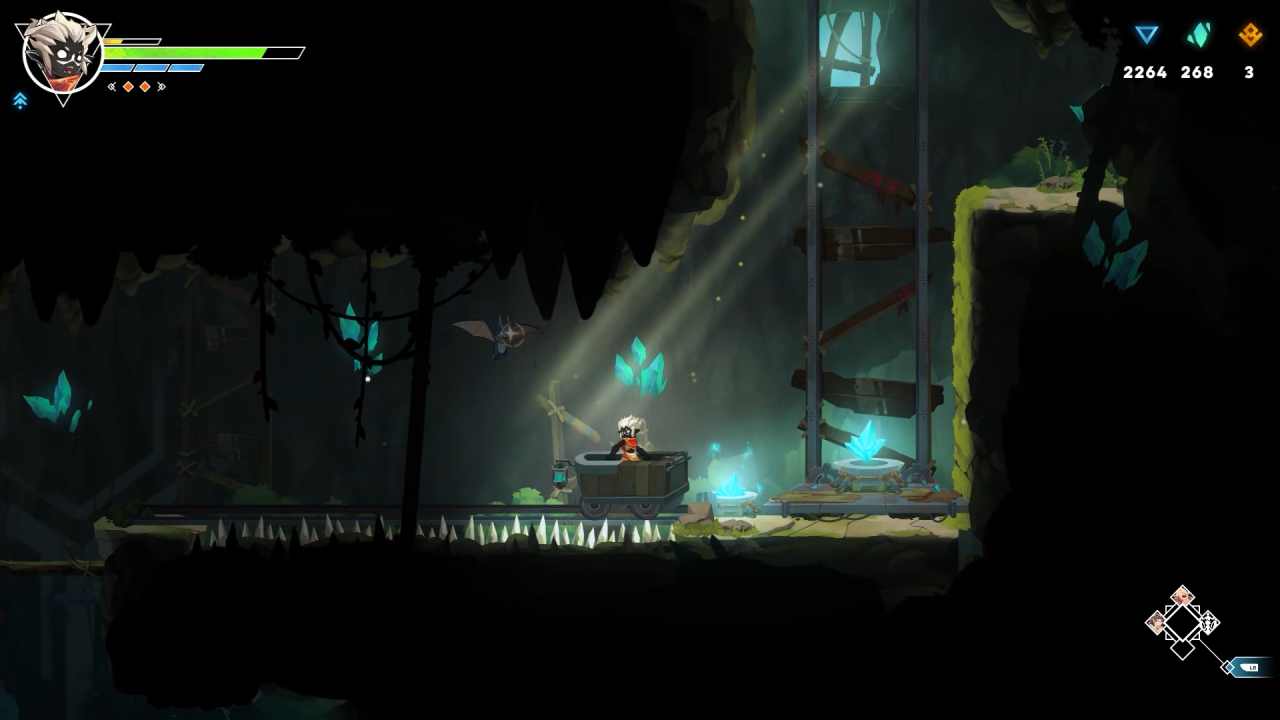
Fallen Tear: The Ascension is a 2D action-exploration game where players move through environments that are connected to each other, finish quests, beat bosses, and unlock new skills that give them more ways to move and fight.
.jpg)
Movement is one of the best parts. Even in its early stages, the game pushes players to keep moving. As the game goes on, players can learn new moves and skills, such as double jumps, dashes, air dashes, climbing surfaces, and attacks that focus on movement. It feels alive and responsive to move around the world, which is important for a metroidvania game that is all about exploring.
The Hunter's Guild system gives the game organization through "Rare Hunts," which are boss-driven goals that give players resources like Fated Points as a reward. While these hunts help you move forward, they still let you explore freely.
The Fated Bonds scheme is another important part of the game. Instead of fighting with you like normal companions do, allies have skills that are similar to your own. Each one gives passive benefits and active skills that are controlled by button combos. Up to three can be active at the same time. The whole party can use a powerful move when a shared meter fills up.
This method makes combat builds more strategic and supports the story's theme of friendship.
Combat is both easy and hard at the same time. Basic attacks can be chained together to make combos, dodges can turn into counters, and special mobility-based skills, like the teleporting spear attack shown in earlier demos, let you position yourself in unique ways. It's especially hard to fight bosses. They punish careless movement and reward knowing how to move around an enemy. Quick respawns keep the task from getting too hard, so players can keep trying new things and getting better.
Platforming sections add to combat by adding environmental hazards, puzzles about where to place enemies, and movement tasks that depend on your newly learned skills to cross gaps. One cool feature is that you can fix yourself by being aggressive. Players can spend meter to get small heals or collect red orbs that foes drop to get bigger ones. This helps people make decisions based on risk and reward and keeps the momentum of the battle strong.
.jpg)
But until more powers are unlocked, early-game restrictions can make battle feel less dynamic. Some demos also showed frustration when Fated Bonds were briefly inaccessible during scripted scenes.
Fallen Tear's progression is more like that in JRPGs than in most metroidvanias.
Hunting, beating bosses, and exploring the world all give you resources that you can use to get better skills and stronger bonds with your friends. There are hints of light grinding in this system, especially when you earn or improve Fated Bonds. For some players, this may slow things down, but it also makes it feel like characters are growing over time.
As you gain more traversal skills, exploring is more fun, which is typical of the genre. Early demos showed that having few skills can make exploring feel limited, but later updates promise a lot more freedom of movement. The graphics in Fallen Tear: The Ascension are stunning. Hand-drawn animation gives characters and enemies a lively feel, and Hill Crest's rolling hills and cherry blossom landmarks give the world a cozy, fantasy feel.
Combat effects are especially amazing because they make it clear what effect an ability has and how it is used. Boss designs, which can be anything from weird blob creatures to scary beasts, give interactions more variety and personality. Just the graphics make this indie metroidvania stand out from the rest.
Even though it's still early in the development process, the sound direction goes well with the images. The music in the environment helps with exploration without getting in the way, and the sound effects used in battle stress impact and movement. Strong audio feedback makes character powers and summons feel satisfying, which makes combat actions feel more real.
A fuller soundtrack could make more emotional parts of the story stand out in the end release.
Fallen Tear: The Ascension is a big project that blends fast-paced metroidvania gameplay with party systems like in JRPGs and a story that focuses on the characters. The best parts of it already feel polished and sure of themselves: smooth movement, tough boss fights, clever ally systems, and beautiful animation.
At the same time, early builds show where changes need to be made. The story can feel rushed at times, the menus can get messy, and the growth systems can be too hard to get used to before you can use all of your skills.
Still, the game has a lot of promise. Fallen Tear: The Ascension could become a great modern metroidvania if Winter Crew Studios can find a good balance between story, exploration, and growth, while also keeping the fun combat seen in demos.
Contributor, NoobFeed
Latest Articles
No Data.