
Future of Xbox Hardware: Unified Gaming Through Full Screen Experience
Growing focus on Xbox full screen mode signals a shift toward more efficient performance across modern gaming devices.
Hardware by Tanvir Kabbo on Nov 29, 2025
The Xbox full-screen experience is becoming a lighter and faster way to play games on Windows devices. Recent data shows that RAM utilization is much lower than in conventional Windows 11 desktop mode.
As this capability starts to appear on handhelds and PCs, the bigger picture of a unified Xbox–PC environment becomes clearer. With Microsoft expanding access through insider programs, the feature signals where future consoles and hybrid systems may be headed.
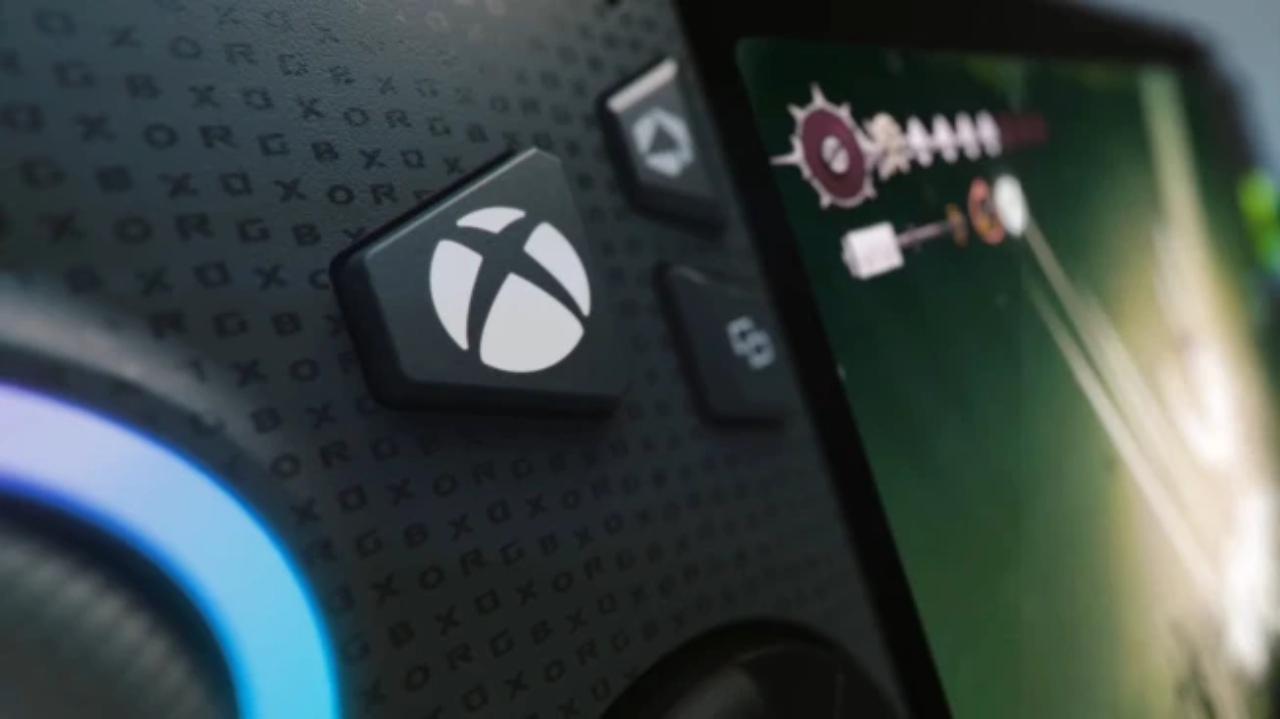
Understanding the RAM Savings in Full-Screen Experience
We see that the Xbox full-screen experience uses 9% less RAM compared to standard Windows 11. MSI confirmed this performance enhancement, highlighting how system RAM consumption drops from 8.6GB to 7.88GB when full-screen mode is enabled. That reduction is meaningful, especially on devices limited to 16GB of RAM.
If you're gaming on a handheld or compact PC, every bit of RAM matters. When we look at how SteamOS handles memory, it's easy to understand why users question whether 16GB is enough on devices like the Steam Machine. In full-screen mode, Windows becomes a viable option for games that SteamOS can't run due to anti-cheat restrictions.
Expanding Full Screen Mode Across Devices
Windows 11 is now available on mobile devices, and it will soon be available on desktops, laptops, and mini-PCs. You may have already tried it if you're in both the Xbox Insider and Windows Insider programs. This functionality makes things easier on all types of devices, allowing us to have a more console-like experience on regular PCs.
Previously, workarounds existed, but now full-screen mode is officially supported through Microsoft's dev and beta channels. As more updates arrive, we expect improvements in battery life, power optimization, and game performance profiles—especially for handhelds like the ROG Xbox Ally X.
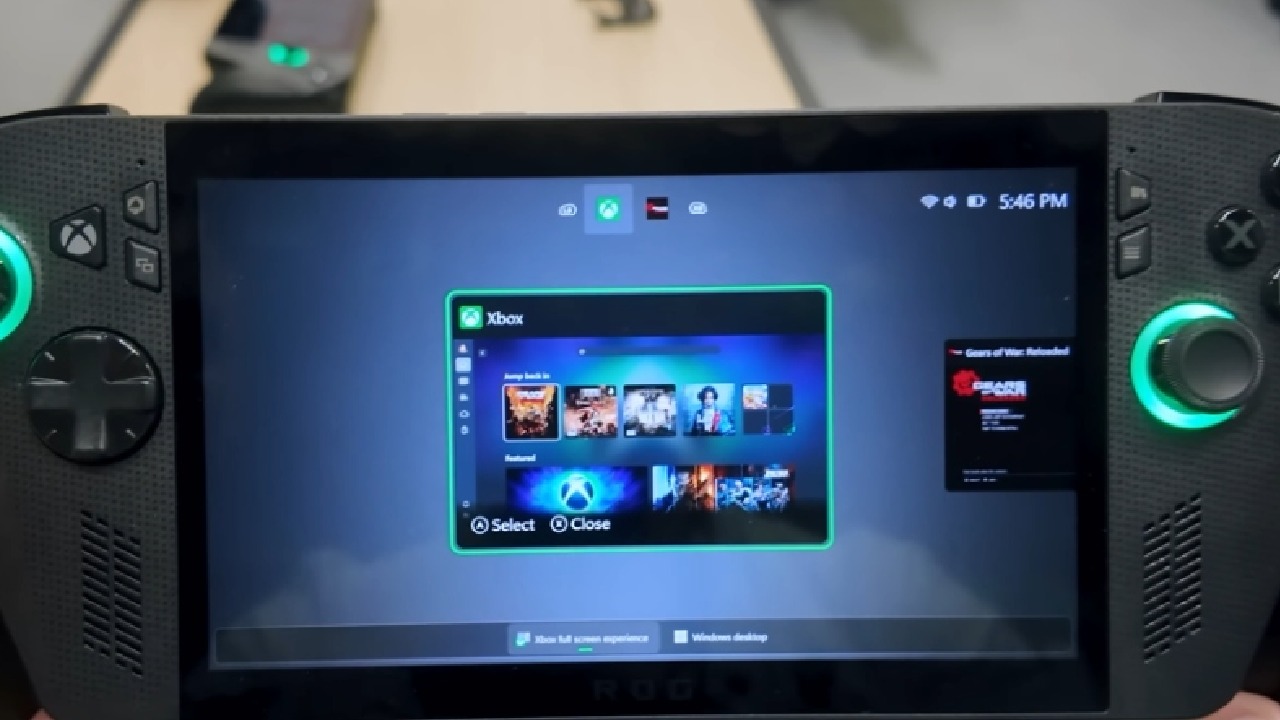
Setting the Stage for the Future of Xbox Hardware
We can see that Microsoft is preparing for a future in which consoles and PCs work together. Sarah Bond has said many times that it is important to keep players' catalogs up to date when hardware changes. That means that the future Xbox system might have console games, PC games, Steam games, and possibly PlayStation ports all at the same time.
The goal seems to be a unified experience where your library follows you everywhere—console, handheld, or desktop PC. Suppose they standardize the full-screen experience across all platforms. In that case, your console games might become playable on PCs or handhelds seamlessly. For that vision to work, the feature needs constant refinement to reduce Windows overhead and ensure consistent performance.
Competing With SteamOS and Third-Party Hardware
SteamOS has a console-like interface that works well and is well-optimized, making it a great choice for gaming PCs connected to TVs. However, it can't play games that need certain anti-cheat systems, like Call of Duty and Fortnite, which is a big problem.
SteamOS has previously been used on third-party hardware like the Lenovo Legion Go S, showing that Valve wants to go beyond its own devices. People enjoy the SteamOS version because it works well, especially with processors like the Z1 Extreme. Still, many players will install Windows to run incompatible games, and full-screen mode will become essential to minimize Windows bloat on such devices.
Community Observations and Performance Concerns
Users point out that RAM usage itself may not be the main problem. Windows memory management can free or move memory when a game demands it. The real problem is needless background processes. It's not normal for current technology to run out of RAM when gaming unless the device has very little memory or parts that don't work well together.
Still, the full-screen experience is a step forward. Getting rid of needless steps makes things more responsive, and this may be especially noticeable on devices with low RAM. We anticipate seeing further gains in performance and stability as Microsoft continues to test and optimize through Insider channels.
Looking Ahead to 2026 and Beyond
The feature is still in its early stages and is only available in the dev and beta channels. After major Windows 11 updates are released, the feature is expected to be available to everyone, possibly in early 2026. As optimizations continue, the full-screen experience could reduce the traditional Windows overhead that often holds back console-like gaming performance.
For the next Xbox console, the key questions are whether Windows 11 will be integrated directly into the system and whether console games can be accessed through a dedicated subsystem or in full-screen mode. Suppose the experience is unified across all devices. In that case, the next generation of Xbox will truly merge PC and console ecosystems into one seamless platform.
Also, check our other Console articles:
- PS5 Pro vs. PS5 Slim: Frame‑Rate, Graphics & Performance
- PS5 Pro vs. Radeon RX 9060 XT vs RTX 5060 Ti: Ultimate $700 Gaming Showdown
- ASUS ROG Ally PS5 Remote Play | How to do Remote play on PS5 Using Sony's Official Remote Play App
- Stream PS5 Games on Steam Deck OLED: Step-by-Step Installation and Configuration
- AI Upscaling on PS5 Pro: Can PSSR Finally Match DLSS?
- PS5 Pro vs. PS5 Slim vs. PS5 — Design, Storage, Specs, and Gaming
- PS5 Pro vs. Xbox Series X: Specs, Price, Storage, Customization, and Gaming
- PS5 Pro vs. PC Gaming: Comparison of Graphics, Frame Rates, and Price
Senior Editor, NoobFeed
Gaming Hardware Updates
No Data.