
Intel NVIDIA Serpent Lake Leak Signals a New Era of RTX-Powered Mobile Gaming
Intel and NVIDIA's unprecedented partnership could redefine premium gaming laptops through highly integrated RTX-powered SoC designs.
Hardware by Masaru Hoshino on Jun 16, 2026
The PC hardware industry has seen its fair share of unlikely partnerships, but few developments feel as shocking as the latest reports surrounding Intel and NVIDIA. According to new roadmap leaks and information shared by industry insider Erdi Özüağ, the first major product born from NVIDIA's historic investment in Intel is beginning to take shape under the codename Serpent Lake.
If the leaks are to be believed, PC enthusiasts might soon see something that would have seemed unthinkable just a few years ago: an Intel processor with a fully integrated NVIDIA RTX GPU tile built into the same device. For gamers, this might be one of the biggest shifts in PC design in over a decade for laptop makers and AMD itself.
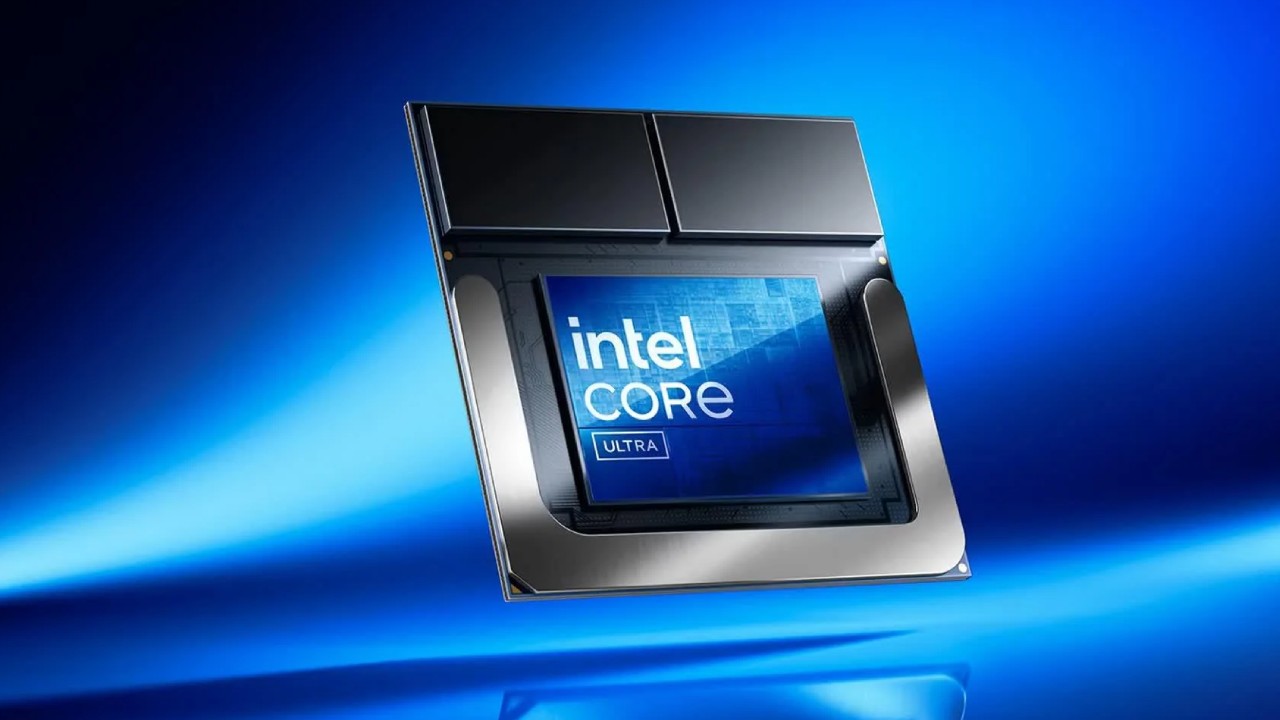
The Intel-NVIDIA Alliance is Finally Taking Form
The project's basis was set in late 2025 when NVIDIA reportedly invested $5 billion in equity into Intel. But the deal also includes intentions to work together on future "Intel x86 RTX SoCs" – next-generation chips that would combine Intel's CPU capabilities with NVIDIA's industry-leading graphics technologies.
At the time, many observers questioned what such a partnership would actually produce. Now, the answer may finally be emerging.
The latest roadmap leaks suggest that Serpent Lake is coming in Q1 2028 and may debut at CES 2028. More importantly, it seems to be the first genuine effort to meld Intel's x86 processing power with NVIDIA's GeForce RTX ecosystem into a single premium computing platform.
That's a big deal for an industry that has long considered Intel and NVIDIA to be the two pillars of the PC ecosystem.
What Exactly is Serpent Lake?
Serpent Lake is not a successor to Intel's standard mobile processors, reports say. Instead, it is claimed to be a specialized branch of Intel's forthcoming Titan Lake architecture.
The big distinction is that it has a dedicated NVIDIA RTX GPU tile built right into the processor box, alongside Intel's own CPU cores. Rather than relying on Intel's own Arc graphics technology, Serpent Lake would effectively bring GeForce-class graphics capabilities into an advanced SoC design. That detail alone makes this leak extraordinary.
Intel has spent years investing heavily in Arc graphics and building a competitive GPU ecosystem. Choosing NVIDIA technology for a flagship mobile-focused product suggests that Intel sees a unique opportunity to attack a rapidly growing segment of the market where raw efficiency and performance-per-watt matter more than traditional platform boundaries.
The result could be a processor that combines high-end CPU performance with graphics horsepower previously reserved for systems carrying separate discrete GPUs.
The Death of the Discrete Mobile GPU?
Perhaps the most interesting thing about Serpent Lake is what it could signify for gaming computers.
High-end gaming laptops often need a strong CPU and a discrete mobile graphics card. This approach delivers excellent performance but comes with tradeoffs involving heat, battery life, chassis thickness, and manufacturing costs.
Serpent Lake appears designed to challenge that model directly.
If NVIDIA can succeed in integrating contemporary RTX-class features into a package-level GPU tile with good power efficiency, it might empower manufacturers to build much thinner gaming systems without losing premium gaming experiences.
Features like DLSS, AI-enhanced rendering, improved ray tracing acceleration, and next-gen RTX features could all arrive in a single integrated chip package rather than a separate graphics solution.
For consumers, that might mean lighter laptops, quieter cooling, longer-lasting batteries, and more portable workstation-class machines.
The biggest question is how much performance NVIDIA can realistically squeeze into such a design. If Serpent Lake delivers graphics performance approaching current mid-range discrete GPUs, the market for entry-level and lower-midrange mobile graphics chips could face significant pressure.
The traditional distinction between integrated graphics and dedicated graphics may begin to blur faster than many expected.
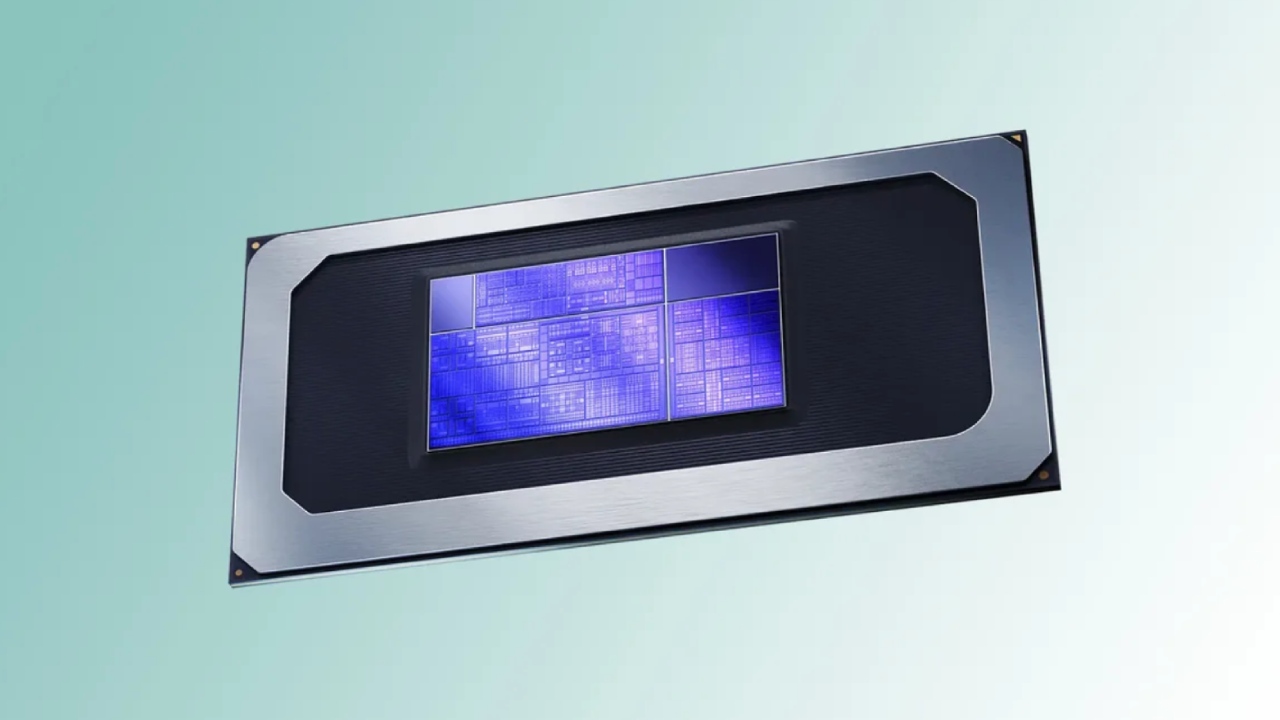
Intel's Direct Attack on AMD's Halo Strategy
The target of this initiative seems obvious.
AMD has spent years refining its unified CPU-GPU approach, culminating in powerful "Halo" products such as the Strix Halo. These processors showed that integrated graphics are no longer a sacrifice, especially with new memory architectures and efficient designs.
Serpent Lake appears to be Intel's answer.
Rather than attempting to beat AMD using only internal technologies, Intel may be leveraging NVIDIA's graphics leadership to create a genuine "super-APU" capable of challenging AMD in one of its strongest categories.
The strategy makes sense. AMD's greatest advantage has traditionally been its ability to tightly integrate Ryzen CPU cores with Radeon graphics technology. With NVIDIA in the mix, Intel can tap into perhaps the most recognizable gaming graphics brand in the world and profit from the deep software ecosystem NVIDIA has built.
For gamers, there's a lot at stake with the RTX name. DLSS and similar technologies have become essential selling elements in current PC gaming, frequently as important to a buying decision as raw performance metrics.
If those capabilities arrive in a highly integrated Intel processor, AMD may face its most serious competitive challenge yet in the premium mobile segment.
Why This Could Reshape the Entire Laptop Industry
Beyond gaming, the potential applications extend into professional workloads.
More and more content creators, AI developers, engineers, and mobile workstation users rely on GPU acceleration to solve day-to-day activities. Adding high-performance CPU cores and integrated RTX to a processor would make system designs easier and give small devices a lot of compute capacity.
It would allow laptop makers more flexibility in developing thin-and-light systems, potentially minimizing the need for large cooling solutions and intricate motherboard layouts.
The overall trend is clear: the industry is shifting to more integrated computing platforms. Years ago, Apple showed the power of this technique; AMD has extended its Halo strategy, and now Intel is poised to take the idea even farther with NVIDIA as its graphics partner.
Editor, NoobFeed
Gaming Hardware Updates
No Data.