
Game Mechanics: How The Rules That Make You Play Another Round Work
Other by Nestee Shy on Feb 01, 2026
When you start a game, the first thing that keeps you playing is not the graphics or the plot. It's the actions you can take and the rules by which the world responds. This is what game mechanics are all about. To put it simply, it's everything that answers the questions "what can I do" and "what happens next." In game design theory, these principles are commonly described as game mechanics - the core rules and systems that define player interaction with the game world.
Many players don't consciously think about this. You just feel that the game is comfortable or, conversely, annoying. Behind these feelings, there are always specific mechanics. Movement speed, shooting system, character leveling, rewards for actions. All of these are small cogs in one big system.
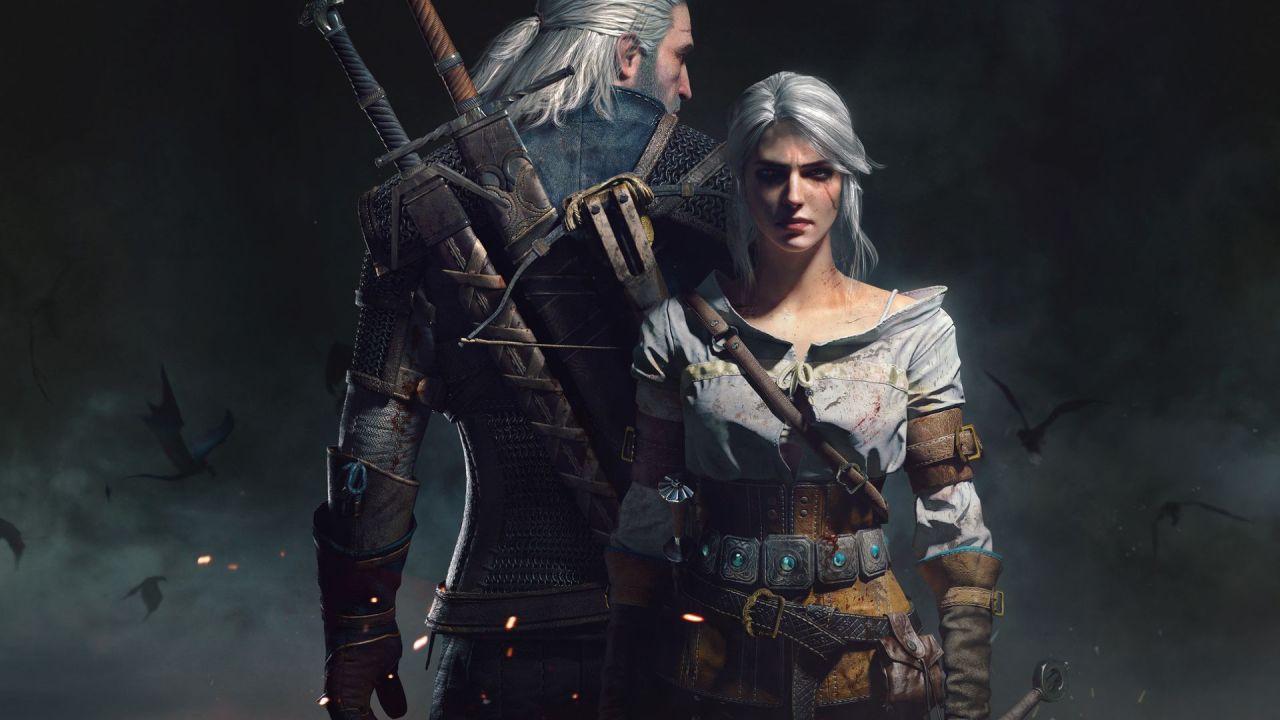
If you look at the work of modern studios, it becomes clear that mechanics are planned as carefully as visuals. In Stepico studio, you can see how teams showcase their projects and approach to game development. Behind beautiful pictures, there are always clear rules for player interaction with the game.
What are Game Mechanics in Simple Terms?
Game mechanics are rules or actions that have a clear result within the game. Character jumps when you press a button. You defeat an enemy and gain experience. You build a house and a new opportunity opens up. Each such action is described by the system, not by chance.
Mechanics shape the player's experience step by step. They determine whether the game will be fast or slow, difficult or accessible. Even the interface can be partially attributed to mechanics, as it affects how quickly you make decisions.
Basic Types of Game Mechanics
To better understand the topic, it is worth looking at the basic categories. They differ in different genres, but the basics are often similar. Below is a list that will help you structure this in your mind.
These are the mechanics that are most often used in video games:
- Character movement: Walking, Running, Jumping, and Dodging.
- Combat system: Shooting, Melee Combat, and Abilities.
- Resources: Health, Mana, Stamina, and Coin.
- Progression: Leveling, XP, and Skills.
- Interaction with the world: NPC Quests, Collecting Items, Crafting, and Dialogues.
- Risk and reward system: Loot, Rare Items, and Bonuses.
While considered on their own each argument appears to be simple. They combine to make a special formula for the game. If you change just one feature, the whole game might feel very different.
How Physics Can Help You in Secret
Players are willing to look past bad graphics. They won't care if the story is weak as long as the game is fun. On the other hand, bad skills stand out like a sore thumb. The tools are hard to use, the reaction time is slow, and the reward isn't worth the trouble. People start to lose interest after this.
Well-designed mechanics work differently. They imperceptibly lead you forward. You feel like you're getting better. The game challenges you, but doesn't punish you for no reason. This balance is created through dozens of tests and adjustments.

How Mechanics Influence Player Behavior
Every system is designed to encourage a specific action from the player. You will explore the map more if there are substantial benefits for doing so. More frequent use of cooperative modes is likely to occur in games with generous rewards for teamwork. This is how gameplay mechanics influence approach:
- Having to prepare ahead is a must when resources are limited.
- Arrogance is encouraged in fast-paced conflicts.
- The player becomes more careful due to the severe consequences of dying.
- Rewarding regular logins with daily benefits helps establish a habit.
- The element of surprise keeps players interested with random prizes.
Contrary to popular belief, this is not manipulative. Experience design is what it is. The player is given guidelines and is then free to act according to them.
Simplicity Versus Depth
It is often said that a good game should be simple. This is partly true. Players should quickly understand the basic actions. But behind this simplicity often lies a deep system. Take shooting, for example. Pressing a button is easy. But behind it can be weapon recoil, different accuracy in movement, types of ammunition, enemy armor.
The player doesn't need to know all the formulas, but they feel the difference in practice. One rule is important here. It's easy to start, but hard to become a master. This is how mechanics keep people interested for a long time.
How Mechanics are Created and Tested
Ideas rarely work perfectly right away. First, the mechanics are described on paper. Then a simple prototype is made. At this stage, it becomes clear whether the system is interesting to interact with.
After that, testing begins. They look at where players get lost, where they get bored, and where it is too easy. Often, the mechanics are simplified or, conversely, complicated. This is a normal process, not a mistake.
Revisions are an inevitable part of any good design process. What makes perfect sense in theory could have an entirely different effect when put into reality.
.jpg)
Why Different Genres Feel Different
A genre's mechanics are its bedrock. Quickness and precision are paramount in a shooter. Strategies and their accompanying resources are crucial in games of this type. Leveling up and selecting talents are major aspects in role-playing games.
Even if you take two games of the same genre, the difference in mechanics creates a different pace. One game forces you to act quickly, while the other allows you to think. That's why players often say that one game "feels better," although they can't always explain why.
Moderator, NoobFeed
Latest Articles
No Data.