
Gaming Industry Shifts: Rising Costs, Layoffs, and $80 Game Price Experiment
As hardware costs keep climbing and the industry braces for a wave of layoffs and studio closures, the smartest thing you can do as a gamer is skip the next big release and finally dig into the backlog you already own.
Opinion by Adeela Tas on Jun 12, 2026
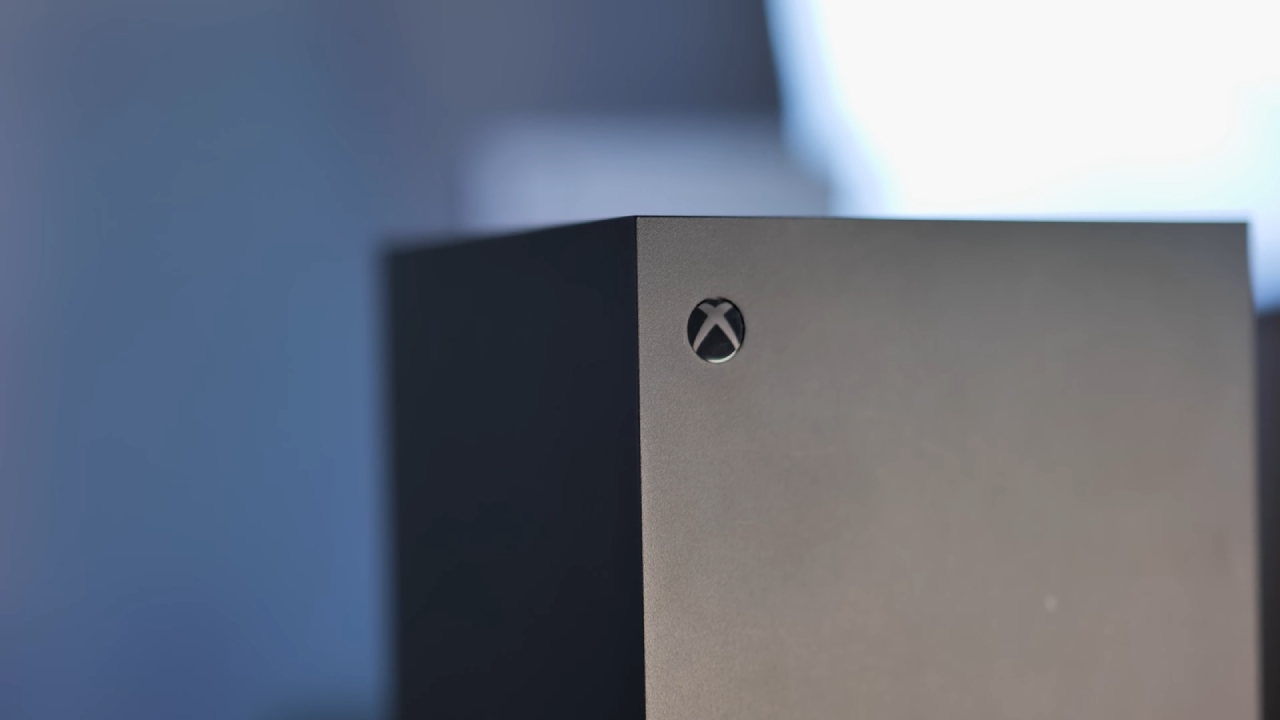
It is safe to say that the situation with XBOX is rather bad at the moment. With increasing component prices, staff layoffs planned for the following month, and an overall market where video games have been sucking every last penny from consumers, a lot is going on. But even if you happen to be a PlayStation fan, the events taking place now will impact you too.
Asha Sharma, who stepped in as XBOX CEO back in February, didn't sugarcoat the hardware situation at all. According to her, the price they were paying for console storage components had already more than doubled by the time she took over compared to what they were paying the previous fall. Then those costs doubled again.

Looking ahead to the 2027 holiday season, another significant jump is expected, putting prices at over five times what they were just two years prior.
Memory costs have followed a nearly identical path. Sharma made it clear that while the whole industry is dealing with a component crisis, XBOX believes it has been hit harder than its competitors, largely because of decisions made over the past five years. On top of that, they're currently unable to manufacture enough consoles to meet demand, and they're now searching for a new business model and external partnerships for hardware going forward.
That's a tough spot to be in. PlayStation 5 already has roughly 90 million consoles out in the world. Sony built that foundation before costs spiraled, so even though sales have slowed, they have an XBOX-sized gap to close while PlayStation has an installed base that isn't going anywhere. XBOX doesn't have that cushion. The entire XBOX strategy depends on growing the ecosystem, and you can't do that if you can't build enough consoles.
And if prices stay elevated going into next generation hardware, the cost of those new machines is going to be something else entirely. For you as the person actually buying games and hardware, here's the honest take: if you're at all financially aware of what you're spending, now is genuinely one of the best times to step back from chasing new releases and dig into what you already own.
Yes, new games keep coming out that look incredible. But the backlog doesn't disappear. Sales don't stop running. Games from 2020, 2021, and 2022 that you skipped or never finished are sitting right there, and a lot of them are more accessible price-wise than they've ever been. You could realistically never buy another new release and still have enough to play for the rest of your life, and that's not an exaggeration.
The pressure to always be playing the newest thing is real, but it's worth pushing back on.
There's a sentiment that surfaces constantly in gaming communities right now that basically goes: "I already have too many games to finish, I'm not buying anything else." And honestly, that's probably where most of you are too. The next title that catches your eye might look incredible, but there's a solid chance something from a couple of years ago that you haven't touched yet would give you just as much, maybe even more, enjoyment for a fraction of the price.
It's also worth giving a second look to games that didn't score amazingly on review sites. Not everything needs to be a nine or a ten to be worth your time. There's something genuinely charming about going back to a mid-tier RPG or an under-the-radar action game and realizing it has a lot more going for it than the review scores suggested.
A game like The DioField Chronicle is a good example; it wasn't critically celebrated, but for players who are into JRPGs, it's a solid experience that most people just never gave a chance. Or Atlas Fallen, an open-world action game set in a desert that came out a few years back. It's not a masterpiece, but there are people who absolutely love it, and they'd be the first to admit it has its flaws.
That kind of relationship with a game, where you can see the rough edges but also see the heart that went into specific parts of it, is something genuinely. Review scores are useful, but they're not the whole picture. Now, onto the layoffs. It's been confirmed that XBOX is heading into significant job cuts in July, and studio closures could come with them.
This follows years of overspending and operating on a margin of around three percent.
The course correction is happening now, and it includes pulling back on marketing and other parts of the business. When you look at which studios might be at risk, Double Fine is the name that comes up immediately. Their recent releases, a title called Klin and another called Keeper, peaked at around 300 concurrent players on Steam. Even factoring in the subscription service, that's a deeply concerning number.
That's the kind of data point that makes you wonder whether Microsoft looks at a studio like that and decides the math just doesn't work anymore. There are people who love Double Fine's work, and losing any studio in the games industry is never a good thing. The shutdowns of Bluepoint and Tango Gameworks were already two of the more heartbreaking losses in recent memory, both studios with real identity and quality behind their work.
Double Fine would hit a lot of people hard too. But the current environment doesn't leave much room for studios that aren't pulling numbers. The layoffs also raise a bigger question about the subscription service strategy. A lot of the deals that brought high-profile third-party titles to the service day one- games from major franchises, big RPGs, that kind of thing- were almost certainly signed before Sharma came in.
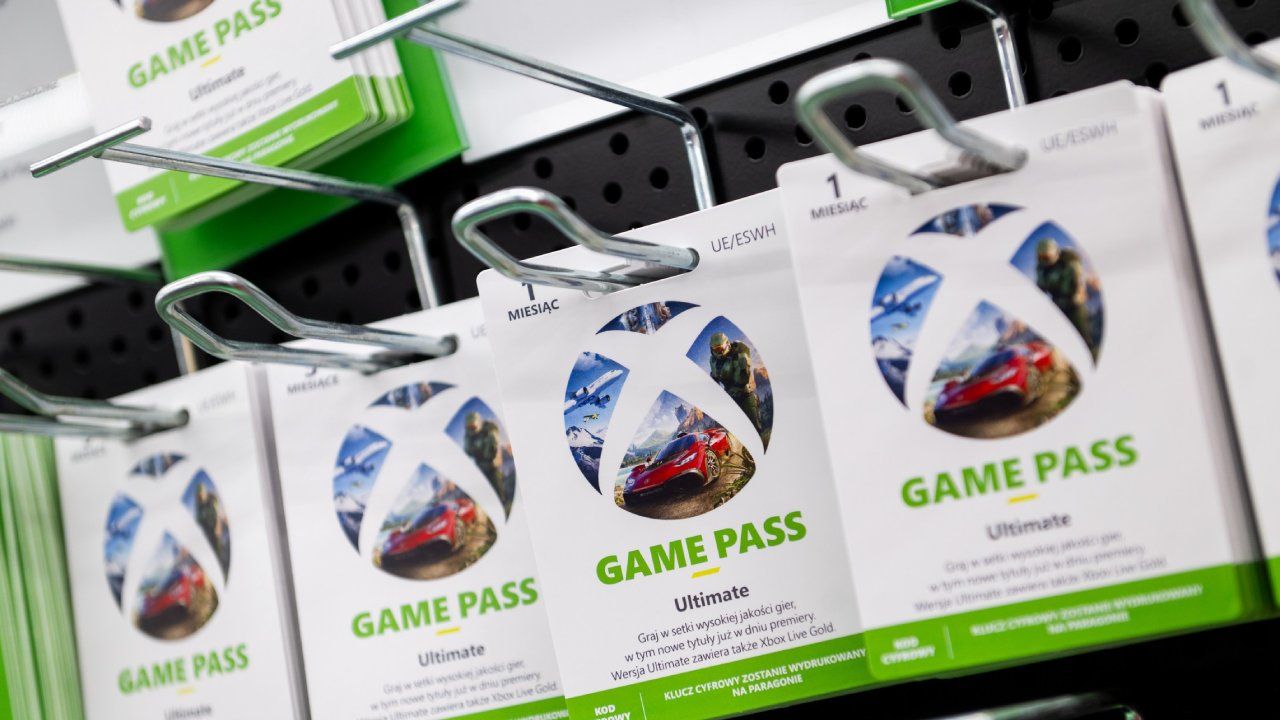
Those deals aren't cheap. When a publisher agrees to put a game on Game Pass, they're not just getting compensated for what they think they would have sold. They need to be paid above that, because a subscription release diminishes the perceived value of their title, and the publisher needs to be made whole for that loss. That's a real cost.
It's worth asking how much longer these costly deals are sustainable as spending tightens.
There's also a broader question about whether gaming subscriptions are as sustainable a model as they look on paper. Gaming is different from streaming movies or TV. People tend to have a smaller set of titles they actually play deeply, rather than cycling through new content constantly. The value is clearly there for heavy users.
However, across a general audience, it's unclear how many people are actually getting their money's worth month to month. It matters a lot for the long-term direction of XBOX and the industry overall. And then there's Nintendo, which just quietly started testing the $80 price point with Fire Emblem: Fortune's Weave. The physical edition is going to run you $80 in store, while the digital version comes in at $70.
The company has been open about maintaining a price gap between physical and digital, and the way it's playing out is that physical carries a premium. You can see the same pattern with Star Fox, a remake that probably should have come in at $50 across the board, but it's $60 in stores. If paying that extra ten dollars means the game actually ships on a cart rather than coming with a download code in the box, a lot of people are willing to absorb it.
As for Fire Emblem specifically, the $80 tag isn't going to scare off the people who were already going to buy it. Fire Emblem has a dedicated, committed fanbase that isn't casual about the series. These aren't people who need convincing. They've followed it for years, they know what they're getting, and $80 is what they'll pay. It's not a franchise built to bring in millions of first-time buyers, and the company knows that.
The hardcore audience will show up at that price regardless.
But what they are doing here is smart in a quiet way. By testing $80 on a niche title with a guaranteed audience, they're reading the room without risking mainstream backlash. The $70 digital option gives budget-conscious buyers an out, and the $80 physical version makes clear that the premium format costs more. It's a sliding scale, the same logic behind collector's editions.
People with more room in their budget can pay for the physical copy. People with tighter budgets buy it digitally. Either way, the company gets their sale. Gaming costs are going up across the board. That's not a prediction anymore; it's what's already happening.
XBOX is navigating a genuine hardware crisis, studios are facing cuts, Game Pass deals are under financial scrutiny, and publishers are slowly testing higher price points while watching how much resistance they get. None of that changes what's already in your library, or what's available on sale right now. You have more than enough to play. The wisest move in a market like this one is knowing when not to buy.
Editor, NoobFeed
Latest Articles
No Data.