
Best Gaming Handhelds 2025: ROG Xbox Ally X vs. Legion Go 2 vs. Steam Deck OLED
The handheld market of 2025 reflects rapid innovation, fierce competition, and shifting priorities among major tech manufacturers.
Hardware by Masaru Hoshino on Oct 13, 2025
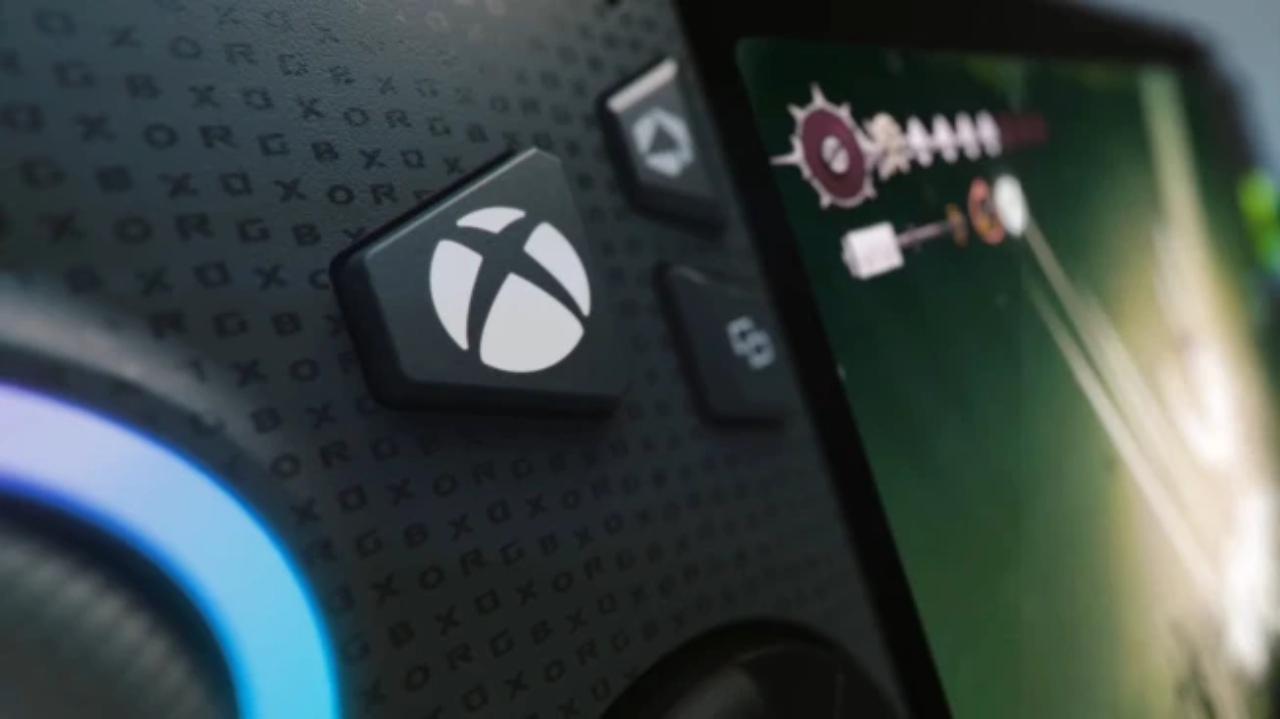
You've seen it everywhere. The ROG Xbox Ally X. The marketing campaign has been so relentless that it almost feels like Microsoft has discovered the cure for something particularly gruesome rather than just releasing another gaming device.
The specs are great: Zen 5 architecture, 24GB of RAM, and deep Xbox integration that makes the ecosystem feel more like a true relationship than a perk. It sounds like the perfect time to stop being the person who just plays games at a computer and join the revolution that's happening all around us.
But things get more complicated when we realize that a lot of us have been playing PC games for a while. We put together rigs, fought with driver updates, and learned to be wary of anything that promised to work.
We've played around with Android phones and Linux devices from sketchy internet vendors, and we've learned that lawyers are sometimes the only ones who can explain the difference between specs and real-world experience. There is generally a lot of excitement over a new product's launch and a lot of long-term enjoyment.
So the real question isn't whether the Ally X is good—it clearly is—but whether it's the right device for you, or if it's destined to haunt that drawer where forgotten electronics go to die.
Understanding the Handheld Market
By late 2025, the handheld market will be crowded enough that Ally X will have to elbow for attention. Some devices cost half as much and deliver twice the user experience in specific areas—better screens, longer battery life, or superior ecosystems. The Ally X may be the loudest voice in the room, but the loudest voice is rarely the wisest.
The market today has organized itself into three main tiers—actually four if we stretch the definition a bit. At the top, we have the flagship tier, where performance leaders command prices above $1000, making us question our financial priorities.
Below that lies the sensible tier, where practicality starts to challenge prestige. And finally, the mainstream tier, which houses consoles like the Nintendo Switch 2 that may not compete on raw specs but dominate in accessibility and sales.
The Flagship Tier
The ROG Xbox Ally X is at the top of the mountain. It has AMD's Ryzen Z2 Extreme CPU with Zen 5 architecture, which can boost to 5GHz when the conditions are right. It has a 7-inch 1080p 120Hz screen, 24GB of RAM, and an 80Wh battery. It feels like a real commitment to include Xbox and Game Pass, not just a feature.
This is Microsoft and ASUS staking their claim on the premium handheld market. The pitch is clear: buy this, and you'll still be happy in 2027.
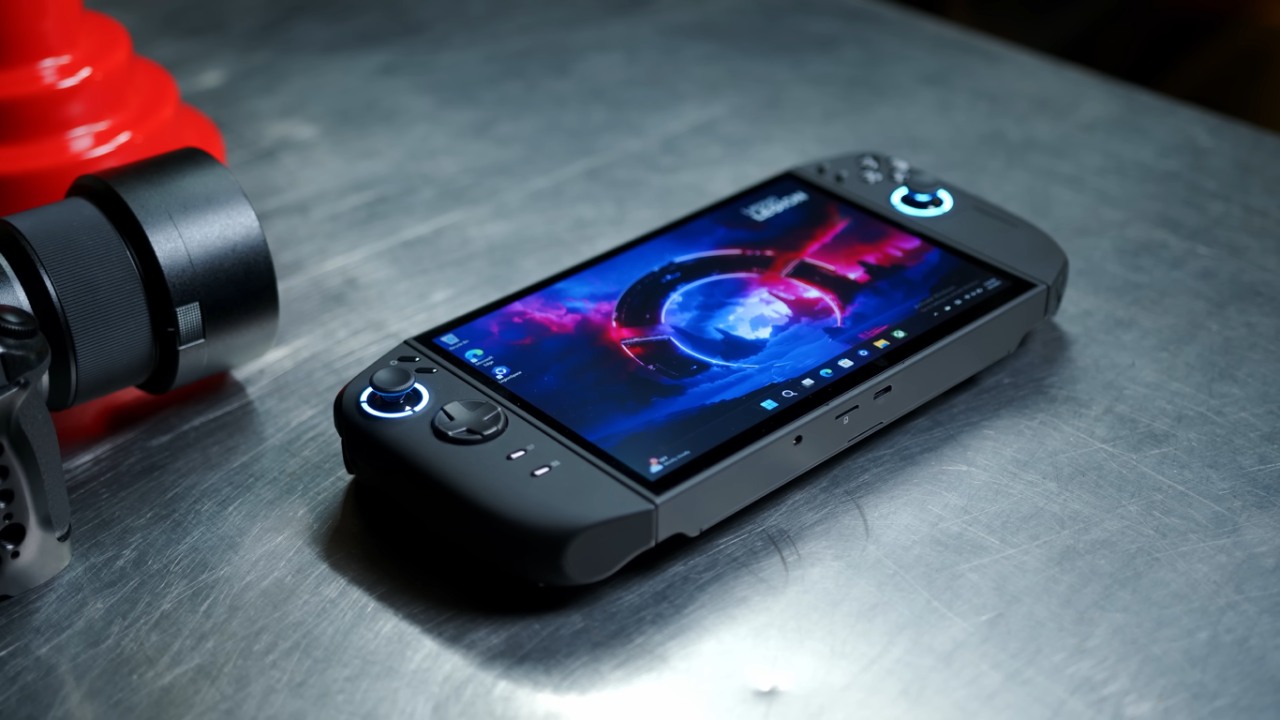
Then there's the Lenovo Legion Go 2, which takes a different approach. It features a comparable Zen 5 processor but stands out with its 8.8" OLED 144Hz HDR-certified display that makes other screens look dim by comparison.
Detachable controllers return, turning it into a versatile tablet or tabletop gaming station. With 32GB RAM and up to 1TB storage, it's designed to replace half of your electronics—and might actually succeed.
Finally, the wildcard: the MSI Claw 8 AI Plus. It's powered by Intel's Core Ultra 7 from the Luna Lake series, offering 32GB RAM, an 8" 120Hz display, and an 80Wh battery. With two Thunderbolt 4 ports, it aims for endurance and professional flexibility.
But its success depends entirely on Intel's commitment to handheld gaming—a gamble that could pay off brilliantly or fail spectacularly.
The Sensible Tier
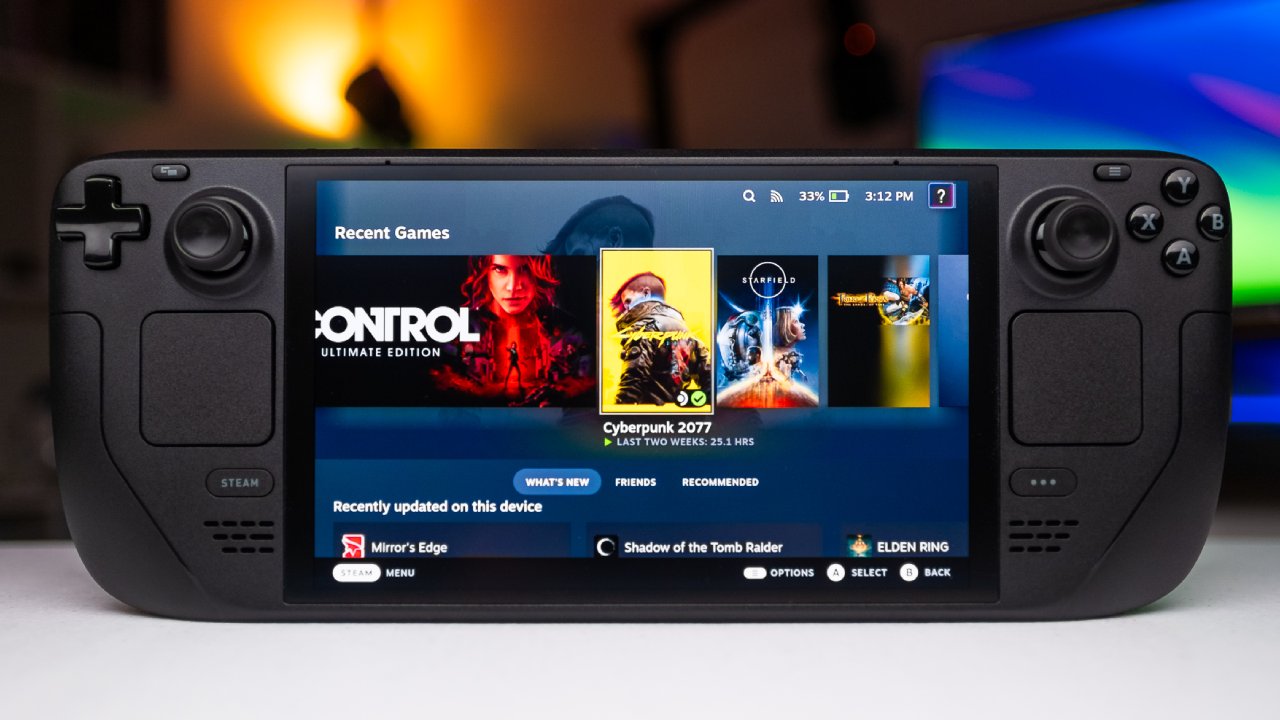
For most of us, excitement eventually gives way to practicality. The Steam Deck OLED leads this category. Its hardware isn't new, but that's its strength—it's stable, proven, and polished. SteamOS works perfectly, unlike Windows handhelds, which often need to be fixed.
The HDR OLED screen is stunning, and the experience is so smooth that it nearly seems unfair. You know that it won't be able to run every game at ultra settings, but that's okay. It's a device made for playing, not messing around with, which is why it's still such a great choice.
The ROG Xbox Ally, which is the standard model, is another good choice. It won't break any performance records with its Zen 4 processor, but it does provide complete Xbox and Game Pass functionality at a lower price. It's perfect for gamers who want the Xbox ecosystem but don't want to pay the whole price. These are the kinds of people who know that "good enough" may be a lot better than "technically superior."
The first Lenovo Legion Go, on the other hand, has aged well. With lower prices, it has gone from being an expensive curiosity to a real challenger. It still has a big screen, controllers that can be taken off, and good Zen 4 performance. It may not be as refined as the Legion Go 2, but it is now a great deal for people who want a diverse form factor.
The Mainstream Contender
And then there's the Nintendo Switch 2—not a PC handheld, but an essential part of the conversation. It's the device that will outsell every other option combined because its users don't care about TDP settings or driver updates. It's simple, reliable, and fun.
Projecting Forward: The 2027 Test
Let's fast-forward to 2027 and see which of these purchases will age like fine wine and which will collect dust.
Owners of the ROG Xbox Ally X will likely still be delighted. That Zen 5 investment will have paid off, and 24GB RAM will no longer seem excessive but wise. The device will handle modern titles effortlessly, and its tight Game Pass integration will continue to shine.
Legion Go 2 owners will still adore their OLED display. The screen will remain the best in the handheld space, and the device's versatility will prove genuinely useful. From gaming to productivity to media consumption, it will have more than earned its keep.
Steam Deck OLED owners will have no regrets either. They'll have enjoyed thousands of hassle-free gaming hours, cleared their backlogs, and avoided the endless troubleshooting that often accompanies Windows handhelds. Its clear boundaries will have kept expectations realistic—and satisfaction high.
On the other hand, base Ally owners might start to notice the Zen 4 limits creeping in. Newer games will need more power, and while streaming can help, it might feel like giving up. It will still work, but it won't be as reliable in the future as its bigger brother.
The original Legion Go will still function perfectly fine, but its owners may feel pangs of envy every time they see the Go 2. The OLED envy will be real, even if they got great value for money.
And finally, MSI Claw 8 AI Plus owners will either feel like geniuses or fools. In the good timeline, Intel will have delivered stellar driver support and performance. In the bad one, the Claw will have been quietly retired to the drawer of expensive mistakes. It's a true high-risk, high-reward scenario.
Final Recommendations
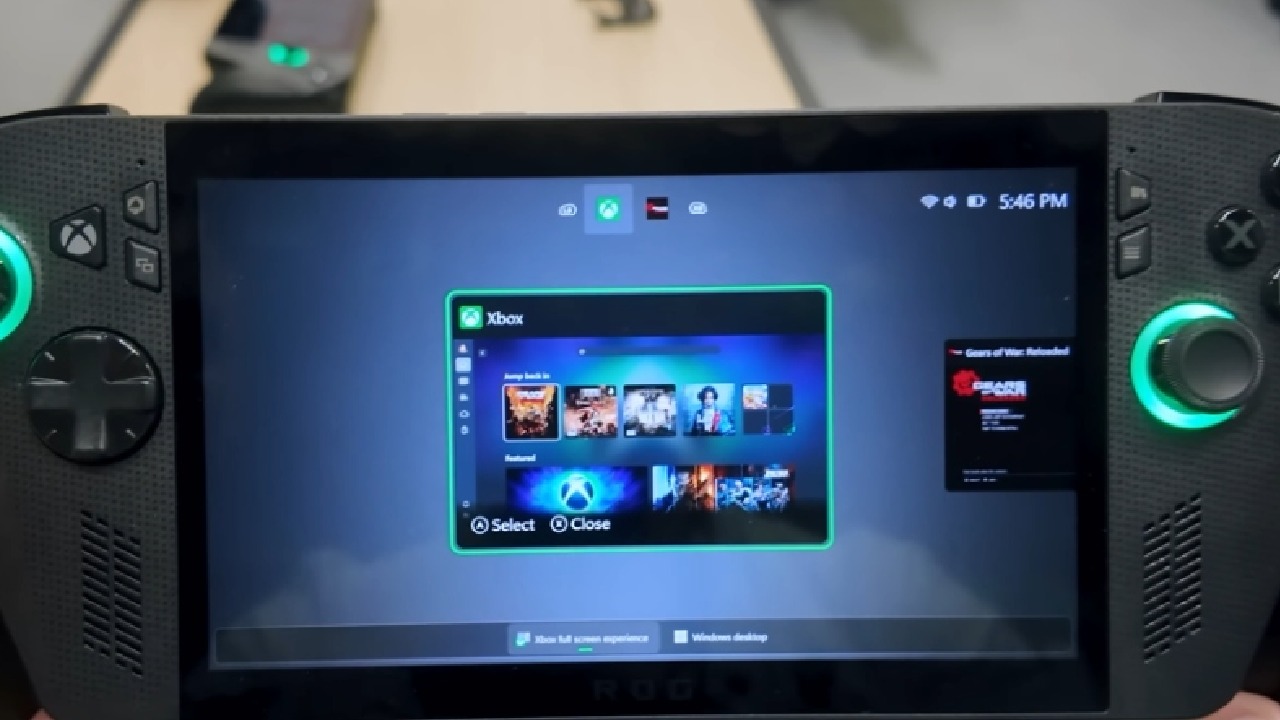
If you're an Xbox loyalist who values longevity and can afford it, go for the ROG Xbox Ally X. It's the powerhouse built to last.
If you prioritize user experience over raw performance, the Steam Deck OLED remains unmatched for sheer enjoyment.
If you crave versatility and the best display in the business, the Lenovo Legion Go 2 is your pick.
For those watching their budget but still wanting Game Pass access, the base Ally is the smart entry point—just be prepared to stream demanding titles down the line.
And if you love risk and innovation, the MSI Claw 8 AI Plus offers intriguing potential, provided you're comfortable gambling on Intel's long-term commitment.
Each of these devices is impressive in its own way, and the best choice depends on your personal habits, priorities, and what you'll still value in 2027—not just the excitement of 2025. The ROG Xbox Ally X may dominate the headlines, but the best handheld is always the one that fits you.
Check our Other Handheld Articles :
- ASUS ROG Ally X Handheld Review: Double the Battery, Double the Comfort
- Nintendo Switch 2 Vs. Original Switch 1: A Full Comparison
- How To Connect A Camera And Join Voice Chat With Nintendo Switch 2
- Nintendo Switch 2 Review: Handheld Performance, Features & Value Breakdown
- ROG Xbox Ally X Vs. ROG Ally X: Display, Battery & Controls
- ASUS ROG Ally X vs. Steam Deck OLED: Display, Battery & Gaming Benchmarks
- MSI Claw 8 AI+ Review: Display, Controls & Gaming
- Nintendo Switch 2 vs. Steam Deck OLED: Gaming, Performance, Battery, Display and Value
- PlayStation Portal Review: Remote Play, Cloud Streaming & Travel Gaming
- PlayStation Portal vs. Lenovo Legion Go: Best Portable Gameplay
- Cyberpunk 2077 Patch 2.3 FPS Test on MSI Claw 8 AI+
Editor, NoobFeed
Latest Articles
No Data.