
The Rise of Instant-Play Gaming: Why Browser-Based Entertainment Is Making a Comeback
Other by Esha Kapoor on Nov 25, 2026
For years, gaming has moved toward ever more demanding experiences. Huge downloads, massive installers, huge progression trees, etc., are all part of the modern gaming experience, and of course that has led to some absolutely spectacular-looking and technically impressive games. All of that has also created barriers for players who just wanted something a bit simpler.
Today, browser-based entertainment takes a very different approach. Rather than spending a lot of time preparing, you can often just jump in and start playing. That's attractive to people who play games but don't necessarily have the time or inclination to sit down and play for long periods. From puzzle and arcade games to card and casino games, the instant-play genre shows you don't need massive power or complex software to deliver a good gaming experience.

Why Instant-Play Gaming Appeals to Modern Players
Convenience is a big part of digital entertainment these days. Many people split their gaming time between different platforms and activities. You could well be spending an evening in a big role-playing game and then want something quick and easy for a short break later on, something you can do via the browser.
Instant play games are designed to cater to these different situations by minimizing the steps you have to take to get started. Instead of wading through a series of installation screens, you can often open a compatible browser, select a title, and start playing in no time. This is across several game genres.
Puzzle games offer short-term challenges, arcade games focus on controls, and online social casino games let you play casino-style games for free in the browser. The appeal isn't that they're video games in place of video games. They're an alternative when you just want something convenient and accessible rather than something complex.
How Browser Technology Changed Casual Gaming
Modern browser gaming is very different from the basic web games that we saw in the early days of online gaming. The advent of HTML5, JavaScript, and browser rendering means you can now deliver a whole raft of sophisticated interactive experiences without relying on the now-defunct plugins. You can now create fully animated environments, responsive interfaces and interactive gameplay all within the browser.
HTML5 and Cross-Platform Compatibility
HTML5 can support graphics, sound, and interactive content. With the right development frameworks, it can deliver games across a range of devices.
A browser game could, in theory, run on a desktop PC, tablet, or smartphone without separate installs for each platform. That said, it depends on the individual game. The dev would have to account for differing screen sizes, processing power, input methods, and browser support.
Reduced Barriers to Entry
Browser-based gaming can reduce some installation requirements. You don't necessarily need to download the whole application or worry about updates before you get to play.
This is obviously great value for casual entertainment built around short sessions. Browser games still download assets, of course, and loading times will vary depending on your connection and your device's capabilities. A good game will be optimized to minimize loading times while still offering a responsive interface.
Game Discovery Has Become Part of the Experience
One problem facing modern players is the sheer number of games available. Within any one genre, you could easily have fifty, a hundred, a hundred and fifty different titles, each with its own mechanics, visual style, and level of complexity. Good game discovery tools can make that a lot easier.
Categories Help Players Find Relevant Games
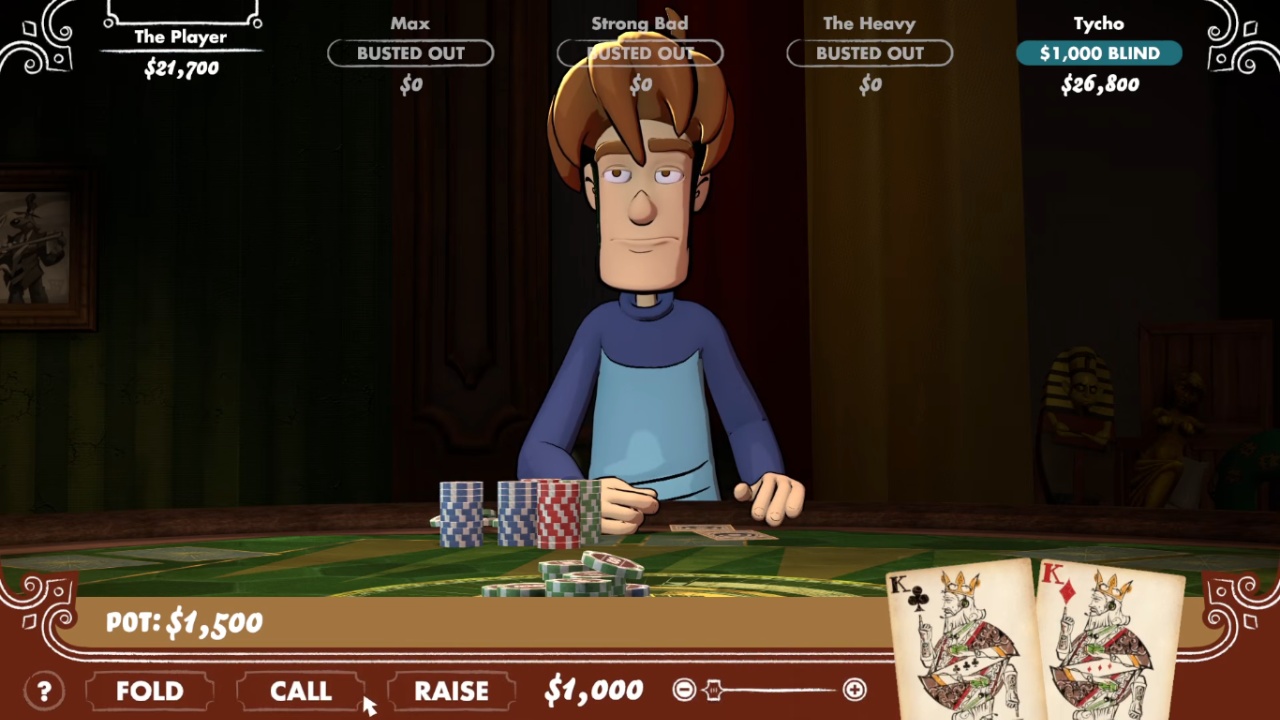
Organize the games by genre as a starting point. If you're after a puzzle, look at the logic games; if you're after something more arcade, look at the reflex games. You can organize casino-style gaming libraries by several criteria: classic slots, video slots, provider, or game type. This categorization helps users find the type of game they're after.
Descriptions Matter More Than Thumbnails
Visuals can grab the eye but don't necessarily tell you how the game works. A vibrant thumbnail may tell you nothing about the actual gameplay, how long a session is likely to be, or how complex it is. Useful descriptions should tell you what you can expect.
A slot game description for instance might tell you about the number of reels, the special symbols and the bonus features. A puzzle game could explain its aims and level progression. The clearer you present the information, the better informed the player will be before committing to a title.
Why Free-Play Experiences Support Exploration
Free-play gaming is an opportunity to try unfamiliar forms of entertainment. For someone exploring a new genre, it removes the initial purchase barrier and makes it much easier to try things out. Someone who generally likes strategy games might well give a casual puzzle game a go. Another person might be interested in the differences between old-school reel games and modern video slots.
Free play versions let you fiddle with the controls, get a feel for what's on offer, and see whether you'd be interested in the experience. That said, not every free-to-play platform operates on the same business model. Some games are completely accessible free of charge, others have optional purchases, ads and/or restricted features. You need to check the terms of participation on each platform as 'free to play' doesn't necessarily mean the same thing in all cases.
For casino-style entertainment, it's also important to be clear about the difference between virtual credit demos and products that involve a financial stake. The free demo is purely for entertainment and familiarisation, not a way to predict what will happen in other games.
The Difference Between Casual and Competitive Gaming
Casual and competitive gaming tend to appeal to very different motivations. Competitive gaming is generally about performance, skill, and the ability to improve. You can spend a lot of time learning the mechanics, refining your strategies, and improving against others. Casual games are often about accessibility and short playtimes.
That said those two categories aren't necessarily mutually exclusive. You can happily play demanding competitive games and still enjoy simple entertainment between longer sessions. The distinction is absolutely critical in the case of randomized games. In skill games, you can improve through practice and your own decisions.
In independently randomized slot games though, the past has absolutely no bearing on what's going to happen in the future. Players can learn how the mechanics work, but familiarity doesn't remove the element of randomness. It just means you can pick the experience that suits the kind of interaction you're after.
Why Cross-Device Accessibility Matters
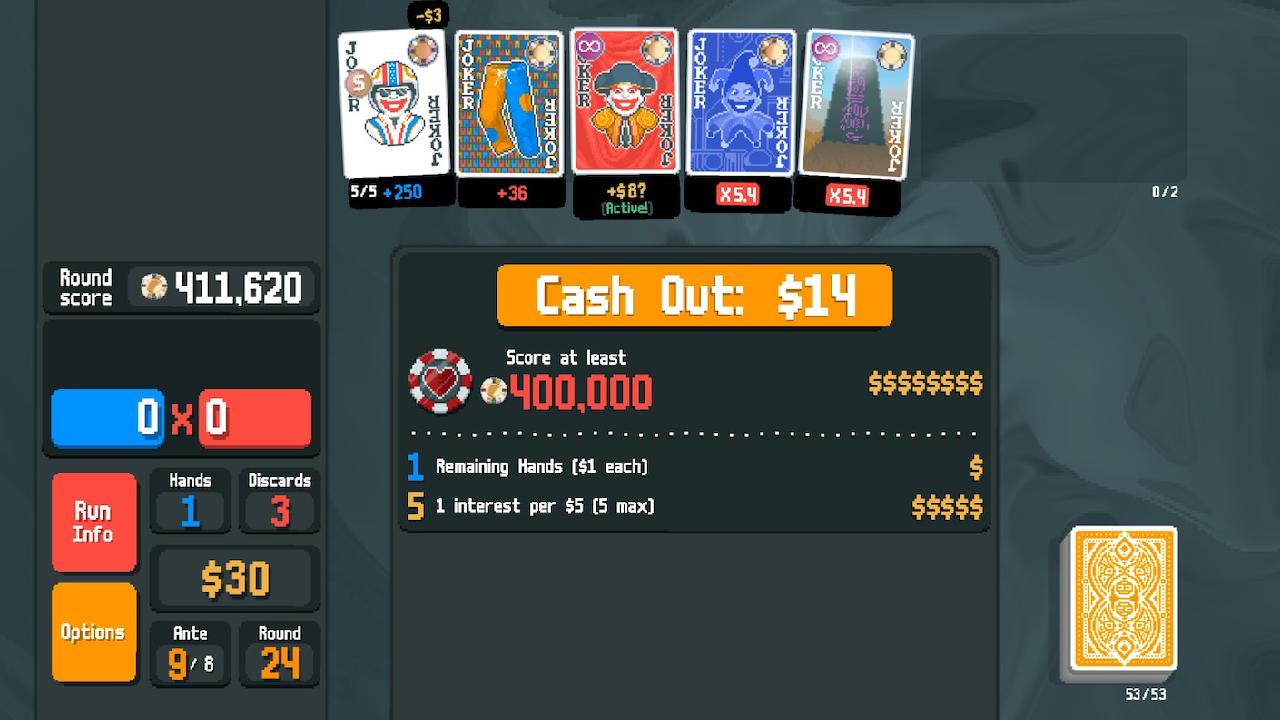
Modern players expect their digital entertainment to work across devices. A game that plays well on a PC should in theory be playable on a phone too, if the phone platform supports it. However, designing for multiple screen sizes is more than just scaling graphics. You've got to think about touch controls, screen orientation, loading times and readable information.
NoobFeed covered this in its article From Mobile To Desktop: How Casual Gaming Has Grown Up, which looks at how casual gaming has evolved toward more consistent experiences across devices. This underlines a big shift in player expectations. Convenience is no longer just about launching the game. Players now expect responsive controls, easy navigation and a consistent experience across all devices.
For browser-based entertainment, meeting those expectations is particularly important, as the same game library will be accessed across a variety of environments.
What makes an instant play platform worth using?
Not all browser gaming platforms are created equal. Several practicalities matter when assessing your options.
- Game variety: a good library should offer a range of different experiences rather than having loads of essentially the same games.
- Clear navigation: categories, search tools and filters should all be there to make it easy to find the games you're looking for.
- Loading performance: Games should launch efficiently on supported devices (no undue delays).
- Accessible instructions: players should be able to understand the objectives, controls, and special features.
- Mobile compatibility: the interfaces should be perfectly suited to smartphones and tablets.
- Transparency: platforms should be absolutely clear about what's required to register, what features are available and what (if anything) is optional.
These factors can be more important than the sheer number of games available.
A smaller collection with properly categorized content and good performance may actually be a better experience than a much larger library which is extremely hard to navigate. For the casual player, the aim is to spend as little time as possible searching and as much time as possible actually playing games you like.
The Future of Browser-Based Entertainment
Browser technology is still maturing and continues to open up new possibilities for interactive digital entertainment. Improvements in graphics and better development tools mean experiences that once required a standalone app are now possible.
At the same time, players increasingly expect games to be accessible with no fiddly setup. That opens up the opportunity for developers to deliver a much richer presentation alongside the very convenience that was the original draw of browser gaming.
Better search, clearer game descriptions, and better categorization could all help users discover games they've never heard of. The caveat, of course, is that all this technical sophistication shouldn't come at the expense of accessibility.
A browser game wins when its tech enables the experience rather than overcomplicating it.
Final Thoughts
Instant play gaming shows that you can have both accessibility and quality of entertainment. The modern browser has opened up a whole range of possibilities for casual games, and better interfaces and game discovery tools now help people get into different types of games.
From puzzle games and arcade-style games to free-play casino-type games, browser games offer an alternative to conventional downloads.
For players, the best approach is to choose clear mechanics, solid performance, and experiences that interest them. As browser-based entertainment continues to develop, convenience will remain a key selling point.
Contributor, NoobFeed
Latest Articles
No Data.