
Intel Arc B580 Review & CPU Overhead Fix Update - Has Intel Finally Solved It?
Intel’s Arc B580 solidifies its position in the mid-range market through steady driver updates and performance refinements.
Hardware by Naheyan Tahmin on Nov 03, 2025
Intel's Arc B580 has finally reached its $250 MSRP, which is an important event almost a year after its release. It's great news for budget and mid-range gamers that you can now always find it at that price.
The RTX 5050 is a bad choice, especially when compared to Nvidia's other options. The RTX 5060 is superior, but it costs $300 more.
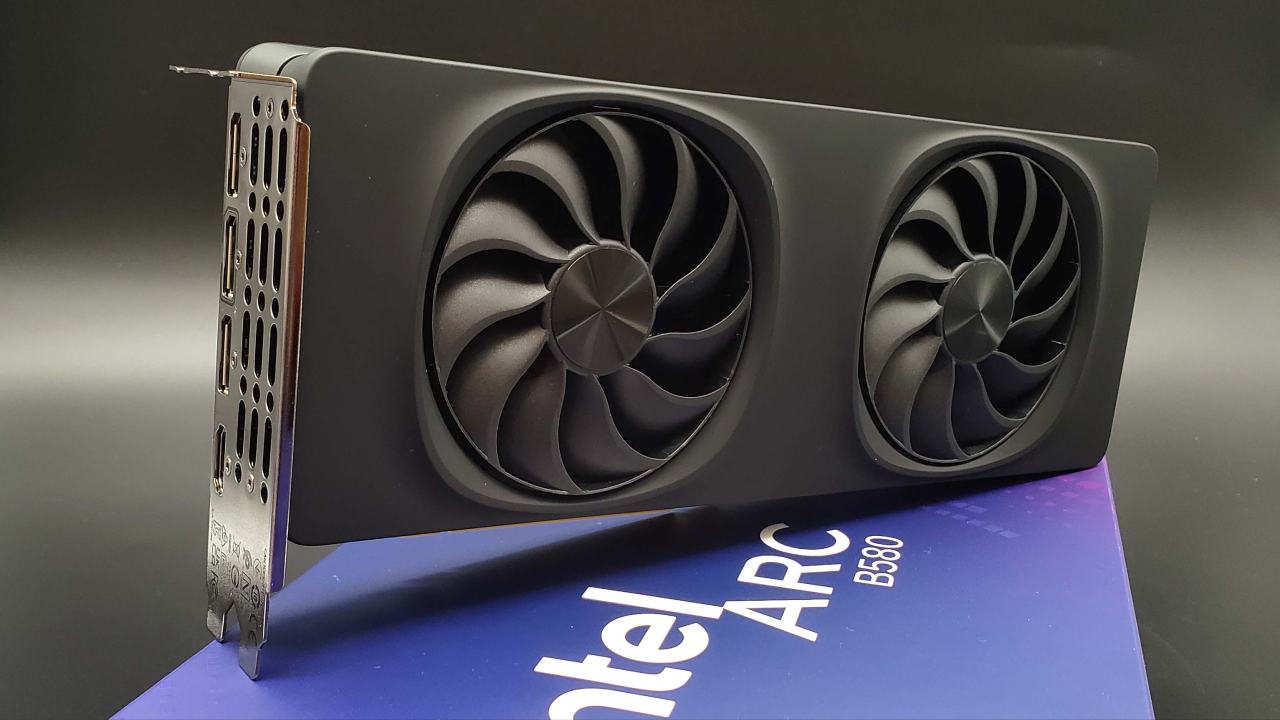
The Radeon RX 9060 XT 8GB, priced as low as $270, appears to be the most reasonable competitor, carrying only about an 8% premium over the B580.
However, the big differentiator here is VRAM capacity. While both the Radeon and GeForce options stick with 8GB, the Arc B580 offers 12GB, which makes a meaningful difference for gaming even at 1440p.
8GB GPUs and the Availability Problem
The most significant issue facing budget gamers in 2025 has been the persistence of 8GB GPUs, which often struggle in newer titles. Availability and inflated pricing have been Intel's biggest problems, but these issues seem to have largely resolved now.
What hasn't been as clear, however, is the lingering CPU overhead problem that Intel publicly acknowledged about five months ago. Intel announced back then that they were exploring optimizations to enhance efficiency.
Before we examine the latest benchmark results comparing the Arc B580 to the RTX 5050 and other GPUs, we would like to revisit the CPU overhead situation to determine if Intel has made any tangible progress.
Test Setup
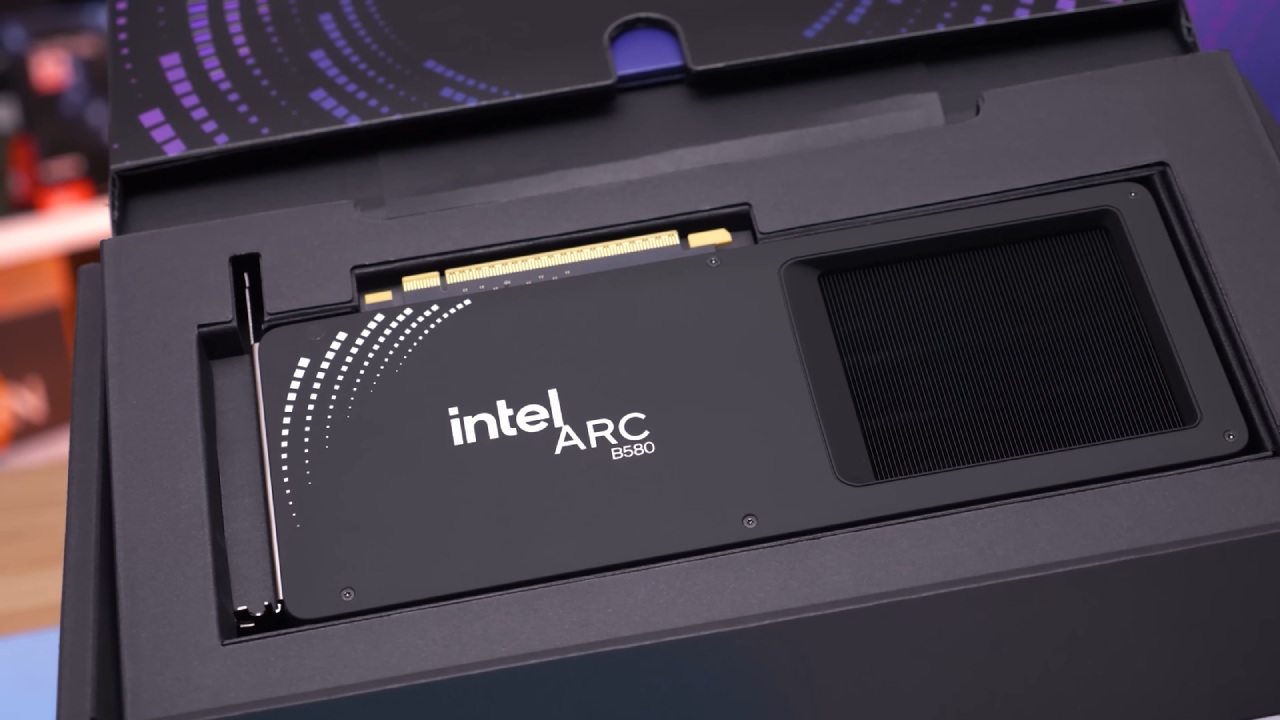
To get a clear picture of where the Arc B580 stands today, we conducted extensive tests under controlled conditions using a balanced mix of CPUs. The three processors chosen, the Ryzen 7 9800X3D, Ryzen 5 5600, and Ryzen 5 2600, allowed us to observe how the B580 performs across different CPU performance tiers, ranging from modern high-end to aging mainstream hardware.
We used the Radeon RX 9060 XT 8GB as a baseline to determine whether the CPU or GPU was the source of the constraints. We kept the graphics settings the same for each game so that any changes in frame rate could be attributed to CPU overhead or GPU performance, rather than outside influences.
The testing was conducted at either 1080p or 1440p, depending on the game's requirements. The power restrictions and boost clocks stayed the same.
Gaming Performance
The Arc B580 performed significantly better in our benchmark suite than it had previously, especially on CPUs such as the Ryzen 5 5600 and higher. Games like Rainbow Six Siege, Horizon Zero Dawn Remastered, and Kingdom Come: Deliverance 2 demonstrated consistent scaling, indicating that the overhead problem is primarily resolved on newer processors.
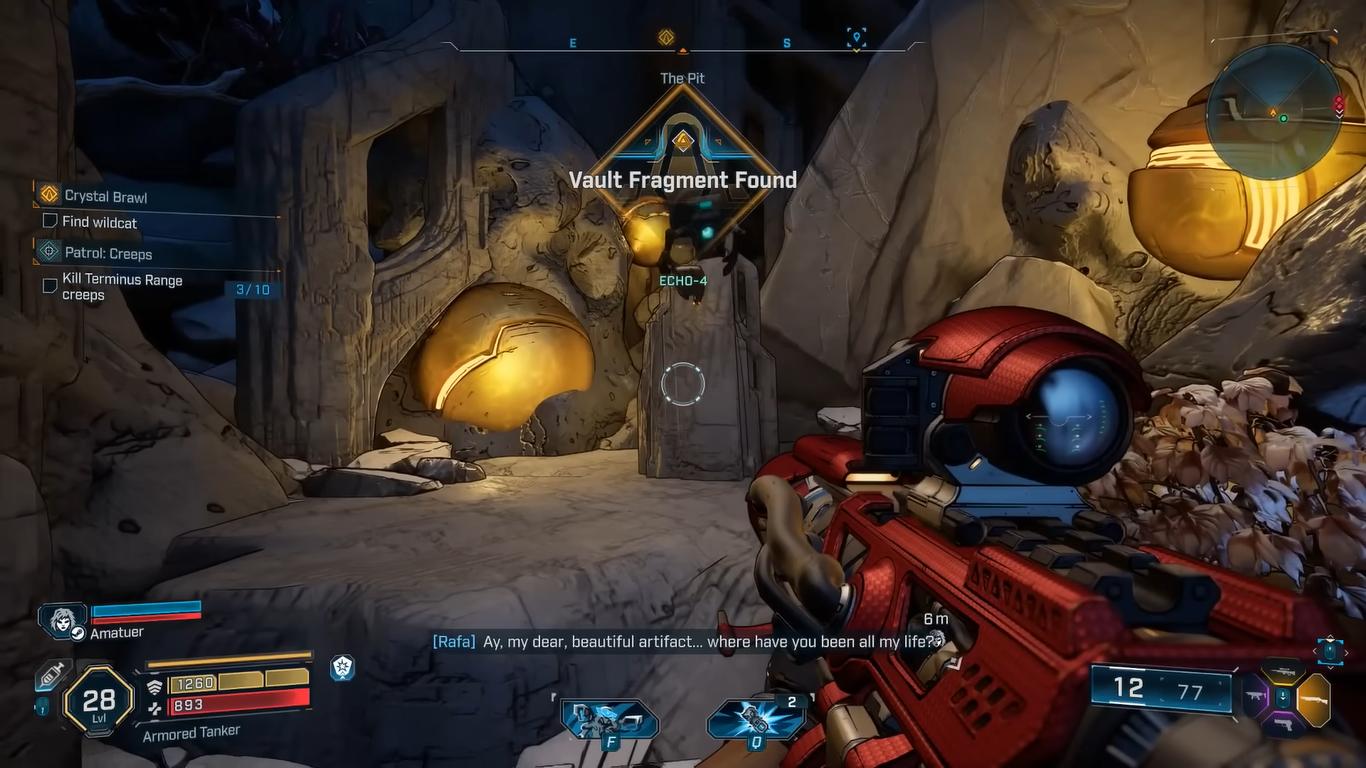
However, older CPUs, such as the Ryzen 5 2600, still experienced performance losses of 20–30% in several games, particularly those that are CPU-intensive, like Spider-Man 2 and Borderlands 4.
On the other hand, newer releases such as Cyberpunk 2077, Phantom Liberty, and Marvel Rivals benefited from Intel's latest optimizations, showing that targeted driver updates have significantly reduced the bottleneck effect.
Overall, the Arc B580 now delivers much smoother scaling across CPUs than before, with only legacy systems still showing major slowdowns.
Driver Analysis and Discovery
Testing with a range of driver versions from mid-2025 revealed a significant issue. With the Ryzen 5 5600, the B580 averaged 87 fps, about 26% slower than expected. But with the latest driver (version 7028), the B580 hit 118 fps, matching the RX 9060 XT perfectly. That's a massive 36% improvement from a driver update alone.
After narrowing it down, we confirmed that the breakthrough came with version 7028, released just four days after 7026 in late August. Contacting Intel's Arc team confirmed this finding.
They revealed that version 7028 included game-specific optimizations targeting older CPUs, specifically addressing titles previously highlighted as problematic, such as Marvel's Spider-Man Remastered and Cyberpunk 2077.
Intel's Progress on the Overhead Issue
This is huge news. For nine months, the overhead problem seemed untouchable; many assumed it was a fundamental hardware limitation. But Intel has proven that at least some of the overhead can be mitigated through software.
While not completely solved, the improvements are substantial enough that for most gamers with CPUs like the Ryzen 5 5600, the issue is practically gone.
Intel's driver team has been impressively active, releasing numerous updates that enhance performance and stability. Implementing this fix, even though it took nearly a year, demonstrates a genuine commitment to improving the Arc ecosystem.
Performance Summary
Across the 10 tested games using the Ryzen 7 9800X3D, the RX 960 XT was on average 34% faster than the Arc B580. With the Ryzen 5 5600, the margin remained around 30%. With the much older 2600, the Radeon GPU was 27% faster due to lingering overhead issues.
At $270, the RX 9060 XT costs about 8% more than the Arc B580 but delivers roughly 30% higher performance in most cases.
The only significant advantage for Intel's GPU remains its 12GB of VRAM, compared to the Radeon's 8 GB of VRAM. While extra VRAM is valuable, it doesn't completely offset the performance gap. At 1440p, with upscaling, that margin may shrink.
However, the RX 9060 XT would still maintain a lead of about 20%, keeping it in a higher performance tier overall.
If the RX 9060 XT were only about 10% faster, the Arc's 12GB would make it an easy recommendation. But as it stands, the Radeon GPU's superior speed outweighs its smaller memory buffer.
But at $250, the Arc B580 is more enticing than ever, thanks to Intel's ongoing driver updates and reduced CPU overhead.
Final Thoughts
Intel's Arc B580 finally seems like a viable solution for gamers with contemporary CPUs. It has a fantastic mix of affordability, VRAM capacity, and performance that gets better with time. Radeon still has the edge in raw speed.
Still, Intel's work on drivers and lowering overhead makes the B580 a worthy choice in the competitive mid-range GPU market of 2025.
We'll continue testing these GPUs across more resolutions and titles soon, so stay tuned for updated comparisons.
Also, check our other articles below:
- PS5 Pro vs. PS5 Slim: Frame‑Rate, Graphics & Performance
- PS5 Pro vs. Radeon RX 9060 XT vs RTX 5060 Ti: Ultimate $700 Gaming Showdown
- ASUS ROG Ally PS5 Remote Play | How to do Remote play on PS5 Using Sony's Official Remote Play App
- Stream PS5 Games on Steam Deck OLED: Step-by-Step Installation and Configuration
- PS5 Pro vs. PS5 Slim vs. PS5 — Design, Storage, Specs, and Gaming
- PS5 Pro vs. Xbox Series X: Specs, Price, Storage, Customization, and Gaming
- PS5 Pro vs. PC Gaming: Comparison of Graphics, Frame Rates, and Price
Editor, NoobFeed
Latest Articles
No Data.