
Intel Arrow Lake Refresh Brings Faster Gaming CPUs and Improved Efficiency Cores
Intel refreshes Core Ultra lineup with improved gaming performance, higher clocks, and expanded efficiency core configurations.
Hardware by Shinji Okazaki on Mar 18, 2026
The latest CPUs from Intel are the quickest gaming desktop processors they've ever made. There was a period when that kind of claim seemed apparent, but that hasn't always been the case.
We can't assume that the previous generation gave the best gaming performance anymore. That makes this newsworthy.
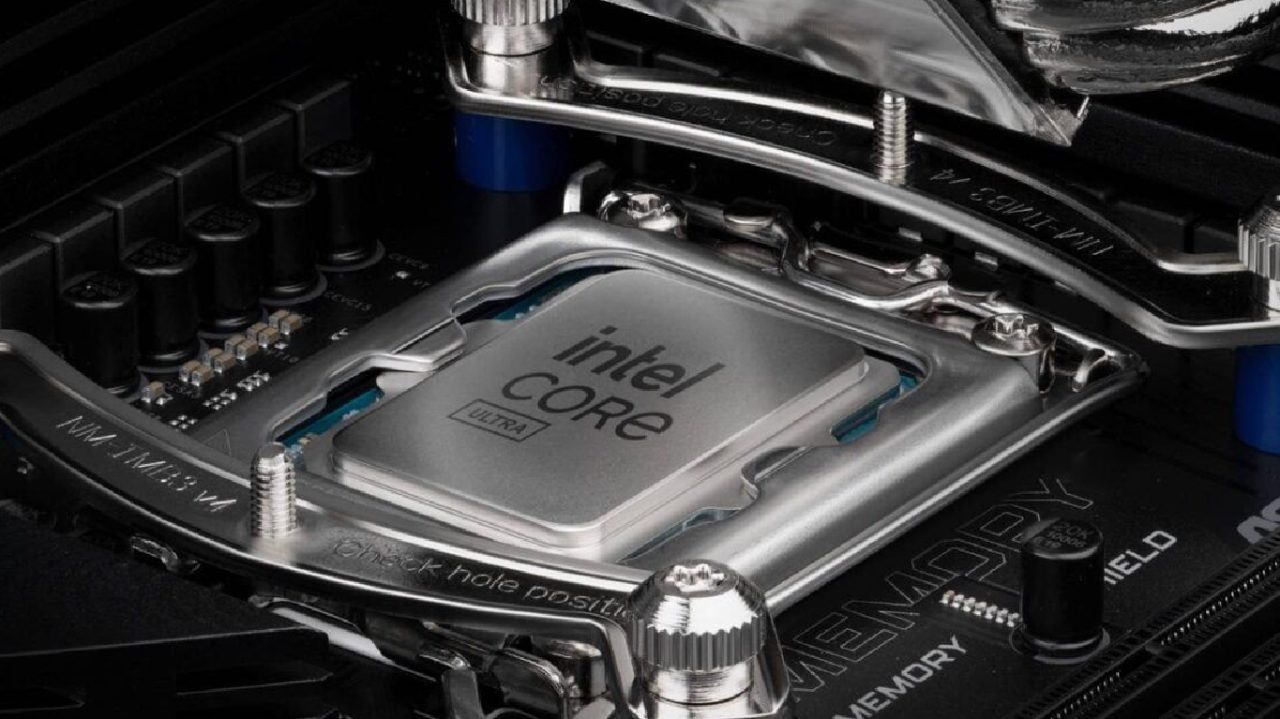
New Core Ultra Lineup and Changes to Hardware
Intel is excited about the new Core Ultra 7 270K Plus and Core Ultra 5 250K Plus. These chips have four more ecores than the ones that came before them. They also have quicker clock speeds and better communication between dies. The revisions also support 7200 MT/s RAM and provide early support for CU-DIMM modules with four ranks.
These enhancements don't increase the 125W TDP. Ultra 7 270K Plus has 8P cores and 16EC cores, the same as the top-of-the-line Core Ultra 9 295K. That setup puts it closer to higher-end parts while keeping its place in the stack.
Price, Performance, and Position in the Market
People have said bad things about the Core Ultra 200 series, mainly about its price and its gaming performance. Prices have gone down, and performance has gotten better over time. The new Arrow Lake chips are intended to improve gaming performance by up to 13% over the old ones while staying in the same price range.
250K Plus costs $199 to start, and the 270K Plus costs $299. A $200 processor that claims to beat the Ryzen 5 9600X and has many cores is a good choice. Some of those are ecores, though hybrid designs usually perform well for both gaming and non-gaming duties.
Strategy for Optimizing Software
Intel is also working to improve software. The Intel Application Optimization bundle will include the new binary optimization tool. It is a way to speed up performance in some games by using Intel's compiler and profiling technology to boost the number of instructions per clock.
We remember when this kind of optimization was seen as unfair, especially when people used non-standard compilers to get an edge. Things have changed in the world. Now, firms are expected to use similar strategies to improve performance with software and AI-driven methods.
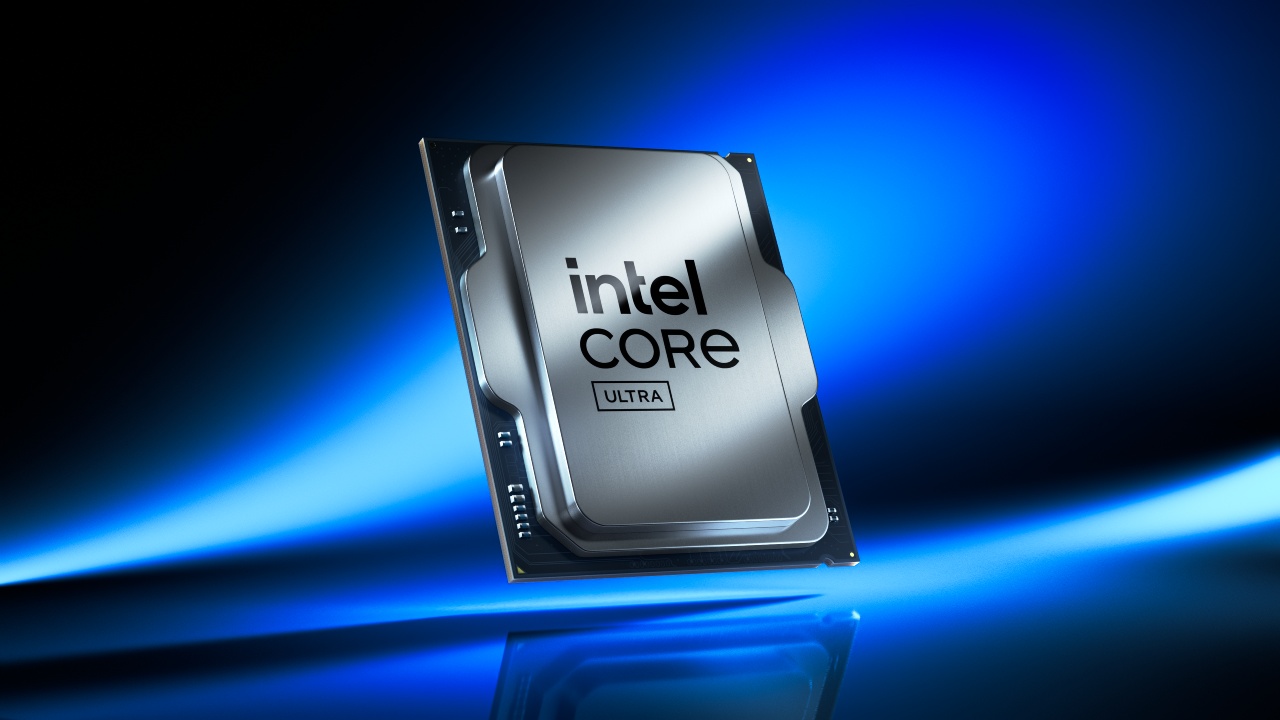
Changing the Way Things are Done in the Industry
There was a period when it was worrisome to change rendering pipelines or use proprietary improvements. These methods are now standard. Across the industry, you may find similar tactics that use both hardware and software advancements to boost performance.
Intel's process is different from how things were done before. The system doesn't force changes; instead, it restructures instructions from earlier architectures to improve performance. That means performance increases should apply only to Intel devices and not hurt competitors.
Final Thoughts
We don't know yet how well these changes will work in the real world. We shall determine whether these promises are true by testing the APO program. Intel's correspondence suggests that they are very sure about the new lineup.
We may still be careful because of what has happened in the past, but you can also see where Intel is going. The mix of hardware advancements, reasonable prices, and software optimization shows that they are clearly trying to get back into the gaming business.
Also, check our other hardware articles:
- AMD Ryzen 9 9950X3D Review: Setting The Standard For 2025 Gaming CPU
- Amazon Luna 2025 Review: Is Prime Gaming's Cloud Service Your Go-To For Casual Fun?
- AMD RX 9070 XT Review: AMD's RDNA 4 Champion for 1440p Gaming
- GeForce Now Ultimate: Ditching Your Gaming PC For Cloud RTX 4080 Power?
- NVIDIA GeForce RTX 5080 Review (2025): Still A 4K Gaming Powerhouse?
- Intel Core Ultra 9 285K Review And Performance Breakdown (2025)
- AMD Ryzen 7 9800X3D Review: 3D V-Cache Goes God Mode with Stunning Gaming Performance
- Intel Core Ultra 9 285K vs AMD Ryzen 7 9800X3D: In-Depth Gaming Performance and Benchmark Comparison
- NVIDIA GeForce RTX 5080 Super Performance In Cyberpunk 2077: Path Tracing & DLSS 4.0 Tested
- AMD Radeon RX 9070 XT In Cyberpunk 2077: Ray Tracing & FSR 4.0 Tested
- Intel Arc B580 Review: The $250 GPU Revolutionizing 1440p Gaming
- Intel Arc B570 Vs. B580: Value, Specs, And Real-World Gaming Performance
- RTX 5090 Laptop Vs. M4 Max MacBook Pro: Ultimate Raw Performance Vs. Battery Endurance
- Intel Arc b580 Vs. RTX 4060: Game Performance And Value Analysis
- RTX5090 Hell Is Us Demo 4K Ultra Benchmark: DLSS Vs. Native Performance Guide
- NVIDIA RTX 5070 Review: Mid-Range Muscle or Marketing Hype?
- Nintendo Switch 2 Review: Handheld Performance, Features & Value Breakdown
- RTX 5070 Ti Review: Performance, Thermals & Power Efficiency Tested
- Samsung Odyssey OLED G81SF Review 2025: Ultimate 32-Inch QD-OLED Gaming Monitor
- AMD RX 9070 Performance Review: Thermals, Clocks, and Real-World FPS
- AMD Ryzen 5 7600 Review: Best Budget Gaming CPU of 2025?
- AMD Radeon RX 7800 XT Review: RDNA 3 Power For Midrange Gaming
- Asus ROG RTX 5090 Astral OC Vs. Founders Edition: The 4K Gaming Benchmark
Editor, NoobFeed
Gaming Hardware Updates
No Data.