
Is Esports a Sport? Redefining Competition in the Digital Age
Other by Alicia Veerle on Nov 13, 2025
Apparently, more than half a billion people tuned in to esports events back in 2023—at least, that's what Newzoo reports. Some of the prize pools? They can balloon past $40 million, which probably raises a few eyebrows among folks who still consider esports a sort of niche thing.
For a lot of big companies, these leagues aren't just side projects; they've become major enterprises. A handful of commentators have begun to argue that esports is actually changing, maybe even stretching, what most people imagine when they hear "sports"—at least for this generation.
.jpg)
The conversation gets tangled pretty quickly: on one hand, there's this explosion of teamwork, mental sharpness, strategy; on the other, some just can't get over the fact that it doesn't look much like the sweat-and-grit of, say, soccer.
Lately, esports seems wedged somewhere between old-school athletic spectacle and something altogether different—maybe entertainment, maybe sport? Hard to say for sure where that line sits these days.
The Fundamentals of eSports and Sport
So, what actually counts as esports? Basically, organized gaming—a sort of digital faceoff—whether that's solo play or team-based. There's a lot of territory there: MOBAs, FPS, real-time strategy, and other genres too. Some leagues, like the League of Legends Championship Series or Overwatch League, seem to mimic traditional sports setups more than people might expect.
Tournaments go live on Twitch and YouTube, and in-person events sometimes pull tens of thousands—literally stadiums filling up for video games. Then there's the money: sponsorships keep nudging those prize pools higher and higher each year. Some reports note that these events can even outdraw some of the most-watched US sports leagues, which, if true, is pretty wild to imagine.
As for what most folks would call a "sport," it's usually about a few things: skill, competition, some sort of system or structure, and—at least for some people—a certain amount of physical exertion. Esports definitely checks a few of those boxes: you'll find intense rivalry, strict rules, and surprising discipline in the training involved. The tricky bit is always going to be the physical aspect.
Real-World Examples and the Scale of Modern Esports
To understand how far the industry has come, you only need to look at a few flagship titles. Games like League of Legends, Counter-Strike 2, Dota 2, and VALORANT consistently draw global audiences in the tens of millions.
The International (Dota 2's premier tournament) still holds some of the largest prize pools in competitive gaming history, while League of Legends Worlds regularly records viewership comparable to major Champions League matches.
Revenue mirrors that enthusiasm. Industry analyses estimate that esports surpassed $1.8 billion in global revenue by 2023, driven mainly by sponsorships, media rights, and live events. With many of these competitions selling out arenas traditionally used for NBA or NHL games, it's becoming harder for critics to dismiss the cultural footprint that esports now holds.
The Debate Over Physical Exertion and Institutional Legitimacy
For critics, the sticking point is movement—or the lack of it. There's a camp that seems pretty determined to keep "sport" tied to sweat and heart rates soaring. But if you flip the coin, proponents offer plenty of stories about the physical and mental grind that elite gamers endure: blazingly fast reflexes, focus sessions stretching for hours. The conversation increasingly involves brand engagement and online options.
Institutions are changing gears, too. Right now, it's estimated that there are well over 170 universities in the US with some sort of varsity esports. Scholarships aren't unusual, and entire facilities have sprung up especially for this kind of competition. The International Olympic Committee even ran an Olympic Esports Week in 2023 and, apparently, there's talk of a fully separate Esports Games by 2027.
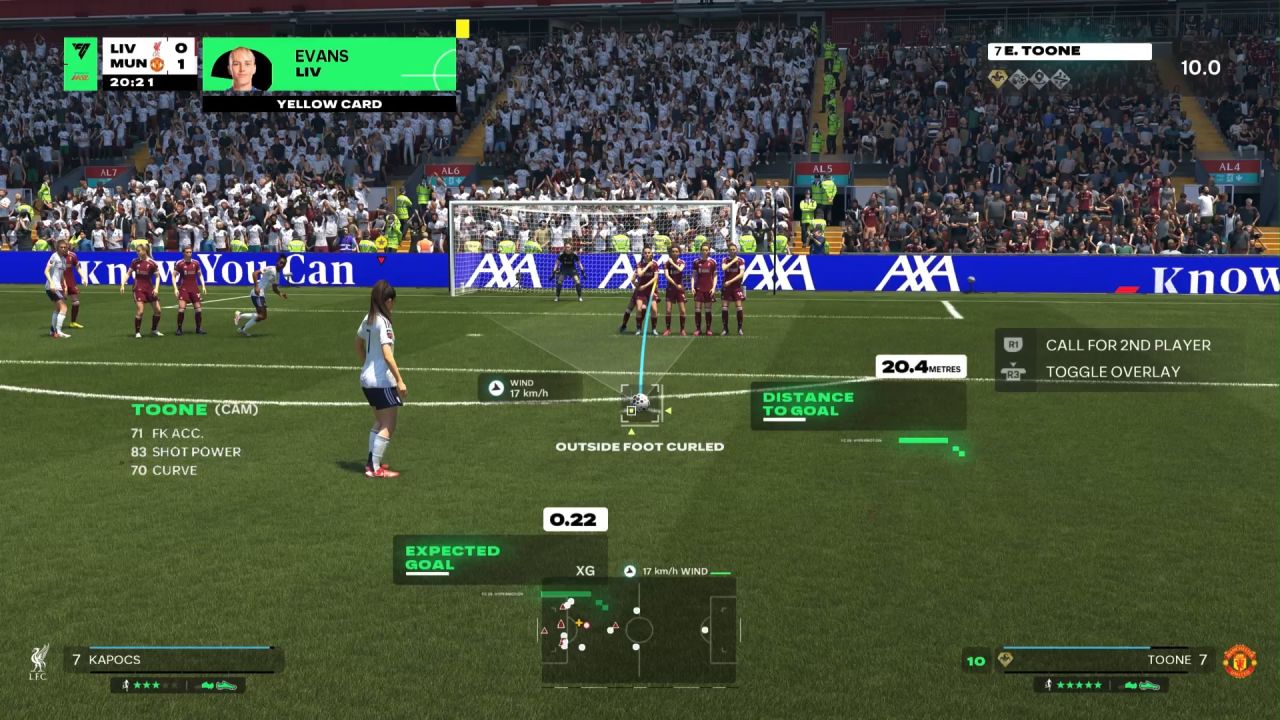
How Betting Markets Reinforce Esports as a Real Sport
Another overlooked factor in the legitimacy discussion is the rise of structured betting around esports. Traditional sports built much of their cultural weight through competitive integrity, statistical depth, and the existence of large wagering markets. Esports is now following the same pattern.
Bookmakers treat major esports titles like Counter-Strike, League of Legends, VALORANT, and Dota 2 the same way they treat football, basketball, or tennis. Odds are set using team strength, form, map history, player performance metrics, and even stylistic tendencies. The depth of available markets is striking: match winners, handicaps, total rounds, first blood, map-by-map predictions, and more.
This level of analytical detail wouldn't exist if bookmakers didn't see esports as a genuine competitive environment. In fact, many providers now feature dedicated esports hubs, and platforms offering promotions such as the bet365 sign up offer play a growing role in bringing traditional bettors into the esports ecosystem.
When oddsmakers invest resources, technology, and modelling similar to what they use for the NBA or Premier League, that alone signals that esports meets the structural expectations of a modern sport.
Betting also demands regulatory safeguards—match integrity systems, anti-cheat oversight, transparent rules, and official data partnerships. These are the same protections used in conventional sports, and their implementation strengthens esports' credibility. Far from being a fringe pastime, competitive gaming now supports a global betting market that mirrors the professionalism, risk evaluation, and viewer engagement of long-established athletic competitions.
Esports is Changing the Meaning of Competition
It's not just about who has the fastest fingers. Esports is kind of reimagining what competition can actually mean for people—especially for anyone who didn't have access to traditional sports in the first place.
All someone really needs is a stable connection and decent hardware, and suddenly, they're out there playing (or even engaged in activities) against people from all over the globe. The way fans behave, too, has shifted.
They're doing more than just staring at a screen; they're streaming their own gameplay, joining in as amateur commentators, and, at times, actually shaping the direction of the scene just by being involved. Pros aren't just "athletes" anymore; they're influencers, and their audiences can span continents.
These changes seem to echo broader shifts in how people relate to what sport even means. Digital skills in some circles are beginning to carry the same weight as classic physical ability once did.
Looking at reports like the one from Polytechnique Insights, it does seem like esports have started to rewire how people network and build friendships—maybe even allowing for deeper connections than what's possible at the local basketball court.
Now, "fitness" is as likely to mean quick hands at a keyboard as it is to mean lung capacity or muscle tone. Odd, maybe, but hard to deny that the ground's moving.
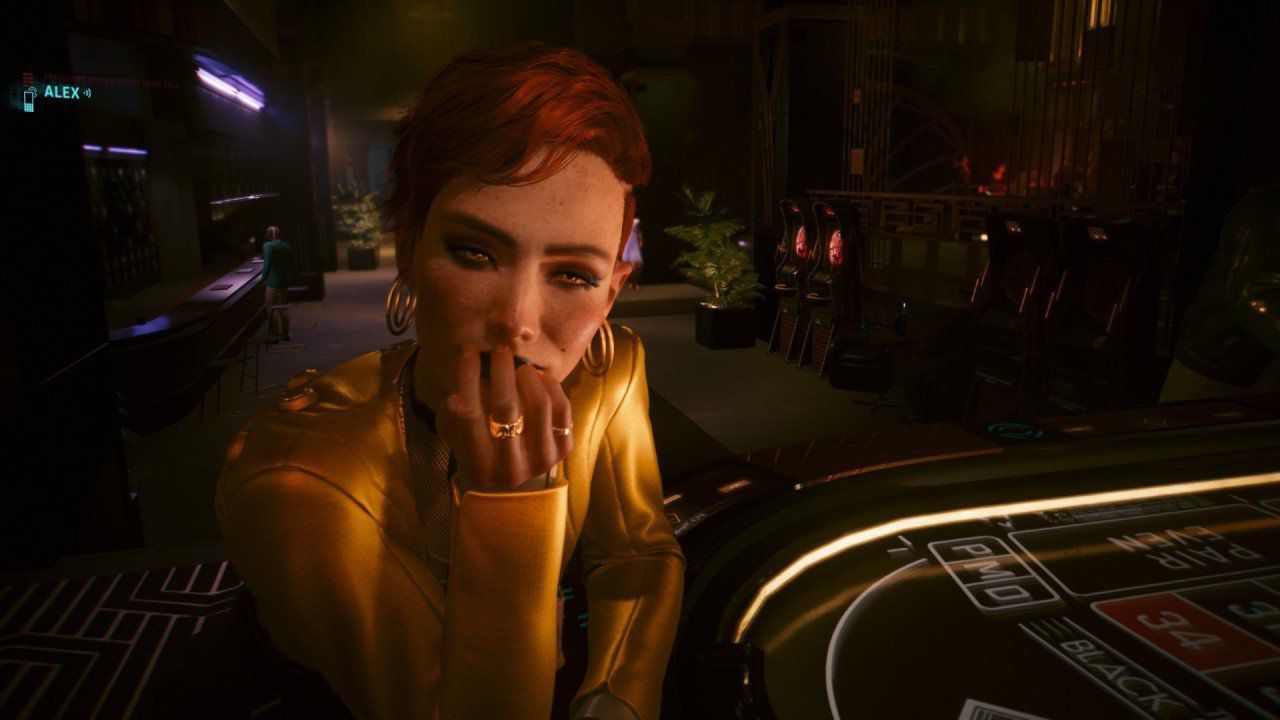
Challenges the Esports Ecosystem Still Faces
Even with its explosive growth, esports isn't without obstacles. Professional players often face burnout, with training schedules that can stretch beyond twelve hours a day. Physical strain—particularly repetitive stress injuries—remains a major concern, especially in games requiring high actions-per-minute.
Another challenge is stability. Unlike traditional sports, esports leagues depend heavily on publishers who own the games themselves. That means rules, league structures, and even entire competitive circuits can shift suddenly.
Some major organizations have already downsized or left certain titles due to unpredictable returns on investment. These uncertainties make the industry both exciting and volatile, highlighting the need for long-term planning and sustainable development.
Broader cultural acceptance and future directions
Mainstream acceptance isn't just creeping along anymore; some would say it's racing ahead. Finals for major esports tournaments apparently pull numbers on par with the biggest sports championships.
Multinational brands pour money into teams and infrastructure. In some school districts, you'll find public agencies pushing for organized esports, almost like they once championed Little League.
Of course, not everyone's on board: there are plenty who argue gaming is still just entertainment, not sport—and to be fair, the regulatory landscape is, at best, inconsistent from one publisher to the next.
On the other hand, big sponsors and universities seem to be treating esports as a legitimate arena. The inclusion in university athletic departments and Olympic initiatives signals a turning point.
As markets increasingly integrate esports alongside classic sports, the economic weight is hard to ignore. Even some defenders of tradition acknowledge the role of technology in expanding the definition of sport. That old, sharp boundary between physical and digital? It gets harder to see every year.
Where Esports Might Be Heading Next
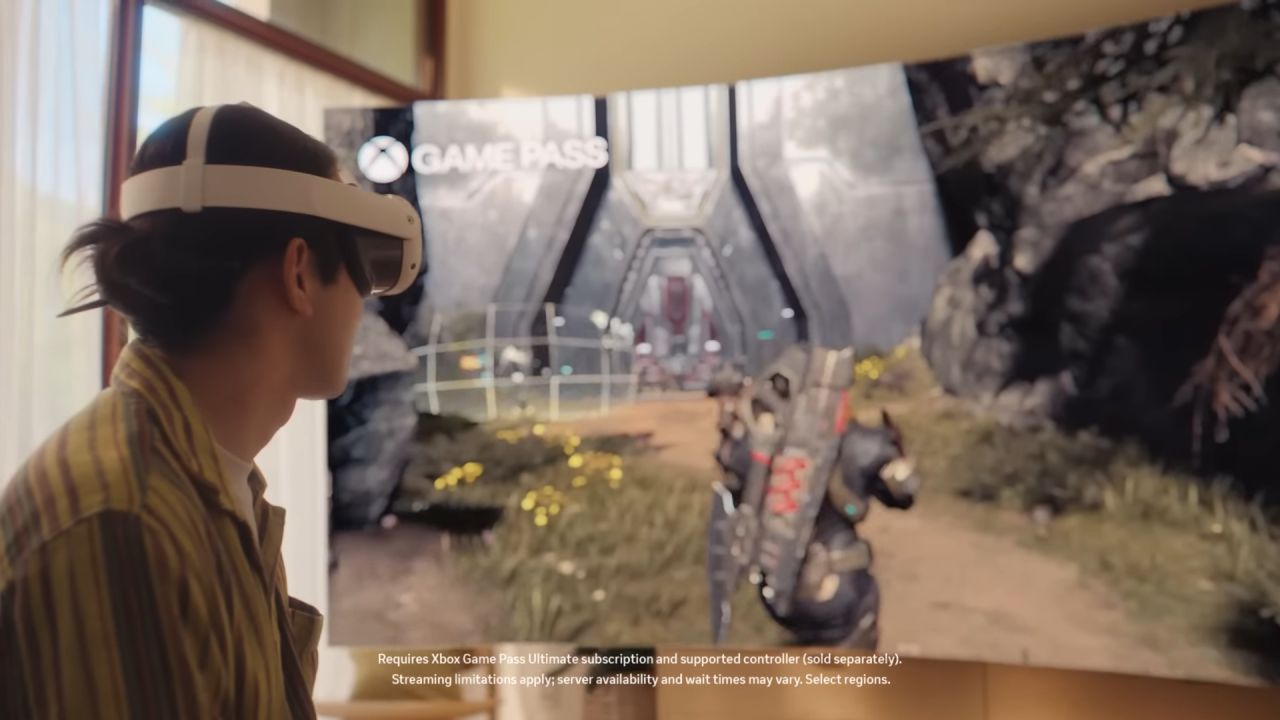
The next decade could redefine the boundaries even further. Advances in VR and AR may blur the line between digital and physical athleticism, creating hybrid formats that make today's debates feel outdated.
There's also increasing talk of an official Esports Games, run alongside traditional Olympic cycles—a potential milestone that could cement esports' legitimacy on the world stage.
Grassroots programs and youth academies are also becoming more structured, mirroring the development pipelines of football or basketball. If these trends continue, competitive gaming may soon sit comfortably beside traditional sports, not as a rival, but as a parallel pathway for global competition and cultural expression.
The Importance of Responsible Play and Engagement
Growth almost always brings a new set of challenges. Esports platforms are rising, and participation systems make involvement easier than ever. Anyone jumping into this world—fan or player alike—could do well to pause and consider some of the risks lurking beneath the surface. Regulation, so far, progresses in uneven leaps. Setting time and spending limits can help avoid problem behaviors.
Protecting the integrity of competition—whether on the field or on the screen—remains essential. These days, professional organizations are starting to encourage more education around this, along with stronger safeguards. In other words, if esports is here to stay, a lighter touch of caution seems like a smart move for pretty much everyone involved.
Conclusion
Esports sits in a unique moment—no longer a niche hobby, but not yet fully settled into the traditional definition of sport. Whether people see it as entertainment, competition, or something in between, its impact is undeniable.
With massive audiences, institutional investment, and a rapidly maturing competitive structure, esports continues to reshape how society thinks about skill, teamwork, and athletic achievement. Whatever the definition becomes, it's clear the phenomenon isn't slowing down.
Moderator, NoobFeed
Latest Articles
No Data.