
NVIDIA, AMD, and Intel GPU Prices Improve as VRAM Costs Threaten New Hikes
GPU pricing shifts significantly as market recovery meets rising VRAM costs driven by changing memory supply dynamics.
Hardware by Masaru Hoshino on Dec 03, 2025
GPU market has been in constant flux throughout the year, experiencing noticeable improvements just as other critical areas—particularly memory—have taken a downturn. Rumors now suggest that Nvidia may stop bundling memory with GPUs, forcing board partners to secure memory independently.
This change will likely make prices worse for partners, make Nvidia's Founders Edition even better, and worsen the effects of rising VRAM costs across the industry. This doesn't imply Nvidia will send out GPUs without memory. Still, the company's main goal is to make as much money as possible, even as AI demand is skyrocketing. With memory prices climbing and major vendors adjusting strategies, the effects on GPU pricing are inevitable.
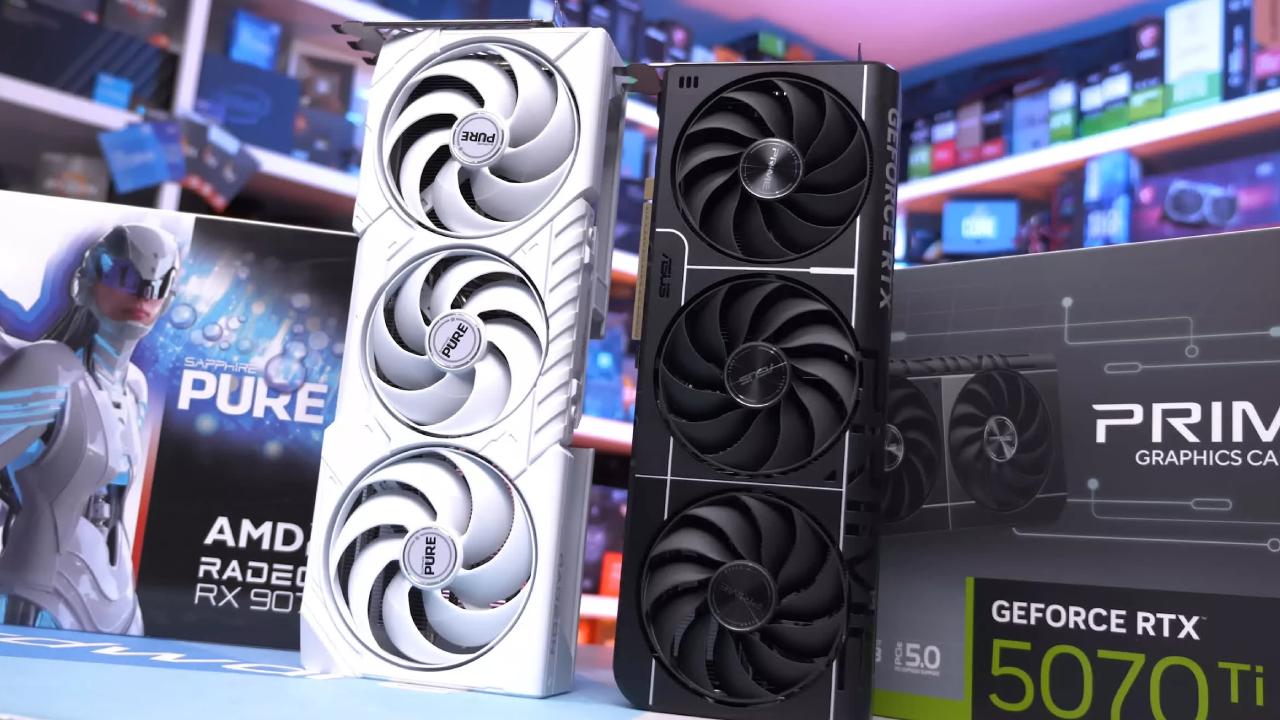
GPU Prices and Availability Overview
GPU pricing and availability have improved considerably compared to earlier in the year. The number of GPUs available at MSRP increased from 13 to 58 listings, and total in-stock listings rose from 135 to 171. Average pricing dropped for nearly all current-gen GPUs, making this one of the most stable periods before the projected DRAM price hikes take effect.
RTX 5090 remained the only GPU not available at MSRP and the only one to increase in price since the last comparison, demonstrating once again how the lack of competition at the high end directly impacts consumers.
Methodology for Price Tracking
Over several months, we gathered data only from listings that were in stock to ensure accuracy. Newegg was the main source of data because its prices remained stable and it was less affected by third-party sellers. This method ensures trends remain consistent over time, even though in-stock averages are higher because cheaper models tend to sell out first.
We took data snapshots before major sales to avoid price changes and provide the most accurate baseline for future memory-driven price changes.
Price Drops Across Current-Generation GPUs
Compared to June, practically every current-gen GPU witnessed price reductions:
- RX 9070 XT dropped from $837 to about $655, closer to its $600 MSRP.
- RTX 5080 dropped by 10% and is now worth about $1360.
- RTX 5070 Ti decreased by 14% and is now averaging around $820.
Models that cost less, like the RTX 5060 Ti, RTX 5060, and RX 9060 XT, saw smaller price drops of $15 to $50. This is because they were closer to their MSRP when they first came out.
Intel experienced dramatic improvements as well, with the ARC B580 dropping 23% and the ARC B570 dropping 29%, bringing them closer to their intended pricing.
RTX 5090 increased in average price by $50, showing resistance to downward movement due to its isolated position in the high-end segment.
Average Percent Over MSRP
The collective average over-MSRP pricing for all tracked GPUs dropped from 27.8% to 10.7%. ARC GPUs saw the most dramatic reductions as overpriced Wheelie Battle Mage cards disappeared from listings.
Lower-tier models like RTX 5060 Ti 8GB and RX 9060 XT 8GB remained close to MSRP, with slight 2–3.5% overages. At the same time, better partner models continued to justify small price hikes because they offered superior cooling, sound quality, or build quality.
Better availability and more models
The number of models offered at MSRP increased by 346.2%, while the number in stock increased by 26.7%. The number of available versions for RTX 5070 Ti increased the most, from 12 to 27. RX 9070 XT, RTX 5060 Ti 16GB, and RX 9060 XT 16GB also saw significant increases in availability.
Every current-gen GPU except RTX 5090 now has at least one model in stock at MSRP.
Troubled History of the RX 9070 XT
RX 9070 XT has had one of the most problematic price trajectories this year:
- At launch, the average price was $729 (21.5% over MSRP).
- By June, that average rose to $787 (31.2% over).
- As of the latest update, it dropped to $660 (10% over).
Despite AMD defending its MSRP strategy, the data shows clear evidence that the original pricing was misleading and remained inflated for months. Only recently has the card approached more acceptable pricing, though only one listing was at actual MSRP during the most recent snapshot.
Vendor Market Presence
Out of 243 current-gen listings on Newegg:
- Nvidia accounted for 192 listings (79%).
- AMD supplied 42 listings (17.3%).
- Intel supplied 9 listings (just under 4%).
Both AMD and Intel have significant ground to regain if they aim to counter Nvidia's dominance. Nvidia's sheer volume helps maintain market visibility and increases the likelihood that customers will buy their products. Without broader model diversity, competitors struggle to capture a meaningful market share.
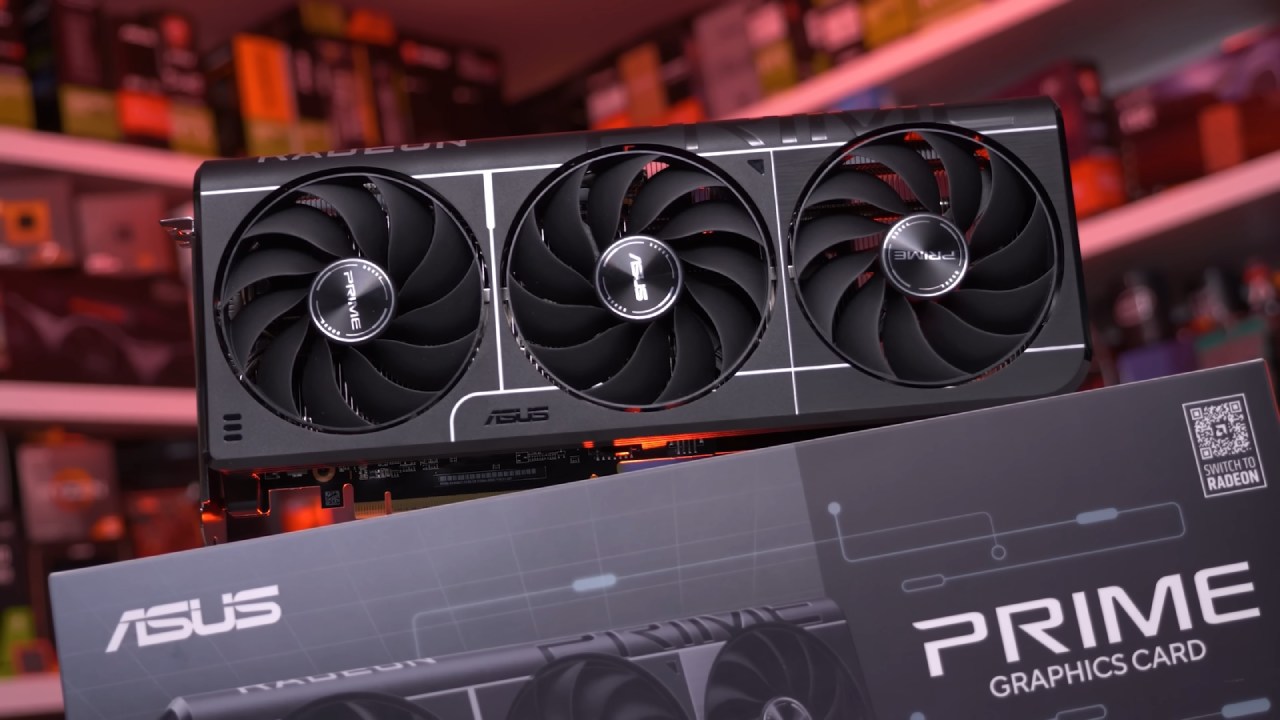
Average Low Price Analysis
To approximate the lowest realistic price for each GPU, we calculated the average of the four cheapest in-stock listings for every model:
RTX 5060 Ti 8GB, RTX 5070, RTX 5060, RX 9060 XT 8GB, and RX 9070 were priced slightly below MSRP (ranging from $7.50 to $32.50 off).
Most current-gen GPUs have been selling at average low prices, almost exactly at MSRP, signaling improved stabilization.
RTX 5090 remained a massive outlier, priced roughly $1100 over its $2000 MSRP—highlighting the effect of limited competition.
Future Outlook
Overall, GPU pricing is better across the board, except for the RTX 5090. The average number of items in stock has decreased, the number of models available has increased, and the number of listings at MSRP has increased significantly. But growing DRAM costs could undo this progress. Since memory prices have already risen, GPU prices may rise sooner than expected.
The current situation could be the last steady price window before the memory supply chain pushes prices back up. If VRAM prices keep rising, even mid-range GPUs may see significant price increases in the near future.
Also, check our other NVIDIA articles below:
- GeForce RTX 5090 Unleashed: Is NVIDIA's New Flagship the Ultimate 4K Gaming GPU?
- NVIDIA GeForce RTX 5080 Review (2025): Still A 4K Gaming Powerhouse?
- RTX 5090 Performance Testing In GTA 5 – 1080p, 1440p, and 4K Max Settings Benchmark
- RTX 5090 Laptop Vs. M4 Max MacBook Pro: Ultimate Raw Performance Vs. Battery Endurance
- NVIDIA RTX 5070 Review: Mid-Range Muscle or Marketing Hype?
- RTX 5070 Ti Review: Performance, Thermals & Power Efficiency Tested
- Asus ROG RTX 5090 Astral OC Vs. Founders Edition: The 4K Gaming Benchmark
- ASUS ROG Astral RTX 5090 OC Edition Review: 32GB GDDR7 & 4K Gaming Benchmark
- ASUS GeForce RTX 5090 LC Liquid Cooled GPU Review: Unmatched Silence & Speed
- MSI GeForce RTX 5090 32GB SUPRIM SOC Review: Power Efficiency, Cooling, and Gaming Performance
- INNO3D RTX 5060 Ti 16 GB X2 Review: Gaming Benchmarks, Temps, and Power Efficiency
- HP Omen 45L Review: RTX 5090 Performance, Thermals, and Value Analysis
- ASUS TUF Gaming GeForce RTX 5060 Ti Review: DLSS 4, Power Efficiency, and Gaming
- ASUS Prime RTX 5060 Ti OC 16GB Review: DLSS 4, Ray Tracing, & Thermals Tested
- NVIDIA GeForce RTX 5060 Review: Specs, Gaming, and Cost per Frame
- MSI GeForce RTX 5090 GAMING TRIO OC Review: A Monster Power GPU
Editor, NoobFeed
Gaming Hardware Updates
No Data.