
From Pixels to Open Worlds: How Gaming Changed Entertainment Forever
Gaming as more than a hobby.
Other by Druuna Lewis on May 27, 2026
There are few entertainment forms in modern culture that have the generational depth, technological momentum, and narrative ambition that gaming does today. Each release cycle is no longer framed simply as a product launch — instead it's treated as a staged cultural event, rich with community anticipation, creative storylines. And raised stakes across the entertainment landscape.
What a lot of people don't realize is the reality is, publishers, streamers and platforms like Winairlines approach each major release as a content opportunity, not a stand-alone product. The result is a medium in which interest is no longer generated by chance, but by structure, legacy and relentless innovation.
.jpg)
Modern gaming doesn't rely on chance momentum. Think about it this way: this builds meaning into each launch long before the first trailer drops.
Gaming as a Cultural Architecture
The gaming industry operates less like a niche pastime and more like a performance system. Each development cycle is divided into predictable phases — concept reveal, pre-launch positioning, early access recalibration, and post-release content urgency. In this context, individual titles serve as narrative checkpoints.
Unlike entertainment forms that let consumption speak for itself, gaming isolates and elevates each release. A studio built on creative depth and technical conditioning ensures that no single underperformance defines the project. This approach turns every launch week into a referendum on the vision rather than just a sales figure.
This pacing turns releases into statements rather than background noise.
Pixel Roots and the Question of Legacy
Early video games carry a different kind of weight than contemporary blockbusters. They are not consumed — they are remembered. Pong, Pac-Man, Super Mario Bros. — these are not entertainment products grafted onto a culture. They built one from scratch.
You know what? This is precisely why retro aesthetics resonate so deeply beyond the screen itself. The medium connects modern creative ambition with generations of arcade-floor competition and bedroom-console memory. Critics and fan communities constantly reframe gaming's progression — not just as technological development, but as cultural preservation in motion.
Even pixel-art indie releases are contextualized as acts of artistic expression. The frame buffer itself becomes a storytelling tool.
Open Worlds and the Shift That Reframes Everything
No design philosophy in interactive entertainment amplifies the medium quite like the open world. For modern gaming, each landmark release in this format rewrites expectations in real time. The genre operates beyond gameplay — it is a clash of design philosophies, a referendum on which studios have successfully transferred linear tradition into player-driven experience.
Seriously, platforms and global media ecosystems treat every open-world launch as a generation-defining moment regardless of franchise position. Each release carries unfinished design conversations, mechanical intrigue, and cultural stakes.
And oh yeah, open worlds don't just matter for gaming. They mean something different to everyone watching — developers, historians, casual players, and platform holders alike.
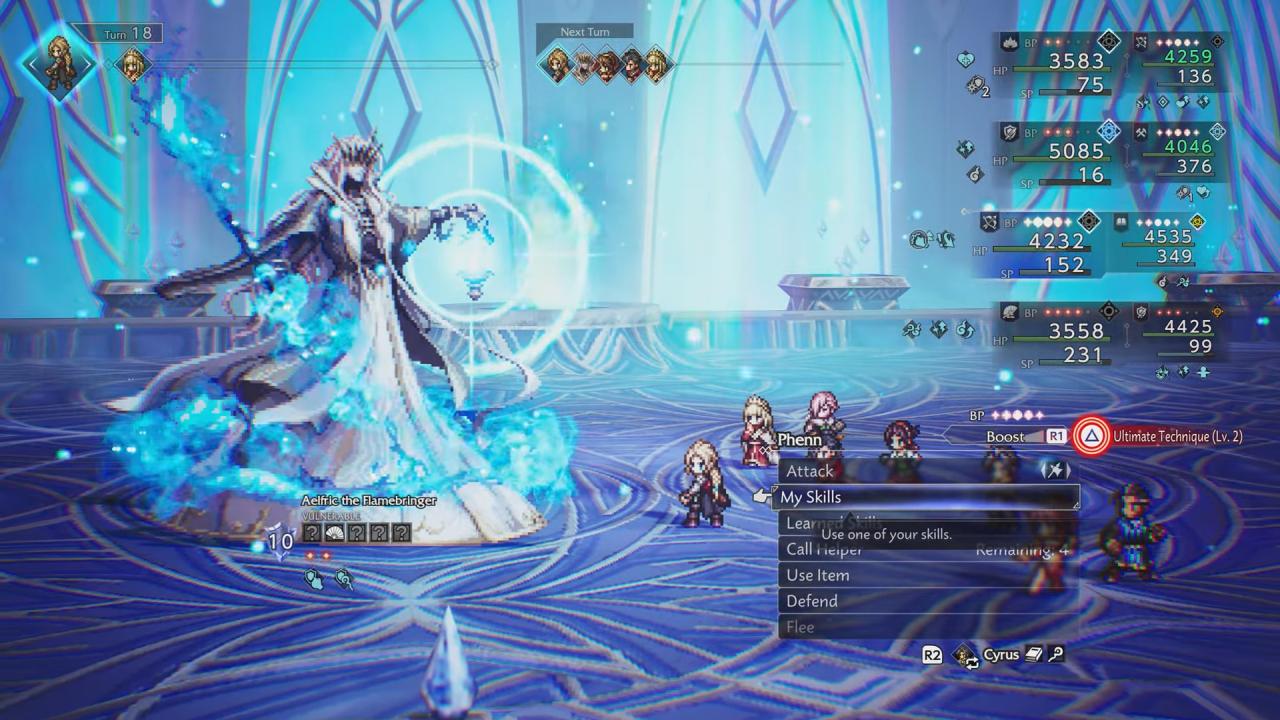
The Player as an Ongoing Storyline
The modern gamer is never treated as a static demographic. They are an evolving narrative. Engagement is defined by emergence, community evolution, leadership within fandoms, and off-screen cultural presence.
Streamers and content creators are featured as protagonists. Actually, decision-making in the final seconds of a speedrun, composure during tournament finals, adaptability to unknown mechanics — these are dissected every week during the release cycle. Even casual players will be excited if their experience aligns with a broader theme: nostalgia, discovery — or generational identity.
The controller itself carries symbolic weight within this system. Each console generation becomes a visual identity moment that reconnects the fanbase with something larger than play.
Streaming Production and the Second Screen
Modern gaming consumption goes beyond the living room. For the most part, Twitch clips, YouTube essays, and instant strategy breakdowns turn the release into a multi-platform experience. Look, on closer inspection, key moments — record-breaking speed runs, dramatic boss kills, developer patch announcements — are repackaged in a matter of minutes, ensuring relevance even for those who don't play live.
Discussions around major titles take place in real-time across platforms, with highlights circulating before the full game ends. Looking at it closely, this fragmentation paradoxically increases the event status of each release by multiplying engagement points.
The game exists everywhere at once.
Why Even Smaller Releases Feel Significant
Not every game defines a generation or wins a Game of the Year award. Yet the medium's structure ensures that few releases feel disposable. Historical comparisons, genre lineage discussions, and emerging studio narratives frame every launch as a meaningful step within a longer journey.
Even commercial disappointments are contextualized as creative experiments or design assessments. This interpretive layer prevents releases from being dismissed as irrelevant, sustaining interest across a congested industry calendar.
Meaning is manufactured through context, not just consequence.
.jpg)
Conclusion: The Medium is the Story
Gaming's greatest strength is not purely technological or commercial. It is structural. By controlling the franchise's identity, cultural narrative, release interpretation, and platform presence, these media turn each launch into a media event with its own stakes and lasting mess with.
In this system, video games aren't isolated products — they're episodes in a generational story. And oh yeah, the open-world revolution, the development of indie scenes, and clashes between platform giants extend analysis and engagement far beyond the credits roll.
The success of modern gaming lies in understanding that attention is not captured by moments alone. It is built through structure, identity, and the relentless manufacture of meaning.
Moderator, NoobFeed
Latest Articles
No Data.