
Probably Stolen Guide | How to Build the Most Profitable Fish Farm
Here’s a guide on how to build a profitable Sturgeon and Tilapia fish farm in Probably Stolen.
Game Guide by Jubair Baky on Nov 20, 2026
Probably Stolen’s most profitable fish farm feeds cheap fish to expensive fish. Gutter tilapia and graft tilapia are inexpensive food and useful products, while sturgeon produces valuable caviar. The trick is to keep the fish in separate aquaculture systems, feed the right food to each species, and maintain a sufficient breeding stock to keep the operation going. Cheap fish. Get the setup going, and you have a constant supply of meat, medical products, and luxury items.
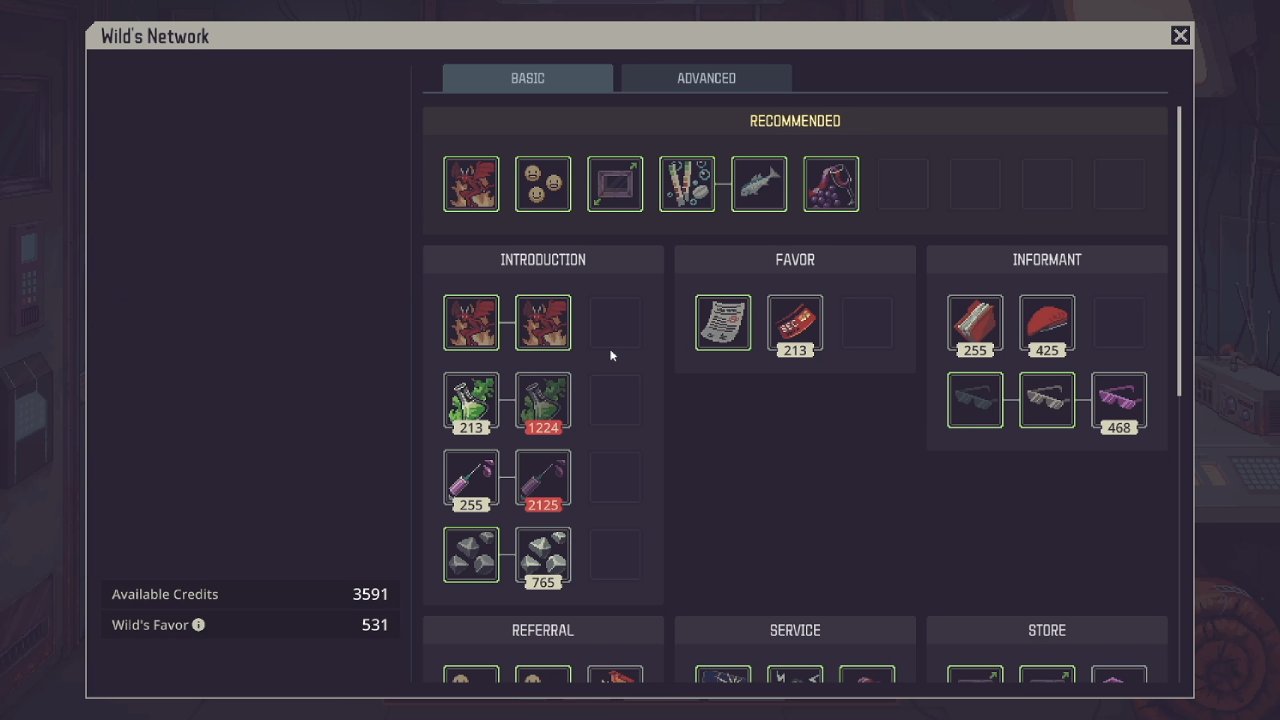
Unlock Aquaculture II
Start by unlocking Aquaculture through Joe Wild's Network. You then need Aquaculture II to gain access to Eels, Electric Eels, and Sturgeon. This upgrade makes these fish available from the Retired Aquafarmer and also gives you two young Eels.
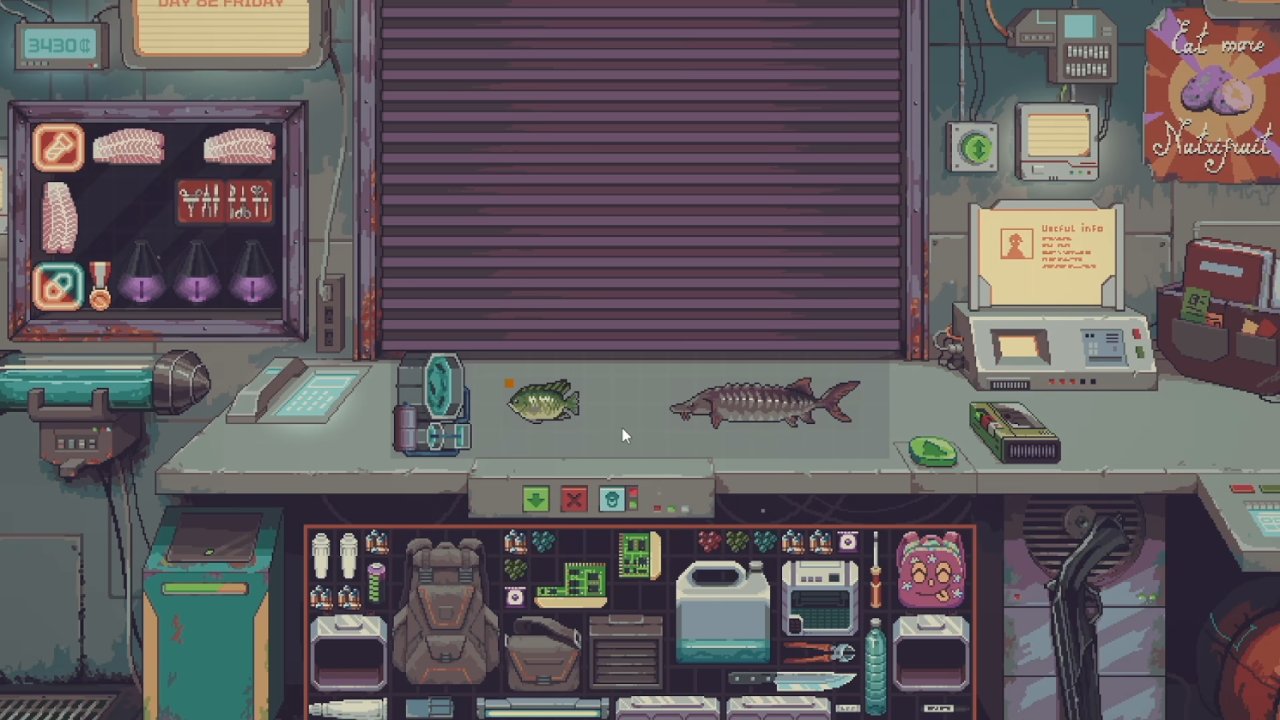
The Retired Aquafarmer is the main supplier for the larger fish. Sturgeon, Eels, and Electric Eels do not breed in captivity, so you cannot build up their population through eggs. You must buy them from the supplier when they become available. This is why it is important to establish your Tilapia farms first. They provide the meat needed to maintain the larger fish without repeatedly spending money on food.
Understand What Each Fish Eats
The most important part of fish farming is understanding the food requirements. Sturgeon, Eels, and Electric Eels are carnivores. They need meat rather than ordinary fish pellets. If you want to keep them growing without spending too much, use the meat produced by your Tilapia tanks.
Gutterflow Pellets are among the cheapest fish foods available from the Retired Aquafarmer. Gutter Tilapia can eat these pellets without suffering the usual negative effects. This makes them an excellent choice for producing inexpensive meat. Buy one or two stacks when the supplier visits, and you will have a simple food source for your Gutter Tilapia.
Graft Tilapia work differently. They can eat Industrial Fish Feed without suffering the pellet-related penalty. Their growth speed is reduced to around 75%, but this is not a serious problem because their main purpose is to produce useful eggs and medical items. Avoid feeding them too much Gutterflow Pellet. When the pellet share of a fish's diet passes 25%, its meat can become Trash Grade. The Gutter Tilapia is the exception to this problem.

Which Fish Are Worth Farming?
Standard Tilapia are not particularly useful for this strategy. You can skip them and wait for the Retired Aquafarmer to bring Gutter Tilapia and Graft Tilapia. Both provide more useful products and fit the three-tank system much better.
Electric Eels are less profitable as a meat source because they require around one-third more food than ordinary Eels. Their maximum hunger is 1,200 compared with 800 for an Eel. However, they have another benefit: they generate electricity. An adult Electric Eel produces 3 kJ each night. If you keep two adult Electric Eels in the same aquaculture system, their output combines to 6 kJ. This power can support the batteries in the system and nearby battery-powered objects.
Ordinary Eels are useful for their meat. Once harvested, they produce Eel Fillets with a base value of 136. However, they do not offer the additional electricity produced by Electric Eels or the valuable eggs produced by Sturgeon.
Gutter Tilapia are an excellent choice because they can live on cheap Gutterflow Pellets. Graft Tilapia are equally useful because their eggs and harvested skin have medical value. Unfertilized Graft Tilapia Roe has a base value of 60, while Tilapia Skin Graft has a base value of 24. Both products give you another source of income besides fish meat.
Sturgeon are the most valuable fish in this setup. They produce Caviar, a luxury item with a base value of 240. You can harvest the eggs while keeping the fish alive or butcher the Sturgeon when it is full of eggs. This makes Sturgeon the main long-term investment.
Harvest Caviar from Sturgeon
A Sturgeon arrives as a young fish and grows into an adult. Once it becomes an adult, it starts producing eggs each night, provided its health stays above 90%. If its health falls below that level, egg production stops until it recovers.
A Sturgeon can hold up to 525 g of eggs in the setup described here. When it reaches its maximum, its status changes to Gravid. This tells you that it is full of eggs and ready for harvesting.
You have two ways to collect the Caviar. The first is to use a Kitchen Knife and butcher the Sturgeon. This produces a large amount of meat along with the Caviar. The disadvantage is that you lose the fish, so you cannot collect more eggs from it.
The second method is to use a Surgery Toolset. Equip the tool and use it on the Sturgeon to collect its eggs without killing it. The procedure damages the fish, so it needs time to recover. Its eggs will not regenerate until its health returns to at least 90%, which usually takes about one night.
Caviar is particularly valuable because of its price and inventory size. Four inventory slots of Caviar have a base value of 240, while a Large Fish Fillet has a base value of 143 and occupies six slots. This makes the Sturgeon a much better investment when your goal is to earn more from limited storage space.
Set Up Three Separate Aquaculture Systems
The easiest way to manage the farm is to use three aquaculture systems. Each tank has a different purpose, so you can control feeding, breeding, and harvesting without mixing everything.
Tank One: Gutter Tilapia for Cheap Meat
Use the first tank for Gutter Tilapia. Feed them only Gutterflow Pellets. This keeps their food costs low and avoids the negative effects that affect other fish when they consume too many pellets.
Keep at least one male and three females as your breeding group. These should be your oldest four fish, and you can use a Marking Pen to identify them. The remaining fish can be managed through the Auto Butcher. Set it to harvest fish aged 10 days and older while keeping your breeding group safe.
This arrangement allows the younger fish to grow while the older ones are harvested for meat. You can also make the process easier by purchasing fertilized Gutter Tilapia Roe whenever the Retired Aquafarmer visits. Put the roe into the tank and allow the new fish to grow. This reduces the amount of breeding management you need to do manually.
Tank Two: Graft Tilapia for Medical Products
Use the second tank for Graft Tilapia. Keep nine females and no males. The purpose of this tank is to produce unfertilized roe, which you can sell to customers looking for medical supplies.
Set the Auto Butcher to harvest fish aged five days and older when you have more than nine females. Keep the collection of unfertilized roe enabled so you do not lose the eggs that provide additional income.
Feed this group Industrial Fish Feed rather than Gutterflow Pellets. The slower growth rate is acceptable because the fish still produce valuable medical products. When you harvest them, you also receive meat, Fish Scraps, and Tilapia Skin Graft. The eggs and skin grafts provide extra income, while the meat becomes food for your carnivorous fish.
Tank Three: Sturgeon and Eels
Use the final tank for Sturgeon and Eels. You do not need an Auto Butcher here because these fish cannot reproduce in captivity. You will only have the fish you purchase or receive through Aquaculture II.
A standard tank can work, but pay attention to its water capacity. Sturgeon and Eels become quite large as they grow, so make sure there is enough water for the fish you keep. Also check the food dispenser regularly because all three species require meat.
The easiest way to supply this tank is to collect the meat from your first two aquaculture systems. Take the meat from harvested Gutter Tilapia and Graft Tilapia, place it in the Blender, and process it. Transfer the prepared meat into the Livestock Feed Dispenser in the third system. This turns the cheaper fish into food for your more expensive fish.

Keep the Farm Running Efficiently
The three-tank arrangement works because every fish has a clear purpose. Gutter Tilapia provide inexpensive meat, Graft Tilapia provide meat and medical products, and Sturgeon turn that meat into valuable Caviar. Eels can provide additional food products, while Electric Eels can help power the aquaculture system.
Check the Retired Aquafarmer's stock whenever the supplier visits. Buy Gutterflow Pellets for the first tank, Industrial Fish Feed for the second, and additional large fish when you want to expand the third. Since Sturgeon and Eels do not breed, plan your purchases before your existing fish become too old.
Do not sell all the meat from your Tilapia tanks. Keep enough to feed the Sturgeon and Eels. Selling every fillet may give you immediate Credits, but using that meat to produce Caviar can provide a much better return over time.
The most profitable setup uses Gutter Tilapia for cheap meat, nine female Graft Tilapia for medical products, and a separate tank of Sturgeon and Eels that consume the meat produced by the first two systems.
FAQ
Q. How do you unlock Sturgeon in Probably Stolen?
A. Purchase Aquaculture II through Joe Wild's Network after unlocking Aquaculture. The upgrade makes Sturgeon, Eels, and Electric Eels available from the Retired Aquafarmer.
Q. Can Sturgeon reproduce in captivity?
A. No. Sturgeon cannot breed in captivity. You must obtain additional fish from the Retired Aquafarmer.
Q. How do you know when a Sturgeon is ready to harvest?
A. Check its status. When it is full of eggs, it receives the Gravid status. The Sturgeon in this setup can hold up to 525 g of eggs.
Editor, NoobFeed
Latest Articles
No Data.