
New PS5 Update Adds Price History and Smarter Store Features
Sony shifts PC strategy while reinforcing console exclusivity for major single-player franchises.
Hardware by Nahe Yan on Feb 28, 2026
A new PS5 update adds features to help gamers avoid overspending. It also hints at a possible change in Sony's overall platform strategy.
Along with that, a big graphics showcase shows off what the PS5 Pro can do, especially with one of the year's most anticipated games.
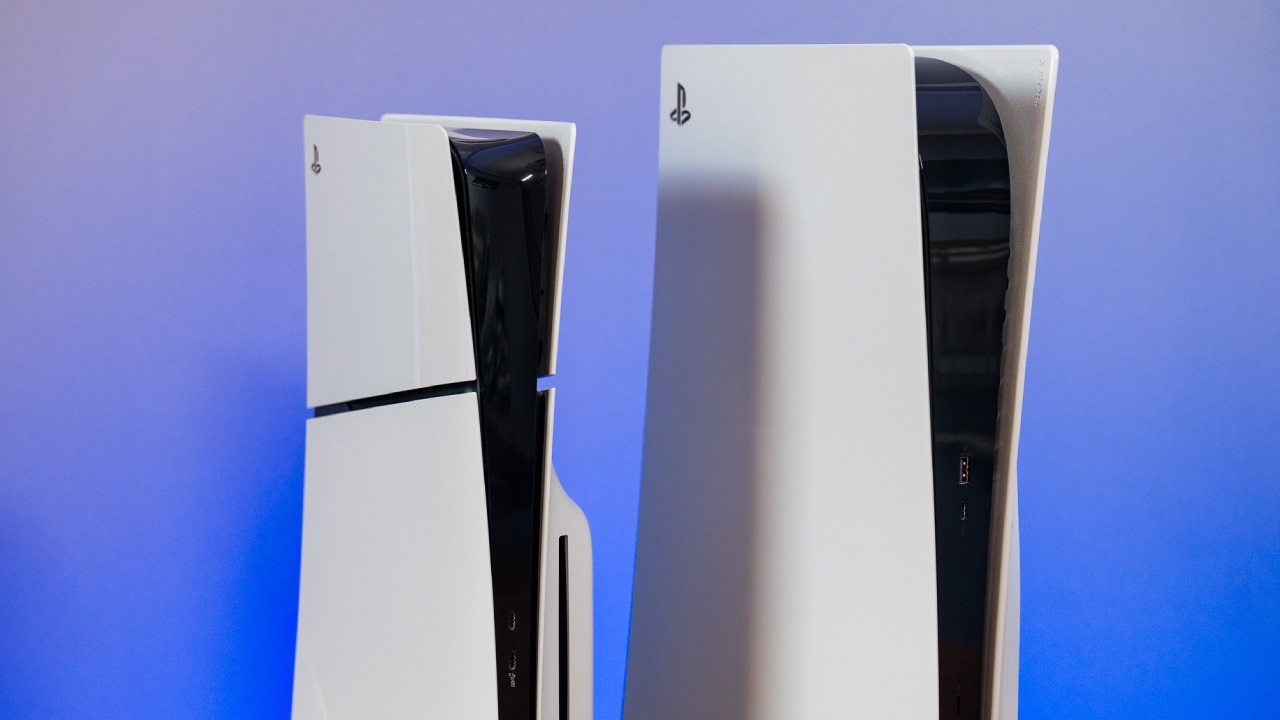
The PS5 Store Update Adds a 30-day Price History
The update's most useful part is already here. You can now see the price history for the last 30 days on a game's shop page. You don't have to pay $70 for a title if it was just on sale for less. That information helps people feel better about their purchases, especially since getting a refund via the PlayStation Store can be hard.
In the past, if a game went on sale for a few weeks and then went off sale, it would probably revert to a similar price soon. We can make smart choices about when to buy because we can see the 30-day sale history. Interestingly, Sony would include a feature to stop people from buying things on impulse, even though it makes 30% of its money from third-party sales and 100% from first-party sales. It could also lower the number of refund claims and the price of related support.
30-Day Price Stability and Launch Price Transparency
Another feature is being released more slowly. Before a game comes out, players can now see its launch pricing. For instance, if you want to pre-order Resident Evil Requiem, the deluxe edition costs $80 while the normal edition costs $70. The store also promises that the launch pricing will stay the same for at least 30 days.
Sometimes a game comes out at full price, doesn't do well, and then gets discounted in the first month. Early buyers may ask for a refund because of that. Sony is addressing those situations by offering a 30-day price guarantee. If you decide to buy at launch, you can be sure the price won't drop in the first 30 days. After that, the choice to buy is already made, and most players have either finished the game or made progress.
Cutting Back on PC Releases for Single-Player Games
Recent reports say Sony is scaling back its strategy for releasing single-player first-party games on PC. Early PC versions like Horizon Zero Dawn and God of War (2018) sold well, making millions of copies and covering the costs of porting. But later games like God of War Ragnarök, Horizon Forbidden West, The Last of Us Part I, The Last of Us Part II, and Ratchet & Clank: Rift. According to reports, Apart sold fewer copies than those first games.
If porting costs don't cover development costs, it makes sense to limit PC releases. Exclusive games are still a big reason why people buy gear. Exclusives make your decision to buy a system even stronger. If there are still single-player first-party games on PS5 and PS5 Pro, developers may spend all of their efforts on making those games run better on that platform.
Reports say several upcoming single-player games, including Ghost of Yotei, might never release on PC. From a platform strategy perspective, keeping big story-driven games on only one console makes the entire console ecosystem stronger.
Live Service Games and Strategy for Multiple Platforms
Things are different for live service games. To maintain high matchmaking quality and player interest over time, multiplayer games need a large player base. Making those games available on multiple platforms increases the number of people who can play them.
Sony's recent attempts at live service have not gone well. Concord had a lot of trouble. People have had different reactions to Horizon Hunter Gathering, depending on how it was presented. Marathon doesn't know how it will do in the long run. On the other hand, third-party live-service games like Arc Raiders benefit from being available across multiple platforms, as this keeps lobbies active and matchmaking fair.
Multiplayer live-service games will keep coming out across many platforms. In contrast, single-player first-party games will mostly stay on consoles.
Resident Evil Requiem as a Showcase for the PS5 Pro
Resident Evil Requiem has become a technical showcase for the PS5 Pro. Digital Foundry says the PS5 Pro version runs at 60 fps in native 4K with ray tracing enabled. There is also a 120Hz setting. There are minor changes in frame rate, but overall performance remains the same.
Players still have a good time on a regular PS5, which keeps both platforms accessible. PS5 Pro edition just gives you more performance and graphical options. That difference allows hardware upgrades to improve the experience without worsening the fundamental console experience.
People have also talked about the Switch 2 version. It runs the game well on a portable system, but when you compare it to PS5 or Xbox hardware side by side, you can see big discrepancies. If you can get your hands on higher-performance systems, they will make a game with complex graphics features run more smoothly.
Final Thoughts
Capcom's approach to optimization is different from others'. A focus on technological stability is evident in the game's smooth launch. It features such as native 4K at 60 fps and a 120 Hz option. In a world where patches are common after a game is released, a stable release is good for players right away.
The game shows how targeted hardware optimization can improve the experience by offering features such as 120fps modes, ray tracing, and constant frame pacing on the PS5 Pro. At the same time, keeping the basic PS5 running smoothly ensures that players across the entire ecosystem can count on a good gameplay experience from the start.
In general, the PS5 update makes prices clearer, Sony's changing PC approach changes how exclusive the platform is, and Resident Evil Requiem shows what optimized console technology can do when performance goals are met at launch.
Also, check our other hardware articles:
- AMD Ryzen 9 9950X3D Review: Setting The Standard For 2025 Gaming CPU
- Amazon Luna 2025 Review: Is Prime Gaming's Cloud Service Your Go-To For Casual Fun?
- AMD RX 9070 XT Review: AMD's RDNA 4 Champion for 1440p Gaming
- GeForce Now Ultimate: Ditching Your Gaming PC For Cloud RTX 4080 Power?
- NVIDIA GeForce RTX 5080 Review (2025): Still A 4K Gaming Powerhouse?
- Intel Core Ultra 9 285K Review And Performance Breakdown (2025)
- AMD Ryzen 7 9800X3D Review: 3D V-Cache Goes God Mode with Stunning Gaming Performance
- Intel Core Ultra 9 285K vs AMD Ryzen 7 9800X3D: In-Depth Gaming Performance and Benchmark Comparison
- NVIDIA GeForce RTX 5080 Super Performance In Cyberpunk 2077: Path Tracing & DLSS 4.0 Tested
- AMD Radeon RX 9070 XT In Cyberpunk 2077: Ray Tracing & FSR 4.0 Tested
- Intel Arc B580 Review: The $250 GPU Revolutionizing 1440p Gaming
- Intel Arc B570 Vs. B580: Value, Specs, And Real-World Gaming Performance
- RTX 5090 Laptop Vs. M4 Max MacBook Pro: Ultimate Raw Performance Vs. Battery Endurance
- Intel Arc b580 Vs. RTX 4060: Game Performance And Value Analysis
- RTX5090 Hell Is Us Demo 4K Ultra Benchmark: DLSS Vs. Native Performance Guide
- NVIDIA RTX 5070 Review: Mid-Range Muscle or Marketing Hype?
- Nintendo Switch 2 Review: Handheld Performance, Features & Value Breakdown
- RTX 5070 Ti Review: Performance, Thermals & Power Efficiency Tested
- Samsung Odyssey OLED G81SF Review 2025: Ultimate 32-Inch QD-OLED Gaming Monitor
- AMD RX 9070 Performance Review: Thermals, Clocks, and Real-World FPS
- AMD Ryzen 5 7600 Review: Best Budget Gaming CPU of 2025?
- AMD Radeon RX 7800 XT Review: RDNA 3 Power For Midrange Gaming
- Asus ROG RTX 5090 Astral OC Vs. Founders Edition: The 4K Gaming Benchmark
Editor, NoobFeed
Gaming Hardware Updates
No Data.