
AMD Radeon RX 9060 XT 16GB Arc Raiders Performance Test at 1080p1440p and 4K
Radeon RX 9060 XT16GB benchmark results in Arc Raiders showing optimized UE5 performance and FSR Redstone scaling
Hardware by Nahe Yan on Dec 22, 2025
Arc Raiders is still one of the most optimized UE5 games out there, especially for mid-range GPUs. Radeon RX 9060 XT 16GB, which we tested here in its XFX Swift Pro Gaming version, can play many games at 1080p, 1440p, and even 4K when paired with the right settings and AMD's latest upscaling solution.
The system has an Intel Core i5-12600KF overclocked to 5.1GHz and 32GB of system memory. It runs the latest AMD drivers and doesn't require manual GPU overclocking.
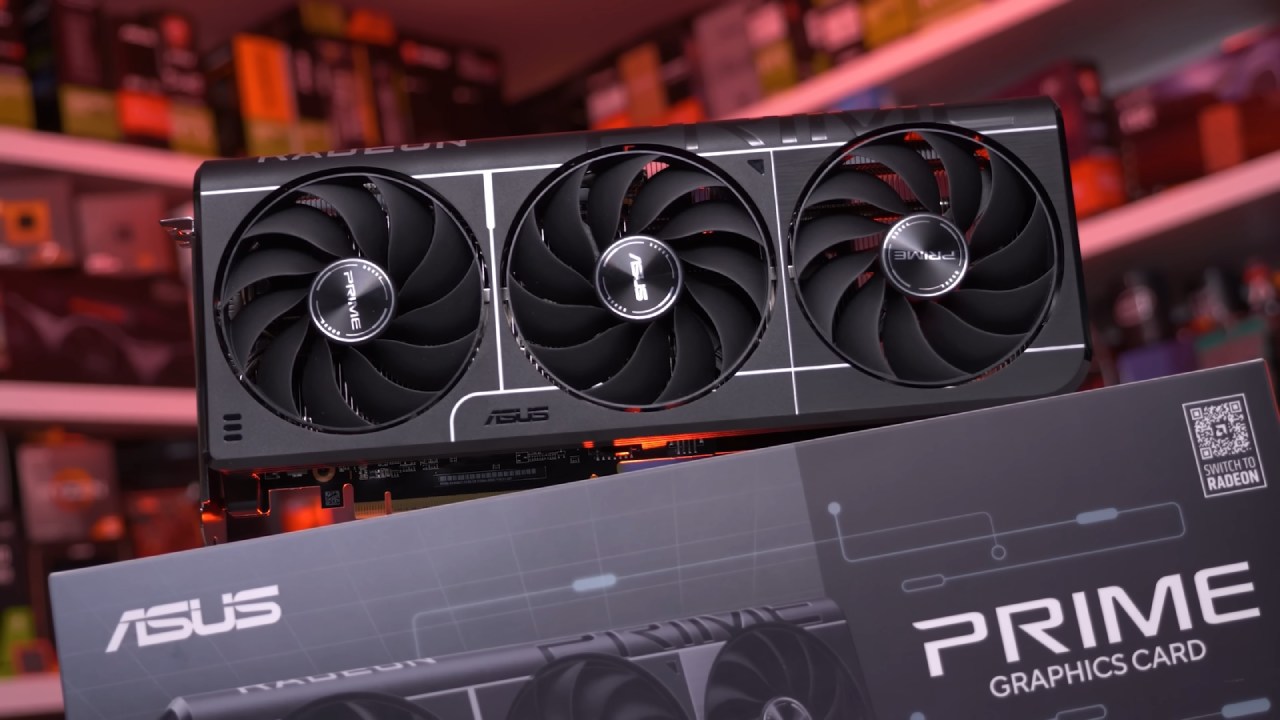
Setting up the Test and Graphics Configuration
We tested the new Cinematic preset and the more balanced High and Dynamic High settings. We used the current ML-based version, now called FSR Redstone, for AMD FSR upscaling for all of our tests. It is just called AMD FSR Upscaling in the game. Frame generation was also considered, though only in some cases due to input latency issues.
How Well it Works at 1080p with Cinematic and High Settings
When using Cinematic settings, FSR Native AA, and a 100% resolution scale at 1080p, performance dips to around 30 fps in heavy situations, especially when it rains, and there is a lot of foliage. This setup is complex on the RX 9060 XT, even with RTXGI on Epic and all settings set to max. The visuals remain consistent, with long draw distances and no noticeable pop-in. Still, the frame rate isn't high enough for seamless gameplay.
Changing to High and Dynamic High settings makes a big difference in how the game feels. Frame rates range from about 60 fps in Cinematic to more than 110 fps on average under the same conditions. Visual trade-offs mainly affect vegetation quality at a distance, and the amount of shadow coverage, but the quality of textures and lighting remains the same. The use of the GPU changes more frequently, so the CPU may not always keep up, even with the i5-12600KF running at 5.1GHz.
The Quality of FSR at 1080p
When you use FSR Quality at 1080p, the game is rendered inside at 720p. Compared to Native AA, the image is less crisp, but shimmering and vegetation noise are mostly gone, unlike in prior versions of FSR3. The ML-based upscaling makes the picture clearer and increases the frame rate, making it a good alternative for smoother gameplay without sacrificing too much quality.
1440p Performance and Picture Quality
Even in locations with many plants, performance stays above 60 fps at 2560x1440 on High settings with FSR Native AA. This is a big step up from 1080p Cinematic performance, and the picture is more precise and sharper. When you move about or slide, the frame rate sometimes drops into the mid-50s, although this doesn't happen very often in a third-person shooter.
When you enable FSR Quality at 1440p, the internal resolution drops to 960p. The picture gets a little softer as it moves, but it still seems close to native. Frame rates improve, making the experience more stable. Most gamers agree that 1440p is the best resolution for the RX 9060 XT, mainly when used with FSR Redstone. This is because it strikes a good compromise between clarity and performance.
Checking Frame Generation
FSR3 Frame Generation is available; however, it doesn't show any real improvement over earlier versions. Even at higher frame rates, input lag becomes noticeable, and motion clarity suffers from excessive blur. The experience still isn't very responsive, even with greater base frame rates. Native frames and FSR upscaling work together to make the experience more stable and controlled overall.
4K Performance and Ability to Grow
When played in native 4K at maximum settings, Arc Raiders runs at little over 30 fps. This shows how highly optimized it is compared to many other recent UE5 games. It is technically possible to play it, but it is not ideal for long gaming sessions.
When FSR Quality is set to 4K, frame rates approach 60 fps, but they still fluctuate in the 50 fps range. The picture quality is still good, like 4K with TAA instead of real native resolution. FSR Performance at 4K, which renders internally at 1080p, delivers more than 60 fps while maintaining 4K-level clarity when you're not moving. You can see that the vegetation is soft, but it's not out of control.
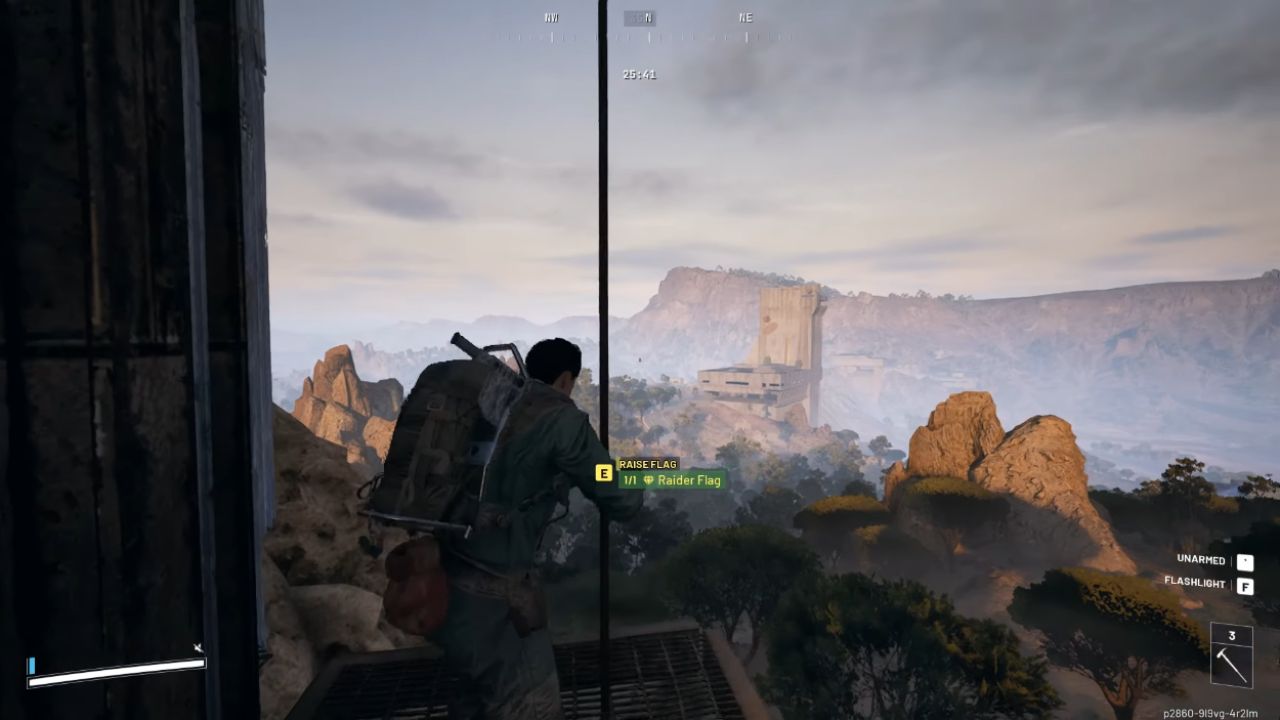
Memory Use and Stability
Even at 4K with FSR Performance, VRAM utilization peaks at roughly 7GB. This means that the 16GB and 8GB versions of the RX 9060 XT perform identically in this game. The system memory utilization is considerable, around 22GB; thus, 32GB is a safer choice for steady performance. When you only have 16GB of RAM, stutters happen more often.
Stability is still a strong point. Average frame rates of about 76, with 1% lows of about 55 fps, show that frame pacing is under control. There are some traversal stutters, but they are tiny for a UE5 game. This makes Arc Raiders one of the most reliable games made with the technology.
Final Thoughts
High settings always deliver the optimal balance between graphics and performance across all resolutions. Cinematic settings cost a lot of performance but don't add much to the gameplay. RX 9060 XT works best at 1440p with FSR Native AA or FSR Quality. It can also work at 4K, but only with heavy upscaling.
When UE5 optimization is put first, Arc Raiders shows what can be done. With the correct settings, the RX 9060 XT lets you play games smoothly, with good image quality and reliable performance, without requiring much VRAM.
Also, check our other AMD articles below:
- AMD Ryzen 9 9950X3D Review: Setting The Standard For 2025 Gaming CPU
- AMD Ryzen 7 9800X3D Review: 3D V-Cache Goes God Mode with Stunning Gaming Performance
- AMD RX 9070 Performance Review: Thermals, Clocks, and Real-World FPS
- AMD Ryzen 5 7600 Review: Best Budget Gaming CPU of 2025?
- AMD Radeon RX 7800 XT Review: RDNA 3 Power For Midrange Gaming
- Sapphire NITRO+ AMD Radeon RX 9070 XT Review: The Ultimate 4K Gaming GPU
- AMD Ryzen 7 7800X3D: Delivers Gaming Performance Far Beyond Expectations
- AMD Ryzen 9 7900X Review: Powering the AM5 Era with DDR5 & PCIe 5.0
- Intel Core i9‑14900K vs. AMD Ryzen 7 7800X3D: Power Profiles & Gaming Benchmarks
Editor, NoobFeed
Gaming Hardware Updates
No Data.