
Why RAM Prices are Skyrocketing in 2025 and How AI is Driving the Shortage
RAM used to be a minor spec in PCs, but surging AI demand has pushed consumer prices to unprecedented highs.
Hardware by Tanisha Aria on Dec 22, 2025
For a while, RAM was the most uninteresting part of a PC build. It was the part you had spent about 10% of your budget on, something added without much thought. It was never the main part of a scheme.
That is no longer the case. RAM prices have gone up so much that it now feels more like getting a GPU than a normal purchase. Kits that were a good price only a few months ago now cost way too much. This has left many people confused, upset, and afraid about what will happen next.
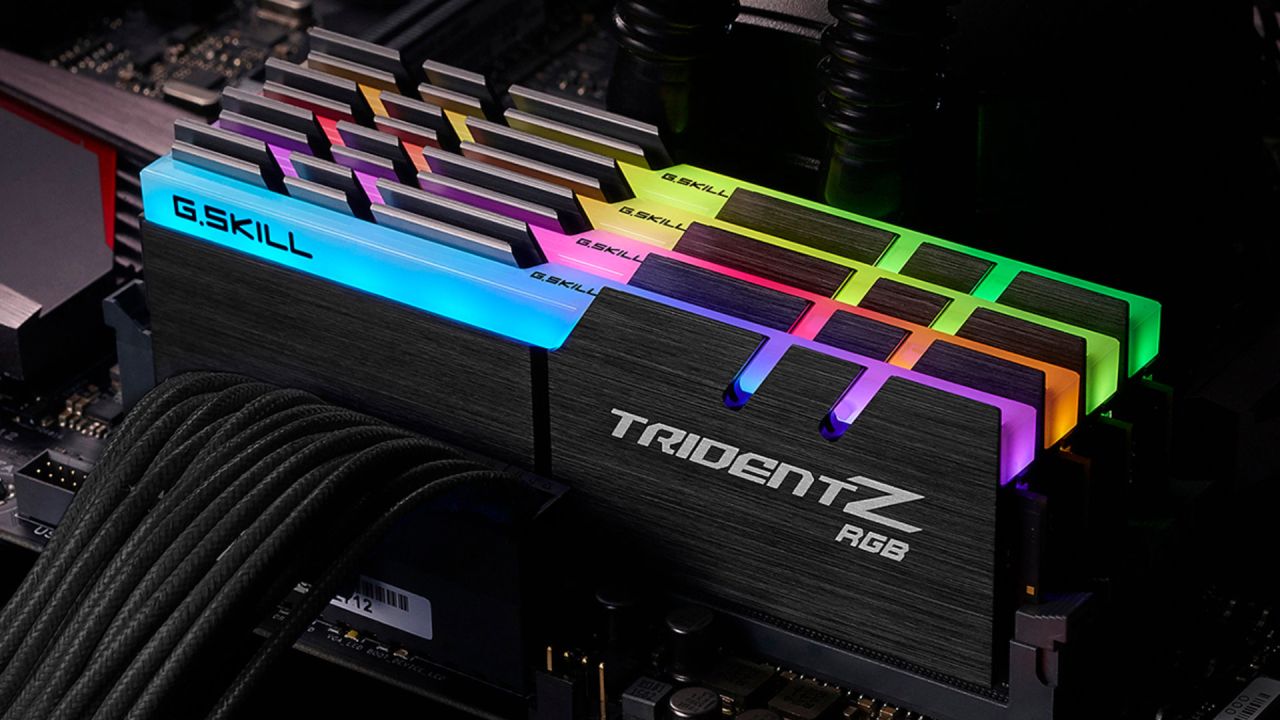
Understanding What Is Actually Going On
Before you start worrying, take a moment to think it through. Some people say RAM prices will never stop rising, while others say AI is just a bubble that will burst. The truth is in the middle.
DRAM is at the center of the problem. It is the memory that almost all devices use, from PCs and laptops to consoles, phones, and even today's cars.
Memory comes in many forms, and each has its own role. Regular DRAM is used in computers that people use every day. LPDDR is what powers phones and computers. GDDR is all about GPUs.
Then there's HBM, or High Bandwidth Memory. This type of memory is made for servers, supercomputers, and very big AI tasks. Right now, HBM is the major source of chaos and the real star.
Why AI Changed Everything
RAM is used in computers and phones. Just three companies—Samsung, SK Hynix, and Micron—control most of the global market for it. They handle more than 90% of the total production together. Artificial intelligence has become much more well-known and received much more funding over the last few years.
As AI systems improved and more people began using them, demand for speed increased. To keep up, businesses quickly built huge data centers that needed a lot of memory.
HBM is very fast and stacks directly on GPUs, making it particularly important for AI tasks. It costs a lot, too. As AI companies began buying HBM in large quantities, memory makers turned their attention to producing it. That change lowered the amount of user RAM available. Prices rose very quickly after demand stayed high and Supply dropped.
Why Supply Cannot Simply Increase Overnight
You may be curious why companies can't just give AI to regular people and businesses at the same time. Wafers hold the key. Silicon plates are used to make memory, and each one can only be used for one kind of memory.
Once a chip block is assigned to HBM, it can't be changed to DDR5, LPDDR5X, or GDDR6. More wafers were sent to HBM, leaving fewer available for customer RAM.
This decision is good for business. On one side, there are gamers and regular PC users, who have thin profit margins, discounts, sales events, and demand that isn't always expected.
On the other hand, there are AI businesses that promise big contracts, guaranteed amounts, long-term deals, and much higher revenues.
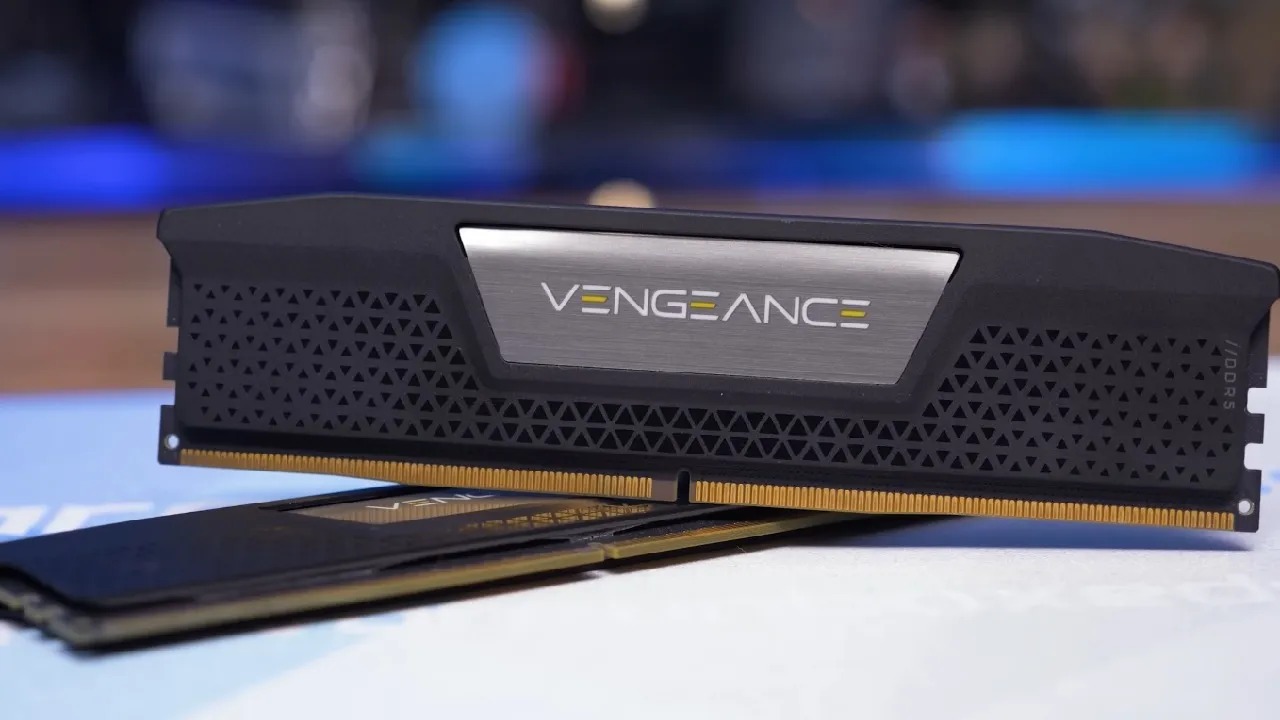
Why Prices Feel Especially Unstable Right Now
Spot prices and contract prices are the two main ways to price RAM. Spot prices show the cost of memory chips for short-term trades.
They often go up quickly during fear. OEMs, laptops, and servers are long-term deals with set prices, and these are generally more stable. Now, the trouble is that both are going up at the same time. That's a sign there's no extra supply anywhere when that happens.
It is unusual for older memory types, such as DDR3 and DDR4, to be rising in price. Normally, you would expect that as time goes on, technology gets cheaper. It takes longer for demand to catch up with the faster cut in production, so prices keep rising rather than falling.
Micron's Exit and a Shrinking Consumer Market
Things got worse when Micron made a big choice. Micron, which owns the Crucial brand, decided to exit the consumer RAM market to focus entirely on HBMs and other high-profit areas.
Crucial goods will continue shipping until February 2026, but there will be a clear long-term effect. One of the most important companies in the consumer market goes out of business.
That leaves Samsung and SK Hynix as the most important players, and less competition usually doesn't lead to lower prices. A lot of Samsung's DRAM production has been shifted to server-grade DDR5 RDIMMs, which generate very high profits for the company.
SK Hynix has also said it will produce more DRAM, but most of it will be aimed at AI and business customers rather than games or regular PC users.
What OEMs Are Quietly Preparing For
Big PC makers already know what's on the way. Dell has discussed the possibility of raising system prices by as much as 2 digits. Lenovo said that right now's prices may not last.
HP has said that if memory conditions don't improve, system prices may rise further in the second half of 2026. This isn't gossip or internet guesswork. These are makers warning that prices will go up.
What Happens Next and What You Can Expect
The market could become stable in the long run, whether the first or the second situation occurs. The first step is to make a lot more memory by building new plants.
This would make sure that both AI data centers and customer markets get what they need. But these plants cost billions and take years to build. Even if expansion has already started, people may not get real help until 2026 or later.
The second option is a slowdown in the amount of money invested in AI. Some people think that AI has gotten too much hype and that demand will drop, giving makers of consumer RAM a chance to refocus on that market. AI is not a fad, even though it can act like one.
The technology has been around for a long time and is used in many different fields. Rather than going away, AI will likely be improved over time to use memory more effectively.
.jpg)
How You Should Think About the Situation
Don't expect prices to drop suddenly in the near future if you're planning to build or update a PC. Relief probably won't come soon, and real normality might not happen until late 2027. Right now, the only option is to wait.
People who buy things will always be important in the long run. Whole industries rely on everyday users and broad adoption. The trend is not new; it happens every time there is a major technological change.
At first, there is a lot of excitement and chaos. Then optimization, balance, and steadiness come. Even when things feel too much, remember that time can fix things.
Also, check our other hardware articles:
- AMD Ryzen 9 9950X3D Review: Setting The Standard For 2025 Gaming CPU
- Amazon Luna 2025 Review: Is Prime Gaming's Cloud Service Your Go-To For Casual Fun?
- AMD RX 9070 XT Review: AMD's RDNA 4 Champion for 1440p Gaming
- GeForce Now Ultimate: Ditching Your Gaming PC For Cloud RTX 4080 Power?
- NVIDIA GeForce RTX 5080 Review (2025): Still A 4K Gaming Powerhouse?
- Intel Core Ultra 9 285K Review And Performance Breakdown (2025)
- AMD Ryzen 7 9800X3D Review: 3D V-Cache Goes God Mode with Stunning Gaming Performance
- Intel Core Ultra 9 285K vs AMD Ryzen 7 9800X3D: In-Depth Gaming Performance and Benchmark Comparison
- NVIDIA GeForce RTX 5080 Super Performance In Cyberpunk 2077: Path Tracing & DLSS 4.0 Tested
- AMD Radeon RX 9070 XT In Cyberpunk 2077: Ray Tracing & FSR 4.0 Tested
- Intel Arc B580 Review: The $250 GPU Revolutionizing 1440p Gaming
- Intel Arc B570 Vs. B580: Value, Specs, And Real-World Gaming Performance
- RTX 5090 Laptop Vs. M4 Max MacBook Pro: Ultimate Raw Performance Vs. Battery Endurance
- Intel Arc b580 Vs. RTX 4060: Game Performance And Value Analysis
- RTX5090 Hell Is Us Demo 4K Ultra Benchmark: DLSS Vs. Native Performance Guide
- NVIDIA RTX 5070 Review: Mid-Range Muscle or Marketing Hype?
- Nintendo Switch 2 Review: Handheld Performance, Features & Value Breakdown
- RTX 5070 Ti Review: Performance, Thermals & Power Efficiency Tested
- Samsung Odyssey OLED G81SF Review 2025: Ultimate 32-Inch QD-OLED Gaming Monitor
- AMD RX 9070 Performance Review: Thermals, Clocks, and Real-World FPS
- AMD Ryzen 5 7600 Review: Best Budget Gaming CPU of 2025?
- AMD Radeon RX 7800 XT Review: RDNA 3 Power For Midrange Gaming
- Asus ROG RTX 5090 Astral OC Vs. Founders Edition: The 4K Gaming Benchmark
Contributor, NoobFeed
Latest Articles
No Data.