
MSI RTX 5090 Lightning Z vs. ASUS Matrix Platinum: Which GPU Is Faster
Ultra flagship RTX 5090 graphics cards showcase extreme engineering, delivering marginal gains in gaming performance despite massive pricing differences.
Hardware by Tanvir Kabbo on Mar 24, 2026
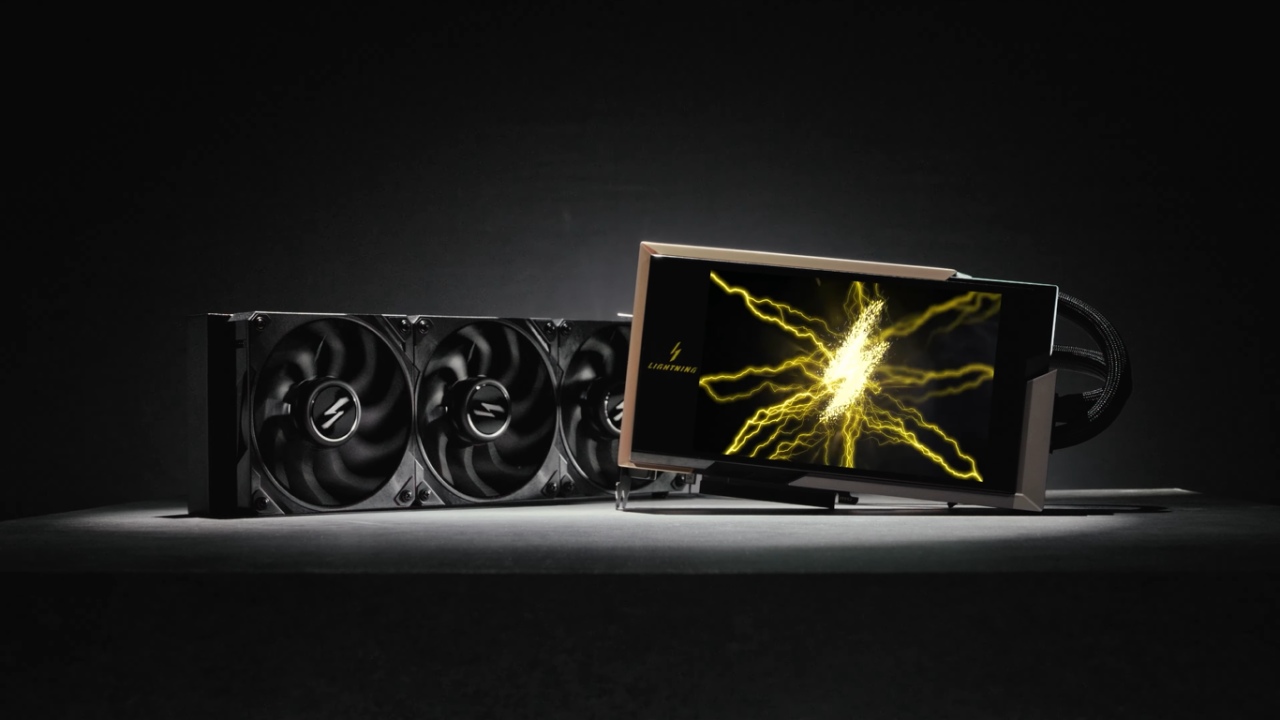
We put the two fastest graphics cards ever produced against each other to see which one really gives the best gaming performance. These limited-edition halo GPUs are the best examples of engineering, pushing current hardware to its maximum boundaries.
The central question remains whether these ultra-flagship cards are genuinely faster or simply extremely expensive showpieces designed for prestige.
Why Ultra-Expensive Flagship GPUs Exist
Before diving into benchmarks, it is important to understand why these ultra-expensive, limited-edition gaming cards exist in the first place. Flagship or halo products represent the absolute top of the market, delivering the most advanced engineering, the highest performance, and, of course, the highest prices.
Products like MSI Godlike motherboards, ASUS ROG Thor power supplies, or extreme memory kits like the Origin PC Vortex can all claim to be among the best available. However, even as enthusiasts, we recognize an uncomfortable truth. None of these products is actually worth their price tags. In most cases, similar real-world performance and features can be achieved for significantly less money.
They always sell out, though. The reason is simple: status. People buy things like automobiles, watches, and sneakers because they want to be recognized, feel important, and own the best. People typically think that expensive means better, even if that's not always the case.
For example, the most expensive 4DIMM flagship motherboards, such as the MSI Godlike and ASUS Extreme, can underperform cheaper 2DIMM options like the Unify-X and Apex in memory overclocking. More money, less performance, yet demand remains strong. Manufacturers are not only producing hardware, but they are also manufacturing desire through hype, exclusivity, and prestige.
Legendary Halo GPUs
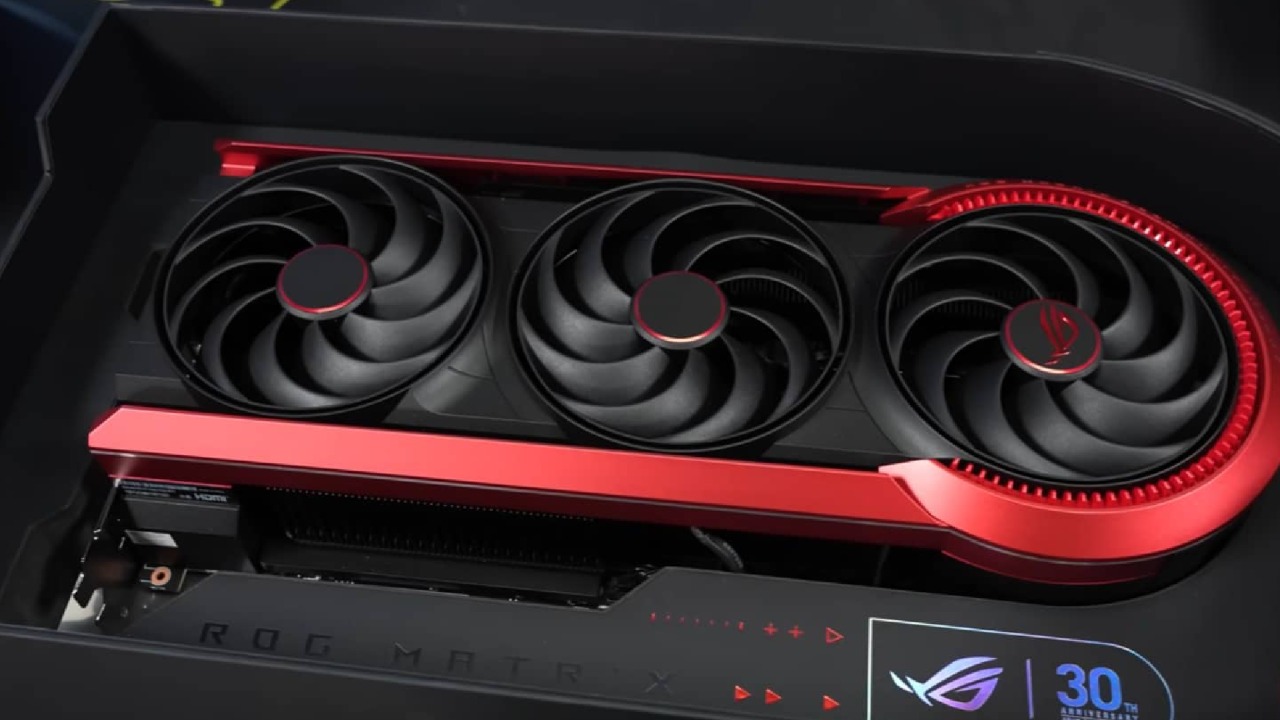
When it comes to overengineered GPUs, several legendary product lines stand out, including EVGA Kingpin, GALAX Hall of Fame, MSI Lightning, and ASUS Matrix Platinum. These are not just high-end graphics cards; they are statements.
They are intentionally overbuilt, overpriced, and highly desirable. The ASUS ROG Astral RTX 5090 OC launched at roughly $1000 above MSRP and still sold out instantly. Demand was so high that bundles exceeded $6000 and continued to sell out.
To celebrate its 30th anniversary, ASUS released the Matrix Platinum at $3999.99. Shortly after, MSI launched the Lightning Z at an even more extreme $5090. Both cards were produced in limited quantities, with only 1000 Matrix units and 1300 Lightning Z units globally, making scarcity a major factor in their appeal.
Test Setup and Benchmark Methodology
We used a high-end system with an AMD Ryzen 7 9850X3D CPU, an ASUS ROG Crosshair X870E Hero BTF motherboard, 32GB DDR5-6400 CL30 memory, and a 4TB Samsung 990 Pro NVMe SSD to test both GPUs' performance. The system was powered by a 1600W PSU.
We tested both GPUs in two ways: with their default clocks and with their highest overclock. For the ROG Matrix, we achieved a +190MHz GPU boost and +12.25 Gbits memory increase. For the Lightning Z, we reached +250MHz GPU boost and +3000MHz memory.
We also included an RTX 5090 Founders Edition as a baseline. All benchmarks were conducted at ultra settings to maximize GPU load. To eliminate bias, frame creation was turned off, and upscaling was only performed when it was turned on automatically in the game's options.
Benchmark Results and Performance Analysis
The MSI RTX 5090 Lightning Z won 9 times, lost 2 times, and tied 9 times in 20 benchmark rounds. This made it the overall winner in raw performance comparisons. When evaluating gameplay experience, the Lightning extended its lead with 13 wins, 2 losses, and 5 draws.
However, when looking at average performance across 10games, the results were far closer. The Lightning showed only a 3% improvement in 1% lows, while average FPS remained nearly identical between both cards.
Interestingly, the Founders Edition outperformed the Matrix in gameplay experience. This result highlights that higher average performance does not always translate into smoother gameplay, where 1% lows play a critical role.
The Lightning Z demonstrated better improvements in 1% lows, which explains its superior gameplay experience. Meanwhile, the Matrix appears limited by its power constraints, suggesting it could benefit from higher power limits.
Overclocking and Efficiency
In terms of overclocking, the Lightning Z showed greater headroom, achieving higher GPU and memory frequency increases. This contributed to its stronger performance in benchmarks.
However, both the Matrix and Lightning cards operate at higher power limits, making them 10%–15% less efficient than the Founders Edition. This lower efficiency fits with their design goal of enhancing performance instead of minimizing power use.
Value and Price-to-Performance
Neither card is worth anything. The Matrix started at $4000, and the Lightning went up to $5090. When evaluated in terms of FPS per dollar at 4K, the Matrix delivers roughly 50% less value, and the Lightning about 60% less compared to the Founders Edition.
The ASUS ROG Astral, which was originally priced at $2800, was also between the base and flagship models. But because prices have gone up, it's now about $4,500, which makes the prices in this range much more severe.
Final Thoughts
The MSI RTX 5090 Lightning Z is the best gaming GPU if you only care about performance. It offers superior raw performance, better overclocking potential, and improved gameplay consistency.
That said, the performance difference between the Lightning Z and the Matrix is not significant enough to justify switching between them. Both cards exist outside the realm of practical value.
We need to remember that most gamers won't be able to use these GPUs. They are halo products made for those who care more about being unique and prestigious than saving money. For most people, any basic RTX 5090 model will give them almost the same experience.
In the end, these cards are best seen as examples of engineering. They represent what is possible when cost is not a constraint, offering a glimpse into the extreme end of PC hardware innovation.
Also, check our other hardware articles:
- AMD Ryzen 9 9950X3D Review: Setting The Standard For 2025 Gaming CPU
- Amazon Luna 2025 Review: Is Prime Gaming's Cloud Service Your Go-To For Casual Fun?
- AMD RX 9070 XT Review: AMD's RDNA 4 Champion for 1440p Gaming
- GeForce Now Ultimate: Ditching Your Gaming PC For Cloud RTX 4080 Power?
- NVIDIA GeForce RTX 5080 Review (2025): Still A 4K Gaming Powerhouse?
- Intel Core Ultra 9 285K Review And Performance Breakdown (2025)
- AMD Ryzen 7 9800X3D Review: 3D V-Cache Goes God Mode with Stunning Gaming Performance
- Intel Core Ultra 9 285K vs AMD Ryzen 7 9800X3D: In-Depth Gaming Performance and Benchmark Comparison
- NVIDIA GeForce RTX 5080 Super Performance In Cyberpunk 2077: Path Tracing & DLSS 4.0 Tested
- AMD Radeon RX 9070 XT In Cyberpunk 2077: Ray Tracing & FSR 4.0 Tested
- Intel Arc B580 Review: The $250 GPU Revolutionizing 1440p Gaming
- Intel Arc B570 Vs. B580: Value, Specs, And Real-World Gaming Performance
- RTX 5090 Laptop Vs. M4 Max MacBook Pro: Ultimate Raw Performance Vs. Battery Endurance
- Intel Arc b580 Vs. RTX 4060: Game Performance And Value Analysis
- RTX5090 Hell Is Us Demo 4K Ultra Benchmark: DLSS Vs. Native Performance Guide
- NVIDIA RTX 5070 Review: Mid-Range Muscle or Marketing Hype?
- Nintendo Switch 2 Review: Handheld Performance, Features & Value Breakdown
- RTX 5070 Ti Review: Performance, Thermals & Power Efficiency Tested
- Samsung Odyssey OLED G81SF Review 2025: Ultimate 32-Inch QD-OLED Gaming Monitor
- AMD RX 9070 Performance Review: Thermals, Clocks, and Real-World FPS
- AMD Ryzen 5 7600 Review: Best Budget Gaming CPU of 2025?
- AMD Radeon RX 7800 XT Review: RDNA 3 Power For Midrange Gaming
- Asus ROG RTX 5090 Astral OC Vs. Founders Edition: The 4K Gaming Benchmark
Senior Editor, NoobFeed
Gaming Hardware Updates
No Data.