
The Expanding World of Secondary Gameplay Systems in Digital Entertainment
Other by Arisu Taiaya on Mar 25, 2026
The current state of the gaming industry is marked by a fascinating paradox. While developers spend hundreds of millions of dollars creating sprawling open worlds and cinematic narratives, a significant portion of the player base spends their time engaged in activities that have almost nothing to do with the primary plot.
Whether it is a complex card game found in a medieval tavern or a simplified management simulator tucked away in a futuristic city, these secondary systems have become more than just "filler" content. They are often the reason players remain logged in long after the credits have rolled.
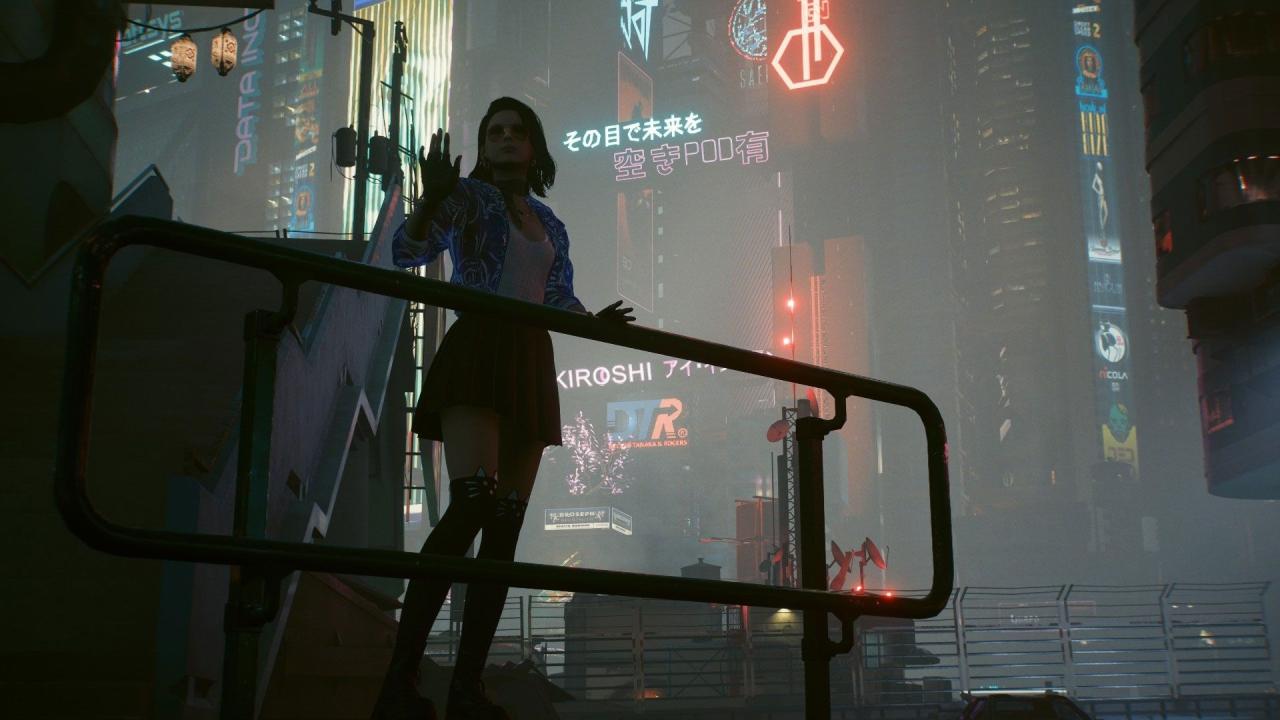
This isn't a completely fresh development, though the intricacy and refinement of these actions have, without a doubt, hit new heights. In the past, a mini-game might have been a simple brick-breaker clone or a basic racing challenge. These systems have become games with progression systems, in-game economies, and community-driven tactics.
Change of pace appeals. After a marathon of intense battles or gripping storylines, a change of pace—a low-pressure setting where the usual rules bend—provides a welcome respite.
The Distraction Psychology
To understand why these systems work, we must examine the typical gamer's psychology. Most titles operate on a loop of challenge and reward. If the game's difficulty stays high, players may tire. Side quests offer a chance to take a breather.
They give the brain a chance to move away from quick, reflexive actions and into more thoughtful planning or just plain unwinding. Plus, there's a feeling of accomplishment. People choose MateSlots because they want a different experience from a competitive shooter.
These settings emphasize probability, pattern identification, and quick feedback. Developers and platform designers keep users in their ecosystem by giving new stimulations.
A science has been developed around the game "distraction".These side activities' difficulty is carefully adjusted by designers. The aim? Make them friendly and entertaining to keep players coming back. This careful balance turns a distraction into a gaming aspect.
Triple-A Hubs to Specialized Platforms
These supplementary systems have extended from specialist RPGs to practically every major genre. Yakuza is considered the gold standard for side content. One may spend forty hours running a cabaret club or playing crane games without affecting the criminal drama.
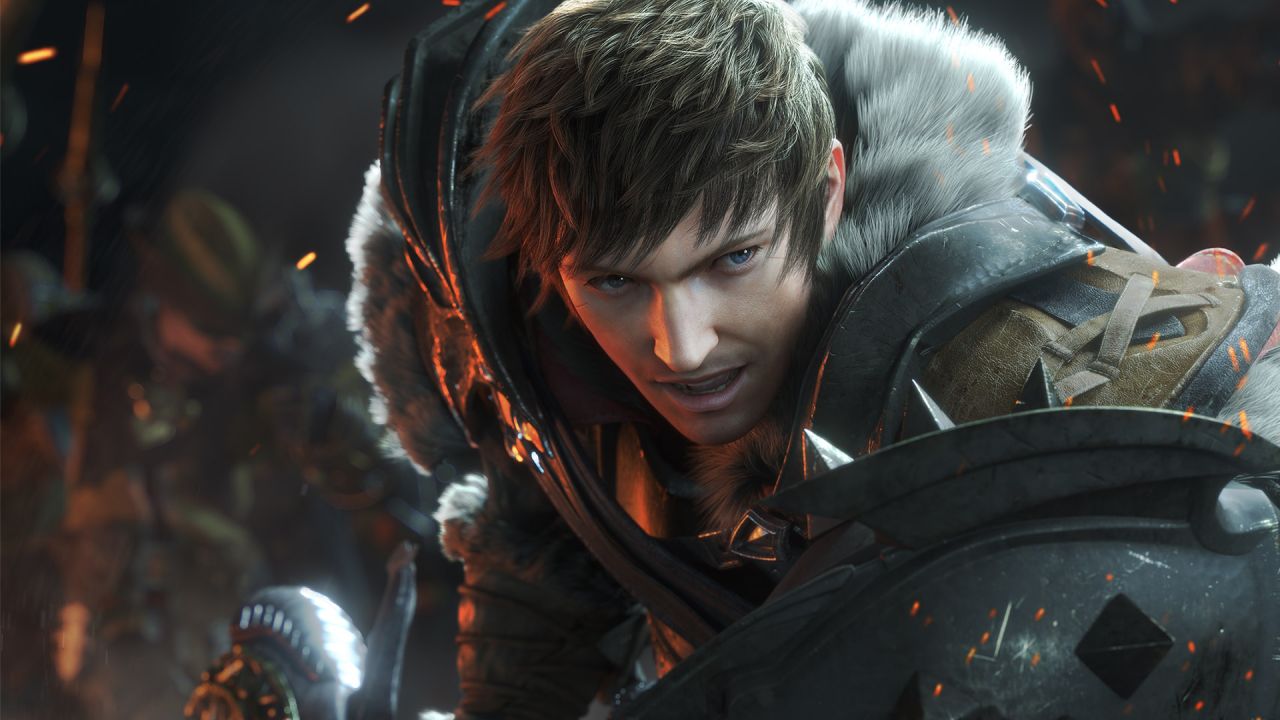
In Final Fantasy XIV, the "Gold Saucer" region has digital carnival-like activities. This movement has enabled autonomous platforms for certain tastes. Specialized hubs offer immediate access to gameplay loops that were previously hidden behind a $60 admission fee and 20 hours of instruction.
These platforms prioritize user-friendliness and selection since today's audience values efficiency and directness. The growth of this sector is also fueled by the social aspect. Many side activities in major games eventually get their own multiplayer components. When a gameplay style gains enough traction, it often breaks off to become its own genre."Auto-Chess" is a prime example; it began as a mod for another game and swiftly took the world by storm.
The Role of Chance and Reward Cycles
Chance and reward cycles are also key. Probability is, in fact, an unavoidable topic when discussing these secondary gaming systems. For hundreds of years, humans have been entertained by games of chance, and moving them to a digital platform was a logical step.
The excitement of almost winning, or the pleasure of a rare win, is a strong draw. In the digital realm, these systems rely on intricate Random Number Generators (RNG). Some players, understandably, bristle at random number generation when the stakes are high.
However, they frequently welcome it in less serious games or on specialized platforms. The difference lies in how the risk is presented. In a side game, the player is entering a self-contained environment. They get that chance plays the biggest role, alongside a handful of smart choices.
Cross-Platform Clarity is Crucial
A platform that lays out its rules plainly and offers a consistent user interface fosters a sense of ease. Players are then familiar with the gameplay loop, creating a stability that's sometimes absent in the chaotic realm of online multiplayer.
Cross-platform accessibility and community needs are also driving the adoption of these systems. Gamers often find themselves hopping between a PC, console, and smartphone throughout the day.
A sprawling, narrative-driven RPG isn't exactly ideal for a ten-minute bus ride. However, a quick game or a social gaming session fits perfectly into those little pockets of time.
Consequently, developers are putting a lot of effort into creating games that are lightweight enough to run on a range of devices, all while keeping the visual quality that players demand.
This flexibility ensures that the community stays connected to the brand or the style of play, regardless of where they are. These systems also tend to cultivate their own distinct communities. Within forums and on social media platforms, you'll discover groups that are entirely devoted to the "mini-games," rather than the "main games."
Members exchange strategies, revel in their rare victories, and analyze the subtleties of the software. This community-driven approach turns what was once a solitary pursuit into a shared social experience, a powerful tool for keeping players engaged in the current digital world.
Future of Game Design
The line between "core content" and "ancillary content" is likely to blur even further. We're already witnessing a surge in games that serve as hubs—centralized spaces where players can select from a variety of experiences.
This approach views the "game" as a network of interrelated systems rather than a single storyline. Modularity promotes longer pleasure. Boring systems may be modified without hurting the game.
Due to its association with optional activities, it enables more focused monetization and engagement techniques that are less obtrusive to players.
These linked systems demonstrate the diversity of gamers. While the concentrated, twenty-hour story will always be needed, the diversified, social, and chance-based ones are also in need. Whether they want a large adventure or a short, fulfilling loop, the industry offers something for everyone.

Value of Technical Reliability
Technical stability is essential for secondary systems and specialized platforms. A frame drop can hurt in fast-paced games. Bugs in luck-based games or complex card systems may be frustrating. Top developers and platforms spend considerable resources on backend systems.
The underlying logic has to be rock-solid, and the interface needs to be easy to use. Players demand instant responsiveness from digital systems. Any delay or problem interrupts immersion, potentially driving people away. Quality animations, crisp music, and a slightly directive user interface characterize the greatest examples in this category.
Final Thought
Game history changed from linear to complex ecology. Activities, social spaces, and chance-based mechanisms have helped the industry attract and keep clients. These systems offer the variety and those coveted "mental breaks" that today's players seek, demonstrating that the most enjoyable aspect of a game can often be the part you weren't even supposed to be doing.
Technology is continually improving, so these encounters will become more seamless and interwoven into our digital lives. The emphasis has shifted away from merely winning or losing; it's now about the quality of the time spent in the digital realm.
Moderator, NoobFeed
Latest Articles
No Data.