
Sony DualSense V2 Controller: Battery Life, Hardware Changes, and What’s New
Sony’s latest DualSense V2 revision introduces internal hardware changes focused on efficiency, reduced components, and significantly improved battery performance.
Hardware by Tanvir Kabbo on Dec 15, 2025
A new iteration of the PlayStation 5 DualSense controller has been circulating for a few months. It has recently gained more attention across headlines and general news. While there have been many color variations and special editions in the past, this version appears to be a hardware revision commonly referred to as the DualSense V2.
It has started shipping with newer PlayStation 5 systems featuring a matte plastic shell. It is also bundled with the Icon Blue Special Edition controller. One major upgrade has drawn attention: a noticeably improved battery life that reportedly lasts up to 15 hours on a single charge, a meaningful improvement for PlayStation 5 users.
Packaging, Model Identification, and First Impressions
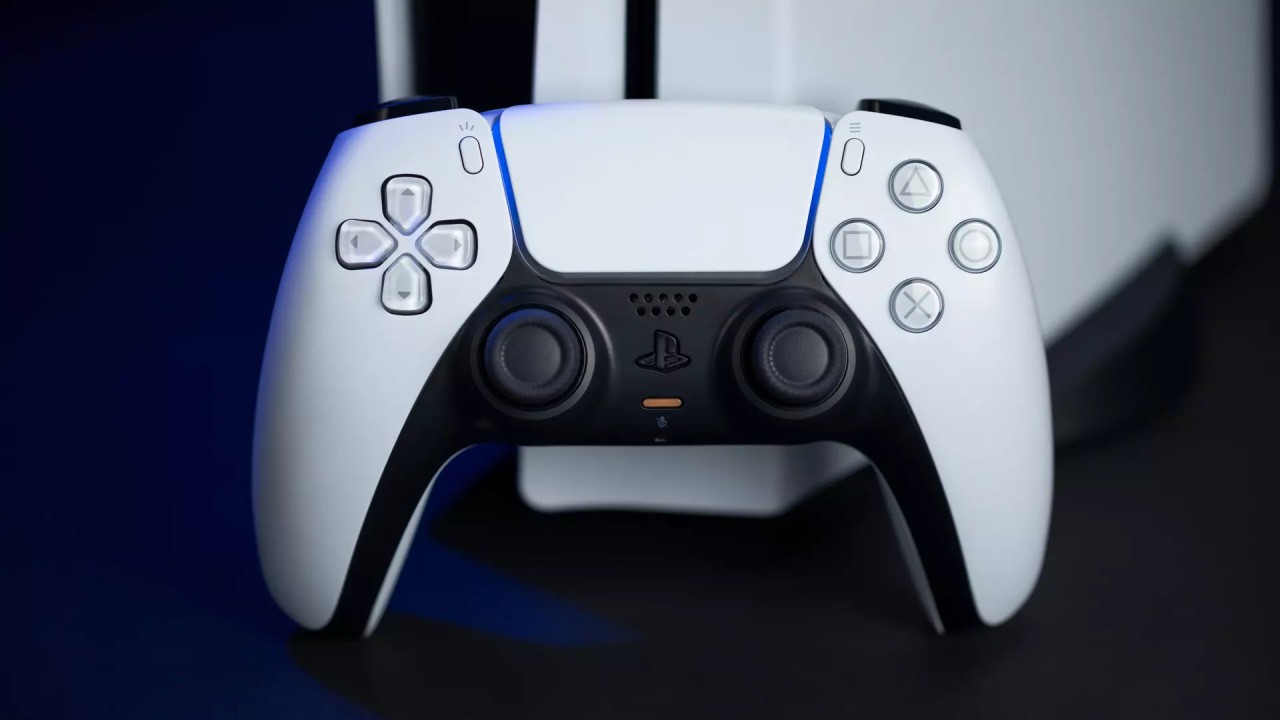
The clean and attractive look of the Icon Blue Special Edition package makes it stand out right away. The model number CFI-ZCT2W on the box is important for checking whether someone is getting the newer version. People often link this model name to the V2 keyboard.
The controller has a big impact on how it looks right out of the box. The marks on the face buttons are much higher and shinier than they used to be. They catch the light easily and are very noticeable when in use. The two-tone blue design is sharp and cohesive, and the white marks on the buttons and D-pad stand out against the blue background.
Overall, it is a well-designed controller, especially if you are a fan of blue-themed hardware. That said, with so many DualSense variants already available, it can feel unnecessary to collect every new release. The main reason this version stands out is the internal V2 designation, not the color alone.
Opening the Controller and Internal Changes
Disassembly begins the same way as previous DualSense controllers, with the familiar plastic trim piece popping off easily, making customization straightforward. After removing the bottom screws and detaching the shoulder buttons to access the remaining screws, the back shell comes free.
One immediate difference becomes apparent inside. The battery is now in a cage-like plastic case that wasn't part of the first DualSense design. This is an interesting change, especially after hearing so much talk and reporting about a future DualSense controller with a removable battery.
A dedicated internal holder could help with that by making it easier to remove and replace the battery in future versions.
It is important to note that the microphone facing the back has been taken out. Even though the part itself is gone, the inside structure still shows where the microphone would have lined up. It was thought that the rear microphone helped reduce background noise by picking up sounds occurring simultaneously. If it's not there, it means that the way music processing is done has changed.
Battery Design and Capacity
The battery can be quickly unplugged and lifted out, so replacing it isn't too hard. Even though the battery life has improved, the 1560 mAh capacity stays the same. Since the actual size and capacity of the battery haven't changed, the longer playtime is probably due to better efficiency rather than a bigger battery.
Given that earlier DualSense controllers typically delivered just under 10 hours of gameplay for many users, an increase to roughly 12-15 hours represents a substantial improvement. Removing the rear microphone alone would not account for such a gain, indicating bigger internal changes.
Mainboard Comparison and Efficiency Improvements
If you put the V1 and V2 controller mainboards next to each other, you can see that they differ significantly. There are three large chips in the middle of the original V1 board, but the V2 board has only two. The V2 board doesn't have a microphone port on the back, which aligns with what was observed before, when it was removed.
Audio processing, Bluetooth connectivity, and microphone input are handled by various chips on the V1 controller. In the V2 controller, one of these is replaced by a MediaTek Bluetooth low-power chipset. This chip is designed to improve wireless communication, and it likely helps reduce total power consumption.
The power management chip remains largely unchanged and continues to handle charging, power regulation, and USB input. However, the main Sony processor on the front of the board is different. The newer chip is slightly smaller and appears to be a more recent revision. While there is no publicly available documentation detailing its full capabilities, it is reasonable to assume that Sony has consolidated several functions, including audio processing, into this updated chip.
By reducing the total number of components and integrating more features into fewer, more efficient chips, Sony appears to have lowered power draw across the board. This consolidation is probably why the battery life is 20% to 30% better, even with the same 1560mAh cell.
Real-World Expectations and Ongoing Testing
The V2 controller's performance in daily use will be revealed by long-term tests. Charging the controller all the way up and keeping track of how often it needs to be charged again in a week should give you a better idea of how its battery really works.
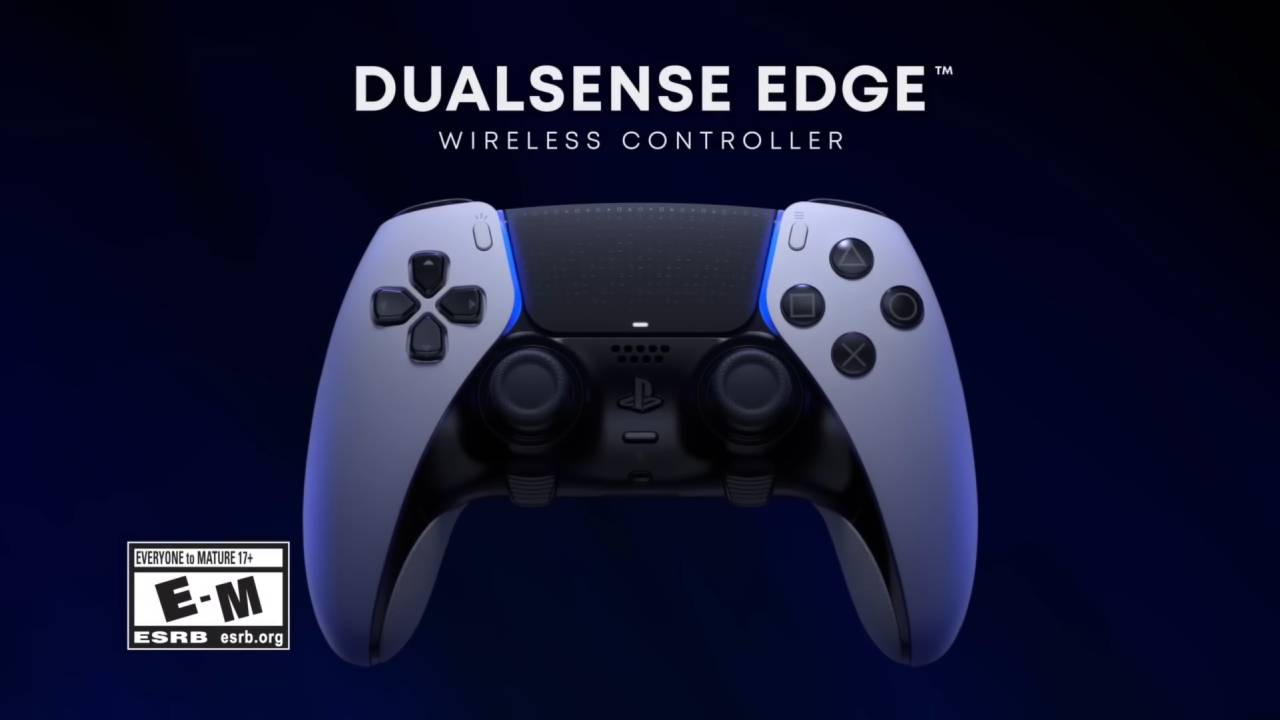
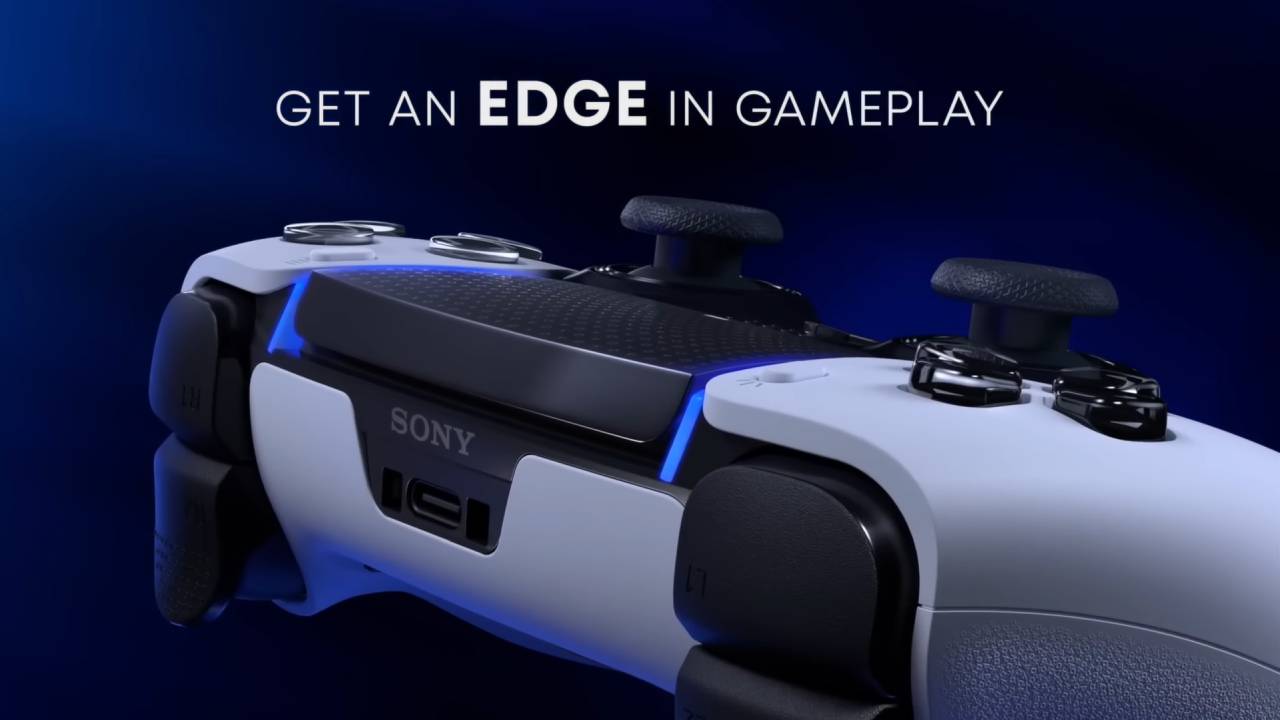
For people used to high-end controllers like the DualSense Edge, going back to a regular DualSense can feel like a downgrade, especially since the Edge is expensive but doesn't last long on a charge.
Looking Ahead at Future DualSense Revisions
The internal changes seen in the DualSense V2 raise interesting questions about the future of Sony's controllers. It would be encouraging to see similar efficiency improvements applied to the DualSense Edge, where better battery life is badly needed. The introduction of a battery holder also fuels speculation about a future model featuring a truly removable battery, allowing users to swap batteries without full disassembly.
Even if the current design still requires opening the controller to replace the battery, it is far from the most difficult teardown. It represents a step in the right direction.
Final Thoughts
DualSense V2 is more than just a look change. Sony has made real changes inside the company that make things more efficient, lower the number of parts needed, and get noticeably better battery life without making the cell bigger. Some of these changes probably help reduce production costs, but they also offer real benefits for players.
We also want to know how sound quality during online play is affected when the microphone at the back is taken off. If you've already used a V2 DualSense controller, you might want to focus on the battery life and microphone quality to see if the changes are clear in everyday use.
Also, check our other Console articles:
- PS5 Pro vs. PS5 Slim: Frame‑Rate, Graphics & Performance
- PS5 Pro vs. Radeon RX 9060 XT vs RTX 5060 Ti: Ultimate $700 Gaming Showdown
- ASUS ROG Ally PS5 Remote Play | How to do Remote play on PS5 Using Sony's Official Remote Play App
- Stream PS5 Games on Steam Deck OLED: Step-by-Step Installation and Configuration
- AI Upscaling on PS5 Pro: Can PSSR Finally Match DLSS?
- PS5 Pro vs. PS5 Slim vs. PS5 — Design, Storage, Specs, and Gaming
- PS5 Pro vs. Xbox Series X: Specs, Price, Storage, Customization, and Gaming
- PS5 Pro vs. PC Gaming: Comparison of Graphics, Frame Rates, and Price
Senior Editor, NoobFeed
Gaming Hardware Updates
No Data.