
Sony PS6 Strategy Changes as AI Drives Global RAM Shortage
Incremental PS5 Pro upgrades complicate the case for a full generational leap to PS6.
Hardware by Nahe Yan on Feb 13, 2026
PlayStation 6 is almost here at last. There was a glance at the PS5 in November, immediately after the official announcement of Project Amethyst, the next-gen tech partnership with AMD. There were a lot of rumors that the debut would be in late 2027, perhaps at the same time as whatever new Xbox Microsoft was working on. Before most people had even fully switched to the PS5, Sony was making a big deal out of the PS6.
Then, almost overnight, the RAM crisis shook up the tech world. Memory went up by 300% or more. Prices for GPUs and SSDs began to go up. Almost every part that could go into the PS6 was in short supply. New reports say Sony might delay the PS6 to 2028 or 2029. That might be a stretch, but even a one-year postponement is a big deal and could be the right move.
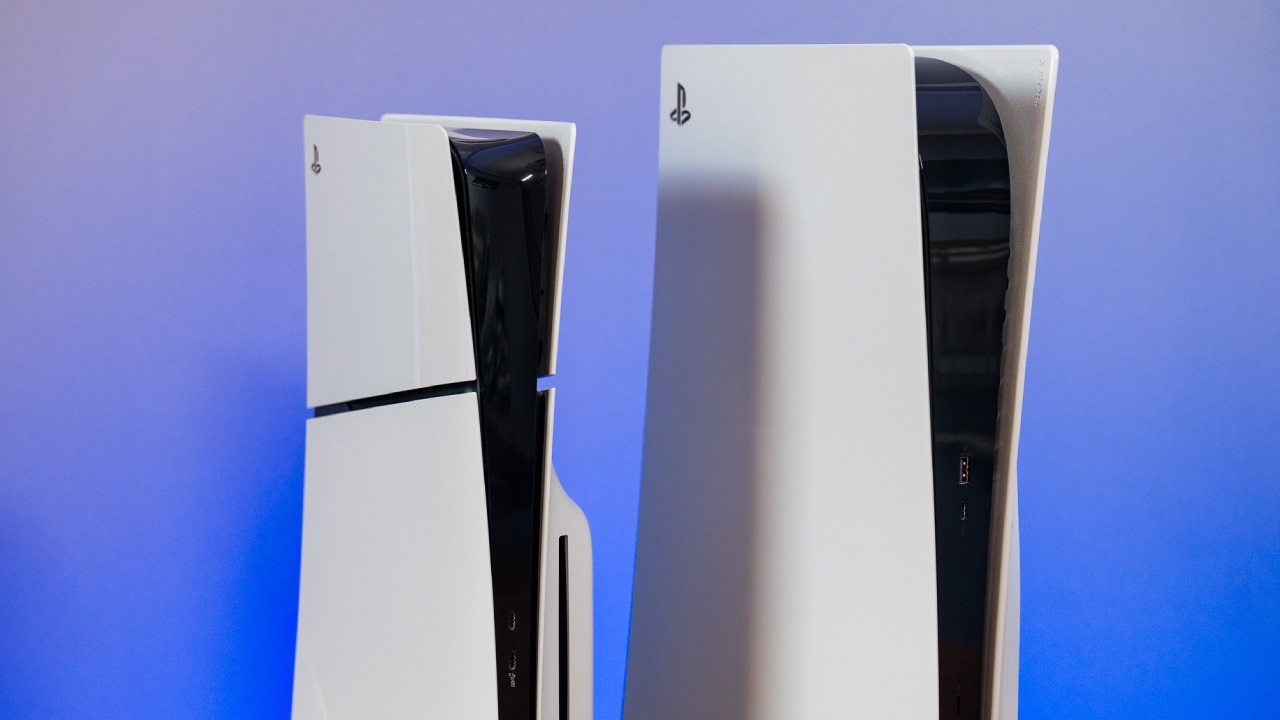
Is the PS5 Really out of Date?
PS5's hardware is no longer the best. The RDNA2 GPU is starting to show its age because it doesn't support AI upscaling, frame generation, or ray tracing. In several areas, Nvidia and AMD's latest cards have made progress. PS5's Zen2 CPU, on the other hand, is holding up better than the PS4's Jaguar CPU did. PS5 doesn't look much worse than a PC in most games. Developers aren't having trouble making games for the PS5. PS4 can still play games like Fortnite. There isn't much demand for a new console yet.
The PS5 Pro and the Upgrade Issue
The original PS4 launched as an HD console as the world moved to 4K, so the PS4 Pro's ability to play 4K games was a clear selling point. It's harder to explain the PS5 Pro pitch. At $750, it's not always easy to justify slightly improved resolutions and frame rates when the standard PS5 plays most games well. When it comes out, GTA6 might be a big seller for the system, and the PS5 Pro might be the most powerful console until the PC version comes out.
PlayStation Spectral Super Resolution is one of the most important enhancements. Sony's AI-powered upscaling solution makes games look better by rendering them at a lower resolution and upscaling the image. The goal is to improve the graphics without slowing down the game. PS5 Pro's current version works, but it doesn't have as many features as Nvidia's DLSS 4.5, which can generate frames and perform complex upscaling.
PSSR2.0 will improve image quality and possibly incorporate frame generation. Instead of making a full generational leap right now, Sony can get more out of its current technology by boosting software and optimization.
Incremental Gains vs. a Big Change
Two years after the PS5 Pro's release, it's still hard to explain why it's worth buying. It gets even harder to explain why a brand-new system is worth buying. Ghost of Yotei is an example of a game that shows how the PS5 Pro can leverage extra ray tracing power and PSSR to achieve 60 fps with ray tracing enabled. You can see the change in the pictures, but it's not a big deal unless you compare them side by side.
Transitions were apparent in earlier generations. PS4 Pro has better resolutions. PS5 added modes that always ran at 60 fps and even 120 fps, while the PS4 was sometimes limited to 30 fps. It's unclear what kind of jump a PS6 will make in the future.
A lot of people still play on a launch PS5 and don't see the need to upgrade to the Pro. PS5 Pro is hardly an old system because it came out over a year ago. If this amount of advancement is what we've seen in four years, the chances of a PS6 breakthrough get smaller.
PlayStation's Position in the Market
Sony's business is all about PlayStation. PS5 generation is already the most profitable console cycle for the firm. There is no need to rush the PS6, as it offers good performance and a stable ecosystem. The stakes are still high. We can't make the same mistake we did with the PS3. It's more important to get the next generation properly than to get it out quickly.
The Changing Landscape of Competition
This is the first time that Sony doesn't have to worry about a traditional console competitor. Xbox is moving toward a platform strategy with Game Pass and Windows gaming, which will be available on phones, TVs, PCs, and handhelds. There is less focus on directly competing with PlayStation hardware. Nintendo is in its own market and doesn't compete on hardware power.
Sony has a lot of freedom because it has a profitable platform, a large library of games, and not much competition. There is no need to release new gear right away, only to keep up with another manufacturer.
The Truth about Prices and the Limits of Manufacturing
The way prices work on consoles has changed. PS3 cost $500 when it first came out, but the price went down to $200 later. PS4 launched at $400 and dropped to $300. People used to buy consoles on a whim. PS5 was out for $500, but five years later, the price has gone up. The price of Xbox hardware has also gone up to $650.
The state of the economy has changed. People who buy consoles now think about them the same way they do when they buy gaming PCs. Improvements in manufacturing that used to lower chip costs over time are no longer certain. Reducing process nodes doesn't save as much money anymore. A PS6 might sell if it came out at $700 or $800, but not as many as prior models.
The RAM Crisis and What It Means
The RAM crisis is a big part of it. AI data centers are using up the world's memory supply, which is bad for SSDs and GPUs as well. This is a problem that is happening right now, not something that will happen in the future.
Sony originally planned for the PS4 to have 4GB of RAM. Still, it ended up with 8GB, which gave it an edge over the competition. Decisions about memory can shape a generation. If the PS6 came out now and only had 16GB instead of 24GB or 32GB because of supply issues, it might not be able to reach its full potential in the long run. Lowering the GPU size to save money could also affect performance goals.
Waiting gives supply chains time to settle down. It lets Sony obtain the features it wants at a price that customers can afford.
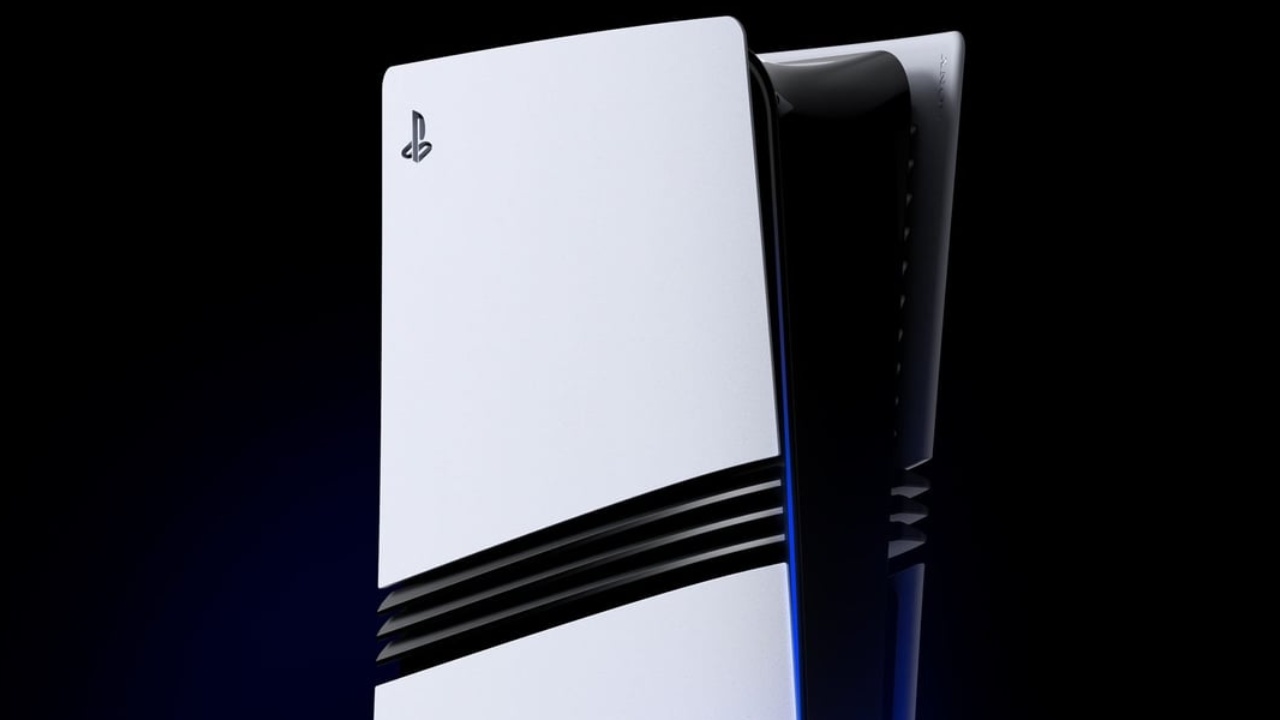
Patience Over the Cutting Edge
Waiting isn't about going after the newest node. It's all about value. Switch 2 has an Nvidia chip based on Samsung's 8nm technology, which was first used in 2020, but the system didn't come out until 2025. Mature manufacturing techniques can make things cheaper and easier to get.
There are rumors that the PS6 will feature AMD's Zen 6 CPU and RDNA 5 GPU, but there are still some things we don't know for sure. AMD will keep advancing its roadmap, providing Sony with more options for both cost-effective and high-performance parts.
Final Thoughts
PS5 Pro only makes small improvements, parts costs are high, people are wary of making big expenditures, and the PS5 is doing well, so hurrying the next generation doesn't give much value. PS6 will come out, but the date can be planned.
Sony can now focus on making the PS6 right instead of just getting it out on time, which hasn't happened in decades. That way of thinking might shape PlayStation's future in the current climate.
Also, check our other NVIDIA articles below:
- NVIDIA GeForce RTX 5080 Review (2025): Still A 4K Gaming Powerhouse?
- NVIDIA RTX 5070 Review: Mid-Range Muscle or Marketing Hype?
- RTX 5070 Ti Review: Performance, Thermals & Power Efficiency Tested
- ASUS GeForce RTX 5090 LC Liquid Cooled GPU Review: Unmatched Silence & Speed
- MSI GeForce RTX 5090 32GB SUPRIM SOC Review: Power Efficiency, Cooling, and Gaming Performance
- INNO3D RTX 5060 Ti 16 GB X2 Review: Gaming Benchmarks, Temps, and Power Efficiency
- HP Omen 45L Review: RTX 5090 Performance, Thermals, and Value Analysis
- ASUS TUF Gaming GeForce RTX 5060 Ti Review: DLSS 4, Power Efficiency, and Gaming
- ASUS Prime RTX 5060 Ti OC 16GB Review: DLSS 4, Ray Tracing, & Thermals Tested
- NVIDIA GeForce RTX 5060 Review: Specs, Gaming, and Cost per Frame
- MSI GeForce RTX 5090 GAMING TRIO OC Review: A Monster Power GPU
Editor, NoobFeed
Gaming Hardware Updates
No Data.