

Steam Machine Launch Pushed Back: Is Valve Waiting for FSR4 and Better RAM Supply?
Memory and SSD Shortages Are Forcing Valve to Reevaluate Launch Timing and Pricing Strategy
Hardware by RereRara on Feb 16, 2026
The release date of Valve's new hardware is unclear due to ongoing industry-wide shortages of memory and storage. Since the goods were announced in November 2025, we expected prices and release dates to have been shared by now.
But because key parts are hard to find and prices are rising quickly, shipping schedules and final prices have had to be reevaluated. The goal of shipping the Steam Machine and related items in the first half of the year remains unchanged. However, specifics about Price and launch are still being worked out because supply conditions are changing.
A Delay in Everything but Name
In a technical sense, the Steam Machine never had an official start date. In this way, what we're seeing could be called a delay in the statement rather than a delay in the console itself. Still, when the phrase "early 2026" was used before, not many people thought it meant as late as June 30. Based on this, it seems likely that there has been at least a small but real delay compared to the original plan.
The way they talk about timing makes it sound unlikely that a start in Q1 is likely. If approval was due by March 30, the release would happen in Q1. Instead, signals near the end of June strongly suggest a Q2 time frame. As far as most people are concerned, that is not really "early" since it is still the first half of the year.
Memory Supply and Long-Term Inventory Planning
Memory availability seems to be the first and most useful reason for the delay. It's doubtful that Valve would have shown the hardware to the public in the first place if they didn't already have enough stock ready for launch. That means that the first stocks are probably already there. Most likely, the worry is about the follow-on orders needed to keep the supply steady after the start.
We need to think beyond just the launch month. Businesses don't plan for just one quarter; they plan months or even years ahead. If Valve released the Steam Machine right away without first making sure they had enough RAM for future batches, it could sell out quickly and not be available for months.
Having to wait six months before getting more would kill the progress, especially if people get excited early on and then lose interest because they can't get it.
If you wait until April or May and place more RAM orders, there is a lower chance of a large supply gap. A small delay now could prevent a bigger problem later. Instead of just reacting to short-term shortages, we are probably seeing a plan that aims to keep supplies steady.
Redesigning for Serviceability and Upgrades
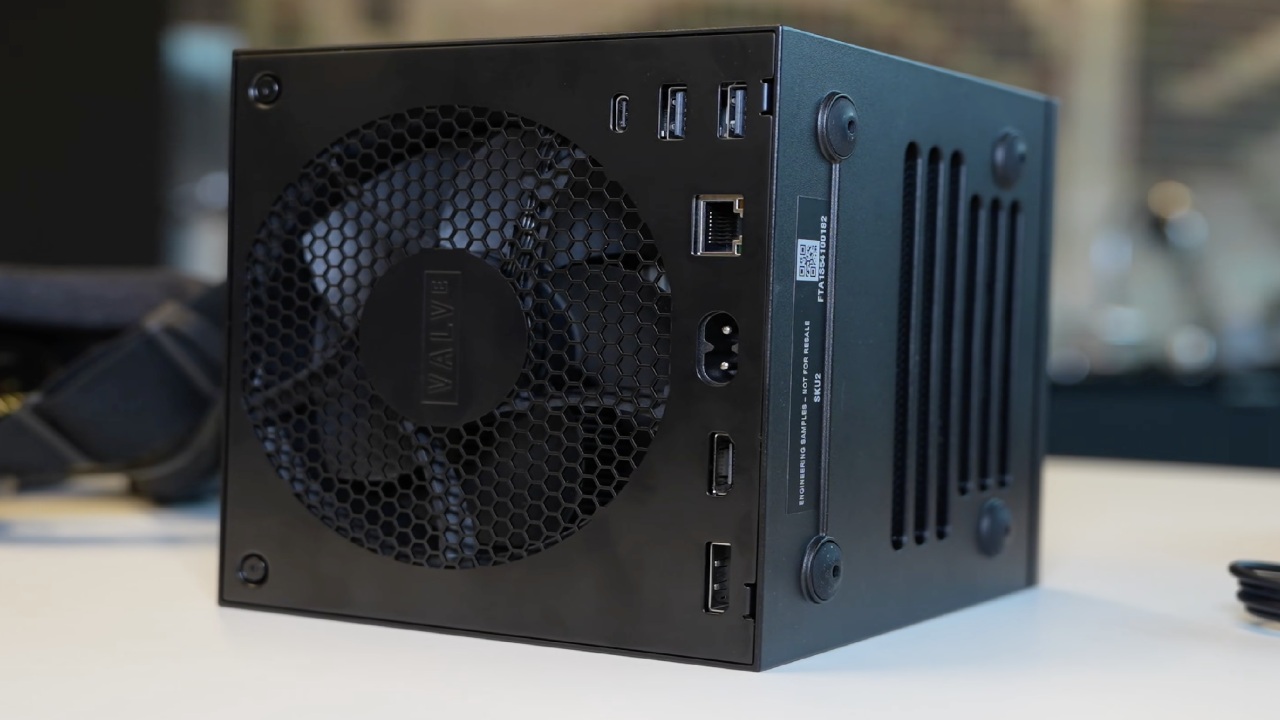
Better serviceability is another important reason for the wait. From early teardowns, it didn't look easy to access the RAM or SSD components. Valve has now said that it will be easy to fix parts. Changes like that definitely suggest changes to the internal design.
The product's value changes when memory and storage are easy to access. If the Price of memory stays unstable, it makes a lot more sense to give a basic configuration. We had thought before that Valve should at least make it easy to improve the system and maybe even offer a version with very little or no memory.
If people can easily put in their own RAM or SSD, they have more options. You might already have extra memory, or you might find a good deal on the resale market.
Making changes easier reduces problems and helps balance out higher base prices driven by rising component costs. Valve doesn't have to forever lower the system's specs; instead, they can offer upgrade paths that keep the system flexible over time.
At first, the focus was on adding more storage space with fast SD cards. That message makes more sense if accessing the SSD from the inside wasn't meant to be easy for users. The new words used to describe serviceability suggest the point of view may have changed.
.jpg)
FSR4 Question and Software Polishing
Software improvement is the most interesting option. Valve recently talked about adding support for variable refresh rates over HDMI, improving ray tracing with driver updates, and exploring better upscaling options. That last point stands out.
It's becoming increasingly likely that the Steam Machine will receive FSR4 support. If Valve can add a one-click fix for FSR4 to SteamOS, maybe even using modified files more efficiently, it could make things run much faster in real life.
If the final Price is higher than expected due to the cost of RAM and SSDs, better FSR4 performance might make the price increase easier to explain.
For instance, if the system costs around $700 instead of $500, a speed on par with or better than the PS5 would lessen the blow. Upscaling improvements can also reduce VRAM usage and boost performance without fundamentally changing the hardware.
If FSR4 support is gained by working with AMD, it could also lead to more RDNA3 GPU support. That's still just a guess, but greater integration would be good for more than one device.
Price Reality Check
In the end, the Steam Machine doesn't offer fundamentally better performance than a PlayStation or a PC that you build yourself. The features aren't really new. It's price and ecosystem collaboration that set them apart.
If the device costs more than $700 to ship, it might lose its best feature. Even with the way things are now, you can still build competitive computers for around $800. It is necessary to set prices aggressively. If Valve can offer configurations for $600 or less, especially given the already high memory market, it will put a lot of pressure on everyone else in the business.
If you use upscaling technologies like FSR4, a 16GB setup running Linux-based SteamOS might be enough because it's more efficient. Even though optimization might not set new records, it can close the gap in a meaningful way.
Some of the very good reactions are probably due to how people feel about the brand. PC gamers are very loyal to Valve, and the integration of SteamOS is obviously appealing. But excitement alone can't make up for bad Price. If the Steam Machine gets close to $1000, it will have a hard time, no matter what it's called.
Final Thoughts
There are signs that things will calm down rather than escalate. Securing a source of RAM, making the product easier to service, and maybe adding support for FSR4 are all part of a plan to make the product stronger before it goes on sale. A small delay now could prevent a much bigger problem later.
The success of the Steam Machine will depend on how well it is used. Price cuts that are too good to be true and upgrades that are really easy to use could really shock the market. If not, it might end up being just another small PC in a busy room. We will see in the coming months whether this wait turns out to be a smart recalibration or a missed chance.
Also, check our other hardware articles:
- AMD Ryzen 9 9950X3D Review: Setting The Standard For 2025 Gaming CPU
- Amazon Luna 2025 Review: Is Prime Gaming's Cloud Service Your Go-To For Casual Fun?
- AMD RX 9070 XT Review: AMD's RDNA 4 Champion for 1440p Gaming
- GeForce Now Ultimate: Ditching Your Gaming PC For Cloud RTX 4080 Power?
- NVIDIA GeForce RTX 5080 Review (2025): Still A 4K Gaming Powerhouse?
- Intel Core Ultra 9 285K Review And Performance Breakdown (2025)
- AMD Ryzen 7 9800X3D Review: 3D V-Cache Goes God Mode with Stunning Gaming Performance
- Intel Core Ultra 9 285K vs AMD Ryzen 7 9800X3D: In-Depth Gaming Performance and Benchmark Comparison
- NVIDIA GeForce RTX 5080 Super Performance In Cyberpunk 2077: Path Tracing & DLSS 4.0 Tested
- AMD Radeon RX 9070 XT In Cyberpunk 2077: Ray Tracing & FSR 4.0 Tested
- Intel Arc B580 Review: The $250 GPU Revolutionizing 1440p Gaming
- Intel Arc B570 Vs. B580: Value, Specs, And Real-World Gaming Performance
- RTX 5090 Laptop Vs. M4 Max MacBook Pro: Ultimate Raw Performance Vs. Battery Endurance
- Intel Arc b580 Vs. RTX 4060: Game Performance And Value Analysis
- RTX5090 Hell Is Us Demo 4K Ultra Benchmark: DLSS Vs. Native Performance Guide
- NVIDIA RTX 5070 Review: Mid-Range Muscle or Marketing Hype?
- Nintendo Switch 2 Review: Handheld Performance, Features & Value Breakdown
- RTX 5070 Ti Review: Performance, Thermals & Power Efficiency Tested
- Samsung Odyssey OLED G81SF Review 2025: Ultimate 32-Inch QD-OLED Gaming Monitor
- AMD RX 9070 Performance Review: Thermals, Clocks, and Real-World FPS
- AMD Ryzen 5 7600 Review: Best Budget Gaming CPU of 2025?
- AMD Radeon RX 7800 XT Review: RDNA 3 Power For Midrange Gaming
- Asus ROG RTX 5090 Astral OC Vs. Founders Edition: The 4K Gaming Benchmark
Contributor, NoobFeed
Latest Articles
No Data.