
Steam Machine Price Concerns Grow Amid Steam Deck Stock Shortages
DRAM supply constraints pressure Valve’s hardware roadmap and potential Steam Machine pricing.
Hardware by Shinji Okazaki on Feb 16, 2026
New information about Valve's hardware range has made the market unsure. Changes in the availability of the Steam Deck, along with analyst comments and a general component shortage, have raised concerns about its possible price and launch timing.
There have been reports in the last week about an update to the availability of Valve's hardware. There were significant changes to the stock selection for the Steam Deck on the official Steam buying page. Valve had already said that the 256GB LCD model would not be restocked; it was designated as discontinued when it sold out. The 512GB OLED and 1TB OLED variants, which used to cost $550 and $650, are likewise completely out of stock.
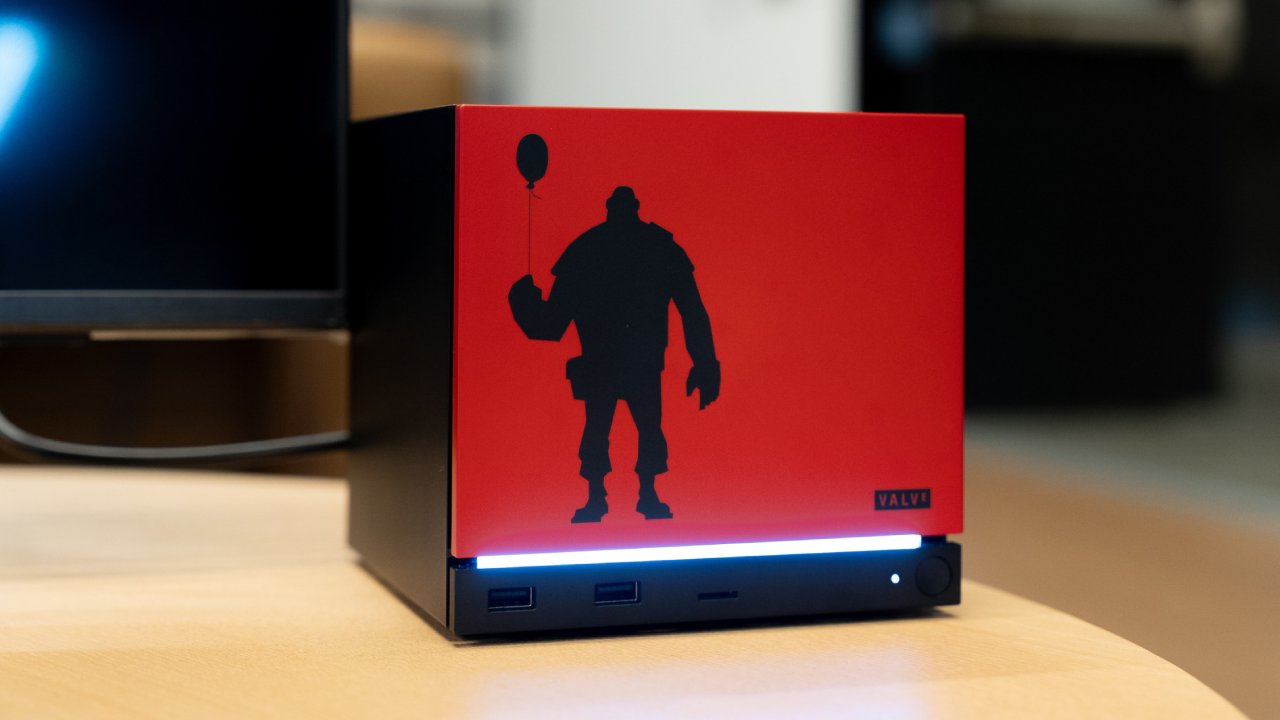
Steam Deck Models Are Out of Stock
Valve has not made a formal statement about the incident. Stock shortages can last a few hours or even a day. However, the fact that both higher-end OLED versions remain unavailable without explanation has led to conjecture. We haven't had any updates on when things will be back in stock, which has made the market even more unpredictable.
Analysts aren't Sure how Much Steam Machines will Cost
Analysts have also said that they are having trouble guessing how much the Steam Machine would cost when it comes out. Matt Piscatella from Circana said in a conversation that the system might cost up to $1,000, depending on how it is set up. Valve may also cover some of the hardware costs and sell it for less than $700.
We talked before about how much the Steam Machine would cost and where it might be sold. When asked for a guess, a number around $700 seemed reasonable, depending on what Valve puts in the box. Valve may add value by bundling a game or a controller rather than adding more DDR5 memory or other hardware specifications. This would not greatly raise the cost of the components. Adding a new Half-Life game and bundling it with something else would give the game more value without raising the cost of materials like adding more RAM would.
Based on the way parts are going right now, the Steam Machine will cost more than $600.
Hardware Prices are Affected by Memory Shortages
Memory-related costs are putting pressure on the broader hardware sector. Other companies that make handhelds have said that pricing problems are linked to a shortage of DRAM. Some high-end handheld systems now cost $4,300 for models with 128GB of RAM and 2TB of storage. Even the cheapest models with 32GB of RAM and 1TB of storage cost $2,000.
Some manufacturers have said that they aren't making money on some models since the prices of memory and storage vendors have gone up. More and more DRAM is going to AI data centers, where demand and prices are still high. As suppliers focus on AI contracts that pay more, fewer parts are available to companies that make consumer products.
For example, Nvidia did not show off its projected Super series GPUs at CES. It may not release new video cards in 2026. Some predictions suggest that next-gen GPUs will not be available until 2028 due to DRAM allocation issues. Because of the high demand for AI, vendors are now focusing on large-scale enterprise buyers.
Possible Reasons for Changes in Steam Deck Stock
One idea circulating is that Valve might be shifting its focus from making Steam Decks to making the new Steam Machine. If Valve plans to launch in the first half of 2026, it will require sufficient production volume not only for the launch but also for the holiday season after the game's release.
If the Steam Machine comes out in April or May 2026, there will be a few months before the holidays. Firm contracts for components would be necessary to ensure sufficient supply before peak demand. Ordering more RAM could help you get better prices, just as other hardware makers have said they plan to do to keep prices stable.
Another option is that the price of the Steam Deck could go up if it is refilled. When looking at DDR5 memory prices at retailers, 32GB kits can cost up to $300. Even 16GB models can cost close to $180 at retail. Prices for high-speed 1TB SSDs have also gone up to $150 to $200. Valve buys parts at wholesale prices, but rising market prices still affect margins.
The 256GB LCD model was discontinued at $400, while the OLED variants with 16GB LPDDR5 memory cost $550 and $650. If component costs keep rising, the current pricing structure may come under pressure.
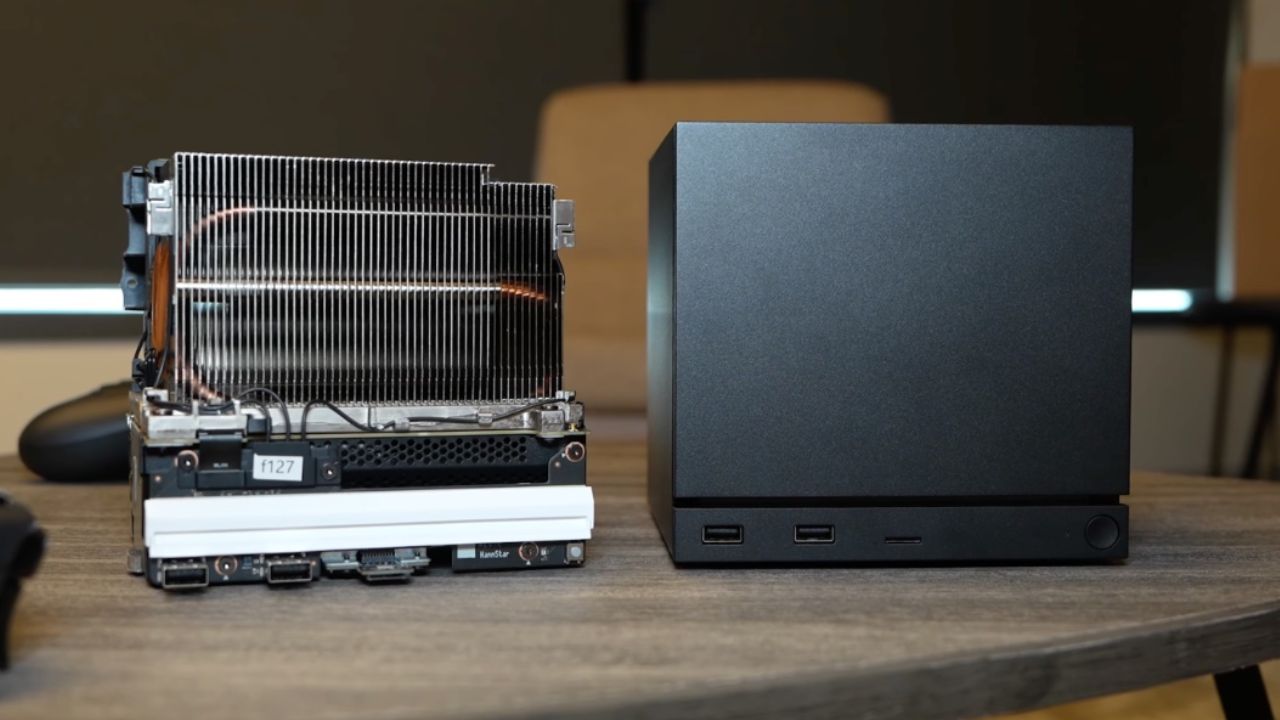
Microsoft Is Putting Pressure on the Competition
Another thing to think about is timing. Microsoft might show off its next-generation Xbox hardware if the Steam Machine launch goes on for too long in 2026. Rumors say the next Xbox could be a Windows PC for the living room that runs Steam, the Epic Games Store, GOG, and other launchers.
There will be comparisons if Microsoft releases a more capable 4K system for about $1,000. The apparent performance difference could still affect people's choices, even if the Steam Machine comes out at $700 or $800. Microsoft's current install base is still larger than the Steam Deck's, and a next-generation Xbox platform might leverage that scale to get things moving quickly.
Valve wants to get a foothold in the market before the competition gets tougher. That advantage may be lessened by a late announcement or a pricing strategy that isn't obvious.
Final Thoughts
Valve has said that the Steam Machine will be out in the first half of 2026. Concerns about launch preparation may grow if the prices and preorder information aren't made public by the end of March. We are getting close to the point where we need to be clear to compare our position with both handheld competitors and new console hardware.
Until official information comes out, the lack of Steam Deck stock and persistent memory shortages remain the major topics people are discussing about the Steam Deck's pricing and production strategy.
Also, check our other hardware articles:
- AMD Ryzen 9 9950X3D Review: Setting The Standard For 2025 Gaming CPU
- Amazon Luna 2025 Review: Is Prime Gaming's Cloud Service Your Go-To For Casual Fun?
- AMD RX 9070 XT Review: AMD's RDNA 4 Champion for 1440p Gaming
- GeForce Now Ultimate: Ditching Your Gaming PC For Cloud RTX 4080 Power?
- NVIDIA GeForce RTX 5080 Review (2025): Still A 4K Gaming Powerhouse?
- Intel Core Ultra 9 285K Review And Performance Breakdown (2025)
- AMD Ryzen 7 9800X3D Review: 3D V-Cache Goes God Mode with Stunning Gaming Performance
- Intel Core Ultra 9 285K vs AMD Ryzen 7 9800X3D: In-Depth Gaming Performance and Benchmark Comparison
- NVIDIA GeForce RTX 5080 Super Performance In Cyberpunk 2077: Path Tracing & DLSS 4.0 Tested
- AMD Radeon RX 9070 XT In Cyberpunk 2077: Ray Tracing & FSR 4.0 Tested
- Intel Arc B580 Review: The $250 GPU Revolutionizing 1440p Gaming
- Intel Arc B570 Vs. B580: Value, Specs, And Real-World Gaming Performance
- RTX 5090 Laptop Vs. M4 Max MacBook Pro: Ultimate Raw Performance Vs. Battery Endurance
- Intel Arc b580 Vs. RTX 4060: Game Performance And Value Analysis
- RTX5090 Hell Is Us Demo 4K Ultra Benchmark: DLSS Vs. Native Performance Guide
- NVIDIA RTX 5070 Review: Mid-Range Muscle or Marketing Hype?
- Nintendo Switch 2 Review: Handheld Performance, Features & Value Breakdown
- RTX 5070 Ti Review: Performance, Thermals & Power Efficiency Tested
- Samsung Odyssey OLED G81SF Review 2025: Ultimate 32-Inch QD-OLED Gaming Monitor
- AMD RX 9070 Performance Review: Thermals, Clocks, and Real-World FPS
- AMD Ryzen 5 7600 Review: Best Budget Gaming CPU of 2025?
- AMD Radeon RX 7800 XT Review: RDNA 3 Power For Midrange Gaming
- Asus ROG RTX 5090 Astral OC Vs. Founders Edition: The 4K Gaming Benchmark
Editor, NoobFeed
Latest Articles
No Data.