

Steam Machine 2026 Release in Doubt Amid Steam Deck Shortages
Ongoing Steam Deck stock issues signal deeper supply chain challenges for Valve’s upcoming Steam Machine hardware
Hardware by Katmin on Feb 20, 2026
Steam Machine was one of the most intriguing things to be announced in 2025, mostly because hardly everyone plays PC games. The appeal is in bridging the gap between conventional PC gaming and the simplified console experience.
You can have something under the TV, enjoy how easy it is to use, and still benefit from the huge ecosystem that PC gaming offers.
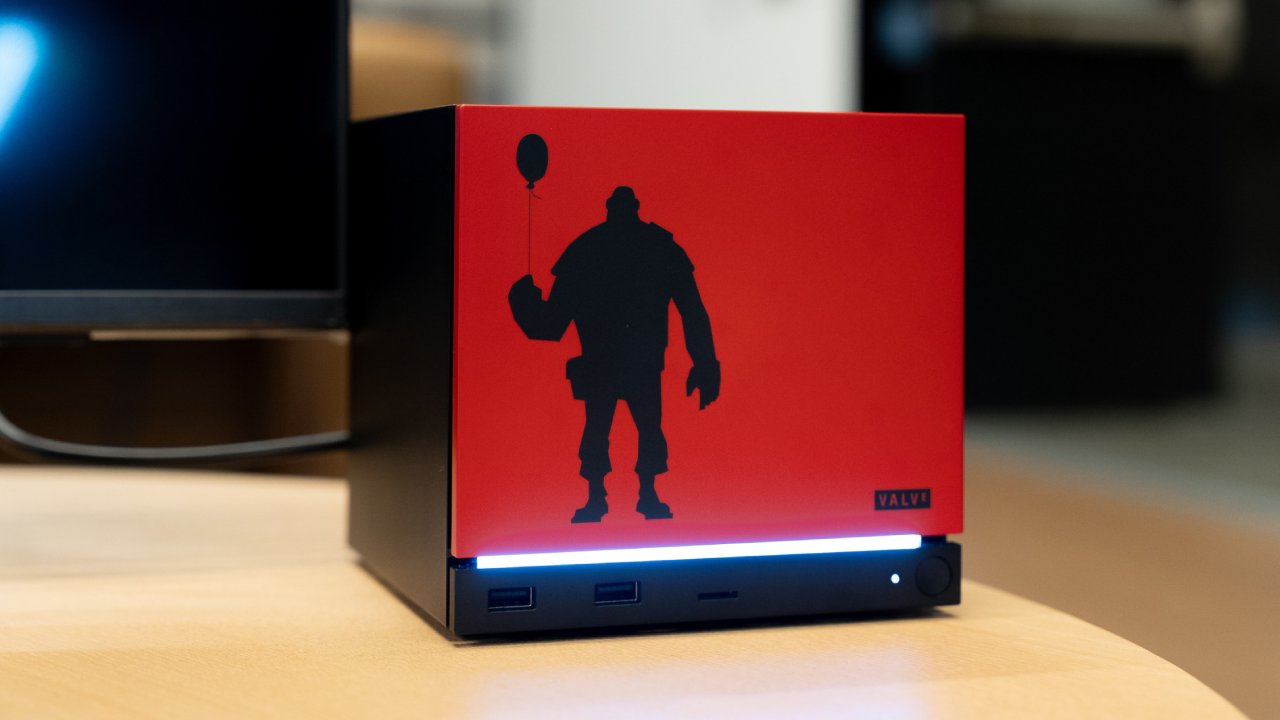
There are undeniable advantages to gaming on PC. The Steam storefront provides a massive variety of games, including titles that may have been delisted elsewhere. Steam sales are often far more aggressive than what appears on the PlayStation Store, Xbox Store, or the Nintendo eShop.
Deep discounts make high-quality games accessible at lower prices. Beyond pricing, customization remains a core advantage, allowing settings to be adjusted for a tailored experience.
However, as time goes on, the Steam Machine appears to be facing more obstacles. The outlook is becoming increasingly uncertain. At this point, it is difficult to see it launching in the first half of 2026 as originally anticipated. In fact, there is growing doubt whether a 2026 release will happen at all. The broader technology marketplace is shifting rapidly, and tangible issues are already visible within Steam’s own hardware lineup.
The Steam Deck Situation Raises Red Flags
The Steam Machine is not the first modern hardware effort from Valve. The Steam Deck has already established a presence. It remains a solid device with a cool concept, even if battery life leaves room for improvement. While official sales figures were never disclosed, many estimates place total sales between four to five million units. For a niche device sold exclusively through Steam’s storefront, that performance is respectable.
But availability has now become the issue. The 256GB LCD variant is no longer being made, and it won't be available again after the current stock runs out. There are just OLED variants left, which are the 512GB and 1TB versions.
Because of a lack of memory and storage, those are sometimes out of stock in some areas. In the largest gaming market globally, customers currently cannot purchase a Steam Deck directly from Steam unless they turn to third-party marketplaces, where prices can climb to $1,000 or more.
That was never the intention behind the Steam Deck. It was designed as an accessible alternative to building a gaming PC. Now, scarcity is reshaping that value proposition entirely.
Hardware Constraints and Component Concerns
The specs say that the Steam Deck doesn't have the newest parts that push performance limitations. The OLED version includes a new screen, but the hardware within is basically the same as the first one. There aren't any substantial performance enhancements that impact how the game works. Yet even with these established components, manufacturing has become strained.
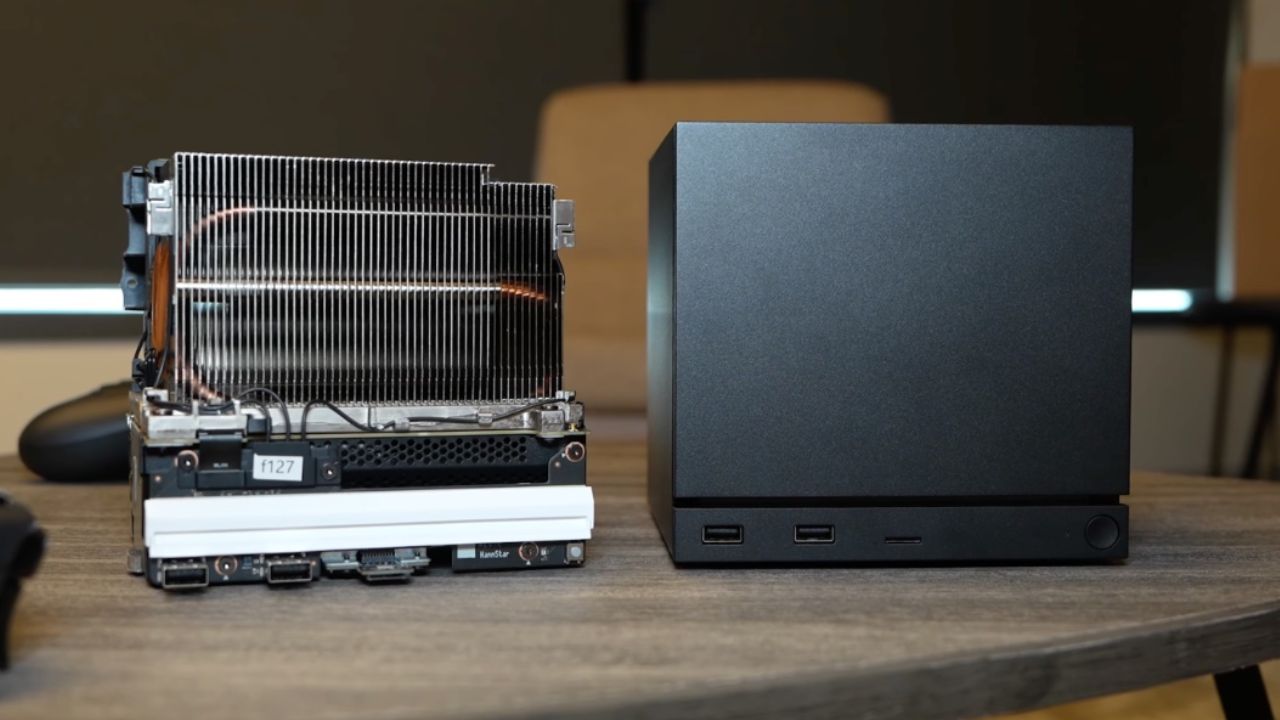
If sourcing parts for an older, stable device is becoming difficult, it naturally raises concerns about a more powerful Steam Machine. Component shortages involving memory and storage are impacting availability. With rapid fluctuations in hardware pricing and supply chains, yesterday’s price is not today’s price, and today’s price will not be tomorrow’s price.
If Valve struggles to maintain Steam Deck supply, confidence in delivering sufficient Steam Machine stock at launch weakens. Either manufacturing will be limited, or the costs of parts will go up so much that prices will be far higher than projected. Neither outcome makes for a smooth release.
Business Realities and Pricing Pressures
Valve has not relied on hardware as its main source of business in the past. The Steam Deck functioned more as a gateway into the Steam ecosystem rather than a major profit engine on its own. Its pricing remained relatively reasonable to encourage adoption.
However, rising hardware costs force companies into difficult decisions. If hardware pricing does not increase, other revenue channels must compensate. Prices for subscriptions, games, and microtransactions or DLC tactics may all go up. When production costs go up, businesses have to look for other ways to make money.
If the Steam Machine comes out at a much higher price because of the cost of parts, it could lose its appeal as a console-like PC experience.
Delays, Market Timing, and Strategic Shifts
The longer it takes for the Steam Machine to launch, the more complicated things get. Rumors of new console hardware coming soon make things even more unclear. Delays are becoming more typical across the board, and it's getting harder to predict when the market will be right.
At present, there is no confirmed price, release date, or concrete launch window beyond a general target of the first half of 2026. With each passing day, uncertainty grows. A holiday release remains possible, but current conditions do not inspire confidence.
One potential explanation could be a strategic pivot. Production of the Steam Deck might be slowing intentionally to redirect components and resources toward the Steam Machine. Shared parts—particularly memory and storage—could be prioritized for the new device. If that is the case, we may see the Steam Deck temporarily placed on the back burner to strengthen the Steam Machine’s supply at launch.
Yet this remains speculation. What we know for sure is that there are chip shortages and stock problems that come and go over the course of days. What looked like a transient problem at first now looks more like a permanent one.
A Challenging Road Ahead
The scenario is hard to understand. Hardware shortages, increased costs of parts, and unclear timescales are all big problems. While hope remains that production stabilizes and the Steam Machine arrives as envisioned, the obstacles are mounting.
Whether Valve can navigate these challenges successfully will determine if the Steam Machine becomes the bridge between PC and console gaming that many anticipate—or another ambitious idea delayed by forces beyond its control.
Also, check our other hardware articles:
- AMD Ryzen 9 9950X3D Review: Setting The Standard For 2025 Gaming CPU
- Amazon Luna 2025 Review: Is Prime Gaming's Cloud Service Your Go-To For Casual Fun?
- AMD RX 9070 XT Review: AMD's RDNA 4 Champion for 1440p Gaming
- GeForce Now Ultimate: Ditching Your Gaming PC For Cloud RTX 4080 Power?
- NVIDIA GeForce RTX 5080 Review (2025): Still A 4K Gaming Powerhouse?
- Intel Core Ultra 9 285K Review And Performance Breakdown (2025)
- Intel Core Ultra 9 285K vs AMD Ryzen 7 9800X3D: In-Depth Gaming Performance and Benchmark Comparison
- NVIDIA GeForce RTX 5080 Super Performance In Cyberpunk 2077: Path Tracing & DLSS 4.0 Tested
- AMD Radeon RX 9070 XT In Cyberpunk 2077: Ray Tracing & FSR 4.0 Tested
- Intel Arc B580 Review: The $250 GPU Revolutionizing 1440p Gaming
- Intel Arc B570 Vs. B580: Value, Specs, And Real-World Gaming Performance
- RTX 5090 Laptop Vs. M4 Max MacBook Pro: Ultimate Raw Performance Vs. Battery Endurance
- Intel Arc b580 Vs. RTX 4060: Game Performance And Value Analysis
- RTX5090 Hell Is Us Demo 4K Ultra Benchmark: DLSS Vs. Native Performance Guide
- NVIDIA RTX 5070 Review: Mid-Range Muscle or Marketing Hype?
- Nintendo Switch 2 Review: Handheld Performance, Features & Value Breakdown
- RTX 5070 Ti Review: Performance, Thermals & Power Efficiency Tested
- Samsung Odyssey OLED G81SF Review 2025: Ultimate 32-Inch QD-OLED Gaming Monitor
- AMD RX 9070 Performance Review: Thermals, Clocks, and Real-World FPS
- AMD Ryzen 5 7600 Review: Best Budget Gaming CPU of 2025?
- AMD Radeon RX 7800 XT Review: RDNA 3 Power For Midrange Gaming
- Asus ROG RTX 5090 Astral OC Vs. Founders Edition: The 4K Gaming Benchmark
Senior Editor, NoobFeed
Latest Articles
No Data.