
Switch 2 is Underwhelming: Mediocrity Masquerading as Innovation!
Early reviews reveal good but not groundbreaking games, leaving Nintendo fans feeling cautious.
Opinion by Zahra Morshed on Feb 12, 2026
When the Nintendo Switch 2 came out, it had a package that was supposed to change what people thought about mid-generation consoles. However, reviews show that this is not at all what happened. Early reviews for games like Mario Tennis Fever are settling in the 1970s, which shows a trend of mediocrity, even though these are first-party releases that get a lot of attention.
Unlike previous system launches, where flagship games set a high standard, the Switch 2 seems to be stuck in a rut of good but not great games. This is reflected in the console itself, which is an upgrade from the previous version. It works well without ever feeling exceptional.
.jpg)
Nintendo's consoles have always been successful because of their first-party games.
Classics like Super Mario 64, Breath of the Wild, and Mario Odyssey set the bar for new gameplay, high ratings, and the highest rates of attachment ever seen in a video game. Launch games for the Switch 2, like Mario Kart World and Donkey Kong Bananza, get good scores but aren't as important as those famous games.
Mario Kart World has an average score of 86, which is a big drop from Mario Kart 8 Deluxe's 92, which suggests that Nintendo's best games are now lower on the list. The "Nintendo bell curve" effect makes this difference even bigger.
Scores and sales numbers for first-party games tend to be higher because people believe the brand and like the game.
But even taking this into account, the Switch 2's first games don't live up to the high standards that made the brand famous in the past. Another first-party game, Mario Tennis Fever, comes out in the middle of the 1970s, fitting in with the trend of good but not great games.
The first wave of games for the console doesn't have the "must-play" urgency that drove earlier generations. Third-party support keeps getting worse, and most third-party games don't sell as well as first-party games.
Nintendo's own franchises are still the main focus, but even this approach has some holes.
Not all games are as popular or as easy to connect. For example, Donkey Kong Bananza only sold a little more than four million copies, which is a small percentage of the Switch 2's installed base. Other games, like Metroid Prime 4 and Hyrule Warriors, have trouble getting as many people interested and haven't had as much of an effect on culture and sales as earlier Nintendo classics.
As a result, "wellemed" experiences have come to define the console environment. It's common for games to be fun and strong, but not awe-inspiring. When you buy a first-party Nintendo system, you usually expect to find games that are above and beyond, but the Switch 2's early library is lacking in both innovation and quality.
Some of the most expected releases don't really get people excited, while even the biggest releases feel like filler.
Nintendo's first-party approach used to mean quality control, but when it comes to a mid-generation upgrade, it shows its limits. This is what sales data show. Mario Kart World tops the charts at first, but it only has a small share of the total installed base.
This shows how hard it is to turn brand loyalty into real engagement. Attach rates for big-name games aren't as high as they were when the last system came out, when more than half of owners bought a single big-name game within months.
Consumers' needs are changing.
Gamers look forward to flagship releases that not only entertain but also show what a system is all about. Early games for the Switch 2 don't live up to this vision, which leads to a mixed reception that dampens the original excitement of launch.
Even high-scoring games like Donkey Kong Bananza can't fully close the gap. This shows how fragile the balance is between how many games come out and how much of an effect they have. In the end, the story of the launch of the Nintendo Switch 2 is one of cautious hope tempered by reality.
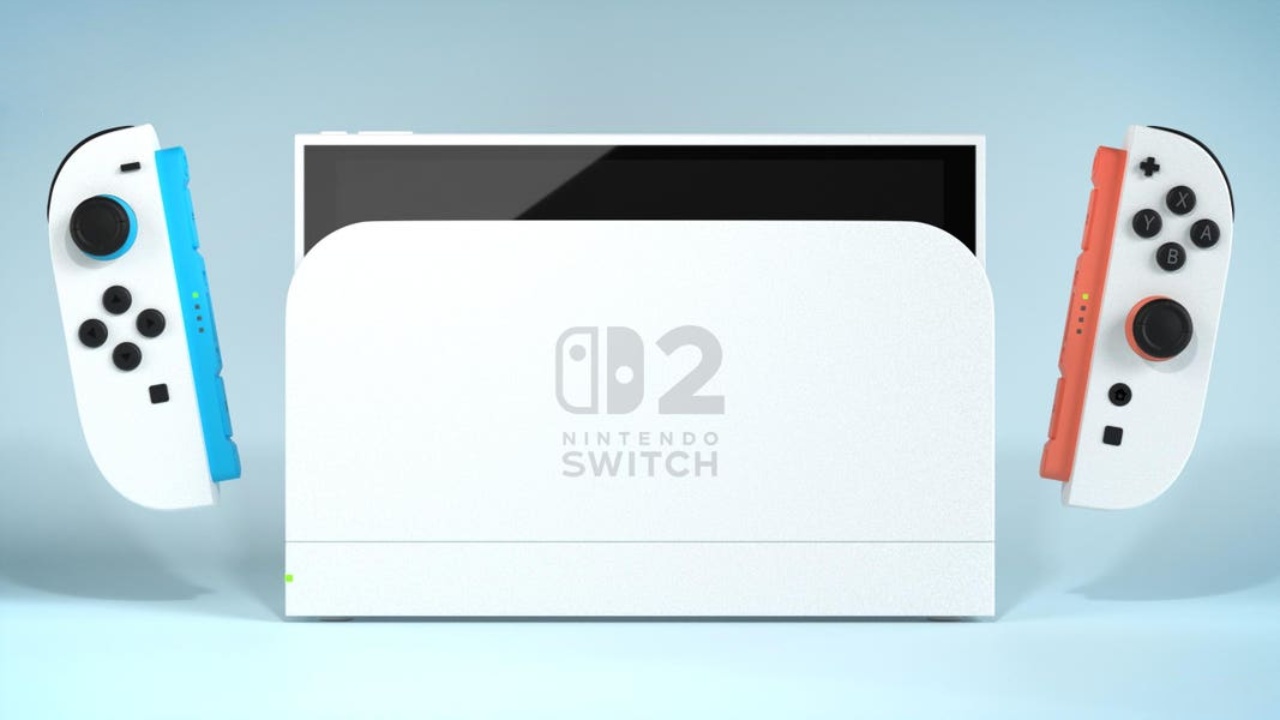
First-party games are still the best thing about the system, but the first wave isn't getting as much attention as previous waves. Review scores, attach rates, and customer engagement all point to a platform that is good but not outstanding.
It's a mid-generation experience that provides continuity without the game-changing innovations that Nintendo fans have come to expect. That sets the stage for Nintendo's task in 2026: to beat the sales records of its last few console launches.
The brand's reputation is built on great first-party games, and the Switch 2 can only go beyond being seen as just okay if it has great games. Until then, players will have to go through a library of good but not great games while they wait for the next Nintendo moment that will change their standards.
Contributor, NoobFeed
Latest Articles
No Data.