
How Switch 2 Shattered Records and Redefined Console Gaming in Just 4 Days
The fastest-selling gaming system in history is rewriting the rules of hardware dominance, and it's just getting started.
Opinion by Asura Kagawa on Jul 02, 2025
In a year saturated with hardware refreshes, marginal upgrades, and endless speculation, the Nintendo Switch 2 has emerged not just as a new console but as a seismic force reshaping the gaming industry. Within its first four days on the market, the Nintendo Switch 2 shattered sales records by moving 3.5 million units worldwide.
It has now become the fastest-selling dedicated game console in history, which is an amazing feat even by Nintendo's high standards. But this isn't just an example of a well-run product launch. Nintendo Switch 2's rapid ascent represents something far greater: the culmination of nearly a decade of momentum, brand equity, and a deliberate strategy to unify handheld and home console gaming into a single, elegant experience.
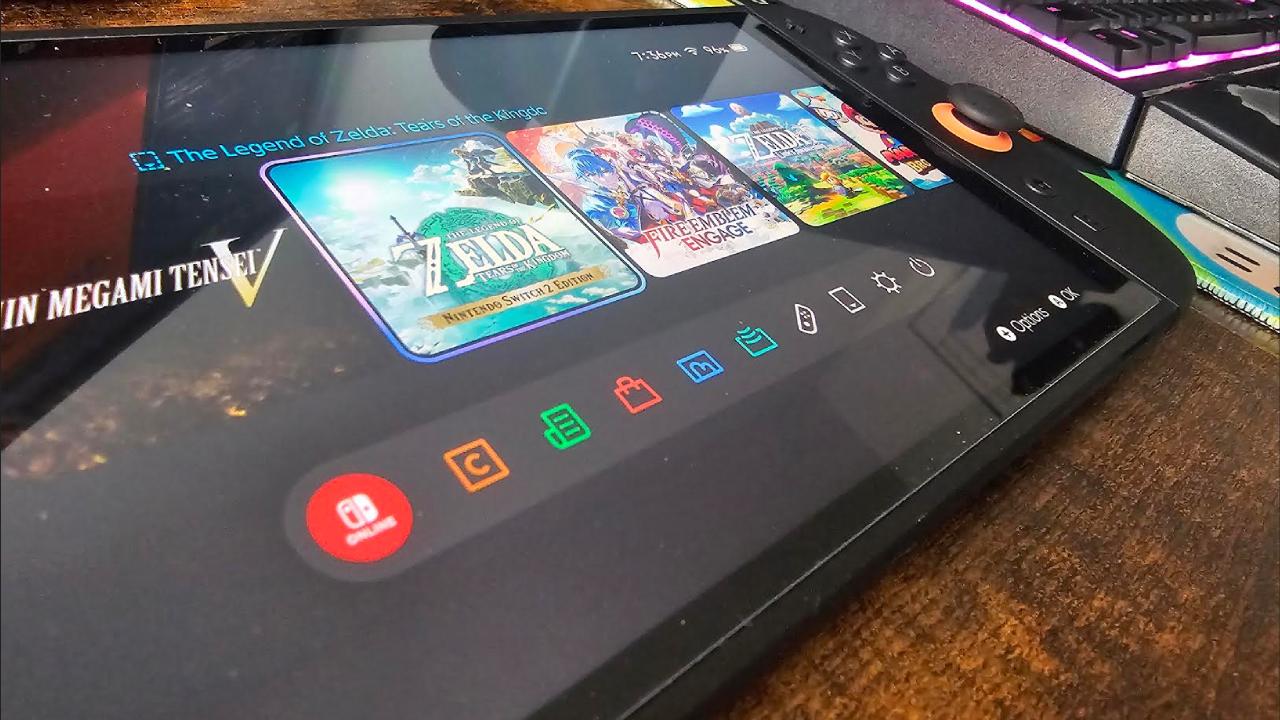
It's a strategy that critics once questioned, and competitors failed to match. Yet, the results are now impossible to ignore. Nintendo isn't just winning the console race—they're defining it.
A Legacy Reinforced, Not Replaced
What's remarkable about the Nintendo Switch 2's success is that it didn't come at the expense of its predecessor. Even as the latest model flies off shelves, the original Nintendo Switch continues to perform far above expectations. In Japan alone, during the week of June 16–22, 2025, the original Switch sold over 12,769 units—more than double the PlayStation 5's sales in the same period. That's not a fluke. That's brand durability at work.
The sustained demand for the original Nintendo Switch alongside record-breaking Switch 2 sales reveals something essential: Nintendo has built a platform, not a product. Consumers aren't choosing between generations—they're embracing both.
Many households are now multi-console Nintendo homes, using the original model for younger gamers or travel while adopting the Switch 2 as the new flagship for premium performance. It's a model of generational overlap that offers flexibility rather than obsolescence.
Shortages, Scalability, and Surging Demand
People in Japan want the Nintendo Switch 2 so badly that they are now joining lotteries just to have a chance to buy one. Nintendo has officially apologized for the lack of units, as even investors were reportedly unable to get any during the initial release. Meanwhile, in U.S. retail channels, restocks are brief and fleeting—units appear only to vanish hours later as inventory is devoured by ravenous demand.
What's critical to understand here is the contrast with previous hardware generations. During the Wii U's launch, stock levels remained stable largely because demand didn't justify urgency. Shelves stayed full. The Switch 2, on the other hand, is in constant sell-out mode. Consumers aren't hesitating. They're prioritizing the system, hunting for it across markets, and celebrating its arrival as more than just another box—it's an event.
The Ghosts of Wii U and 3DS, Put to Rest
Skeptics often point to Nintendo's uneven hardware history—the Wii U's lukewarm launch, the 3DS's early stumbles—as evidence that this momentum could stall. But that logic no longer applies. The Nintendo Switch 2 has already achieved what its predecessors could not: simultaneous mass adoption and critical acclaim at scale. The numbers speak volumes.
Unlike the Wii U, which peaked early and plateaued hard, the Switch 2 shows no sign of slowing. The original Wii U managed to ship just over 3 million units in its launch quarter. The Switch 2 crossed that threshold in four days. And unlike the 3DS, which launched to tepid response and required a mid-cycle price cut to boost sales, the Switch 2 launched with confidence—and delivered on every metric.
Misinformation, Marketing, and the Paradox of Online Discourse
There's an irony in how misinformation has actually fueled interest in the Nintendo Switch 2. Online arguments, which are often full of exaggeration or hostility, have accidentally served as ads. There are more questions than answers about the system's screen quality, game card format, and storage issues. And in a media world where attention is valuable, Nintendo has quietly benefited from the complaints that were meant to hurt it.
Shoppers aren't being fooled. They're being curious. Many prospective buyers reported encountering wild claims online, only to research the system and realize its strengths outweigh its flaws. In essence, the conversation—no matter how skewed—has pushed more people to learn, engage, and, ultimately, convert.
This phenomenon isn't new, but the Nintendo Switch 2 may be the most prominent example of how internet "noise" can turn into retail success. The system is constantly trending. It's being talked about by fans and critics alike. And that perpetual spotlight is keeping it top of mind for casual gamers and core enthusiasts alike.
Backward Compatibility: The Ultimate Launch Library
A major driver behind the Switch 2's appeal isn't just what's coming—it's what's already here. Backward compatibility with the original Nintendo Switch library has granted early adopters access to one of the most diverse and celebrated game collections in modern console history. Titles like The Legend of Zelda: Breath of the Wild, Super Mario Odyssey, and Animal Crossing: New Horizons now run smoother and look sharper thanks to Switch 2's enhanced hardware and updated software patches.
Many legacy titles are receiving performance boosts without requiring manual updates. That means a smoother transition, more polished experiences, and instant value at launch. For consumers, it's an immediate return on investment. For Nintendo, it's a brilliant play that maximizes retention and reduces buyer hesitation.
The "No Games" Myth, Dispelled
Despite misleading titles, the Switch 2 does not lack software. In fact, the opposite. Not only does the device come with a large library of games, but fans are already counting down the days until the exclusive games release. Donkey Kong Bananza, Metroid Prime 4, Hyrule Warriors: Age of Imprisonment, Splatoon Raiders, and Pokémon Legends: Z-A, all confirmed for Nintendo Switch 2, are poised to define 2025 and beyond.
Additionally, first-party staples like Mario Kart World are driving initial adoption in droves. The Mario Kart franchise alone has sold over 68 million units on the original Switch. That strong brand power, along with better graphics, faster load times, and more content, makes the case for Switch 2 clear.
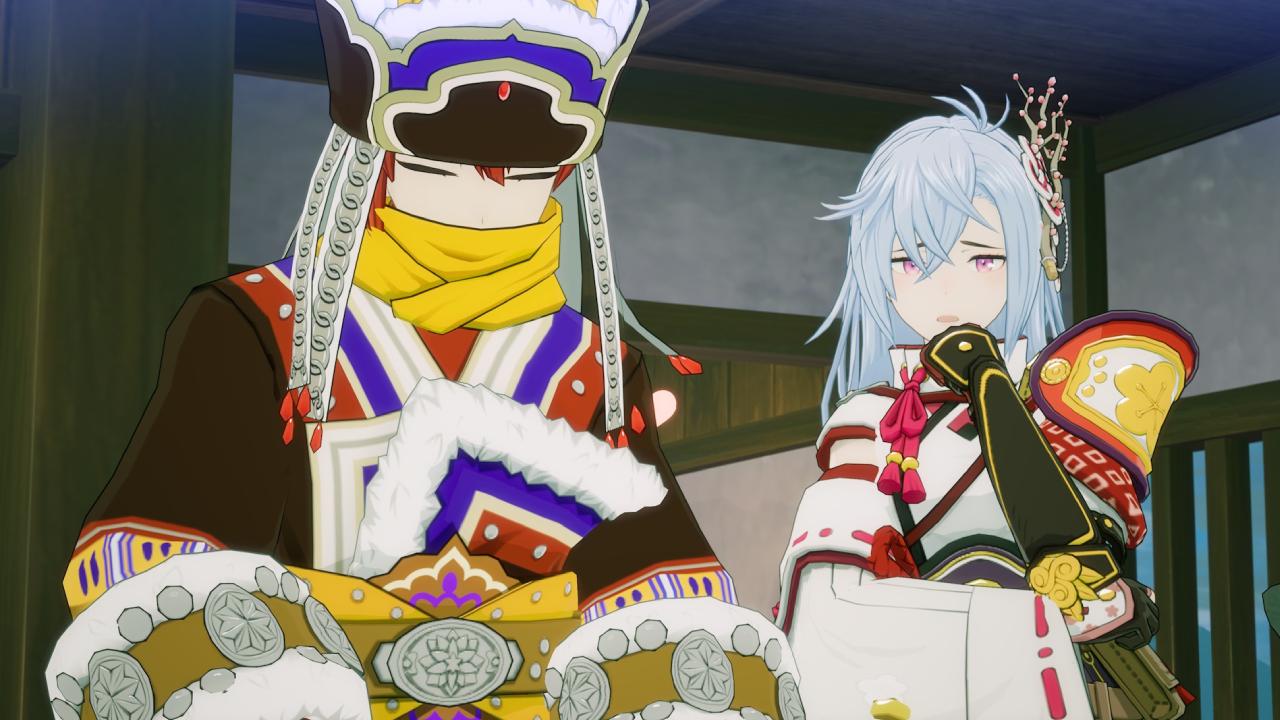
Third-party games like Rune Factory: Guardians of Azuma and Street Fighter VI have also come out for the system, showing that third-party support was strong from the start. As developers become more familiar with the Switch 2's architecture, we can expect even more tailored experiences in 2026.
One System. Two Markets. Infinite Momentum.
What Nintendo has effectively done with the Switch 2 is eliminate the friction between mobile and living room gaming. Consumers are no longer choosing between handheld devices and home consoles. They're embracing a singular, hybrid solution that adapts to any lifestyle.
This convenience isn't just about hardware—it's about the ecosystem. Where once Nintendo needed to split development between two platforms—producing one version of Mario Kart for the handheld and another for the console—that duplication is gone. Now, there's one SKU. One ecosystem. One-player base.
This consolidation also eliminates fragmentation. Developers can build once and deploy widely. Gamers can invest in one platform without feeling left behind. Retailers can count on streamlined inventory and simplified messaging. It's a strategy that's as efficient as it is innovative—and it has left competitors flat-footed.
The Illusion of Competition
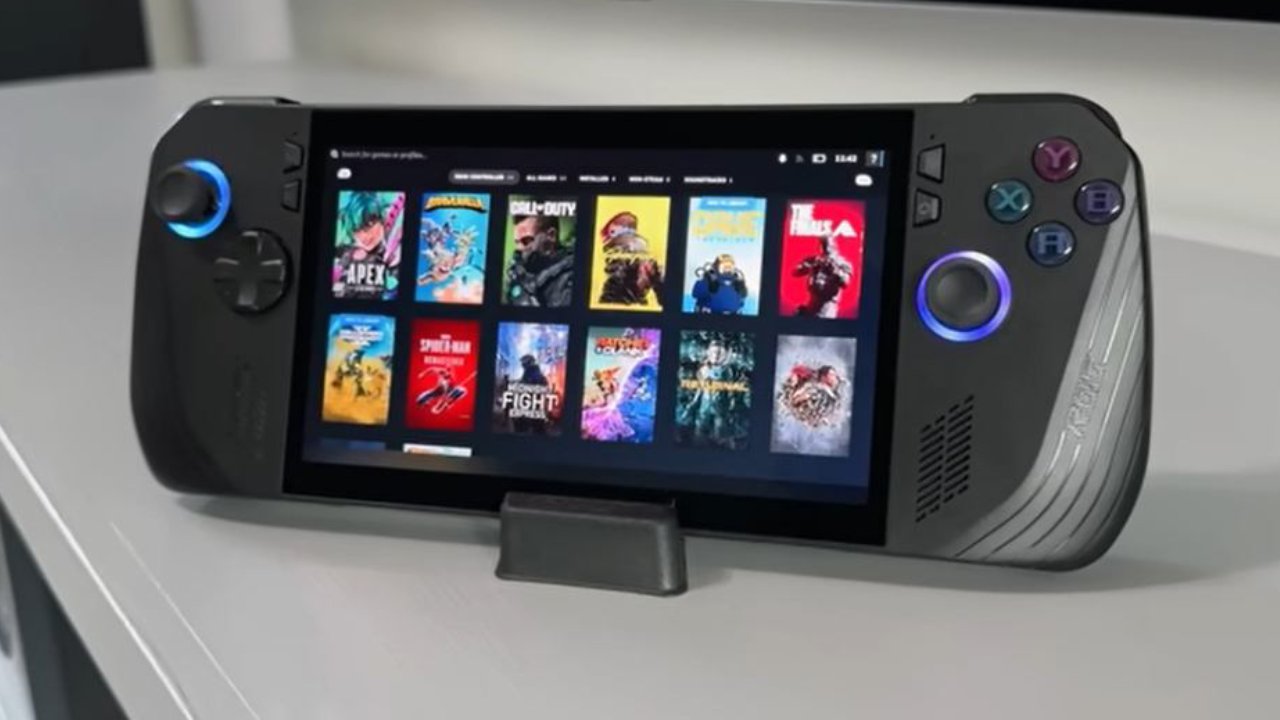
Unlike previous generations, the Nintendo Switch 2 faces no direct challenger in its form factor. Portable PCs like the Steam Deck and ASUS ROG Ally are often touted as alternatives, but in truth, they occupy a different category entirely. These are hobbyist machines—powerful but complex. The Switch 2 is something else: an approachable, plug-and-play device that feels as intuitive as a smartphone and as social as a Nintendo console should.
There is no Vita. No PSP. No 3DS. The Switch 2 is not only the standard—it's the monopoly. And it's a monopoly driven not by exclusivity but by accessibility.
Looking Ahead: 2026 and the Second Wave
The most exciting part? This is just the beginning. If 2025 is the year of launch, 2026 will be the year of ascendancy. Rumors point to the return of Animal Crossing, a new 3D Super Mario, and possibly even the long-awaited project from Monolith Soft. Nintendo has already front-loaded its early offerings, but insiders expect an even more ambitious second wave of titles timed for mid-to-late 2026.
Along with a growing list of third-party games, this trend makes it possible for the Switch 2 to remain popular over many years and across age groups. The movement isn't short-term; it's permanent.
The Nintendo Switch 2 is more than just a game device. It shows how game hardware is expected to look in the future. Not only has it succeeded where others have failed, but it has also changed what success looks like in this industry with its smooth hybrid design, best-in-class software support, unmatched brand loyalty, and unheard-of sales speed.
For competitors, the message is clear: the market has moved. Nintendo didn't just raise the bar; they replaced it.
Staff Writer, NoobFeed
Latest Articles
No Data.