
Zelda's Traditional Formula Was Failing Before Breath of the Wild
Ex-Nintendo staff talks about why the franchise needed a shake-up.
Opinion by Mahi Araf on Nov 14, 2026
The Legend of Zelda: Ocarina of Time is already shaping up to be a big hit, but its release has also sparked renewed discussion about the franchise's history. Some fans are celebrating the return of the traditional 3D Zelda experience, while others say Nintendo never needed to change the formula in the first place. But that argument ignores the problems the franchise faced before Breath of the Wild.
Before Breath of the Wild, The Legend of Zelda struggled to hold onto its audience, according to former Nintendo of America staffers Kit Ellis and Krysta Yang. They said the series was losing interest, struggling to attract new players, and needed something big to stand out again.
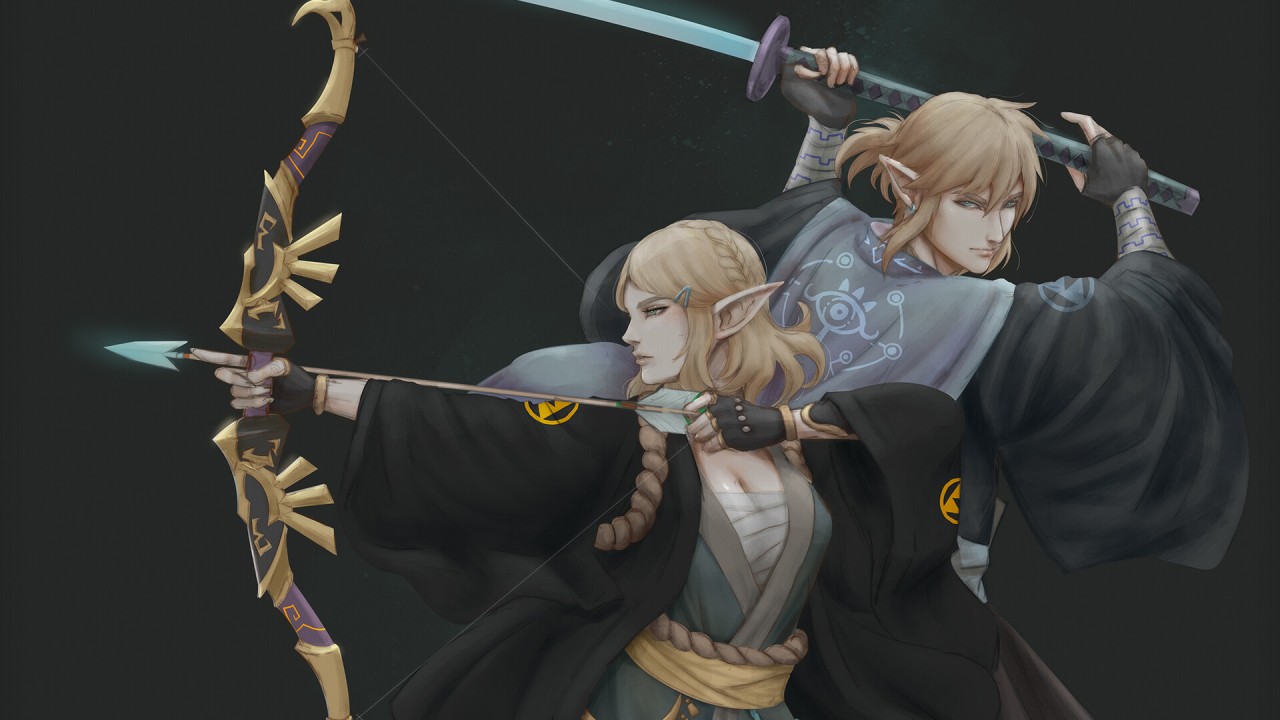
Kit Ellis recalls attending focus groups at the time and seeing the fan base slowly shrink. Nintendo had data showing that each new release was losing interest and failing to attract enough new players. Krysta Yang also described the situation as a difficult period for the franchise, suggesting that Nintendo needed to make a dramatic change.
Looking at the sales figures from that generation, their comments are reasonable.
Twilight Princess was a major success, selling nearly 9 million copies, but later original releases struggled to match those numbers. Skyward Sword, for example, sold fewer than 4 million copies during its original Nintendo Wii release.
The game launched in 2011 during the holiday season, when the Wii already had an install base of more than 90 million systems. Despite having such a large potential audience, Skyward Sword failed to deliver the sales Nintendo might have expected from a major Zelda release.
Other releases, including A Link Between Worlds, Triforce Heroes, and several DS games, did not replicate the commercial success of Twilight Princess. Even Skyward Sword HD did not appear to reach particularly impressive numbers, with estimates placing its sales around 3 to 4 million copies.
Longtime fans were also becoming more vocal about their unhappiness. Gaming message boards like N4G and Game Revolution were a constant place for conversations about the franchise's trajectory. Some wanted a more traditional Zelda experience; others wanted Nintendo to take a risk on something new.
People were complaining about Skyward Sword and the formula in general before social media was as big as it is today.
That's why the argument that Nintendo abandoned a perfectly successful formula doesn't tell the whole story. Some fans still loved the franchise, but it was getting harder to attract new players. Nintendo had to decide whether it could keep Zelda relevant by sticking to the same structure.
Then Breath of the Wild happened, and the game was changed. It is one of the best-selling releases in franchise history, with nearly 35 million copies sold. Tears of the Kingdom kept that momentum going, selling more copies than a handful of previous Zelda entries in an amazingly short amount of time.
Clearly, Nintendo's decision to change the formula paid off commercially. But that doesn't mean the traditional 3D Zelda experiences should be lost to time. There's still a place for games that revolve around traditional dungeons, structured progression, and familiar mechanics. Maybe a hybrid approach, where you take some of what we saw in Breath of the Wild and Tears of the Kingdom and mix it with the older structure of dungeons, could be an interesting direction.

Ocarina of Time's popularity also suggests players still want to experience the franchise's older adventures. Nintendo recently revealed that its latest release sold more than 5 million copies in just four days. The original Nintendo 64 version stands at approximately 7.6 million copies, while Ocarina of Time 3D sold 6.44 million.
Meanwhile, another classic Zelda game could potentially return to modern Nintendo hardware. The Legend of Zelda: A Link Between Worlds recently appeared in a Nintendo Switch Online listing, despite originally launching on the Nintendo 3DS on November 22, 2013.
Its description even mentions Link entering a 2D world to stop Yuga, a mysterious villain who turns people into paintings. Sadly, Nintendo Switch Online doesn't currently support Nintendo 3DS games, so this listing looks more like a whoops than an announcement.
Nintendo may eventually add some form of 3DS backward compatibility, though.
The handheld has a huge library of exclusives that are now hard to find after its digital storefront closed. Re-releasing these games via native ports or emulation would give players another chance to play titles that are not currently available on modern Nintendo platforms.
The biggest hurdle will be replicating the 3DS experience, particularly its dual-screen functionality. Nintendo would have to figure out how to make those mechanics work on the Switch or, more practically, on a Switch 2.
Interestingly, Nintendo never developed a dedicated 3DS player for the Wii U, despite previously experimenting with similar accessories. The Game Boy Advance Player allowed GameCube owners to insert their handheld cartridges and play them on a television.
The Super Game Boy gave a similar experience for Game Boy games on the Super Nintendo.
But at some point, Nintendo adopted the hybrid-console model with the original Switch, which removed the need to support separate handheld and home-console platforms. It still seems like a missed opportunity to abandon the entire 3DS library. Maybe it's time to see some of these games return on the Switch 2.
All in all, Nintendo's latest Zelda developments show that the franchise still has room for both traditional experiences and the direction introduced by Breath of the Wild. The success of the newer games doesn't diminish the appeal of older entries, and Ocarina of Time's popularity highlights why Nintendo should keep bringing its classic library to modern platforms.
Senior Editor, NoobFeed
Latest Articles
No Data.