
Advanced Shader Delivery Cuts Load Times by 95% Across All AMD RDNA GPUs
Microsoft's Advanced Shader Delivery dramatically reduces shader compilation times while delivering smoother gameplay across AMD RDNA graphics cards.
Hardware by Masaru Hoshino on Jun 16, 2026
Modern PC gaming has spent years battling one persistent annoyance: shader compilation. No matter how powerful a graphics card becomes, many new releases still force players to sit through lengthy shader-building processes before they can jump into a game. Even worse, some titles continue compiling shaders during gameplay, causing the infamous stutters that can ruin an otherwise smooth experience.
Microsoft and AMD are now taking a significant step toward solving that problem. Microsoft's Advanced Shader Delivery (ASD) technology is officially moving beyond its limited preview phase and expanding across AMD's entire RDNA graphics ecosystem. For Radeon users, this update could be one of the most meaningful quality-of-life improvements in recent years for PC gaming.
Advanced Shader Delivery Expands From RDNA 1 to RDNA 4
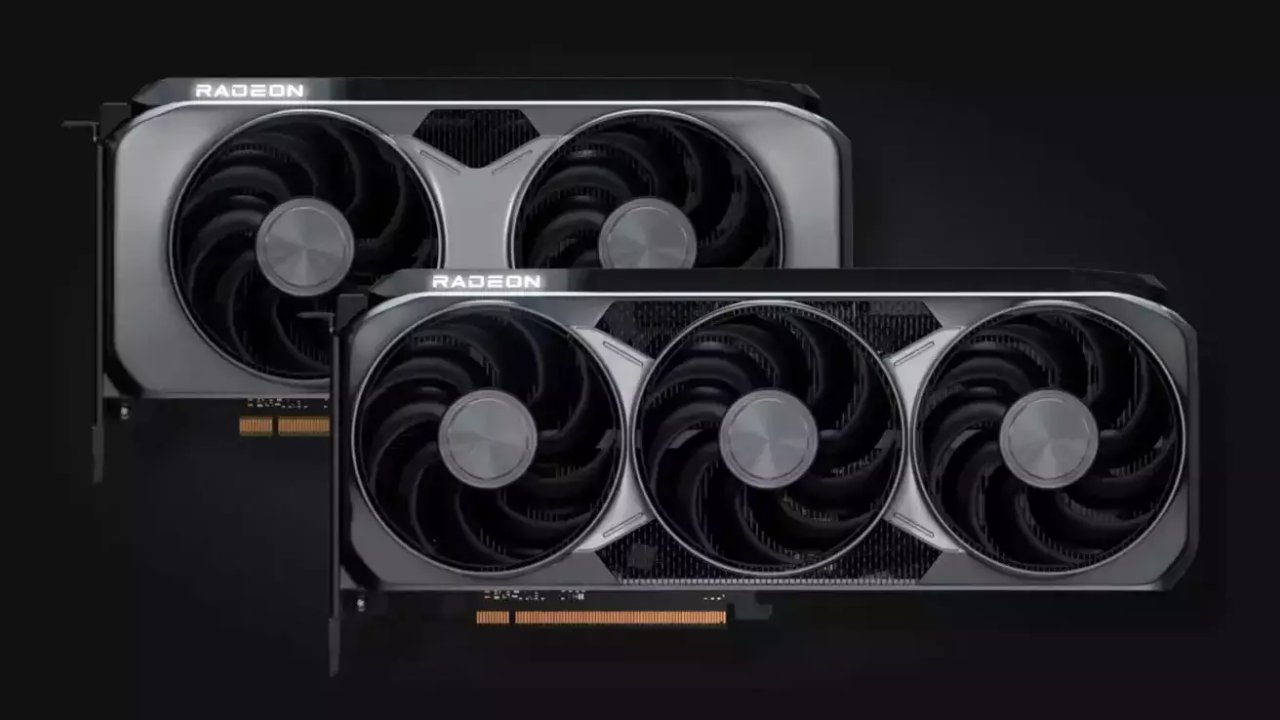
The biggest development is the sheer scale of ASD's rollout. What began as a limited test is now available across AMD's full RDNA lineup, covering everything from the Radeon RX 5000 series based on RDNA 1 to the latest RDNA 4 products.
That means a large portion of the Radeon install base could benefit from the technology without upgrading hardware. Whether gamers are still running an RX 5700 XT, using a mainstream RX 7600, or investing in AMD's newest generation, the feature is designed to work across the entire RDNA family.
This broad compatibility gives AMD an unusual software advantage. GPU vendors often reserve new technologies for their latest products, but ASD's architecture-wide deployment allows older Radeon cards to receive meaningful improvements years after launch.
95% Load Time Reduction That Changes First Launch Experiences
The headline figure attached to ASD is difficult to ignore.
According to Microsoft's testing, Advanced Shader Delivery can reduce initial shader compilation wait times by up to 95% compared to traditional local compilation methods.
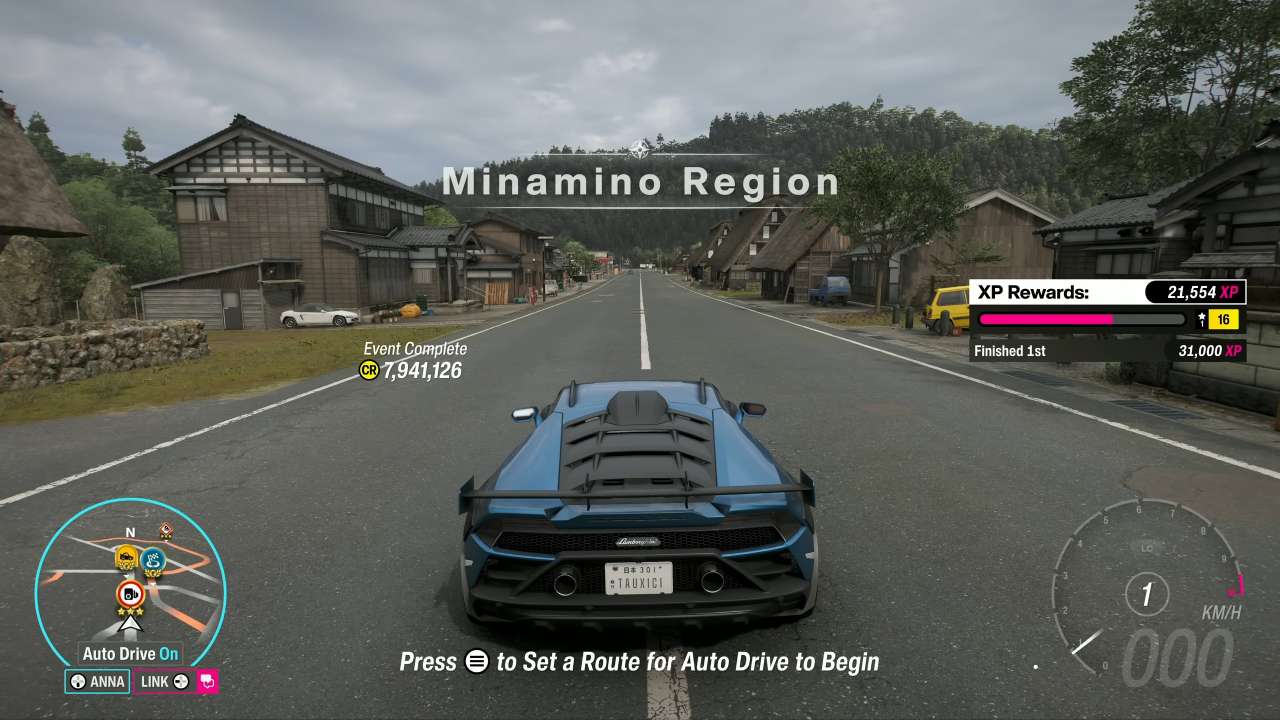
The most striking example comes from Forza Horizon 6. On a system equipped with a Radeon RX 7600 graphics card and a Ryzen 7 5800 processor, shader preparation reportedly dropped from approximately 1.5 minutes to just 4 seconds.
That reduction transforms the first-launch experience entirely. Instead of waiting through a lengthy preparation screen before entering the game world, players can move from launch to gameplay almost immediately.
The technology achieves this by delivering precompiled shaders through cloud infrastructure rather than forcing every individual PC to generate them locally. By shifting much of the workload off the user's system, ASD dramatically reduces the time to gameplay.
Faster Loading is Only Half the Story
While the loading-time improvements are impressive, the more important benefit may be what happens after players enter the game.
Shader compilation stutters have become one of the most criticized issues in modern PC gaming. Even systems equipped with high-end CPUs and GPUs can suffer brief pauses when a game encounters a shader that has not yet been compiled.
These pauses often happen at crucial periods in gameplay, resulting in uneven frame pacing and ruining what is otherwise great performance.
Advanced Shader Delivery fixes this problem by having shaders ready to go before the game ever begins. This approach can greatly reduce, or even eliminate, stutter caused by generating shaders in real time by providing precompiled shader data in advance.
If you're an enthusiast who values smooth frame delivery over benchmark charts, this might be even more crucial than the massive drop in loading times.
Required Hardware and Software Establish Clear Limits
Even with the tremendous gains, ASD isn't a panacea for every PC gamer.
The technology currently requires a Radeon graphics card based on RDNA 1 to RDNA 4, Microsoft's Windows 11 24H2 update, AMD's Adrenalin 26.6.1 graphics drivers, and the Xbox Gaming Services ecosystem where the feature is presently supported.
Those requirements immediately create barriers for some users. Gamers remaining on Windows 10 or older Windows 11 versions will not gain access to the feature. Likewise, players outside the Xbox gaming ecosystem may need to wait for broader implementation.
Perhaps the most notable limitation is vendor exclusivity.
At least for now, NVIDIA and Intel graphics card owners are completely excluded from ASD support. Currently, this capability only works in AMD's Radeon environment. This is an odd software advantage that directly helps one GPU vendor over the others.
Whether that exclusivity will be permanent is unclear, but in its current form, ASD gives Radeon users access to a capability unavailable elsewhere in the PC graphics market.
Software is Becoming the New GPU Battlefield
For years, graphics card competition revolved around raw performance, memory capacity, and pricing. Today, software ecosystems play an ever more important role in purchasing decisions.
Frame generation, AI upscaling, latency reduction, and now cloud-delivered shader management are becoming big differentiators across competing platforms.
ASD demonstrates how software optimization can improve user experience without requiring new silicon. Instead of delivering higher frame rates through more powerful hardware, Microsoft and AMD are eliminating one of the most frustrating bottlenecks in the gaming experience itself.
For gamers who frequently jump between new releases, the value proposition is obvious. Whether it's a resolution or graphics setting, you want every gaming session to be better, with faster startup times and fewer disruptions to gameplay.
Editor, NoobFeed
Gaming Hardware Updates
No Data.